Cucumber plants in pots need a growing medium that holds steady moisture without becoming compacted or waterlogged. The right choice depends on whether you want a ready-mixed soil, a moisture-conscious coconut medium, a surface mulch, or a small drainage amendment for an existing mix. These options cover different parts of the pot, so choosing by the job at hand will give you a more useful setup.
The Choices Worth Comparing
PickWhy You Picked ItBest ForAction
Garden Choice
FoxFarm Happy Frog Amended Potting Soil with Castings, 12-Quart Two-Pack
FoxFarm Happy Frog gives you a ready-to-fill potting soil, which removes the guesswork from combining a base medium with supplemental ingredients. In a warm kitchen or balcony setup, that convenience matters because you can move from adding soil to planting without first balancing a homemade blend.
Unlike the compressed products later in the list, this amendment arrives as finished potting soil. It contains earthworm castings, bat guano, aged forest products, and soil microbes, which are organisms that support root activity and nutrient uptake.
The Value In It
✓Ready to use, so you can fill containers without preparing a separate soil recipe.
✓Multiple amendments give container plants a richer starting medium than plain base soil.
✓The soil microbes are included to support root efficiency and nutrient uptake.
✓The 12-quart two-pack supplies useful volume for several pots or a larger container.
Honest Caveats
•Bat guano is an animal-derived input, so it may not suit your input preferences.
•Heavy-fruiting cucumber plants may need additional nutrients as the growing season progresses.
Key Product Details
Feature
Specification
Why It Matters
Form
Ready-to-use container potting soil
Removes the need to blend a separate base and amendments.
Amendments
Earthworm castings, bat guano, and aged forest products
Adds organic material and nutrients to the root zone.
Microbes
Custom soil-microbe blend
Supports root efficiency and nutrient uptake.
Package
12 quarts, two packs
Offers practical volume for a group of containers.
Made For
This soil suits balcony and patio gardeners who want a complete, uncomplicated starting medium for container cucumbers.
Another Choice May Suit
PlantBest Peat-Free Coco Soil suits you more when storage space and a lightweight compressed medium matter more than a ready-amended blend.
PlantBest Organic Coco Mulch is a top-dressing product, not a complete potting mix. You can use it to cover exposed soil in a cucumber pot, where the coconut fibers help limit the amount of exposed soil around the stem.
The 9.1-pound block expands to 64 quarts and covers as much as 17.5 square feet, according to the product description. For someone storing gardening materials in a crowded utility closet, the compressed format is considerably easier to handle than a large loose bag.
Positive Points
✓The compressed block stores neatly before expansion.
✓Water separates the coconut material into usable mulch.
✓A single block offers substantial coverage for pots, beds, or around trees.
✓The product title identifies it as organic coconut mulch.
Points To Note
•This mulch should not replace the soil around cucumber roots.
•You need to plan for the space required by the expanded material.
•The soil beneath still needs a suitable container drainage path.
Right Fit For
This option fits gardeners who want an organic-labeled surface mulch for container cucumbers and already have a suitable potting medium.
Look Elsewhere When
FoxFarm Happy Frog Amended Potting Soil is the better choice when you need to fill the entire pot rather than cover its surface.
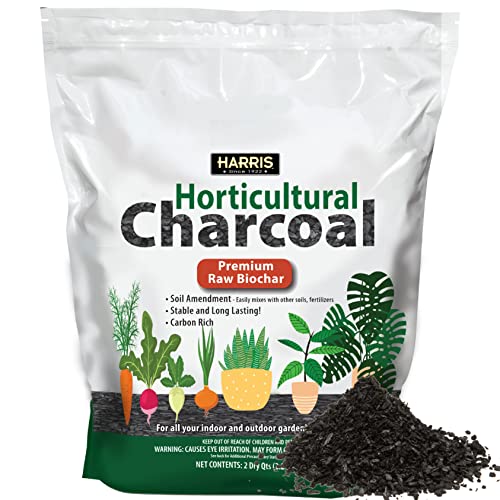
Harris Biochar is intended to improve an existing growing medium rather than fill a pot by itself. Biochar is a plant-derived carbon amendment, and the 2-quart container gives you room to mix a measured portion into potting soil for several plants.
The suggested ratio is one part biochar to nine parts potting soil, making the product approachable for a first-time balcony gardener. Compared with FoxFarm Happy Frog, this is an additive rather than a ready-to-use amended soil, so your existing mix remains the foundation.
What Stands Out
✓Made from hardwoods, grasses, and agricultural or forest residues.
✓The simple 1-to-9 mixing ratio keeps portioning manageable.
✓It can support water retention and beneficial microbial life in the amended mix.
✓Useful in terrariums, gardens, ornamentals, and small houseplants.
Smaller Caveats
•Biochar is not a substitute for a complete potting medium.
•Accurate measuring matters because the recommended blend is precise.
•It is less convenient than buying soil already amended and ready to use.
Quick Facts
Feature
Specification
Why It Matters
Material
Hardwoods, grasses, and agricultural and forest residues
Provides a plant-derived carbon amendment.
Mix ratio
1 part biochar to 9 parts potting soil
Allows controlled addition to an existing medium.
Applications
Gardens, ornamentals, terrariums, orchids, and bonsai
Allows use across small and larger growing spaces.
Volume
2 quarts
Provides a manageable quantity for measured mixing.
Best Suited To
This amendment suits you when you already own potting soil and want to add a measured biochar component without replacing the medium.
Consider Something Else When
FoxFarm Happy Frog Amended Potting Soil fits beginners who prefer a ready-to-fill medium over measuring and blending an amendment.
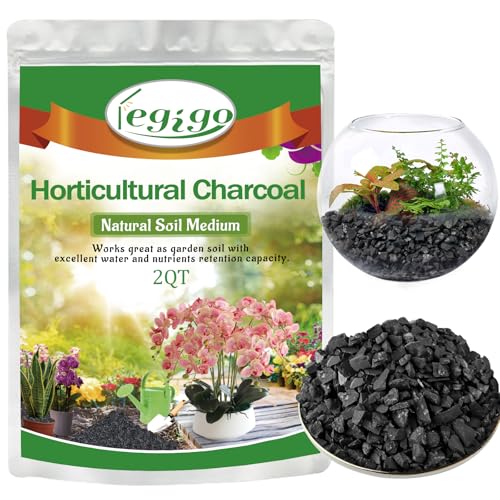
Legigo Horticultural Charcoal focuses on drainage rather than feeding plants. It is a lightweight, mild additive made from natural hardwood charcoal, which makes it useful for potted plants whose existing mix stays wet longer than you would like.
Its strongest established uses are bonsai, orchid, and succulent soils, where drainage is a central part of the medium. For cucumbers, it can support a porous root zone, but you would still need a complete potting mix and a pot with suitable drainage openings.
Practical Advantages
✓The lightweight material is easier to handle than dense garden soil.
✓It helps excess moisture move away from the root zone.
✓Its mild character makes it suitable for mixing with several specialized soils.
✓The 2-quart package provides a practical quantity for small containers.
Possible Compromises
•It does not provide the complete growing medium needed for a cucumber pot.
•Its stated uses lean more toward orchids, bonsai, and succulents.
•You must combine it with an appropriate potting base.
Technical Notes
Feature
Specification
Why It Matters
Material
Natural hardwood horticulture charcoal
Adds a lightweight carbon material to the growing medium.
Primary function
Assists drainage in containers
Helps reduce excess moisture around roots.
Compatible uses
Bonsai, orchid, and succulent soils
Fits mixes where drainage is especially important.
Volume
2 quarts
Suits small-scale mixing and container work.
Who Will Love This
This charcoal suits gardeners refining a specialty houseplant mix who want a focused drainage component.
A Better Fit Elsewhere
Harris Biochar Soil Amendment fits you better when you want a broader plant-derived amendment with a stated 1-to-9 mixing ratio.
PlantBest Peat-Free Coco Soil starts as an 11-pound compressed block of coconut coir, the fibrous material surrounding a coconut. That compact form suits apartment gardeners who want growing-medium capacity without carrying several loose bags through narrow hallways.
After watering, the block expands to approximately 79 quarts, or 2.65 cubic feet. Unlike FoxFarm Happy Frog, this is a relatively plain growing medium rather than a blend presented with several organic amendments.
What Pays Off
✓The compressed block is easy to store before use.
✓Expansion produces a substantial volume of growing medium.
✓The material is peat-free for gardeners avoiding peat-based mixes.
✓Triple washing and low salt content support a cleaner medium.
Small Caveats
•Water and expansion time are required before planting.
•It is not presented as a pre-amended potting soil.
•Your container still needs clear drainage openings.
Built With In Mind
This coco medium suits small-space gardeners who prioritize compact storage and a peat-free growing base.
Swap It Out When
FoxFarm Happy Frog Amended Potting Soil is the better fit for you when you want castings, bat guano, and aged forest products already combined with the base.
PlantBest Coco Mulch shares the same compressed coconut format as PlantBest Organic Coco Mulch, making the two listings similar in weight and expanded volume. The practical difference for your shopping list is that the other product explicitly carries an organic designation.
Use this block for mulch around container plants, garden beds, or trees rather than filling the entire root zone. Its stated coverage reaches 17.5 square feet, so one block suits a broader landscaping task than a single cucumber pot requires.
Points In Its Favor
✓Lightweight storage saves room before the block expands.
✓The coconut material creates a useful surface covering.
✓It works for container edges, garden beds, and tree surrounds.
✓The listed coverage extends beyond a small patio setup.
Trade-Offs To Consider
•It is mulch rather than a complete cucumber potting medium.
•You need space for the expanded volume after watering.
•An organic-labeled requirement points you toward PlantBest Organic Coco Mulch.
Feature Snapshot
Feature
Specification
Why It Matters
Form
Compressed coconut mulch block
Stores compactly until you add water.
Weight
9.1 pounds
Provides a manageable block before expansion.
Expanded volume
64 quarts
Creates enough material for several mulched areas.
Coverage
Up to 17.5 square feet
Suits garden beds, trees, and grouped containers.
Who Should Grab It
This mulch fits you when one compressed block needs to cover several pots, a small bed, or the area around a container tree.
Where Another Pick Shines
PlantBest Organic Coco Mulch is the better match when an organic label is part of your purchasing criteria.
## What Matters Most for Potted Cucumbers
Cucumber roots like dependable moisture, but a dense or slow-draining medium can leave the root zone overly wet. Start by separating the soil’s two jobs: the growing medium supports roots, while mulch covers exposed soil. You rarely need both products in the same pot.
### Moisture Without Waterlogging
A loose, container-appropriate medium gives roots room to establish and move through the mix. FoxFarm Happy Frog is the most direct choice because it arrives ready to use, while PlantBest Peat-Free Coco Soil offers a lighter peat-free base after expansion. Make sure your pot has drainage holes, since no growing medium can compensate for trapped water.
### Drainage and Root-Zone Structure
Horticultural charcoal and biochar serve as supporting ingredients rather than complete soils. Harris Biochar is the broader amendment option, with a stated 1-to-9 mixing ratio and uses that extend to terrariums and small houseplants. Legigo Horticultural Charcoal focuses more narrowly on drainage for bonsai, orchid, and succulent mixes. Either still needs a suitable potting base for cucumber roots.
### Container Size and Mulch Placement
A standard cucumber container also needs enough root volume, and the opening should correspond to the plant’s root mass. FoxFarm recommends a container two to three times the root-mass diameter for its potting soil, a useful sizing principle when you move a plant into a permanent pot. Keep mulch away from the stem and use it only as a thin surface layer.
### Ingredients and Storage
Check what each product does before opening it. FoxFarm includes castings, bat guano, and aged forest products, PlantBest Coco Soil is presented as a peat-free base, and the mulch blocks provide surface coverage rather than root-zone nutrition. Compressed blocks also need room for expansion, so assess storage and watering space before choosing one.
## Common Mistakes in Container Growing
### Where Shoppers Go Wrong
The most common error is treating mulch as potting soil. A coconut mulch block belongs on the surface, while a compressed coir block or FoxFarm Happy Frog fills the root zone. Another mistake is buying a larger container before checking its drainage openings, since excess water can become a problem no matter which medium you use.
### What Separates Premium From Basic
A richer amendment can save you from blending your own base, while a plain coir block offers more control over what you add. The upgrade is worthwhile when you value convenience, measured ingredients, or a specialized drainage component. A compressed block may offer better value when storage and bulk coverage matter more.
## Frequently Asked Questions
### Do I need special soil for cucumbers in pots?
Cucumbers need a loose, well-draining container medium that maintains consistent moisture. FoxFarm Happy Frog offers a ready-to-use amended option, while PlantBest Peat-Free Coco Soil provides a peat-free base.
### Can I use coco mulch instead of potting soil?
No, coco mulch is intended as a surface covering rather than the main medium around cucumber roots. Use a suitable potting mix below it and keep the mulch layer away from the stem.
### Is biochar safe to mix with regular potting soil?
Biochar is used as an amendment in a measured ratio rather than as a stand-alone growing medium. Harris specifies one part biochar to nine parts potting soil for houseplant mixes.
### Which option is easiest for a small-space gardener?
FoxFarm Happy Frog requires the least preparation because it is ready to fill a pot. PlantBest Peat-Free Coco Soil is easier to store before use, although you need to water and expand the block first.
### Should I add mulch to a cucumber pot?
A light surface layer can cover exposed soil and reduce direct exposure around the container. Use a separate potting medium for the roots and leave an open space around the stem.
## Final Thoughts
Your best choice depends on the role you need filled. FoxFarm Happy Frog is the straightforward choice for filling pots, PlantBest Peat-Free Coco Soil offers compact storage and a peat-free base, and the charcoal products support drainage in a mixed medium. The two PlantBest mulch blocks are useful surface options, with the organic-labeled version fitting that particular ingredient preference. Match the product to the pot, then give the roots the growing medium they actually need.