

Before you add soil amendments to blueberry, raspberry, or currant beds, you need to know what is already beneath the surface. A soil sampler gives you a clean core for analysis, helping you judge drainage, composition, and pH without turning the whole planting bed into a guessing game. The six options below range from compact 12-inch probes to deeper 40-inch tools with sample bags and removal accessories.
The Main Contenders

AUZEKER 40 Inch Stainless Steel Soil Sampler

AUZEKER 12 Inch Soil Sampler with 50 Bags

AUZEKER 36 Inch Soil Sampler with 50 Bags
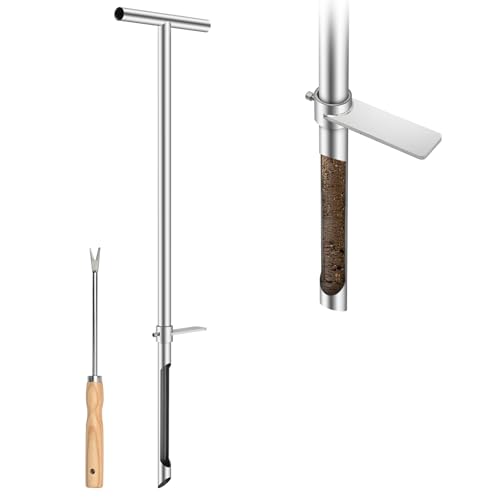
AUZEKER 36 Inch Stainless Steel Soil Sampler
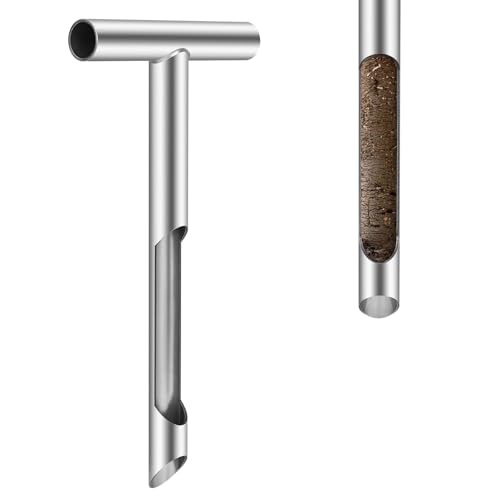
AUZEKER 12 Inch Stainless Steel Soil Sampler

AUZEKER 40 Inch Soil Sampler with 50 Bags
The Strengths Of Each Pick
A 40-inch reach makes this sampler relevant when you want a view below a berry bush’s surface layer rather than a quick look at loose topsoil. The stainless steel construction and T-handle suit regular lawn, garden, and farm use, while the long shaft can reach deeper toward the root zone. For most established beds, that extra reach offers a more useful picture than a short handheld scoop.
Compared with the 12-inch options, this model covers considerably more vertical space without the 50-bag kit. You handle a longer tool, though, so storage and positioning around low branches deserve a quick check.
What Helps Most
- Reaches 40 inches for deeper root-zone sampling
- Stainless steel body resists corrosion in damp soil
- T-handle provides a firm two-handed grip
- Collects a defined core for soil analysis
Things To Consider
- The 40-inch shaft needs more clearance and storage room
- No sample bags are included for organizing collections
At A Glance
Built With In Mind
You benefit most from this model when you maintain mature berry bushes, larger plots, or compacted soil that requires a deeper core.
Where A Sibling Pick Shines
The AUZEKER 12 Inch Soil Sampler with 50 Bags suits you better when you need organized topsoil samples and easier storage.
This kit favors organized, shallow sampling. The 12-inch probe is easier to control in a compact raised bed, and the included bags let you separate samples from different bushes, irrigation lines, or planting zones. A soil core is a cylindrical slice of earth, so keeping each one separate helps preserve a clear record of where it came from.
For blueberry beds, that organization is particularly useful when you want to compare acidic areas against another patch. The stainless steel body adds another advantage over bare wood or plastic alternatives, although the shorter shaft limits how much of the lower root zone you can inspect.
Where It Excels
- Fifty bags help organize separate samples
- Compact length suits raised beds and tight rows
- Stainless steel construction handles damp soil
- Supports repeated lawn and garden sampling
Trade Offs
- The 12-inch reach is shallower than the longer options
- Fifty separate bags require storage space
Key Specs
Made For
This kit fits you best when you sample topsoil in raised beds, small gardens, or several separate locations around a berry patch.
Another Choice May Suit
The AUZEKER 40 Inch Stainless Steel Soil Sampler gives you deeper access when the root zone matters more than sample-bag organization.
The 36-inch probe balances reach with the useful extras bundled here: 50 sample bags and a separate removal tool. That tool helps dislodge roots, stones, and debris from the tube, reducing the need to empty the sampler with your fingers. For a busy bed, that cleanup accessory can be the feature you appreciate most.
Compared with the AUZEKER 12 Inch Soil Sampler with 50 Bags, this version reaches much farther into the soil while retaining the organizational benefit of separate bags. The honest trade-off is bulkier storage, especially in a small potting area.
Advantages To Know
- Thirty-six-inch depth reaches lower soil layers
- Fifty bags simplify multi-location collection
- Removal tool helps clear roots and debris
- Supports cleaner handling of each core
Points To Note
- The probe, bags, and removal tool need coordinated storage
- Its reach remains below the 40-inch models
Right Fit For
You get the most from this kit when collecting numerous samples across a large berry plot where both depth and organization matter.
Look Elsewhere When
The AUZEKER 12 Inch Stainless Steel Soil Sampler is easier to manage for shallow samples in a compact raised bed.
A stainless steel body and 36-inch shaft make this a practical middle ground between a short hand trowel and a full-depth probe. The T-handle helps control the tool while the separate removal tool clears roots, small stones, and trapped soil. That combination supports a cleaner workflow from extraction to bagging.
It shares the same depth as the AUZEKER 36 Inch Soil Sampler with 50 Bags, but this model centers on the probe and cleanup accessory. Choose it when you already have a reliable way to store individual samples and want a straightforward tool for the soil itself.
What It Does Well
- Thirty-six-inch shaft samples deeper soil
- Stainless steel body suits damp beds
- T-handle improves leverage during insertion
- Removal tool reduces hand contact with debris
Worth Noting
- You need separate containers for collected samples
- The extra removal tool adds another piece to store
Technical Sheet
Who It Suits Best
This sampler suits you when you maintain several berry bushes and want a stainless steel probe with useful reach and cleanup support.
Consider Something Else When
The AUZEKER 40 Inch Soil Sampler with 50 Bags is the stronger fit for deeper profiles that also need organized sample collection.
A 12-inch sampler is easier to maneuver around crowded stems than the longer models. Its stainless steel construction suits damp soil, while the T-handle offers a secure grip for pushing the probe into a bed. That makes it a sensible option for routine topsoil checks in a small berry garden.
Unlike the AUZEKER 12 Inch Soil Sampler with 50 Bags, this version is a single focused tool without an included bag bundle. Its honest limitation is reach: it shows you the upper layer more clearly than the deeper profile beneath established shrubs.
Good Reasons To Consider
- Short shaft is easy to position
- Stainless steel construction suits moist soil
- T-handle provides comfortable leverage
- Useful for recurring topsoil checks
Small Caveats
- The 12-inch depth cannot represent deeper soil layers
- You need your own way to label and store samples
The Right Fit
This model works best for you when you maintain a small raised bed or regularly check only the topsoil around young berry plants.
Reach For A Different Pick When
The AUZEKER 36 Inch Stainless Steel Soil Sampler gives you a better view of the root zone in a mature berry patch.
This bundle combines the deepest reach in the group with 50 bags for separating samples. Its T-handle includes a finger guard, a practical detail when you push a long probe into firm soil and need to keep your fingers away from the shaft. The combination makes sense for larger properties or layered soil profiles.
Compared with the AUZEKER 40 Inch Stainless Steel Soil Sampler, you gain sample bags but give up a listed stainless steel body specification. Depending on your storage situation, the extra bag roll may be more useful than another metal component.
The Practical Payoff
- Forty-inch length reaches the deepest layer
- Fifty bags organize multiple collections
- Finger guard adds separation from the shaft
- T-handle supports controlled insertion
Practical Considerations
- The long probe requires more room to operate
- Deep samples may reveal a very different layer
- The included bags add bulk to storage
Feature Facts
Who Should Grab It
You benefit most from this bundle when sampling a large property with multiple berry varieties and separate soil zones.
Swap It Out When
The AUZEKER 12 Inch Stainless Steel Soil Sampler is easier to handle when you only need shallow, frequent topsoil checks.
Sampling Before You Improve Berry-Bush Soil
A sampler does not tell you which soil amendment to buy. It gives you a representative core for analysis, allowing you to check the existing root-zone conditions before changing the bed. For berry bushes, the useful sample often comes from the upper soil where feeder roots are abundant, while deeper cores can reveal drainage or layering problems.
Match The Probe To The Question
A 12-inch probe works for routine topsoil checks in raised beds and small plots. A 36- or 40-inch sampler is more useful when you need to compare surface soil with deeper layers, particularly around established shrubs or in a plot with compacted subsoil. Longer is not automatically better, since the extra depth also increases the effort needed to insert and empty the tool.
Plan A Consistent Collection Method
Collect separate cores from meaningful areas of the bed, including spots with different plant growth, moisture, or soil color. Label each location as you go, because similar-looking samples can produce very different results. The 50-bag options are especially helpful for larger properties, but any clean container can serve the same purpose for a small garden.
Keep The Sample Intact
Roots and small stones can interrupt the shape of a core, making the sample harder to remove cleanly. A separate removal tool helps dislodge debris and empty the tube without relying on your hands. Keep the sample free of extra water and loose soil, and follow the collection instructions provided with the soil analysis service.
Choose For Storage And Control
Stainless steel provides corrosion resistance for damp beds, while a T-handle gives you more leverage than a narrow grip. Consider where you will keep the tool after use, especially with a 36- or 40-inch model. A kit with 50 bags needs more storage space than a standalone probe, but it may save time during a multi-location collection.
Practical Pitfalls In Soil Sampling
Wrong Turns To Avoid
Avoid taking a single core from an easy-to-reach corner and treating it as representative of the whole bed. Moisture, compaction, and soil composition can change within a short distance, so sample several meaningful locations. Another common mistake is choosing depth by the tool rather than by the question, which can leave you with either too little root-zone information or an unnecessarily difficult extraction.
What Separates Premium From Basic
The extra capability usually comes from reach, included accessories, and handling features rather than a different basic task. A longer probe reaches additional soil layers, sample bags separate multiple collections, and a removal tool simplifies cleanup. Those additions matter most for large plots, mature bushes, or frequent sampling, while a short probe remains more convenient for a small raised bed.
Frequently Asked Questions
Do I need a soil sampler before choosing soil for berry bushes?
Yes, a sampler helps you understand the existing soil before adding amendments. It can reveal differences in composition, drainage-related layers, and pH that influence which changes your bed needs.
How deep should I sample for blueberry bushes?
A 12-inch probe works well for many routine topsoil checks. A deeper 36- or 40-inch model provides a more complete view for mature shrubs, compacted ground, or layered soil profiles.
What is the difference between a soil core and a scoop?
A soil core is a cylindrical section removed from a narrow tube, preserving a more defined vertical profile. A scoop gathers loose material from the surface, which is faster but offers less detail about the soil’s layers.
Are the included sample bags necessary?
No, you can use clean labeled containers. The 50-bag kits are most convenient when you collect numerous samples from separate locations and need a simple way to keep them organized.
Which soil sampler is easiest to store?
The 12-inch models generally need less space than the 36- and 40-inch options. The 12 Inch Soil Sampler with 50 Bags adds a compact bag roll, while the longer samplers require more room for the shaft and accessories.
Final Verdict
Start with the 12-inch models for routine topsoil checks in small gardens, then move to 36 or 40 inches when you need deeper root-zone information. The 40-inch options give you the greatest reach, while the bag bundles support organized collection across multiple locations. Whichever route you take, a clean, well-labeled core gives you a much sounder basis for improving berry-bush soil.
