

A raised bed barely wide enough for your boots leaves little room for a full-size tiller. A compact cultivator can turn that tight corner, especially when you need to loosen soil between rows, work around established plants, or prepare a small patch without wrestling a heavy machine through the garden.
The six options below cover different needs, including cordless electric models, Makita equipment attachments, and gas-powered tillers for larger plots. Your best fit depends on the size of your growing area, the soil you face, and whether you would rather recharge a battery or maintain a fuel-powered machine.
The Shortlist At A Glance

Makita A-53017 Cultivator
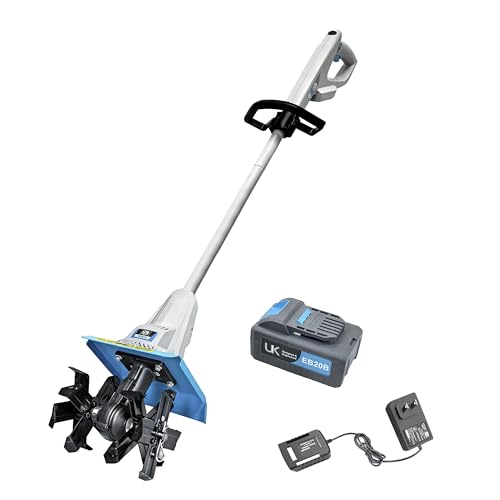
RB 40V Cordless Tiller Cultivator

GARDTECH 4-Inch Cordless Tiller with 2.0Ah Battery

GARDTECH 4-Inch Cordless Tiller with Two Batteries

BILT HARD 46cc 4-Cycle 16-Inch Tiller

Thunderbay 52cc 2-Cycle Cultivator
A Deeper Look At The Lineup
A three-foot-wide bed leaves little room to turn a full-size machine. The Makita A-53017 Cultivator takes a narrower approach, providing a 3.3-pound attachment for the MKR0250H management machine and for ribbing or intertilling soil.
Its appeal is focused rather than universal. You gain a purpose-built cultivation attachment, but you need compatible Makita equipment for it to serve you well.
Everyday Advantages
- Its light 3.3-pound weight reduces strain during short cultivation sessions.
- Intertilling lets you work between rows without disturbing nearby plants.
- The listed protection plan includes breakdown coverage after the manufacturer’s coverage period.
Practical Considerations
- This is an attachment rather than a standalone cultivator, so check the MKR0250H connection before ordering.
- Its specialized functions may be unnecessary for anyone who needs a battery or gas model for an entire bed.
Feature Snapshot
Built With In Mind
You benefit most from this option when you already own the compatible Makita machine and need light cultivation between rows.
Another Choice May Suit
Gardtech 4-Inch Cordless Tiller with 2.0Ah Battery suits you better when you want a standalone tool for a small raised bed.
Stone paths, tight corners, and flower beds can make a full-size tiller awkward to control. The RB 40V Cordless Tiller Cultivator removes the trailing power cable, making it a more natural fit for confined garden spaces.
Its brushless motor operates at 260 RPM, a rate intended to break soil while the cordless format keeps handling simpler. Depending on the soil, you may find this model more suitable for routine bed preparation than demanding plot-wide work.
Everyday Perks
- The 40-volt battery eliminates cable management around beds and paths.
- Brushless motor construction avoids conventional carbon brushes inside the motor.
- The 260-RPM speed suits cultivation in flower beds and small vegetable patches.
- Listed support is available around the clock for qualifying coverage questions.
Things To Weigh
- Battery capacity becomes important during dense soil, so keep the charger accessible during larger jobs.
Made For
You get the most from this model when you work around narrow beds and value cordless movement over wide tine coverage.
Where A Sibling Pick Shines
GARDTECH 4-Inch Cordless Tiller with Two Batteries suits you better when uninterrupted operation and documented tilling dimensions matter more.
A single raised bed often needs preparation, not a major excavation. This GARDTECH model uses four hardened 65Mn steel tines, where 65Mn denotes a manganese steel grade, to loosen soil across a stated 4-inch width and depth.
Its 235-RPM rotation offers a straightforward starting point for new gardeners. The included 2.0Ah battery also keeps the starting point manageable, although that single-battery arrangement may interrupt a longer session.
What It Does Well
- The four-inch working width fits between closely planted rows.
- Hardened steel tines provide a more substantial working edge than lightweight scratchers.
- Its cordless design lets you move between beds without managing an extension cord.
Small Caveats
- The four-inch width requires several passes for anything wider than a narrow bed.
- One 2.0Ah battery may need recharging before a lengthy project is complete.
- The listed malfunction coverage follows the manufacturer’s coverage period, and plan terms vary.
Who Will Love This
You benefit most from this cultivator as a first cordless tool for flower beds, short rows, and lightly worked soil.
Look Elsewhere When
RB 40V Cordless Tiller Cultivator may suit you better when a higher stated rotation speed matters more than documented depth and width.
The two-battery version addresses the main interruption in a basic cordless setup. While the GARDTECH 4-Inch Cordless Tiller with Two Batteries shares the 235-RPM cultivation approach of the single-battery version, it gives you a more practical rhythm for longer projects.
Four hardened steel tines work across a stated 4-inch width and depth. For most home beds, that remains a controlled tool rather than a machine for opening a neglected field.
Practical Pluses
- Two 2.0Ah batteries let you continue working while one battery recharges.
- Four hardened tines handle soil loosening in rows and compact planting areas.
- The four-inch width offers precise control around flowers and vegetables.
- Its compact cordless format simplifies storage compared with a gas-powered tiller.
Where It May Fall Short
- The narrow tilling path means additional passes across wider sections.
- Two batteries require more charging space and storage planning.
Quick Facts
The Right Fit
You benefit most when you want cordless cultivation across several small beds without pausing for a single-battery recharge.
Swap It Out When
Thunderbay 52cc 2-Cycle Cultivator suits you better when you need wider gas-powered tilling without managing battery charging.
A larger vegetable plot calls for more coverage than a four-inch hand cultivator can offer. The BILT HARD 46cc 4-Cycle 16-Inch Tiller uses steel tines across a stated 16-inch width, giving you a more substantial path through prepared soil.
Its 1.9-horsepower gas engine and four-cycle design suit gardeners ready to handle fuel preparation. Adjustable wheels and cushioned handle grips add control, although the package is less suited to narrow paths than the cordless options.
What Works In Its Favor
- The 16-inch tilling width covers garden rows more quickly.
- Steel tines are suited to breaking soil across larger plots.
- Adjustable wheels assist with positioning and controlled movement between passes.
- Cushioned grips soften the feel of a gas-powered working session.
Possible Compromises
- Gas and oil require separate handling in the four-cycle fuel system.
- The wider tilling path needs more maneuvering room than a compact cordless cultivator.
- Outdoor storage must accommodate a bulkier machine and its separate fuel components.
Best Suited To
You benefit most from this model when maintaining broad vegetable rows or larger prepared garden sections.
Reach For A Different Pick When
GARDTECH 4-Inch Cordless Tiller with 2.0Ah Battery suits you better for a small raised bed where simple storage and cordless use take priority.
Seasonal work often means moving the cultivator from storage to the garden and back again. The Thunderbay 52cc 2-Cycle Cultivator uses a foldable, tool-free assembly design, which makes that transition more straightforward.
Four forged steel tines cover an adjustable width from 6 to 12 inches and a stated depth of 6 inches. That range gives you room to work between rows and then handle broader patches, depending on the planting layout.
A Few Highlights
- Adjustable tilling width suits both narrow rows and wider areas.
- The foldable body simplifies storage between gardening sessions.
- Tool-free assembly reduces setup steps.
- A U-shaped handle is designed to limit bouncing and jumping.
Details To Watch
- The two-cycle engine requires you to mix oil with the fuel.
- Its fuel-powered setup needs more storage attention than a battery cultivator.
Feature Rundown
Whose Shelf It Belongs On
You benefit most when you need portable gas-powered cultivation across mixed-width garden rows and seasonal plots.
Consider Something Else When
Makita A-53017 Cultivator suits you better when you already own compatible Makita equipment and need a lightweight soil-working attachment.
Match The Machine To Your Garden
Match Power To Bed Size
A small cultivator is judged partly by the area it can cover. The GARDTECH models work within a 4-inch width, which offers useful control around flowers and short rows. The BILT HARD 46cc 4-Cycle 16-Inch Tiller covers more ground per pass, making it better suited to broad vegetable plots.
Thunderbay offers another middle ground with an adjustable 6-to-12-inch range. For a single small bed, that flexibility may be less important than simple cordless handling. You can also compare the RB 40V Cordless Tiller Cultivator when your priority is maneuvering through confined spaces.
Check Battery And Fuel Requirements
Cordless models remove extension cords and reduce moving parts associated with fuel mixing. The single-battery GARDTECH option may require more charging pauses, while the two-battery version lets one battery recharge while the other supports work.
Gas-powered cultivators provide continuous operation once fueled, but they introduce fuel handling, engine maintenance, and separate storage. The BILT HARD uses a four-cycle system that separates gasoline from oil, while the Thunderbay uses a two-cycle system that requires you to mix oil into the fuel.
Measure Storage And Working Clearance
Cultivator width is only one part of the storage equation. You also need room for the handle, battery charger, or fuel container, and enough clearance to guide the tines without catching nearby plants.
The Makita attachment stores differently because it connects to a management machine. That makes host-equipment compatibility essential. Check your existing equipment, bed width, and storage location before choosing, because the compactest tine width does not always produce the simplest overall ownership experience.
Mistakes Worth Avoiding
Common Shopping Slip Ups
Choosing by engine or battery power alone can leave important gaps. Match the working width to your rows, check whether you need a standalone tool or attachment, and account for storage space.
Also consider the soil. A four-inch path works well for precise bed work, while a wider gas-powered model covers broad plots more efficiently. Clear stones and dense roots from the working area before operating any cultivator.
What The Higher Tier Buys
More capability often appears as wider coverage, greater depth, adjustable tines, or additional batteries. Those upgrades can reduce repeated passes and make longer projects less disruptive.
The right upgrade depends on your workload rather than a number of features. A large plot may benefit from a 16-inch gas tiller, while a narrow patio garden may be better served by a compact cordless model with a clear path around every bed.
Frequently Asked Questions for Small Cultivator Tiller
Are cordless or gas cultivators better for small gardens?
Cordless cultivators suit small gardens because they move easily around beds without a power cord. Gas models suit broader plots and longer continuous work, but they require fuel handling and more storage space.
What width should I look for in a small cultivator?
A four-inch width works well for flower beds and closely spaced rows. Wider models cover larger plots faster, so match the width to your rows rather than choosing the largest option available.
How deep should a garden tiller cultivate?
A tiller that reaches four inches suits many routine bed-preparation tasks. Greater stated depth becomes useful for deeper loosening, but you still need to work gradually and avoid buried obstacles.
Do I need two batteries for a cordless tiller?
Two batteries improve workflow when one can recharge while the other is in use. A single battery may be sufficient for short sessions on light soil, depending on its condition and the size of your project.
Can a cultivator attachment replace a standalone tiller?
An attachment can replace a standalone model for compatible equipment and suitable soil work. You still need a separate cultivator for unrelated beds, and you should confirm the connection and intended tasks before purchasing.
Final Thoughts
A four-inch cordless cultivator offers the easiest handling for flower beds and short rows, while the two-battery GARDTECH version suits longer projects. Gas-powered options become more practical when coverage and sustained soil work take priority, and the Makita attachment serves owners of compatible equipment best. Match the tool to your actual bed dimensions, storage conditions, and preferred maintenance routine before making your choice.
