

Container plants rarely need one feeding approach for every stage of growth. Seedlings, hanging baskets, vegetable beds, and lawns have different nutrient and timing needs, so the 2026 shortlist separates slow-release granules from water-soluble plant food and microbial root treatments. You’ll find a practical match for iron-hungry annuals, mixed houseplant collections, transplants, and broad garden maintenance.
A Quick View Of The Lineup

Jack’s Classic 20-6-22 Petunia Feed 8oz

Schultz 1012 Plant Food Plus

Great White Mycorrhizal Root Powder 8 oz
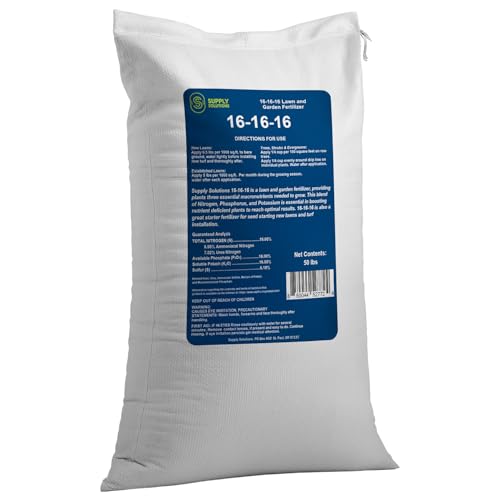
Supply Solutions 16-16-16 Lawn & Garden Granular Fertilizer 50 lbs

Supply Solutions 10-10-10 Granular Fertilizer with Micronutrients 50 lbs
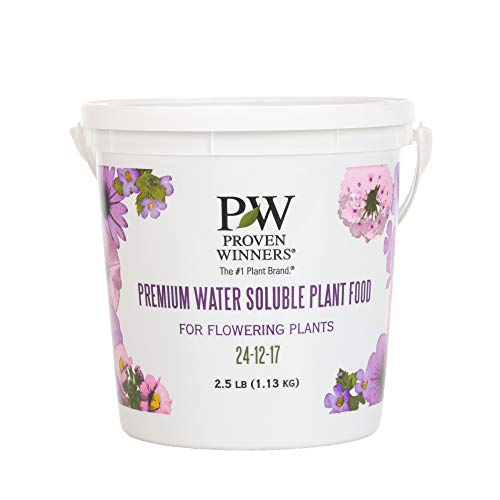
Proven Winners Water Soluble Plant Food 2.5 lb
Inside Each Recommended Option
A hanging basket full of petunias can look hungry quickly, especially when the roots struggle to take up iron. Jack’s Classic 20-6-22 addresses that specific need with a relatively low phosphorus level and added micronutrients, making it more targeted than a general-purpose lawn feed.
For most annual displays, the flexibility is useful. The powder can be applied to leaves, roots, or a continuous feeding system, so you can choose the method that suits your setup. This is soluble plant food rather than a slow-release granular, though.
Everyday Advantages
- The 20-6-22 analysis supports green foliage and flowering annuals that have difficulty accessing root-zone iron.
- One product supports foliar, root, and continuous-feed applications.
- Water-soluble powder mixes into larger volumes for baskets, containers, and garden beds.
- A measuring spoon helps keep diluted batches consistent.
Points To Note
- The 8-ounce size suits targeted plant care rather than large-area lawn maintenance.
- Petunias, calibrachoa, bacopa, verbena, vinca, and salvia are the clearest fits for this formulation.
Feature Snapshot
Who Will Love This
You will get the most from this formula in hanging baskets, window boxes, and containers filled with petunias or similar iron-hungry annuals.
Consider Something Else When
Choose Supply Solutions 10-10-10 Granular Fertilizer with Micronutrients instead when you want gradual root-zone feeding across a lawn or broad garden bed.
Schultz 1012 Plant Food Plus takes the guesswork out of routine watering. Its concentrated drops mix with a quart of water, giving you a simple way to feed indoor and outdoor plants without measuring grams of powder.
For a mixed collection of houseplants, flowers, and garden containers, that convenience matters. The 10-15-10 formula also carries more phosphorus than Jack’s Classic 20-6-22, which makes it a different tool for plants at transplanting, repotting, or rooting stages.
Features That Help
- Seven drops per quart of water make small, repeatable batches easy to prepare.
- One liquid treatment suits indoor and outdoor plants.
- Higher phosphorus content supports transplanting and root-establishment needs.
Where It May Fall Short
- Its general-purpose analysis is less tailored than Jack’s Classic 20-6-22 for iron-dependent annuals.
- The 8-ounce container is compact, so frequent watering can consume it quickly.
- Liquid feeding requires a regular schedule and does not provide the prolonged release associated with coated granules.
The Right Fit
This pick suits beginners caring for several plant types across windowsills, patios, and small outdoor containers.
Look Elsewhere When
Proven Winners Water Soluble Plant Food 2.5 lb is the stronger fit for a large collection of fast-growing, heavy-flowering annuals.
Great White takes a different route from the NPK products in this lineup. Its root powder combines mycorrhizal fungi, which form beneficial partnerships with plant roots, with bacteria that support the soil around them.
For a transplant or seed-starting project, that root focus can be more relevant than adding more nitrogen. The formula is designed to support germination, rooting, and nutrient uptake, which makes it a close companion to Schultz 1012 rather than a direct replacement.
A Few Highlights
- Mycorrhizal fungi support the development of plant-root relationships.
- Beneficial bacteria add a different form of support beneath the soil surface.
- The root emphasis suits seedlings, transplants, and recently repotted plants.
- Microbial activity can support access to nutrients already present in the growing medium.
- The concentrated 3-in-1 format keeps root care separate from routine NPK feeding.
Practical Considerations
- It does not provide a conventional nitrogen-phosphorus-potassium analysis like the other picks.
- Established flowering plants focused on bloom production need a more direct nutrient feed.
Core Details
Made For
You will appreciate this treatment while starting seeds, moving young plants into containers, or preparing rooted plants for a new growing space.
Where A Sibling Pick Shines
Schultz 1012 Plant Food Plus is more practical for routine feeding of an established collection that already has healthy roots.
Managing a large lawn or a generous vegetable plot often calls for more fertilizer than a shelf bottle can provide. The 50-pound Supply Solutions bag answers that scale, pairing an equal 16-16-16 NPK analysis with a broad lawn-and-garden application.
For large, vigorous plantings, that higher analysis offers a substantial nutrient profile. Compared with Supply Solutions 10-10-10, it supplies more of each primary nutrient, so matching the label rate to the crop and soil becomes especially important.
Bright Spots
- The 50-pound package reduces container refills for large grounds.
- Equal nitrogen, phosphorus, and potassium percentages support balanced maintenance.
- Granular form suits broadcast-style lawn and garden feeding.
- One product covers plants, vegetables, fruits, and berries.
Some Limits To Know
- The concentrated 16-16-16 analysis calls for careful label-directed application.
- A 50-pound bag needs dry, manageable storage space and creates bulk to handle.
- Its listing does not identify a controlled-release coating, so do not treat it as slow release by appearance alone.
Best Suited To
This fertilizer fits gardeners maintaining sizable lawns, vegetable plots, and mixed beds where a 50-pound supply is practical.
Another Choice May Suit
Supply Solutions 10-10-10 Granular Fertilizer with Micronutrients suits you better when gentler nutrition and gradual nutrient release are priorities.
This is the clearest slow-release option in the group. Supply Solutions uses uniform granules that break down gradually, moving nutrients into the root zone instead of concentrating the full feeding in one immediate application.
On many lawns and vegetable gardens, that measured release is the main attraction. The 10-10-10 analysis, five included micronutrients, and 50-pound bulk package also make it a broad maintenance tool, though soil testing remains important before choosing an application rate.
Benefits That Matter
- Gradual breakdown supports steadier nutrient availability near roots.
- Equal 10-10-10 percentages deliver a balanced primary nutrient profile.
- Boron, manganese, copper, iron, and zinc supplement the three main nutrients.
- Low-dust granules spread evenly and blend with compost or other NPK products.
- The 50-pound bag suits larger lawns, gardens, and crop areas.
Details To Watch
- The stated 10-40-pound-per-acre range depends on soil-test results, so use the rate that matches your conditions.
- Bulk storage and handling are less convenient than a small bottle or drop formula.
Quick Facts
Whose Shelf It Belongs On
You will value this fertilizer for a lawn, vegetable garden, or mixed landscape that benefits from gradual feeding and additional micronutrients.
Reach For A Different Pick When
Jack’s Classic 20-6-22 Petunia Feed 8oz is the better fit for container annuals that need a targeted, water-soluble formulation.
Color baskets and window boxes can consume a surprising amount of nutrition during active growth and flowering. Proven Winners Water Soluble Plant Food 2.5 lb addresses that demand with a fast-dissolving 24-12-17 formula made for vigorous, bloom-heavy annuals.
For a seasonal display, the higher nitrogen level supports leafy growth, while phosphorus and potassium serve flower and plant development. Compared with Jack’s Classic 20-6-22, it has more nitrogen and potassium and comes in a larger 2.5-pound package.
Useful Touches
- Fast-dissolving granules simplify regular watering-based feeding.
- The 24-12-17 analysis supports fast-growing annuals with abundant flowering.
- A 2.5-pound container serves more plants than a small drop bottle.
- The formulation suits annual displays during active growth periods.
Details To Watch
- Water-soluble nutrition calls for regular application rather than gradual release.
- The concentrated analysis is more specialized than the 10-15-10 formula in Schultz 1012.
Key Attributes
Built With In Mind
This pick suits you when seasonal containers and flower baskets need consistent nutrition for rapid growth and repeated flowering.
Swap It Out When
Great White Mycorrhizal Root Powder 8 oz makes more sense during seed starting or transplanting, when root development matters more than routine flower nutrition.
How to Match Feeding Style to Your Plants
Start With the Release Pattern
Slow-release fertilizer releases nutrients over time, so you do not have to apply the full feeding at once. Water-soluble products deliver nutrients sooner and require a more regular schedule, while microbial treatments support roots and soil biology rather than replacing an NPK feed. Compare the label’s release description with your watering routine before choosing.
Read the NPK Numbers
NPK represents the percentages of nitrogen, phosphorus, and potassium in the fertilizer. Nitrogen supports leafy growth, phosphorus supports flowers and root development, and potassium contributes to overall plant vigor. Equal ratios suit general maintenance, while a 24-12-17 blend favors fast-growing, flowering annuals.
Match the Formula to Plant Life
Petunias and similar annuals can benefit from the targeted 20-6-22 formulation, while young transplants may respond better to root-zone support. Lawns and vegetable grounds call for bulk granular coverage, and mixed houseplant collections often favor the simplicity of a drop-based liquid.
Account for the Practical Side
Storage, spreading, and application rate can matter as much as nutrient content. You need manageable storage for a 50-pound bag, clean measuring for concentrated liquids or powders, and a clear watering schedule for soluble formulas. A soil test offers the most useful starting point for choosing an acreage-based rate.
Matching Release, Nutrients, and Plant Needs
Mistakes Worth Dodging
A slow-release label alone does not tell you the nutrient balance or application rate. Check the NPK analysis, release duration, and suggested coverage before spreading anything. Applying a concentrated granular evenly also takes more attention than mixing a small liquid batch.
What Separates Premium From Basic
Higher-tier products may add controlled-release technology, broader micronutrient coverage, or larger bulk capacity. Those features can help when you want steadier feeding or a specialized annual-plant formula. For a few containers, a smaller targeted product may fit more comfortably than a large premium bag.
Frequently Asked Questions for Slow Release Fertilizer
What is slow release fertilizer?
Slow release fertilizer feeds plants gradually as its granules break down in soil. This reduces the need for several quick applications during the growing period.
Which product in this list uses gradual release?
Supply Solutions 10-10-10 Granular Fertilizer with Micronutrients 50 lbs is the clearest choice. Its granules break down gradually and release nutrients into the root zone.
Can slow release fertilizer replace liquid plant food?
Not in every situation. Some plants benefit from quick liquid nutrition during active growth, while slow-release granules suit steadier maintenance.
Which option is best for petunias?
Jack’s Classic 20-6-22 Petunia Feed 8oz is tailored to petunias and other iron-hungry annuals. Proven Winners also supports flowering annuals through a more general soluble formula.
How do you choose an NPK ratio for a garden?
Choose a balanced ratio for general plant care and a higher nitrogen ratio for foliage-heavy growth. Flowering crops often benefit from more phosphorus and potassium.
Final Verdict
Supply Solutions 10-10-10 Granular Fertilizer with Micronutrients 50 lbs is the most direct choice for gradual, root-zone feeding across a lawn or garden. Container annuals call for more targeted soluble options, while seed starts and transplants benefit from root-support treatments. Match the feeding method to the plant, then follow the label and your soil conditions.
