

A Texas yard needs shade that can handle hot summers, but the right choice depends on how much room you have and whether you want a mature canopy, flowering color, or quick screening. The live oaks offer substantial shade over time, while the smaller vitex delivers faster screening and summer flowers. Artificial topiaries and seed packets suit different projects, so your first step is deciding whether you want a permanent tree, a decorative accent, or a colorful planting for a bed or meadow.
The Main Contenders

Shoal Creek Vitex Chastetree 1 gal., 2 Trees
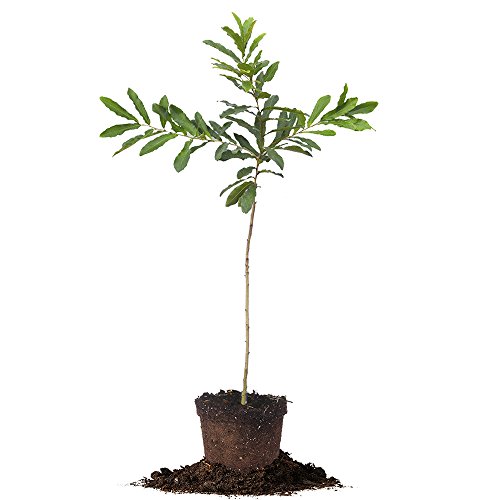
Sawtooth Oak 5-6 ft Live Plant

Shumard Oak 2-3 ft, 2 Trees

Vitalismo Cedar Topiaries 3 ft

California Poppy Seeds 20,000 Orange

Texas Bluebonnet Seeds 750+
For a patio that needs seasonal screening without waiting for a large oak, the Shoal Creek vitex is a practical fit. Its violet flower clusters appear through summer, bringing color to decks and porches while the aromatic foliage adds another sensory detail. Unlike the oaks in this list, it reaches only about 12 feet tall and wide at maturity.
Two 12- to 18-inch trees in one-gallon pots make coordinated planting practical. For most southern gardens, the combination of rapid growth, heat tolerance, and a stated hardiness range of Zones 6-9 gives this small tree a clear advantage over choices that need years to become visually substantial.
The Value In It
- Long violet flower spikes bring color across the warm growing season.
- Fragrant leaves add interest beside patios, decks, and porches.
- Butterflies can use the nectar-rich flowers as a seasonal gathering point.
- Its moderate mature size suits yards where a 60-foot oak would overwhelm the space.
Practical Considerations
- Allow room for a canopy that can eventually reach roughly 12 feet across.
- It is deciduous, so winter screening and shade differ from an evergreen crop.
Quick Facts
Made For
Homeowners with patios, decks, or small yards who want fast screening and summer flowers without a massive canopy.
Consider Something Else When
Choose the Sawtooth Oak instead when a broad, long-lived shade canopy matters more than compact size or abundant flowers.
A 5- to 6-foot Sawtooth Oak gives your landscape a more developed starting point than a small nursery tree. That head start makes sense on a spacious property, particularly near a patio, lawn, or paved area that will benefit from a spreading canopy as the tree matures.
Its large, visibly serrated leaves give the tree more texture than the smaller-flowering vitex. The foliage also shifts through orange and red in autumn, while acorns provide late-season interest for local wildlife, giving this oak more seasonal roles than a plain shade tree.
What Works In Its Favor
- Large, textured leaves create a strong visual presence.
- Bright orange and red autumn foliage add seasonal color.
- Acorns attract deer and other local wildlife.
- Included fertilizer and a planting guide support the initial planting process.
Room For Improvement
- A mature spread of 40-60 feet requires considerable space away from buildings and utilities.
- Its large size makes it unsuitable for many compact urban lots.
- The listing does not ship to Arizona or California.
At A Glance
Right Fit For
You need a generous yard, especially with open lawn or a wide planting zone where a large spreading tree can develop naturally.
Another Choice May Suit
The Shumard Oak is the better fit for compact soil, urban conditions, or a site with less dependable drainage.
Where soil is compacted, drainage is imperfect, or rainfall is inconsistent, the Shumard Oak brings a reassuring set of tolerances. Drought tolerance, poor-drainage tolerance, and an ability to handle compacted soil and air pollution make it a sensible option for demanding urban or developing landscapes.
Its eventual size is substantial, reaching 60-80 feet in height with a 40- to 60-foot spread, but it grows at a medium rate. That slower development makes the 2- to 3-foot nursery trees a long-term landscape investment rather than an instant canopy solution.
Why It Works Well
- Handles drought and compacted soil more readily than many planting sites permit.
- Can cope with poor drainage and air pollution in urban settings.
- Autumn foliage adds color as the growing season changes.
- Acorns attract squirrels, deer, and turkeys.
- Two trees allow a paired or grouped planting.
Where It May Fall Short
- The mature canopy is large, so careful placement near structures and utility lines matters.
Who Will Love This
You will appreciate this oak for urban yards, new developments, and sites where drought, compaction, or drainage complicate planting.
Look Elsewhere When
Choose the Shoal Creek Vitex for a smaller tree that combines quick screening with fragrant foliage and violet flowers.
A doorway, office entrance, or commercial display can benefit from greenery without a planting hole or a waiting period. The Vitalismo set supplies two 3-foot cedar-look topiaries for symmetrical placement, and the bendable branches and leaves let you reshape them for a particular corner.
This is decorative foliage rather than living shade. You gain visual texture and a flexible arrangement, but no cooling canopy, seasonal leaf change, or wildlife habitat, which separates it sharply from the three live trees in this roundup.
A Few Strong Suits
- Two matching forms make balanced entrance displays easier.
- Adjustable branches help the shape fit different spaces.
Small Caveats
- The topiaries provide visual greenery but not actual shade.
- The 3-foot height suits visible accents more than broad screening.
- Confirm the container and base arrangement before placing them in a high-traffic area.
Feature Snapshot
Built With In Mind
You want an instant decorative accent for an entrance, office, patio, or commercial space where planting a tree is impractical.
Reach For A Different Pick When
The Shumard Oak fits better when you need a living canopy, drought tolerance, and long-term wildlife value.
The California poppy packet brings a different kind of impact to a Texas landscape. Its vivid orange flowers can fill borders, beds, and meadow-style plantings with color, making it useful beside a young tree that will not cast substantial shade for several years.
With 20,000 seeds and an indicated coverage of up to 200 square feet, this is a generous packet for broad plantings. Direct sowing in fall suits mild-winter regions, while early spring is the better timing in colder climates; well-drained soil and full sun support the strongest flowering.
Reasons It Performs
- Golden-orange blooms create strong seasonal color.
- The 20,000-seed count supports expansive beds and meadow planting.
- Direct sowing works well for informal, naturalized borders.
Things To Weigh
- These annual flowers add color but do not create a shade canopy.
- Poorly drained soil can weaken establishment, so drainage deserves attention before sowing.
Best Suited To
You want a sunny, colorful ground-layer planting that fills open spaces around patios, fences, or young shade trees.
Swap It Out When
Choose Texas Bluebonnet Seeds when blue-violet flowers with white tips better match your planting palette.
