

A rose bed rewards clean, thoughtful cuts, whether you’re shaping new growth, removing spent blooms, or cutting back a thorny stem. The right shears can reduce hand strain, match the job to the branch size, and help you work around a busy garden without struggling for control.
The Choices Worth Comparing

GVHOMILOV Q-Shaped Pruning Shears

DECERK 5mm Foam-Grip Bypass Shears

GROWNEER 3-Pack 6.5-Inch Steel Pruning Shears
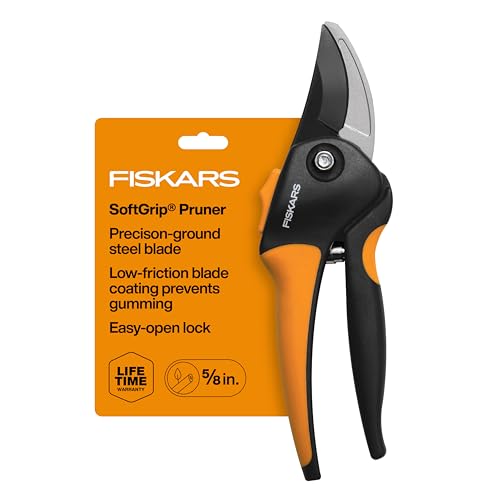
Fiskars SoftGrip Bypass Shears

DECERK 8.5-Inch Pro Pruning Shears
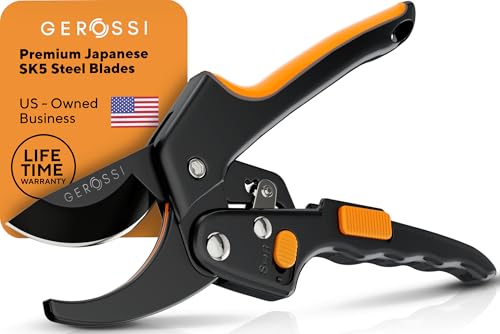
GEROSSI Ratchet Pruning Shears
The Details Behind The Selections
The Q-shaped handle gives this model a distinctive feel in your palm, with the curved profile intended to keep your fingers from sliding during precise rose work. Its spring-assisted return can keep your hand from reopening the blades after every snip, which makes the design appealing during repeated deadheading or shaping.
Compared with the cushioned DECERK model, this pair offers a lighter, more traditional grip style. You may find that more natural for general garden use, though the Q shape can take a little practice to master.
Benefits That Matter
- The curved handle supports a controlled grip around narrow stems.
- The high-tension spring returns the blades for quick, repeated cuts.
- A listed 50% fatigue reduction makes the spring relevant during long sessions.
- SK5 cutting steel provides a firm edge material for routine pruning.
Points To Keep In Mind
- The spring and curved handle add mechanisms that can catch sap or need wiping after use.
- Its ergonomic shape may feel unfamiliar during your first few cuts.
Feature Snapshot
Who It Suits Best
You’ll appreciate this model most for frequent deadheading and routine shaping with light to medium rose stems.
Where Another Pick Suits Better
Choose DECERK 8.5-Inch Pro Pruning Shears instead when your roses have thicker woody branches to cut.
Foam grips make this the most comfort-focused option here, spreading pressure across prominent parts of your palm and fingers. That design can be useful during a long pruning session or whenever ordinary narrow handles leave your hand feeling sore after repeated squeezes.
Bypass blades pass one another like scissors, leaving a narrow cutting action suited to living rose stems. Compared with the Q-shaped GVHOMILOV pair, this model prioritizes padded contact and leveraged cutting rather than spring-assisted opening.
What It Does Well
- The 5mm cushioning softens pressure without adding a rigid outer shell.
- Optimized leverage helps you complete cuts with less hand closure.
- A listed 3/4-inch capacity covers fresh stems and small branches.
- The bypass action supports controlled work around nearby healthy growth.
Soft Spots
- The thicker foam grips may take up more space in a small tool pouch.
- Its 3/4-inch limit still leaves very thick branches for a larger pruner.
- Foam can hold moisture after wet garden use, so wiping it dry is sensible.
Core Details
Built With In Mind
You’ll get a comfortable fit if arthritic or tired hands make firm, narrow grips difficult during rose maintenance.
A Better Fit Elsewhere
GEROSSI Ratchet Pruning Shears suit you better when most of your work involves thicker stems that benefit from stepped leverage.
Three 6.5-inch snips give you a practical set for a home with several rose beds, shared garden space, or multiple outdoor work areas. The compact size also makes them easier to tuck into a tool tote than a full-size pruning saw or lopper.
Straight stainless steel blades suit quick shaping and small stem work, while the spring-loaded opening reduces the need to hold your fingers wide. Compared with the single Fiskars pair, this set distributes the work but does not add cutting capacity.
Noteworthy Benefits
- Three pairs let you keep one within reach at home and place the others where needed.
- The 6.5-inch size supports controlled, one-handed snipping on small plants.
- Stainless steel provides a practical blade material for light garden use.
- Automatic spring opening helps maintain a relaxed hand rhythm.
Minor Gripes
- The smaller format is better suited to light stems than established woody branches.
- Three similar tools can be difficult to distinguish quickly once they’re out of sight.
The Right Fit
You’ll find this three-pack useful for light rose care, small gardens, and keeping a spare pair close at hand.
Another Choice May Suit
Fiskars SoftGrip Bypass Shears offer a larger single-tool setup with a 5/8-inch cut capacity and sap groove.
The self-cleaning sap groove is the detail that matters most here, especially when you prune rose stems after rain or handle growth coated with sticky sap. It gives the blades a path for residue to move away from the cutting area, which supports smoother repeated work.
Its 5/8-inch capacity handles small branches while the non-slip SoftGrip handle supports steady control. Compared with the GROWNEER trio, you get one established format with more material at the cutting end, rather than several compact snips.
The Value In It
- The steel blade provides a firm cutting surface for stems and small branches.
- The sap groove helps keep sticky residue away from the blade junction.
- Non-slip grip material adds control during damp or awkward garden positions.
- A 5/8-inch capacity covers common rose-care work without moving to loppers.
Practical Considerations
- The 5/8-inch limit is below the 3/4-inch capacity listed for two DECERK models.
- You’ll need separate loppers or a saw for dense branches beyond its range.
Key Product Details
Made For
You’ll appreciate this model for regular pruning of rose stems and small branches where sap and grip control matter.
Look Elsewhere When
DECERK 8.5-Inch Pro Pruning Shears make more sense for pruning thicker branches near the 3/4-inch limit.
The 8.5-inch frame gives this pruner more leverage and room in your hand than the compact GROWNEER snips. That scale becomes useful on mature rose plants, where you may be handling stems that are less willing to yield to a small pair of blades.
A titanium-coated SK5 blade and a listed 3/4-inch capacity push this model beyond the routine deadheading range. Compared with the cushioned DECERK bypass shears, the emphasis shifts from soft hand contact to stronger branch capacity and reinforced construction.
Notable Upsides
- The 8.5-inch body supports controlled cutting of thicker rose growth.
- Three-layer titanium coating adds protection to the SK5 steel blade.
- Anodized aluminum handles provide a substantial but manageable frame.
- The 3/4-inch rating covers fresh stems and small woody branches.
Trade Offs To Consider
- The larger frame takes more room in a compact garden pouch.
- Its weight and length may feel unnecessary for frequent deadheading.
Whose Shelf It Belongs On
You’ll get the most use from this model if your roses develop thicker canes and branches that smaller snips struggle to close around.
Reach For A Different Pick When
GROWNEER 3-Pack 6.5-Inch Steel Pruning Shears better serve light trimming across multiple small work areas.
Two working modes make this pair unusually adaptable for a mixed pruning session. You can use the conventional single-cut action for ordinary stems, then switch to a three-step ratchet for branches that need more force without demanding one hard squeeze.
The ratchet mechanism, which builds leverage as you close the handles, offers a different approach from the longer DECERK pruner. You may value the stepped action for stubborn stems, though the mode switch adds complexity compared with a conventional bypass tool.
Positive Points
- Two cutting modes cover routine work and tougher branches in one tool.
- The three-step ratchet accumulates leverage as the handles close.
- Single-cut mode keeps common trimming straightforward.
- The adaptable design suits mixed rose-care sessions.
Where It May Fall Short
- The two-mode design takes more attention than a standard pruning shear.
- Ratchet use requires several handle closures on resistant wood.
Quick Facts
Who Will Love This
You’ll enjoy the flexibility if one rose bed contains both delicate new growth and dense older branches.
Swap It Out When
Fiskars SoftGrip Bypass Shears offer a simpler choice when nearly every cut involves light stems and small branches.
What Matters Before You Buy Rose Pruning Shears
Blade Action and Cut Shape
Bypass shears use two curved blades that slide past one another, making them well suited to living stems and narrow spaces around rose thorns. The action differs from an anvil-style tool, which presses a stem against a flat surface. For routine shaping and deadheading, look for a bypass profile and a blade that can reach close to a branch without crushing surrounding growth.
Grip Comfort and Session Length
Your grip matters more than any decorative detail during a long afternoon in the garden. Foam cushions pressure points, while molded or rubberized handles create friction and control. A spring return can also reduce the effort of reopening the blades repeatedly, making the GVHOMILOV Q-Shaped Pruning Shears and other spring-assisted designs worth considering for frequent trimming.
Capacity Against Control
A 5/8-inch cut capacity covers many small rose stems, while 3/4-inch models accommodate thicker fresh growth. Don’t buy extra capacity you will never use, as larger frames can feel cumbersome for delicate work. Match the tool to your largest routine stem, not the most difficult branch you might encounter once.
Your Garden’s Work Pattern
Light deadheading calls for compact snips, while mature roses may justify a longer, heavier pruner. A multi-pack helps when you divide gardening tasks between several areas, and a dual-mode tool suits mixed branch sizes. For a single home bed, a well-fitted bypass pair with a comfortable grip remains the simplest approach.
Avoiding Common Rose-Pruning Errors
Mistakes Worth Dodging
Avoid choosing by capacity alone, since a larger cutting range does not guarantee better control on delicate stems. Check your grip size, spring action, and storage space together before buying, especially if you prune for long periods or share tools with someone else.
What The Higher Tier Buys
Higher-tier pruners often add blade coatings, layered steel construction, larger handles, or ratchet mechanisms. Those features matter when your roses have thick canes or you prune regularly, but simpler shears can handle light deadheading and shaping without extra bulk.
Frequently Asked Questions
What size pruning shears are best for roses?
Six- to eight-inch hand pruners suit most rose beds, while compact six-inch snips work well for light stems. Choose a longer frame for thicker branches and a smaller one for frequent deadheading.
Are bypass shears better for rose stems?
Bypass shears are well suited to living rose stems because their blades make a narrow scissor-style cut. They help you trim closer to healthy growth than an anvil-style blade.
Do foam grips make pruning more comfortable?
Foam grips can cushion pressure points and spread grip pressure across your palm. They are especially useful when firm handles become uncomfortable during repeated cuts.
What branch capacity do I need?
A 5/8-inch capacity handles many small rose branches, while a 3/4-inch rating covers thicker stems. You’ll need loppers or a pruning saw for branches beyond either range.
Should I keep more than one pair of pruning shears?
Keeping two pairs helps separate delicate tasks from tougher work and prevents sharp tools from being used on unsuitable branches. A three-pack works well for multiple garden areas or shared households.
Final Verdict
Your best choice depends on the work: cushioned DECERK shears favor hand comfort, Fiskars handles regular stem work, and GEROSSI adds stepped leverage for tougher branches. Match the grip, capacity, and weight to your roses, then choose the model that feels controlled in your hand.
