

Leaf piles turn a quick lawn cleanup into a much longer project, especially when your yard has dense growth beneath the trees or your pool collects debris on a schedule. You need a rake that matches the surface, the amount of material, and the storage space you actually have. These six options cover pool skimming, lawn collection, soil cultivation, and wider garden raking.
Your Options, Compared
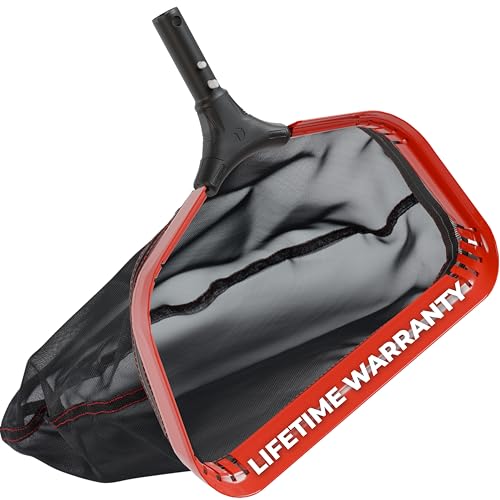
ProTuff 490 Promise Pool Leaf Rake

ProTuff 490 Promise Fine Mesh Pool Net

Gardena 3381 Combisystem Gather Rake Head

TOYPOPOR Gardeners Claw Rake
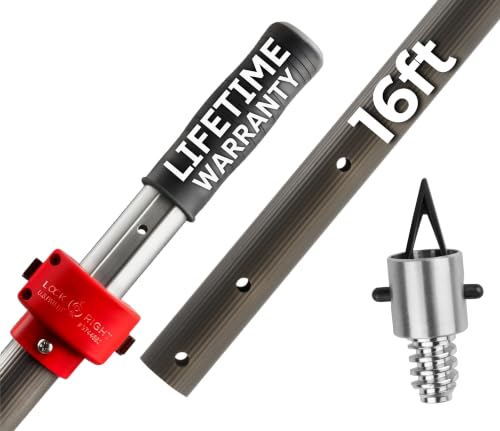
ProTuff 490 Promise 16ft Telescopic Pool Pole

Gardena Combisystem Plastic Sweep XXL
A Closer Look At Each Pick
A deep bag turns pool leaves into a contained cleanup rather than a trail of fragments across the deck. At 19.5 inches wide, the ProTuff 490 Promise is built for pulling floating leaves from the water, which makes it more useful than a basic surface skimmer for a yard where trees overhang the pool.
For a busy household pool, you can gather several loads before emptying the bag. It suits owners of larger pools better than people dealing with only a small amount of debris, and it differs from the ProTuff fine-mesh net, which prioritizes small particles over bulky leaves.
Advantages To Know
- The deep bag holds floating leaves before you need to empty it.
- A 19.5-inch width covers a useful section of the pool in each pass.
- The bag keeps wet debris gathered for a tidier deck-side disposal.
Points To Note
- Its wide, deep shape takes more room to rinse, dry, and store than a flat net.
- Fine silt requires a finer mesh, so this model is not the right choice for cloudy water with tiny particles.
Key Specs
Made For Pool Owners
You benefit most from this rake when overhanging trees drop substantial leaf debris into a medium or large pool.
A Better Fit Elsewhere
The ProTuff 490 Promise Fine Mesh Pool Net suits you better when your priority is collecting tiny particles from cloudy water.
Fine mesh makes the difference when a pool looks dirty even though the visible problem is silt rather than a layer of leaves. This 17.5-inch ProTuff net targets those smaller particles, giving you a more suitable tool for cloudy water than the broader leaf rake.
You may notice that fine material takes more attention to remove from the mesh after each pass, depending on the pool chemistry and filtration setup. The practical advantage is its narrower focus: this is a dedicated silt net, not a general-purpose skimmer for bulky debris.
What Works In Its Favor
- Fine mesh is suited to small particles that pass through wider skimmer openings.
- The 17.5-inch frame gives you a manageable reach without requiring a separate long pole.
- Its narrower debris focus makes it practical alongside a larger leaf collector.
Small Caveats
- It is less efficient for collecting large leaves than the deeper ProTuff pool leaf rake.
- Fine mesh needs regular cleaning, particularly for pools with heavier silt accumulation.
- It does not replace a rake designed to gather material from lawn soil.
Right Fit For Cloudy Pools
This net works best for you when fine suspended debris and silt are the main causes of cloudy pool water.
Another Choice May Suit
The ProTuff 490 Promise Pool Leaf Rake fits you better when overhanging branches contribute larger leaves to the cleanup.
Moving from pools to lawns, the Gardena 3381 is a 24-inch rake head designed to clear leaves and grass clippings. Its grass-trapping bar gathers material close to the ground, so you can collect loose yard debris without pushing it farther across the lawn.
You are buying the head rather than a complete handled rake, which is the key ownership consideration. A compatible handle is sold separately, so check that point before ordering, especially if you already own a Gardena Combisystem stem.
Good Reasons To Consider
- The grass-trapping bar helps collect clippings as well as fallen leaves.
- A 24-inch head provides useful coverage for a typical residential lawn.
- Using a compatible existing stem can reduce the number of separate tools in your shed.
Practical Considerations
- The handle is not included, making the total cost and storage footprint larger than a complete rake.
- Compatibility with your existing stem should be confirmed before purchase.
- It is intended for lawn debris rather than underwater pool cleanup.
Feature Snapshot
Who Will Love This
This rake head suits you if you already use Gardena Combisystem equipment and want a dedicated lawn tool for leaves and grass clippings.
Look Elsewhere When
The TOYPOPOR Gardeners Claw Rake fits you better for loosening and cultivating compact soil in a small garden bed.
The TOYPOPOR Gardeners Claw Rake shifts the task from gathering leaves to breaking up garden soil. Its steel claw tines dig into compacted earth, while the wooden handle gives you a natural grip for short, controlled passes around plants and bed edges.
For most small beds, this close-up tool gives you more control than a full-size lawn rake. It is not a leaf collector, though, and the Gardena 3381 is the more direct choice when your priority is removing leaves and clippings from turf.
Benefits That Matter
- Steel tines provide a firm working end for loosening compact soil.
- The wooden handle suits gardeners who prefer a traditional grip over a molded plastic shaft.
- Its compact size makes it easier to control inside planters and narrow beds.
- You can aerate disturbed soil by working through it before planting or reseeding.
Trade Offs
- It cultivates soil rather than gathering fallen leaves.
- Long or tangled roots may require more effort than loose, open ground.
- Reaching the center of a broad lawn is impractical with a hand tool.
Built With Small Beds In Mind
You benefit most from this claw rake when maintaining planters, compact garden beds, and tight spaces around established plants.
Reach For A Different Pick
The Gardena 3381 Combisystem Gather Rake Head suits you better for clearing leaves and grass clippings across an open lawn.
A 16-foot reach changes how you approach a deep pool, particularly when the deepest debris sits beyond comfortable wading distance. This telescoping ProTuff pole lets you handle compatible skimmers, nets, and brushes without leaning over the water.
For a large pool, the aluminum construction and locking mechanism support steady control at full extension. You still need a compatible cleaning head, and you should check that attachment before ordering because the pole is an accessory rather than a complete rake.
Why It Works Well
- The 16-foot extension reaches areas that are difficult to clean from the pool edge.
- Aluminum keeps the pole lighter than many similarly long alternatives.
- The locking design helps keep the pole steady while you move a tool through the water.
Worth Bearing In Mind
- You need a separate compatible skimmer, brush, or net to make the pole useful.
- Extended length can feel less maneuverable in narrow or crowded pool areas.
- The collapsed dimensions matter for storage in compact pool houses.
Technical Highlights
Made For Deep Pools
This pole suits you when a large pool has deep sections or floating debris that remains beyond easy reach from the edge.
Swap It Out When
The ProTuff 490 Promise Pool Leaf Rake is a better fit when you want a complete leaf-collection tool without assembling a pole and attachment.
The Gardena Sweep XXL covers a 77-centimeter working width, meaning the rake head spans that distance during each pass. That width helps you collect leaves and grass cuttings across a broad lawn with fewer strokes, especially when the debris is light and spread evenly.
Unlike the Gardena 3381 head, this model separates into two pieces so you can fold it for storage. You still need a compatible cs-stem, and the plastic construction may feel less substantial to you than a steel rake, though it serves a different role in a modular tool system.
What Stands Out
- The 77-centimeter working width covers a large section of lawn at once.
- The two-piece construction folds down for easier storage.
- It handles both leaves and grass cuttings across open garden areas.
- Compatibility with Gardena cs-stems lets you reuse an existing handle.
Less-Strong Areas
- The compatible stem is sold separately, so your setup is incomplete without one.
- Plastic serves a different role than the steel construction of a claw rake.
- Very fine debris may not collect as readily through a broad fan-shaped head.
Quick Facts
The Right Fit
You benefit most from this sweep when you cover a broad lawn regularly and want a wide head that folds neatly between uses.
Where A Sibling Pick Shines
The Gardena 3381 Combisystem Gather Rake Head suits you better when trapping grass clippings close to the lawn is your priority.
Match The Rake To The Mess
Start With The Surface
A pool needs a skimmer, net, or pole-mounted tool, while a lawn calls for a rake head designed to gather material at ground level. You should also distinguish surface cleanup from soil work, since a claw cultivator loosens earth rather than collecting leaves.
Consider Working Width
Working width is the area a rake covers in one pass. A wider head can shorten the job on an open lawn, but it may be awkward around trees, raised beds, or other tight obstacles. A 24- to 25-inch head offers a practical middle ground for many residential yards.
Check Compatibility First
Some rakes arrive as complete tools, while others require a separate stem. The Gardena options in this group use Combisystem handles, and the ProTuff pole requires a compatible cleaning attachment. Confirm those connections before ordering so you do not end up with an incomplete setup.
Match The Tool To The Debris
Bulky floating leaves call for a deep collection bag, while fine silt calls for close mesh. Loose lawn debris benefits from a trapping bar or broad fan head, and compacted garden soil needs a claw rake. The right choice depends on the material you expect to handle most often.
Common Mistakes Worth Avoiding
The most common mistake is choosing a pool net for a lawn task or a lawn rake for underwater debris. Another error is overlooking the separate handle or stem included with certain products. Check the package contents, attachment method, and working width before choosing.
What Separates Premium From Basic
A higher-tier rake may provide a wider head, deeper collection bag, finer mesh, longer reach, or a sturdier locking system. Those additions help when you regularly handle large piles or reach difficult areas, while a basic model remains sensible for smaller spaces and occasional cleanup.
Frequently Asked Questions
What type of rake is best for removing leaves from a pool?
A deep-bag pool rake works well for bulky floating leaves, while a fine-mesh net is better for silt and small particles. Choose according to the type of debris rather than the rake’s general shape.
Is a wide rake head better for a large lawn?
A wider head can cover more ground in each pass, making light leaf cleanup faster. You may find it less convenient around trees, flower beds, and other obstacles.
Do these rakes come with handles?
Some are complete tools, while the Gardena rake heads and the ProTuff telescopic pole require compatible handles or attachments. Check the package contents and connection system before ordering.
What is the difference between a leaf rake and a claw rake?
A leaf rake gathers loose leaves and grass clippings from a lawn, whereas a claw rake breaks and loosens compact soil in a garden bed. They solve different problems and can serve different parts of your property.
Can one rake handle both leaves and garden waste?
A broad fan rake can collect leaves, grass cuttings, and similar loose garden debris. You may need a separate skimmer for a pool and a claw rake for compact soil.
Final Verdict
The right choice depends on where the leaves are. Pool owners need a skimmer or fine net, lawn gardeners benefit from a trapping or wide sweep head, and compact beds call for a claw rake. Match the tool to the debris, confirm every required attachment, and choose the working width that fits your space.
