

A raised bed can turn a bare corner into a practical vegetable garden, but the right design depends on your space, soil, and planting style. You may want a large galvanized frame for rows of crops, a raised bed on legs for patio gardening, or a rounded planter that rolls easily across a porch. These options also include corner hardware for building a wooden bed from scratch.
How The Shortlist Stacks Up
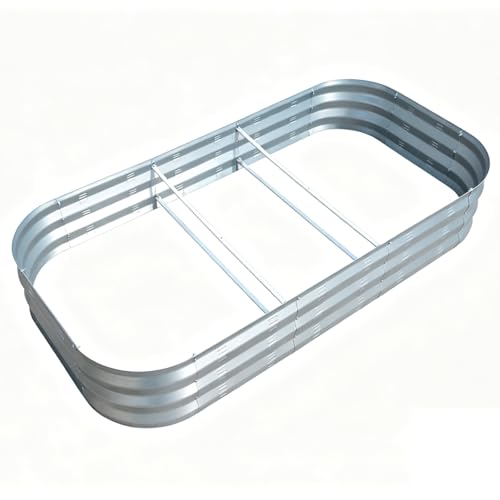
Colorfulbeetle Galvanized Raised Garden Bed Kit, Silver

ZSHIGANMA 12-Piece Black Corner Brackets

Vego Garden 17-Inch 9-in-1 Metal Raised Bed, Olive Green
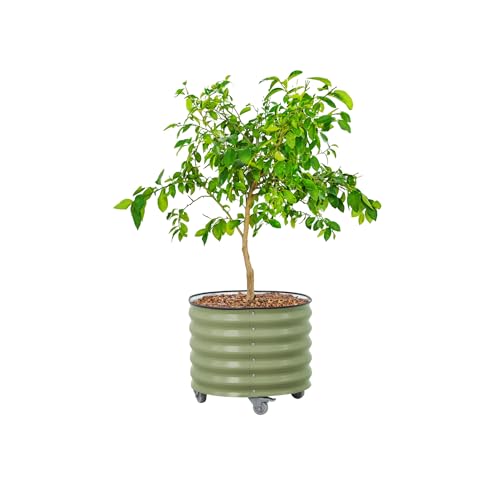
Rolling Metal Citrus Tree Planter, 24-Inch 30 Gallon, Olive Green

Vego Garden Rolling Elevated Raised Bed, 2×4 Feet

AHEONLAR 3-Pack 2x2x1-Foot Round Galvanized Garden Beds, Silver
The Picks, Examined More Closely
A substantial 67-by-36-inch frame gives you room to divide the bed into sections for vegetables, herbs, or flowers. The galvanized steel construction and 0.8 mm plate thickness suit a backyard bed that stays in direct contact with the ground, while the open bottom supports natural drainage.
Side vents allow air to move through the soil around plant roots, and four central connecting rods help stabilize the long frame. Compared with the compact rounded beds later in this list, this model prioritizes growing area and a rectangular layout over portability.
Points In Its Favor
- The 67-by-36-inch dimensions create useful space for multiple crop rows.
- Galvanized steel provides a practical material for prolonged soil contact.
- Vents improve airflow around the root zone.
- Central rods add support across the bed’s length.
Things To Consider
- Its open-bottom, ground-level design is intended for placement on soil rather than a paved patio.
- The large footprint requires ample yard space and a level location before filling.
Key Specs
Made For
You’ll get the most from this bed if you have a level backyard area and want a large, permanent growing space.
Consider Something Else When
Choose the AHEONLAR 3-Pack 2x2x1-Foot Round Galvanized Garden Beds, Silver instead for smaller, separate planting areas.
This set gives you the corner hardware to build a wooden raised bed rather than a complete planter. Each L-shaped bracket forms a 90-degree joint, which is useful when you want to control the bed’s height, shape, and material rather than accept a fixed kit.
The 11-by-3-by-3-inch brackets suit wooden beds between 12 and 24 inches high. A bundle of long and short screws supports different parts of the joint, while the matte black powder-coated steel gives the finished frame a clean, functional appearance.
What Pays Off
- Twelve brackets provide enough pieces for multiple rectangular bed projects.
- The angled shape reinforces each corner where timber joints often need support.
- Included screws reduce the need to match separate fasteners.
- You can also use the brackets on simple furniture and shelving projects.
Practical Considerations
- This is hardware only, so you must supply suitable timber and assemble the frame yourself.
- Measure your planned bed and lumber before ordering to confirm the corner dimensions suit your design.
Built With In Mind
This kit suits experienced DIY gardeners who want control over the timber, dimensions, and finished appearance of a raised bed.
Another Choice May Suit
The Colorfulbeetle Galvanized Raised Garden Bed Kit, Silver is easier for you to set directly in a prepared garden area.
Modularity is the central attraction here, as the kit can form nine different arrangements instead of locking you into one rectangular footprint. Its largest stated layout reaches 8 by 2 feet, giving you a long bed for herbs, flowers, or vegetables while the 17-inch height provides ample root space.
The frame uses steel coated with zinc, magnesium, and aluminum, a layered coating intended to resist environmental wear. Unlike the Colorfulbeetle model’s fixed 67-by-36-inch size, this system is more adaptable to evolving garden plans, provided the selected configuration suits the available area.
Useful Highlights
- Nine layout choices make the kit adaptable to different yard shapes.
- The tall frame supports deeper root zones and greater soil volume.
- The coated steel construction suits permanent outdoor placement.
- Olive green gives the functional frame a more finished garden appearance.
Trade Offs
- Multiple configurations require assembly and a clear plan before you connect the panels.
- The largest stated arrangement needs more usable ground than the compact options in this list.
Quick Facts
Right Fit For
You’ll appreciate the adjustable format if your backyard changes over time or a narrow, elongated bed fits your space better.
Look Elsewhere When
The Vego Garden Rolling Elevated Raised Bed, 2×4 Feet makes more sense for patio gardening with elevated storage.
A round 24-inch planter gives citrus trees, olive trees, tomatoes, or ornamental plants a defined home on a porch or patio. The 30-gallon capacity is more container-like than a standard vegetable row, making this a focused option for large individual plants rather than a broad crop bed.
Locking wheels let you reposition the planter as seasonal light changes, while drainage holes support regular watering. Compared with the long Vego Garden kit, this design concentrates its volume into one movable pot, though the 20.5-inch height means you still lift and handle a substantial container.
Practical Pluses
- Locking wheels help reposition the planter without dragging it across the patio.
- Drainage holes let excess water leave the soil.
- The 30-gallon volume suits substantial container plants.
- The round profile complements a patio beside a doorway or seating area.
Points To Note
- A 30-gallon planter becomes weighty once filled with soil and a mature plant.
- It provides one concentrated planting area rather than multiple rows.
Feature Snapshot
Who Will Love This
This planter fits gardeners who want a large citrus or olive tree on a patio and need to move it with the seasons.
A Better Fit Elsewhere
The AHEONLAR 3-Pack 2x2x1-Foot Round Galvanized Garden Beds, Silver works better for several smaller vegetables and herbs.
Elevating the bed on legs changes the gardening posture, making this design suitable for patios where bending directly into a ground bed would be uncomfortable. The 2-by-4-foot footprint offers a practical balance between growing space and a manageable reach across the bed.
A lower storage rack provides a home for tools and supplies, while the stated 700-pound capacity supports a substantial soil-and-plant load. The VZ 2.0 coating combines zinc, magnesium, aluminum, and a protective paint layer, a more elaborate finish than the straightforward galvanized treatment used by the Colorfulbeetle kit.
Where It Excels
- The elevated frame makes tending plants more comfortable.
- Wheels support repositioning across a patio.
- The lower rack keeps gardening supplies close at hand.
- The 2-by-4-foot dimensions offer useful room without a very wide footprint.
Potential Drawbacks
- Its raised structure requires more assembly than a ground-level kit.
- Moving a fully filled bed calls for care because the soil load becomes substantial.
Technical Notes
The Right Fit
You’ll appreciate this bed if patio convenience, lower storage, and easier access matter more than traditional ground planting.
Swap It Out When
The Colorfulbeetle Galvanized Raised Garden Bed Kit, Silver offers more row space for a permanent backyard installation.
Three separate round beds give you a simple way to separate crops, herbs, and flowers without assembling one large rectangle. Each planter measures 2 by 2 by 1 foot, giving you enough depth for many raised-bed vegetables while remaining more manageable than a full-length metal frame.
Galvanized steel forms the body, and the round profile helps each panel meet smoothly at the joints. Compared with the Colorfulbeetle bed’s 67-by-36-inch span, these planters trade breadth for portability and separation, so you can place them along a patio edge, porch, or small garden area.
A Few Highlights
- Three beds allow separate planting areas within a small footprint.
- Each planter is deep enough for many kitchen-garden crops.
- Galvanized steel provides a practical outdoor material.
- The round shape gives the set a softer garden appearance.
Soft Spots
- The one-foot height requires more bending than an elevated model.
- You need space for three separate planters rather than one continuous bed.
Best Suited To
This set works well for beginners or small-space gardeners who want organized, separate planting areas.
Reach For A Different Pick When
The Vego Garden Rolling Elevated Raised Bed, 2×4 Feet fits a patio gardener who prefers a working height and built-in storage.
What to Match Before You Plant
Check the available footprint
Start by measuring the ground or patio area, not just the bed dimensions. Leave enough space to access every side, open hinged panels, and move a rolling planter without hitting walls or furniture. The AHEONLAR set needs room for three separate circles, while the Colorfulbeetle bed requires one broad rectangular area.
Consider the bed height
Height affects both planting depth and working posture. A 17-inch bed gives you a generous soil volume, while a 12-to-24-inch wooden frame offers similar flexibility. For frequent tending, an elevated design keeps the soil closer to waist level, but those legs and wheels also make the structure more involved to assemble.
Choose between rows and individual plants
Long rectangular beds suit rows of greens, herbs, and compact vegetables. Round planters work well for one substantial plant or a smaller group, so the Rolling Metal Citrus Tree Planter is a better match for a citrus tree than for a full salad garden. Separate round beds also help you isolate soil, rotate crops, or keep decorative plants away from food crops.
Match the base to your surface
Ground-level metal beds with open bottoms are designed to sit on soil and support drainage into the ground. Patio planters need a surface that tolerates drainage, and elevated beds introduce legs, storage, and moving hardware into the setup. Confirm the surface, assembly requirements, and planting access before ordering.
Smart Ways to Avoid a Poor Fit
Mistakes Worth Dodging
Choosing by color before checking dimensions can leave you with an awkward planting layout. Measure the full area, confirm how you will reach the soil, and make sure drainage has somewhere to go. A compact planter that fits a patio is more useful than a larger bed that creates a permanent obstacle.
When Paying More Pays Off
A higher-tier bed may add modular layouts, elevated working height, wheels, storage, or a more complex protective coating. Those features are worthwhile when they solve a specific problem, such as limited storage or frequent repositioning. A simple ground bed remains a practical choice for straight rows of vegetables in an open garden area.
Frequently Asked Questions
How deep should a raised vegetable bed be?
A depth of 12 inches gives many vegetables a useful starting point for root growth. Taller beds provide more soil volume, so they suit crops with deeper roots and require a correspondingly larger supply of fill soil.
Are galvanized metal raised beds suitable for vegetable gardens?
Galvanized metal beds can support vegetables, herbs, and flowers when installed correctly. Their open bases allow drainage into the ground, while coated or galvanized steel helps the frame withstand exposure to soil and weather.
Should I choose a round or rectangular raised bed?
Rectangular beds suit rows of vegetables and make efficient use of long fences or walls. Round beds work better for separate plants, compact patios, and a softer visual style, though the curved interior uses some of the available footprint differently.
Are elevated raised beds easier to tend?
Raised beds reduce the need to bend toward the soil, which can make watering and harvesting more comfortable. Their added height, legs, and moving parts require more assembly, and a loaded bed needs careful handling.
Do raised beds need a liner?
A liner can separate the bed frame from the soil or help contain moisture in certain containers. It also affects drainage, so match the liner to your plants, climate, and watering habits rather than adding one automatically.
Final Verdict
Your best fit comes down to the shape of your space and the way you tend plants. Choose a large galvanized bed for backyard rows, a modular kit for adaptable layouts, or an elevated rolling model for patio convenience. The smaller round beds work well when organized, separate planting areas matter more than maximum length. Match the bed’s footprint, height, and base to your actual growing routine, and the right option becomes much easier to use.
