

Deadheading wilted flowers, shaping shrubs, and trimming vegetable plants all call for a blade that feels right in your hand. The right pruning cutters depend on the stems you handle, the grip you prefer, and whether you need a clean bypass cut or the extra leverage of a ratchet mechanism.
The Main Contenders
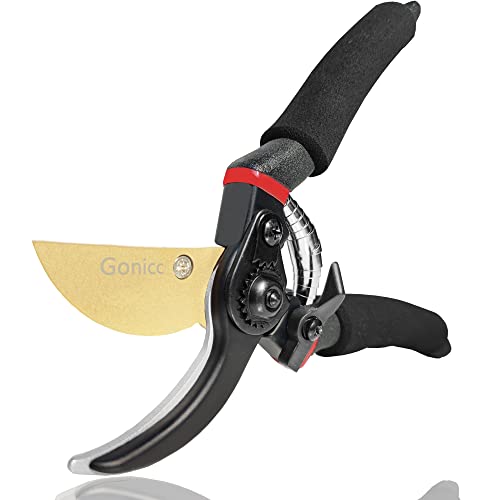
gonicc GPPS-1003 Bypass Pruning Shears
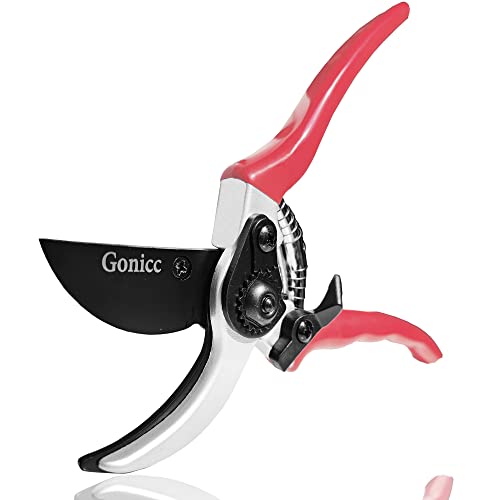
gonicc GPPS-1002 Bypass Pruning Shears

Hormex Rooting Cubes and Pruning Shears Combo

AKOAK 7.5-Inch Forged Stainless Steel Pruning Shears (Yellow)

yeezo Stainless Steel Hoof Trimmer and Floral Shears
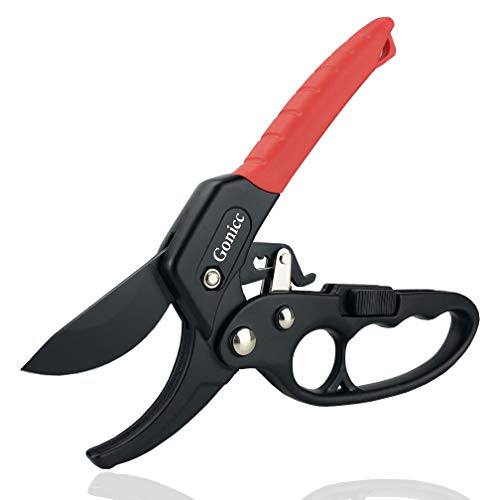
gonicc GPPS-1011 Ratchet Anvil Pruning Shears
A Deeper Look At The Lineup
A bypass pruner uses a curved blade that passes beside a supporting blade, making it well suited to live stems, roses, and tender growth. The gonicc GPPS-1003 pairs that cutting arrangement with an SK-5 steel blade and titanium coating, giving you a focused tool for regular shaping without moving to a heavier anvil design.
The drop-forged body gives the shears a substantial feel, while the aluminum handles and PVC grip keep the working end comfortable during a full pruning session. Compared with the gonicc GPPS-1002, this model adds a titanium-coated blade, making it the more weather-conscious choice for a garden that sees frequent use.
Everyday Wins
- The bypass blade supports cleaner cutting on living stems than an anvil-style jaw.
- Titanium coating gives the cutting surface added resistance to rust.
- Aluminum handles with a non-slip PVC covering balance lightness with grip.
- A sap groove helps keep sticky plant residue away from the cutting area.
Worth Noting
- Its 8-inch size suits general garden work, though compact tool storage may be tight.
- Bypass shears work best on living stems, so a separate cutter suits dead, woody material.
Key Specs
Who It Suits Best
You benefit most from this model when shaping roses, shrubs, and herbaceous plants throughout a busy growing season.
A Better Fit Elsewhere
The gonicc GPPS-1002 is a better fit for you when a simpler high-carbon bypass blade and a lighter, less feature-heavy design suit routine trimming.
For routine flower and vegetable work, a sharp bypass blade and a grip that stays comfortable matter more than a long feature list. The gonicc GPPS-1002 uses high-carbon steel with a polished cutting surface, while its drop-forged body and handles create a firm foundation for deadheading, shaping, and general stem maintenance.
Compared with the titanium-coated GPPS-1003, this model keeps the construction more straightforward. For many home gardens, that simplicity is the sensible part: you get a conventional bypass cutter, a sap groove, and ergonomic non-slip handles without paying attention to extra coating details.
What It Does Well
- High-carbon steel supports the sharp, controlled cutting expected from bypass shears.
- The polished blade surface helps reduce drag as stems pass through the jaws.
- Non-slip handles provide a secure hold during repeated trimming.
Trade Offs
- Its 8-inch frame takes up more room than a compact pocket-sized flower scissor.
Made For
You’ll find this shears useful for everyday deadheading, annual flowers, vegetables, roses, and modest bonsai shaping.
Consider Something Else When
The gonicc GPPS-1003 makes more sense for you when a titanium-coated blade and aluminum handles with PVC grips are your preferred combination.
Propagation turns trimming into a sequence rather than a single task: cut a healthy stem, place it in a growing plug, and keep the base in contact with moisture. The Hormex combination joins lightweight straight-blade shears with 50 rooting cubes, so you can handle both steps without assembling separate tools.
The straight blades suit deliberate cutting preparation, while the plug’s peat moss, coco coir, and worm castings hold moisture around the cutting. Compared with the curved blades on the gonicc bypass models, this setup is less about shaping mature stems and more about preparing multiple new plants in an orderly batch.
Positive Points
- You receive both cutting and rooting components in one coordinated set.
- Fifty plugs support organized batches of herbs, flowers, vegetables, or houseplants.
- The plug mixture retains moisture while leaving some room for air around developing roots.
- Straight blades give you controlled cuts when preparing propagation stems.
- A lightweight non-slip grip helps during repetitive cutting sessions.
Small Caveats
- The fifty-plug count may exceed what a first-time propagator can maintain consistently.
- Straight blades are less suitable than bypass blades for routine shaping of woody shrubs.
Quick Facts
The Right Fit
This set fits you best when propagating herbs, houseplants, flowers, or vegetables in soil or hydroponic setups.
Reach For A Different Pick When
The gonicc GPPS-1003 suits you better when your main task is repeated shaping and pruning of living garden stems rather than propagation.
A compact pair of shears can handle more than decorative flowers, particularly when you want to reach into a crowded rose bush or trim a dense annual. The AKOAK model combines a 7.5-inch forged frame with a treated stainless steel head, giving you a light, compact tool for flowers, fruit trees, vegetables, and bonsai.
Compared with the 8-inch gonicc models, this design takes up slightly less space and offers a brighter yellow finish that’s easy to identify in a crowded tool bag. For most mixed gardens, that balance of portability and useful cutting capacity makes it an uncomplicated everyday option.
Practical Advantages
- The compact 7.5-inch length suits detailed shaping and tighter garden spaces.
- Treated stainless steel provides a firm cutting head with a smooth operating action.
Practical Considerations
- The shorter frame may offer less leverage than the 8-inch gonicc shears on thicker branches.
- Its compact size suits close-up work, while large, woody stems call for a more substantial cutter.
- Keep the shears dry between tasks to protect the stainless steel from unnecessary moisture exposure.
Feature Snapshot
Who Will Love This
You’ll appreciate this model for container gardens, flower borders, fruit trees, and bonsai projects where maneuverability matters.
Look Elsewhere When
The gonicc GPPS-1002 fits you better when a longer 8-inch bypass design and a sap groove matter more than a compact footprint.
Hoof trimming and flower cutting call for very different jobs, so a tool that handles both needs a grip you can control. The yeezo shears use corrosion-resistant stainless steel, twin-blade gripping, and spring-loaded opening, with a friendly switch lock for one-handed operation from either side.
That mechanism makes the tool relevant to small livestock households as well as floral routines. Compared with the bypass garden shears in this lineup, its gripping action is designed around trimming rather than sliding cleanly past a living stem, so you should keep the two tasks distinct.
Good Reasons To Consider
- Corrosion-resistant stainless steel suits damp outdoor environments.
- The spring action opens the blades for quick, repeated trimming motions.
- A one-handed lock accommodates right- or left-handed use.
- Twin-blade gripping adds useful versatility for hoof and floral work.
A Few Limitations
- The gripping design is less refined for clean bypass cuts on tender living stems.
- Use separate garden shears for delicate propagation work where precise blade clearance matters.
Built With In Mind
This shears suit you best for routine hoof care involving goats, sheep, alpacas, pigs, or lambs, plus occasional flower cutting.
Another Choice May Suit
The AKOAK 7.5-Inch Forged Stainless Steel Pruning Shears are a better fit when your priority is garden shaping rather than livestock hoof trimming.
An anvil pruner works differently from a bypass shear: the blade presses against a flat support, while a ratchet lets you increase cutting force in stages. The gonicc GPPS-1011 combines that mechanism with SK-5 steel blades, giving you a practical option for light branches, rose bushes, shrubs, and hedges.
Compared with the curved blades on the gonicc GPPS-1002, this model favors compression over a sliding cut. For most mixed gardens, that makes it a specialist companion rather than a replacement for delicate bypass shears, especially when the stems are thin and still growing.
What Makes Sense
- The ratchet mechanism adds leverage without requiring a larger cutting head.
- SK-5 steel blades suit trimming shrubs, hedges, roses, and light branches.
- Chrome vanadium handles provide a sturdy frame for the anvil mechanism.
Points To Note
- Anvil action is less suitable for fine propagation cuts and delicate shaping.
Core Details
Best Suited To
You’ll find this model useful for maintaining woody shrubs, hedges, roses, and light tree branches with a firmer cutting action.
Swap It Out When
The gonicc GPPS-1003 suits you better when clean, sliding cuts on living stems matter more than ratchet-assisted leverage.
What Matters Before You Buy
Choose the blade action for the stem
A bypass pruner has a curved blade that slides past a supporting blade, making it a natural fit for live stems and relatively clean cuts. An anvil pruner presses a blade against a flat surface, which can suit light woody growth but may compress softer material. You’ll get the clearest distinction by matching the mechanism to the plants you trim most.
Check blade material and grip details
Steel blades come in different grades intended for different levels of rigidity and edge retention. Handle covering, grip texture, and overall weight also affect control during a long session, so your hand comfort deserves as much attention as the cutting specification. A lightweight grip can be useful for frequent flower work, while a substantial frame may feel steadier around shrubs.
Plan for storage and maintenance
Pruning shears collect sap, soil, and fine plant debris around the pivot and cutting surfaces. A sap groove can help keep sticky residue away from the jaws, while corrosion-resistant coatings add another layer of protection. Keep the tool dry between tasks and clear debris from the blade area so the moving parts remain free to operate.
Common Mistakes Worth Avoiding
Wrong Turns To Avoid
Choosing by the word “professional” can distract you from the actual job. A compact flower shear, bypass pruner, propagation set, and livestock trimmer serve different purposes, so match the tool to the stems and setting you use most. Also, check whether the grip suits your hand, since a technically capable blade still needs controlled handling.
The Case For Spending Up
A more elaborate model may add a protective blade coating, a ratchet mechanism, a sap groove, or coordinated propagation supplies. The upgrade is worth it when you handle frequent, demanding work or need a specific mechanism. For occasional trimming of flowers and herbs, a straightforward bypass shear may cover the job without extra features.
Frequently Asked Questions
What size pruning shears are best for everyday garden use?
An 8-inch model gives you a full-size grip for flowers, shrubs, and general plant maintenance. A 7.5-inch tool can feel more maneuverable in tight spaces and smaller storage areas.
Should you use bypass or anvil pruning shears?
Bypass shears suit living stems and delicate growth, while anvil shears favor firmer, woodier material. Ratchet assistance adds leverage to an anvil design for branches that need more compression.
How do you keep pruning shear blades from rusting?
Wipe sap and moisture from the blades after use, then store the tool in a dry place. Coated or corrosion-resistant steel provides added protection, although regular cleaning and drying still matter.
Can the yeezo shears be used for flower cutting?
The yeezo Stainless Steel Hoof Trimmer and Floral Shears includes floral cutting among its intended uses. Its gripping action differs from a bypass blade, so delicate propagation work may suit a dedicated cutting tool better.
Which pruning cutters fit a propagation routine?
The Hormex Rooting Cubes and Pruning Shears Combo includes straight-blade shears, 50 rooting cubes, and a moisture-holding growing medium. That setup is especially convenient for preparing and organizing batches of stem cuttings.
Final Verdict
Your best match depends on the work: bypass shears for living stems, the Hormex set for propagation, the AKOAK model for compact shaping, and the ratchet anvil for woodier growth. The yeezo shears fill a separate livestock-care niche. Choose the design whose mechanism and grip match your plants rather than the longest feature list.
