

A neglected rose bed rarely needs just one tool. Deadheading, shaping canes, cutting stubborn stems, and dividing roots each call for a different blade, so the right pruner can save time without forcing you into an awkward workaround. These options cover everyday pruning, delicate flower work, and denser rose growth, with clear differences in blade style, reach, and handling.
A Snapshot Of The Selections
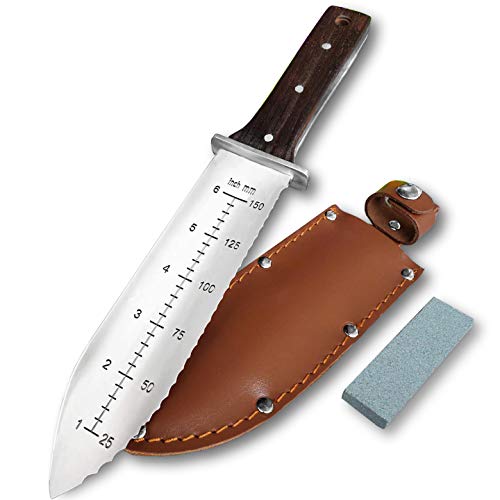
gonicc Professional Hori Hori Garden Knife with Leather Sheath and Handguard
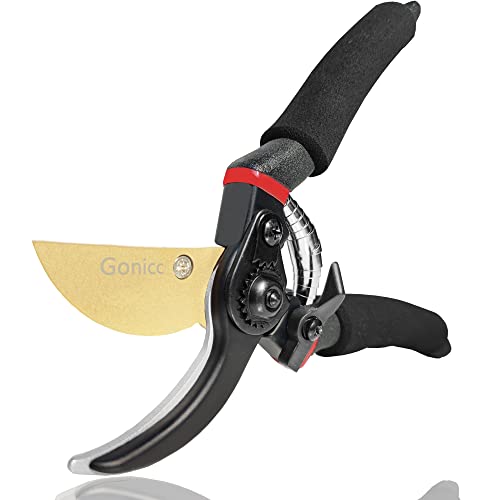
gonicc GPPS-1003 Premium Bypass Pruning Shears
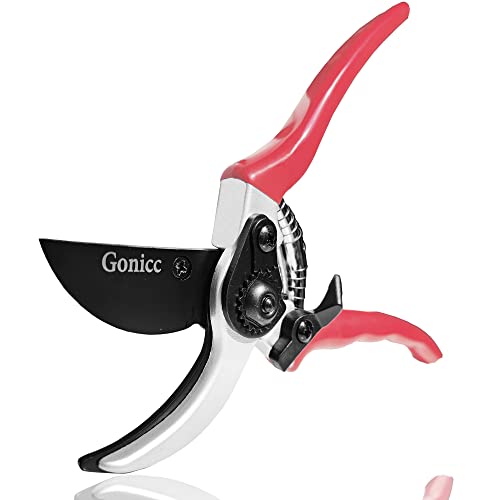
gonicc GPPS-1002 Sharp Bypass Pruning Shears

gonicc GPPS-1008 Micro-Tip Pruning Snips
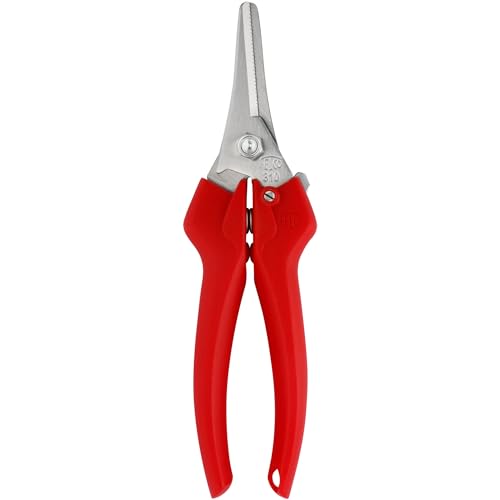
Felco F310 7.3-Inch Pruning Snips with Precision Tip and Forged Aluminum Handles
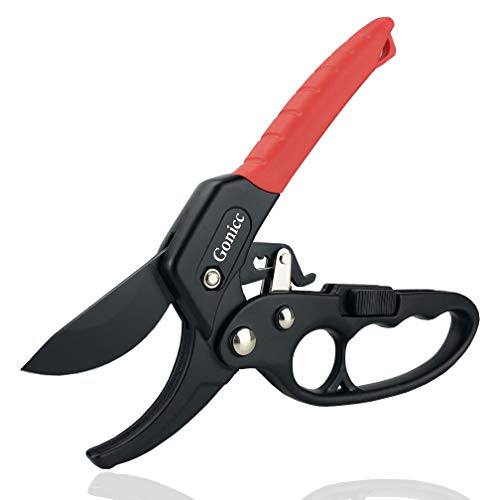
gonicc GPPS-1011 Ratchet Anvil Pruning Shears
Why These Options Stand Out
A rose bed can turn a quick shaping session into a mixed job involving stems, soil, and roots. The gonicc Hori Hori handles all three with a polished 440 stainless blade, a straight cutting edge, and a serrated section for tougher roots.
Compared with the dedicated bypass shears later in this list, it trades fine-tip control for a broader garden blade. The handguard, leather sheath, and sharpening stone make it a self-contained choice for mixed maintenance work.
The Value In It
- One tool handles cutting, digging, and root division.
- The straight edge suits ordinary stem trimming.
- The serrated section adds sawing capability.
- Depth markings help guide soil work.
Practical Considerations
- The broad blade is less precise than a micro-tip snip in crowded rose canes.
- The leather sheath adds bulk to a compact tool kit.
Feature Snapshot
Made For
You need one garden knife for mixed rose-bed work, soil preparation, and root cutting.
Where Another Pick Suits Better
The gonicc GPPS-1008 Micro-Tip Pruning Snips suit you when close, delicate flower trimming matters more than digging.
Moving from the Hori Hori’s broad digging blade to a dedicated pruning tool changes the job completely. A bypass pruner has two blades that pass beside each other, making the gonicc GPPS-1003 a sensible choice for clean shaping of living rose stems.
The drop-forged body supports a sturdier feel, while SK-5 steel with a titanium coating adds corrosion resistance. Aluminum handles covered in PVC provide a light, nonslip grip, and the sap groove keeps sticky material away from the blade joint.
What Helps Most
- The bypass action favors clean cuts on green growth.
- Drop-forged construction suits demanding garden use.
- Aluminum and PVC handles balance strength with low weight.
Trade Offs
- The 8-inch frame has more bulk than the Felco F310 for close flower work.
Key Product Details
Right Fit For
You maintain roses regularly and want a balanced, full-size bypass pruner.
A Better Fit Elsewhere
The gonicc GPPS-1008 Micro-Tip Pruning Snips suit you for houseplants, herbs, and crowded flower stems.
The GPPS-1002 keeps the practical bypass format but takes a more straightforward approach than the GPPS-1003. Its high-carbon steel blade is precision-ground for a fine edge, making it a natural fit for deadheading, annuals, vegetables, roses, and bonsai work.
Drop-forged body and handles give it a substantial construction, yet the nonslip grips remain light and comfortable. Compared with the Felco F310, this is the longer 8-inch option, giving you more reach when shaping rose bushes.
Useful Strengths
- The bypass blades suit clean trimming of live stems.
- High-carbon steel supports a keen cutting edge.
- Drop-forged handles add a sturdy foundation.
- Nonslip grips improve control during longer sessions.
- The sap groove reduces sticky blade buildup.
Small Caveats
- The 8-inch size takes up more room than the Felco F310 in a small tool pouch.
- The titanium-coated GPPS-1003 may suit you better when damp conditions are common around the garden.
Who Will Love This
You want one capable bypass tool for roses, flowers, vegetables, and bonsai.
Consider Something Else When
The Felco F310 7.3-Inch Pruning Snips suit you when lightweight handling and a slender tip matter more than length.
Once the job shifts from rose canes to individual flowers, a narrow pointed blade becomes easier to control. The gonicc GPPS-1008 uses micro-tip, high-carbon steel blades for flower arranging, hydroponic herbs, houseplants, and gentle harvesting.
Its compact 8-inch frame offers more length than the 7.3-inch Felco F310, but the emphasis remains on precise, delicate work. For most kitchen gardens and mixed flower beds, that focused blade design is the useful part.
Standout Benefits
- Micro tips reach into crowded stems.
- Precision-ground blades support accurate trimming.
- The light frame suits frequent, small jobs.
Things To Weigh
- Fine tips offer less leverage on thick, woody rose stems.
Quick Facts
Best Suited To
You tend flowers, herbs, houseplants, and fine rose growth requiring careful access.
Look Elsewhere When
The Felco F310 7.3-Inch Pruning Snips suit you when forged aluminum handles and a slender harvesting tip suit your grip.
Harvesting roses for a vase rarely requires the same leverage as cutting an old cane. The Felco F310’s 7.3-inch frame and slender precision tip suit close work around flowers, fruit, and small branches while keeping waste low.
Forged aluminum handles provide a light, shaped grip, and the ergonomic design accommodates different hand sizes. Compared with the gonicc GPPS-1002, the Felco is shorter and more narrowly focused on fine trimming.
Where It Delivers
- The slender head reaches small, awkward branches.
- Coated high-carbon steel supports fine cutting.
- Forged aluminum keeps the overall weight low.
- The compact length helps during harvesting.
Where It May Fall Short
- The slim profile offers less leverage than the 8-inch gonicc bypass shears.
- Its fine focus is less useful for dense, woody rose growth.
The Right Fit
You deadhead, harvest flowers, and trim small stems with a light, precise tool.
Another Choice May Suit
The gonicc GPPS-1008 Micro-Tip Pruning Snips suit you when a longer 8-inch frame and micro-tip blade better match your flower stems.
Dense rose growth calls for a different cutting action from the bypass models. An anvil pruner presses a blade against a flat surface, while the ratchet mechanism adds leverage as the handles close.
SK-5 steel blades suit light branches, rose bushes, shrubs, and hedges, while chrome vanadium handles add strength. The honest trade-off is that this extra capacity comes with a bulkier body than a precision snip.
The Good Stuff
- Ratcheting action adds leverage on tougher stems.
- The anvil design suits dry or woody growth.
Factors To Consider
- Anvil pressure can crush live stems compared with a bypass blade.
- The ratchet mechanism makes the tool heavier and more compact.
- Its bulk is unnecessary for ordinary deadheading.
Technical Highlights
Built With In Mind
You work with older, thicker rose canes and need more cutting leverage.
Swap It Out When
The gonicc GPPS-1002 Sharp Bypass Pruning Shears suit you when clean shearing of green, living stems is the priority.
What Matters Before You Cut Your Roses
Blade Action and Stem Size
Bypass pruners work best for green rose stems because their moving blade passes beside a fixed blade. Anvil pruners use a pressing action that suits older, woody growth, while ratchet anvil models add leverage for thicker canes.
Match the tool to the stem rather than choosing by appearance alone. Fine rose shoots, annuals, and houseplants call for narrow tips, while established canes need a stronger frame and greater mechanical advantage.
Reach and Hand Comfort
Longer pruners can reach deeper into a bush without repositioning your hands as often. Shorter snips are easier to control around crowded flowers, but they generally offer less leverage and require more precise wrist placement.
Non-slip grips and shaped handles also matter during repeated deadheading sessions. A comfortable grip can make a compact tool feel more controlled than a larger model that does not fit your hand well.
Material and Maintenance
SK-5 steel, high-carbon steel, and coated steel offer different balances of edge retention and corrosion resistance. A titanium-coated blade, such as the gonicc GPPS-1003, may suit damp garden conditions, while slim precision tips focus on controlled cuts.
Sap grooves help keep sticky residue away from the joint. Wipe the blades after use, clear trapped material from the hinge, and store dry sheaths away from prolonged moisture.
Two Checks Before The First Cut
Common Shopping Slip Ups
Choosing by blade material alone can oversimplify the decision. Check the stem diameter, blade action, handle length, and grip together, since a steel blade cannot compensate for a tool that feels awkward in your hand.
What Separates Premium From Basic
Premium construction can mean drop-forged bodies, titanium-coated blades, shaped nonslip handles, or ratchet leverage. Those features matter when you prune often, work with dense growth, or want a tool tailored to a particular kind of stem.
Frequently Asked Questions for Pruners For Roses
Are bypass or anvil pruners better for roses?
Bypass pruners suit green, living rose stems because they shear cleanly as the blades pass. Anvil pruners make more sense for older woody canes that need pressing and leverage.
Can micro-tip snips cut rose canes?
Micro-tip snips suit thin growth, flowers, herbs, and houseplants. A full-size bypass or ratchet anvil is more appropriate for thick, established canes.
What size pruners are easiest to control?
Shorter snips, such as the 7.3-inch Felco F310, generally feel easier to maneuver around flowers. Longer 8-inch models provide additional reach when working inside a dense rose bush.
Do titanium-coated blades need special maintenance?
The gonicc GPPS-1003’s titanium coating adds rust resistance, but the blades still need routine cleaning and dry storage. Remove sap from the groove and joint after each session.
Which pruner handles older woody rose stems?
The gonicc GPPS-1011 ratchet anvil provides the most leverage for older, thicker stems. It is bulkier than a bypass pruner and less suitable for delicate deadheading.
Final Verdict
The gonicc GPPS-1003 is the most complete choice for regular rose pruning, while the Felco F310 handles fine trimming with a lighter profile. Choose the gonicc GPPS-1011 for woody canes, and keep a micro-tip snip nearby for flowers, herbs, and delicate growth.
