

A rock bed can look finished while weeds quietly take over, especially in spring or after rain. Pre-emergent herbicide creates a barrier before weed seeds sprout, but the six fire-media products below are not pre-emergent treatments, so the honest comparison is between their actual uses and the rock-bed products they may mistakenly appear to replace.
A Quick View Of The Lineup

Stanbroil Violet Fire Glass, 1/4-Inch

Stanbroil Platinum Fire Glass, 1/2 Inch

Stanbroil Black Lava Rock, 1.2-2 Inches

Stanbroil Black Lava Rock, 2.75-5 Inches

Stanbroil Caribbean Blue Fire Glass Drops
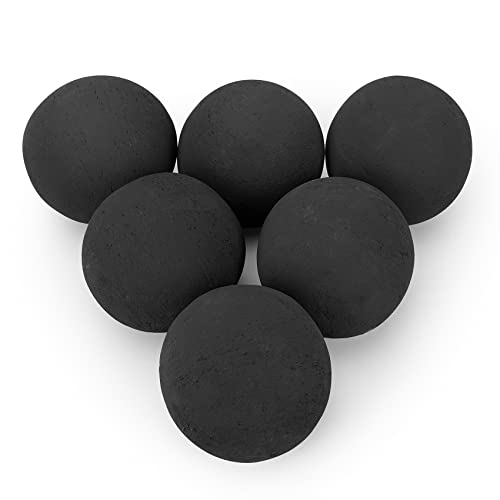
Stanbroil 5-Inch Ceramic Fire Pit Balls
The Details Behind The Selections
Violet reflective glass gives a gas fire bowl a more decorative finish than ordinary lava rock, and the 1/4-inch pieces are small enough to create a fairly even surface. That scale works especially well when you want visible flames to remain the main event rather than large pieces dominating the bowl.
The listing supports indoor fireplaces, outdoor fire pits, and fire bowls using propane or natural gas. It can replace decorative logs or lava rock, but it is still fire media, not a treatment for a planted rock bed.
Notable Gains
- The violet reflective surface catches the flame and creates color around the burner.
- Small pieces make it easier to distribute evenly across a compact fire bowl.
- Works with both propane and natural-gas fire features.
- Ten pounds provides a substantial starting quantity for a typical decorative bowl.
Things To Consider
- Check your appliance and fire-bowl instructions for acceptable fire media before installation.
Key Specs
Made For
Decorators with a compact gas fire bowl who want fine violet fire glass for a layered, reflective finish.
Where A Sibling Pick Shines
Stanbroil Platinum Fire Glass, 1/2 Inch suits you better when larger reflective facets and a brighter platinum appearance matter more than a fine finish.
Platinum fire glass produces a brighter reflective field than the violet option, while the half-inch size gives each piece more visible presence. For a patio fire table, that reflective surface can make a dark bowl look considerably more layered once the gas flame is running.
Tempering is the heat-treatment process used to strengthen glass so it can withstand thermal use. The product is listed for propane and natural-gas fireplaces, fire pits, and outdoor bowls, and it may be used alone or over a base layer.
What Pays Off
- The platinum finish gives flames a bright, jewel-like reflective appearance.
- Half-inch pieces create a bolder texture than quarter-inch glass.
- The ten-pound quantity suits fire bowls and larger decorative areas.
- Cleaning is straightforward because residue can be rinsed with water and vinegar.
Worth Noting
- The larger pieces may be less suitable for shallow bowls with limited depth.
- Its bright color may not complement muted or rustic surroundings.
At A Glance
Right Fit For
Patio entertainers with a deeper fire bowl who want conspicuous platinum reflections around a gas flame.
Another Choice May Suit
Stanbroil Violet Fire Glass, 1/4-Inch fits smaller bowls better when you prefer a subtler decorative layer.
Black lava rock creates the visual foundation that reflective glass or gas logs can sit above. These granules are closer in size to small decorative stones than to the chunky pieces in Stanbroil Black Lava Rock, 2.75-5 Inches, so they tend to produce a more filled-in base layer.
The material is intended for fire bowls, fire pits, and indoor or outdoor fireplaces using propane or natural gas. Its dark color remains useful for creating depth beneath brighter media, though the rough volcanic texture looks different from smooth glass.
What Earns Its Place
- Black rock creates a neutral base for logs, glass, or other decorative media.
- The smaller 1.2- to 2-inch size fills a bowl without leaving large gaps.
- It works in both indoor and outdoor gas fire features.
Small Caveats
- Unlike reflective glass, the rough black surface produces less visible color from the flame.
- Check the fire-feature instructions because some appliance manufacturers specify the media type they allow.
Technical Sheet
Built With In Mind
Home decorators layering black lava beneath reflective glass in a medium-sized gas fire bowl will appreciate the compact coverage.
Look Elsewhere When
Stanbroil Black Lava Rock, 2.75-5 Inches suits you better when large, open-textured volcanic pieces are central to the design.
Large black lava pieces give a fire bowl a rugged, open appearance. The 2.75- to 5-inch size sits closer to landscaping stone than ordinary filler, making it useful for creating broad layers with visible spaces between the rocks.
That scale also changes how the bowl works. Gas logs can be arranged above the rock, while reflective glass can be added selectively for color. For a roomy outdoor installation, the natural texture may feel more convincing than a uniformly filled bed of small granules.
Everyday Advantages
- Large pieces create a bold, natural-rock appearance.
- The ten-pound bag provides a generous starting quantity.
- Black lava works as a neutral foundation beneath gas logs.
- It suits both indoor and outdoor gas fireplaces and bowls.
- Open spaces between pieces can complement layered decorative media.
Points To Note
- The large diameter requires a fire bowl deep and wide enough to hold the pieces comfortably.
Whose Shelf It Belongs On
Outdoor decorators with a generous fire bowl who want coarse, natural-looking stone rather than finely distributed media.
Skip It When
Stanbroil Black Lava Rock, 1.2-2 Inches fits you better when your bowl is small or needs a tightly packed base.
Caribbean blue drops bring a more playful color accent than the platinum and violet reflective glass, with a rounded shape that helps the surface feel less uniform. That makes them a natural choice for a fire bowl where blue is part of the surrounding palette.
The ten-pound quantity and half-inch sizing suit a layered display, and the material is intended for propane or natural-gas fire features. Compared with Stanbroil Platinum Fire Glass, 1/2 Inch, these pieces trade bright mirror-like reflection for shape and deeper color.
Practical Pluses
- The drop shape adds variation to an otherwise uniform glass bed.
- Blue coloring coordinates well with cool-toned patio décor.
- Half-inch pieces are suitable for layered fire-bowl displays.
- Cleaning with water and vinegar helps simplify routine maintenance.
Possible Compromises
- Colored drops are less neutral than the platinum option.
- The shape may leave more visible gaps than small round glass pieces.
- Fire-feature instructions should be checked before replacing another listed media type.
Who Will Love This
Color-focused decorators who want their gas fire bowl to coordinate with blue accents rather than blend into a neutral setting.
Reach For A Different Pick When
Stanbroil Platinum Fire Glass, 1/2 Inch suits you better when bright reflection and a restrained metallic finish are your priorities.
Five-inch ceramic spheres create a more architectural base than loose lava granules, especially when only a few balls are visible beneath a layer of reflective glass. The six-piece set also gives you a controlled arrangement rather than a randomly filled surface.
These spheres are designed to disperse gas flow in different directions and may sit under fire glass or mix with lava media. Unlike the other picks, this set uses ceramic rather than glass or volcanic stone, giving your fire bowl a distinctly rounded visual signature.
The Case For It
- Large spheres create a deliberate, architectural arrangement.
- The six-piece format provides a manageable starting layout.
- Ceramic media is designed for propane and natural-gas fire bowls.
- The balls can support a reflective glass layer above them.
- They can also serve as fillers in decorative landscapes away from the fire feature.
Details To Watch
- Five-inch balls need a fire bowl with enough depth and width to hold them securely.
- The stated heat range reaches 800 to 1,000 degrees Celsius, so your appliance instructions should guide compatibility.
- Proper gas-to-air flow matters for keeping soot from accumulating on the ceramic surfaces.
Core Details
Who Should Grab It
Designers with a deep fire bowl who prefer a sparse, structured arrangement of round ceramic forms over loose granular media.
A Better Fit Elsewhere
Stanbroil Black Lava Rock, 1.2-2 Inches fits you better when you want a full, irregular base layer that fills narrow spaces between stones.
Matching Pre-Emergent Treatment to Your Rock Bed
Pre-emergent herbicide is applied before target weeds emerge, creating a preventive barrier rather than treating plants that are already growing. Because none of the fire-media products above performs that function, you need a separate product labeled for the weeds and site conditions in your rock bed.
Check the Target Weed List
A useful label identifies the weeds it addresses, including the weed type and stage relevant to your bed. Narrowly targeted labels suit a site with a known problem, while broader products may suit mixed planting areas. The label is more informative than a general promise of weed control.
Consider When the Product Works
Application timing matters because pre-emergent products generally need to reach the soil before target seeds germinate. Compare the label’s application window with your local weed cycle, and check rainfall or watering guidance for the period immediately after treatment.
Match the Bed and Its Plants
Rock beds may contain ornamental plants, groundcovers, or a combination of both. Choose a treatment that lists the plants or planting conditions you have, and observe any label directions concerning nearby vegetation, soil coverage, and re-entry.
Read Coverage and Use Directions
Coverage describes the area the label is intended to treat, while application rate determines how much product belongs on that area. Measure your bed before buying, and follow the labeled rate rather than estimating by eye. Keep the container and directions available for the full application period.
Common Shopping Slip Ups
Mistakes Worth Dodging
Choosing a product because the word “weed” appears on the front matters less than matching its labeled target weeds to your bed. Fire glass, lava rock, and ceramic balls are decorative media, so confusing them with a weed treatment can leave the underlying problem untouched.
Another common error is ignoring application timing. A pre-emergent treatment applied after the target weeds appear does not address the stage for which the product is intended.
What Separates Premium From Basic
Where The Extra Money Goes
The differences between pre-emergent products usually involve the range of weeds addressed, application flexibility, coverage characteristics, or concentrated versus ready-to-use packaging. A more specialized formulation can be worthwhile for a difficult planting site, while a straightforward treatment may suit a simple bed with one recurring weed problem.
Frequently Asked Questions
What Is Pre-Emergent For Rock Beds?
Pre-emergent for rock beds is a herbicide applied before target weed seeds emerge. It is intended to prevent specified weeds from developing rather than alter already visible plants.
When Should Pre-Emergent Be Applied?
Apply it according to the product label and before the target weeds germinate. Soil temperature, weed type, and local weather can affect the appropriate application window.
How Do I Choose A Pre-Emergent Product?
Start with the weeds you have, the plants in the bed, and the site conditions. Then compare the label’s active ingredient, application rate, coverage, and directions for watering and re-entry.
Can Fire Glass Or Lava Rock Prevent Weeds In A Rock Bed?
No. These products are fire media for gas fireplaces, fire pits, and fire bowls, not weed-control treatments. They may decorate a hardscape but cannot create the preventive herbicide barrier described by a pre-emergent product.
How Much Pre-Emergent Do I Need?
Measure the treated area and follow the label’s application rate and coverage instructions. Applying beyond the specified rate can be wasteful and may not match the product’s labeled use.
Final Verdict
None of these six fire-media products is suitable for preventing weeds in a rock bed. Use them only for their listed fire-feature applications, and choose a labeled pre-emergent herbicide for weed prevention based on your target weeds, planting conditions, and application timing.
