

A cactus pot that stays wet after a drink gives roots poor conditions, especially in a busy home where watering schedules are easy to forget. The right potting soil for succulents needs open space around roots, reliable drainage, and a texture that suits the plant’s growth habit. These six mixes cover small collections, large containers, desert-style planters, tropical aroids, and general houseplant shelves.
Your Options, Compared

Rosy Soil Cactus Mix 4 Quarts

Soil Sunrise Fast-Draining Gritty Cactus Mix
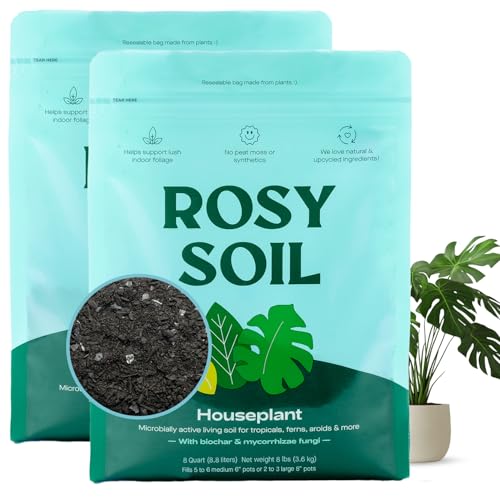
Rosy Soil Houseplant Mix 8 Qt

Top Tier Genetics Chunky Aerated Aroid Mix for Monstera and Philodendron

HydraGarden Forbidden Cereal Peat-Free Aroid Mix for Tropical Plants 6.5QT

Spike & Bloom High-Drainage Cactus Mix 4 Quarts with Mycorrhizal Fungi
A Deeper Look At The Lineup
For a windowsill full of jade, aloe, or snake plants, loose, open soil matters more than a rich-looking mix. Rosy Soil Cactus Mix 4 Quarts uses a chunky, peat-free base that lets excess water leave the pot while keeping air around the root zone.
Its living amendments set it apart from a basic mineral blend. Beneficial fungi, microorganisms, and worm castings support a more active soil, while the resealable package keeps unused mix tidy. For a modest collection, the stated two-to-three-plant capacity is a useful check against buying too much.
Practical Pluses
- The coarse texture supports drainage and root-zone aeration.
- Peat-free ingredients suit drought-tolerant houseplants.
- Living soil components add biological activity without synthetic fertilizers.
- Resealable bags simplify storage between repotting sessions.
Things To Consider
- Tropical aroids and moisture-loving plants need a more specialized medium.
Key Specs
Built With In Mind
This mix fits beginners and experienced growers with a modest collection of common succulents and cacti.
A Better Fit Elsewhere
Soil Sunrise Fast-Draining Gritty Cactus Mix suits you better when a substantial 12-inch pot needs several quarts of mineral-rich medium.
Large patio planters need enough medium to fill substantial root zones without settling into a dense mass. Soil Sunrise Fast-Draining Gritty Cactus Mix takes a deliberately mineral approach with pine bark, silica sand, calcined clay, and pumice, creating a visibly open blend.
Compared with Rosy Soil Cactus Mix 4 Quarts, this option puts more emphasis on mineral drainage and less on living amendments. That makes it well suited to outdoor containers, terrariums, and collections that need substantial volume without a dense soil base.
What Stands Out
- Four mineral components create a coarse, open planting medium.
- Fast drainage reduces the chance of waterlogged potting.
- The blend works indoors, outdoors, and in terrariums.
- Ingredients retain some nutrients while supporting root aeration.
- Eight quarts can fill a large 12-inch pot.
Trade Offs
- The eight-quart volume may be excessive for a small shelf collection.
- Its mineral-centered recipe differs from living-soil formulas for potted succulents.
The Right Fit
You’ll appreciate this blend most when filling large outdoor pots, desert planters, or substantial terrarium containers.
Another Choice May Suit
Rosy Soil Cactus Mix 4 Quarts is the neater fit for a smaller collection that values resealable storage and biological soil components.
A mixed indoor plant shelf needs more than a cactus formula because pothos, ferns, and tropical foliage plants favor a steadier moisture balance. Rosy Soil Houseplant Mix 8 Qt serves that broader purpose, replacing peat with biochar, compost, bark fines, worm castings, and mycorrhizae.
Mycorrhizae are beneficial fungi that associate with plant roots, so this mix adds more than basic physical support. You’ll find it useful for repotting regular houseplants, though true desert plants are better served by the coarser formulas in this list.
Useful Strengths
- The peat-free ingredient list suits general indoor containers.
- Biochar and bark fines create a more varied soil structure.
- Worm castings and mycorrhizae support biological activity around roots.
Points To Note
- Its general houseplant focus is less precise for lithops and other desert specialists.
- Two eight-quart bags provide more medium than a small plant shelf may consume.
Made For
This option best serves indoor growers tending pothos, ferns, and other foliage houseplants alongside a few succulents.
Where A Sibling Pick Shines
Rosy Soil Cactus Mix 4 Quarts is the stronger choice for a collection built around drought-tolerant plants.
Monstera and philodendron roots benefit from a medium that holds air while still providing some organic material. Top Tier Genetics Chunky Aerated Aroid Mix for Monstera and Philodendron combines orchid bark, coco husk, pumice, worm castings, mycorrhizae, and biochar for that balance.
Where Rosy Soil Houseplant Mix 8 Qt is a broad indoor base, this formula is more deliberately chunky and aroid-focused. It suits repotting tropical plants that occupy large pots and benefit from visible root-zone space.
A Few Highlights
- Orchid bark, coco husk, and pumice promote airflow and drainage.
- Worm castings and mycorrhizae add organic and biological components.
- Biochar contributes to the mix’s long-term soil structure.
Room For Improvement
- Its aroid focus makes it a less natural match for classic desert plants.
Technical Highlights
Who Will Love This
Tropical plant enthusiasts with Monstera, philodendron, alocasia, or anthurium will find this blend especially relevant.
Reach For A Different Pick When
HydraGarden Forbidden Cereal Peat-Free Aroid Mix for Tropical Plants 6.5QT suits you better when you want a soilless blend for a broader range of tropical houseplants.
One medium can simplify a plant shelf filled with Monsteras, Hoyas, pothos, and orchids, provided its drainage matches their containers. HydraGarden Forbidden Cereal Peat-Free Aroid Mix for Tropical Plants 6.5QT takes that broad approach with a chunky, soilless blend of eight organic ingredients.
Compared with the more tightly focused Top Tier Genetics mix, this formula extends across a wider plant list and includes a few drought-tolerant types such as aloe and snake plant. The peat-free structure remains the main appeal, particularly for growers who want a high-draining medium without traditional peat moss.
The Helpful Details
- The chunky structure supports drainage in indoor pots.
- Eight organic ingredients give the blend some material variety.
- Peat-free and soilless composition suits many tropical foliage plants.
- The broad plant coverage helps consolidate repotting supplies.
A Few Limitations
- Its tropical-houseplant focus fits fewer true desert specialists than a cactus mix.
- Six-and-a-half quarts may require another package for a room of large floor plants.
Right Fit For
You’ll find this useful if your indoor collection mixes tropical foliage plants, orchids, and a few resilient succulents.
Swap It Out When
Top Tier Genetics Chunky Aerated Aroid Mix for Monstera and Philodendron is a better fit for a collection centered on large tropical aroids.
Some cactus growers pay close attention to soil chemistry, making a defined pH a useful distinguishing feature. Spike & Bloom High-Drainage Cactus Mix 4 Quarts with Mycorrhizal Fungi uses a slightly acidic mix with a stated pH of 6.5, alongside a gritty, high-drainage structure.
Soil Sunrise Fast-Draining Gritty Cactus Mix also emphasizes mineral drainage, but this option adds a pH target and mycorrhizal fungi. For a small indoor cactus collection, the four-quart package appears more manageable while still covering several plants.
Advantages To Know
- A defined pH of 6.5 supports precise growing-medium selection.
- Mycorrhizal fungi introduce beneficial biological components.
- The gritty structure supports drainage and air around cactus roots.
Details To Watch
- Four quarts may not fill a large patio planter on its own.
- A pH-specific formula calls for more attention to the product profile than a general cactus mix.
Quick Facts
Whose Shelf It Belongs On
This formula suits dedicated cactus growers who value a stated pH and want biological components in a small indoor collection.
Consider Something Else When
Soil Sunrise Fast-Draining Gritty Cactus Mix suits you better for a large 12-inch pot that needs a higher volume of fast-draining material.
What Matters in a Succulent Planting Medium
Drainage Comes First
Drainage describes how readily water leaves a pot rather than remaining around the roots. A loose mix with mineral pieces, bark, or another coarse component creates room for air and lets excess water escape. This matters most for jade, cactus, lithops, and other plants that struggle in constantly moist soil.
Match the Plant Type
A succulent and a tropical aroid can share the same room without sharing the same medium. Rosy Soil Cactus Mix 4 Quarts and Spike & Bloom High-Drainage Cactus Mix 4 Quarts with Mycorrhizal Fungi focus on gritty drainage, while the aroid mixes emphasize larger air spaces and organic components. Your plant’s watering needs and pot size deserve as much attention as its name.
Read the Volume and Ingredients
Container volume affects ownership as much as drainage. The eight-quart Soil Sunrise blend is positioned for a large 12-inch pot, while smaller four-quart packages suit collections with several smaller pots. Ingredient lists also reveal the approach: mineral-heavy recipes drain quickly, while worm castings, compost, and biological components add organic material to the mix.
Potting Details That Affect Your Plants
Where Shoppers Go Wrong
Choosing by the word “cactus” alone can lead to a dense medium that retains too much moisture. Check the ingredients, compare the texture with your planter, and consider how often you actually water the plant. A wider pot also holds more moisture than a narrow container, so drainage remains important even with a fast-draining blend.
What The Higher Tier Buys
A higher-priced blend may include more biological components, a broader set of coarse materials, or a defined pH. The extra cost is more useful when those details match a specific plant collection. For a few basic pots, a straightforward cactus mix with adequate volume offers the clearer choice.
Frequently Asked Questions
Is potting soil for succulents different from regular potting soil?
Yes. Succulent mixes are generally coarser and drain faster, while regular houseplant soil may retain more moisture. The difference is especially noticeable in containers without drainage holes.
Do succulent mixes need sand or other gritty material?
Gritty components help create air spaces and support water movement. The exact mixture matters, and a cactus mix already containing sand, pumice, calcined clay, or bark may not need additions.
Can I use houseplant soil for succulents?
You can use it for tolerant succulents, especially in a porous pot with careful watering. Lithops and other desert specialists generally benefit from a more mineral, fast-draining medium.
Do mycorrhizal fungi make a potting mix better?
Mycorrhizal fungi form beneficial relationships with roots and add biological activity to the soil. Their usefulness depends on the plant, root condition, and the rest of the mix.
How much potting soil does a succulent need?
Choose a volume that fills the container without packing the mix densely. Drainage holes and a pot sized for the plant matter as much as the stated quart measurement.
Final Verdict
Your plant type should lead the decision. Rosy Soil Cactus Mix 4 Quarts is a balanced choice for common succulents, while Soil Sunrise Fast-Draining Gritty Cactus Mix handles larger containers. Tropical plant shelves point toward the aroid formulas, and a defined pH makes Spike & Bloom worth a closer look. Match the medium to the plant, pot, and watering routine, then let the container do its job.
