

Repotting a Monstera is easy until soggy soil clings to your hands, the mix compacts after a few waterings, and roots sit in wet material for too long. The right potting soil for houseplants balances moisture retention with airflow, giving roots room to breathe while still delivering water. That balance matters most for tropical plants in indoor pots, where the container, plant type, and your watering habits all influence how quickly the mix dries.
Several options here serve distinct needs, from chunky aroid blends to peat-free houseplant mixes, moisture-controlled container soil, and coconut coir for mixing your own. Start with the plant’s drainage needs, then consider volume, storage, and how much effort you want to make when repotting.
A Snapshot Of The Selections
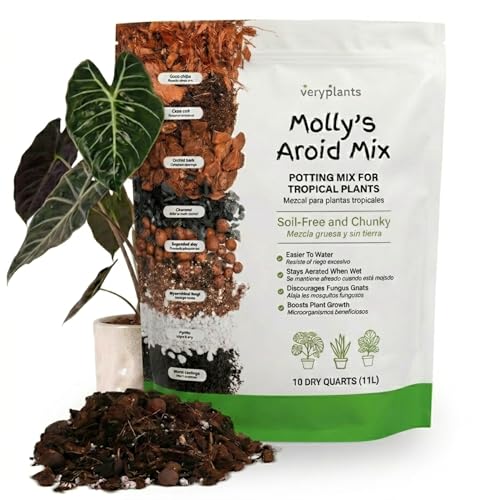
Molly’s Aroid Mix, 10 Dry Quarts

Rosy Soil Houseplant Mix, 8 Quarts
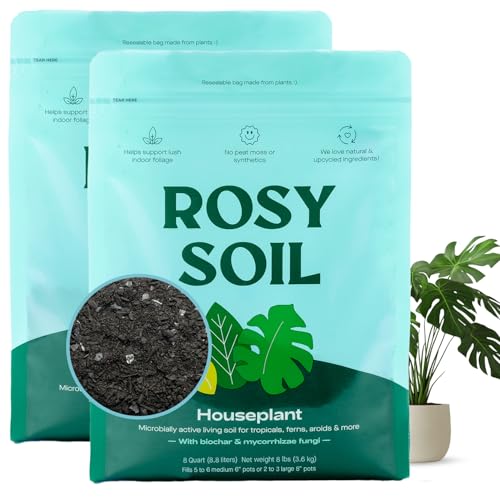
Rosy Soil Houseplant Mix, 8 Quarts, 2-Pack

Miracle-Gro Moisture Control Potting Mix, 16 qt

Rosy Soil Houseplant Mix, 4 Quarts

Burpee Organic Coconut Coir, 8-Quart 2-Pack
Meet The Standout Selections
Repotting a Monstera, Philodendron, or Alocasia becomes easier when the mix is chunky and drains promptly. Molly’s Aroid Mix uses a soil-free, mineral-based blend that leaves air around roots instead of collapsing into a dense mass. For most indoor plant shelves, that structure suits plants that dislike sitting in wet soil.
The formula also includes mycorrhizal fungi, which form relationships with roots and support water and nutrient uptake. You get a lighter mix to handle than garden soil, plus a resealable bag that helps preserve unused material between repotting sessions.
Bright Spots
- Chunky particles preserve air spaces between waterings.
- Fast drainage reduces the chance of saturated root zones.
- The soil-free formula is lighter and less messy to handle.
- Mycorrhizal fungi support root relationships and nutrient uptake.
- The heat-sealed bag is resealable and recyclable.
Practical Considerations
- Ten dry quarts require more storage space than the smaller Rosy Soil options.
Quick Facts
Who It Suits Best
You grow tropical aroids or other indoor plants that benefit from an open, fast-draining root environment.
Where Another Pick Suits Better
Rosy Soil Houseplant Mix, 8 Quarts suits you more when a general peat-free formulation and a smaller bag matter more than coarse chunky structure.
Rosy Soil takes a different approach from Molly’s coarse aroid blend, combining biochar, worm castings, compost, bark fines, and mycorrhizae without peat. You get a more traditional houseplant medium built from several organic inputs rather than garden soil. That ingredient variety may appeal to you when you want a complete-looking mix for everyday indoor plants.
Mycorrhizal fungi are beneficial organisms that associate with plant roots and support resource uptake. The blend is described as organic and sustainably sourced, making it a practical consideration for gardeners who avoid peat and synthetic fertilizers in their indoor potting routine.
Why It Works Well
- Biochar, compost, and worm castings create a more complex growing medium.
- Mycorrhizae can support roots without requiring separate application.
- The eight-quart bag suits routine repotting and propagation work.
Small Caveats
- Its bark-fine composition may not provide the same open structure as Molly’s chunky mix.
- Eight quarts still needs a dry, accessible storage place between uses.
Key Product Details
Built With In Mind
You maintain a varied collection of common indoor plants and prefer a peat-free, organic houseplant medium.
Consider Something Else When
Molly’s Aroid Mix, 10 Dry Quarts fits better for tropical plants that need pronounced airflow around their roots.
The two-pack carries the same general Rosy Soil houseplant formula as the single eight-quart version, so the meaningful difference is quantity rather than a different plant formula. Two separate bags give you more material for a sizable collection, propagation station, or several annual repotting sessions. Keeping one sealed while you use the other can also reduce the amount of mix exposed to the air.
The peat-free ingredient approach remains the same, with biochar, worm castings, compost, bark fines, and mycorrhizae included. For a home with many pots, that combination makes this a convenient way to keep a consistent medium on hand without repeatedly filling a smaller container.
Standout Benefits
- Two bags provide 16 quarts of total dry volume for larger projects.
- Separate packaging lets you open only one bag at a time.
Potential Drawbacks
- The combined volume requires meaningful shelf or closet space.
- You are carrying two bags rather than one even though the core formula matches the single-bag version.
- This general houseplant blend may be less open than a dedicated chunky aroid medium.
The Right Fit
You repot numerous houseplants, propagate cuttings, or want a consistent supply of organic potting medium available.
A Better Fit Elsewhere
Rosy Soil Houseplant Mix, 4 Quarts suits you better when limited storage space matters more than having two full bags ready.
Miracle-Gro shifts the focus from indoor aroids to container gardening, where flowers, shrubs, vegetables, and other plants need moisture managed across changing weather. Its AquaCoir formula is designed to absorb more water than basic potting soil, helping bridge the gap between a thorough watering and the next scheduled drink. That makes it useful for container displays or edible plants near a patio.
The mix also feeds plants for up to six months, reducing the need to remember a separate feeding schedule right after potting. You gain two practical functions in one medium, although the moisture emphasis makes it less directly aligned with tropical plants that prefer rapid drainage.
Noteworthy Benefits
- AquaCoir is designed to absorb more water than basic potting soil.
- Built-in plant food supports feeding for up to six months.
- One medium handles moisture management and nutrition.
- The 16-quart volume suits several large containers.
Less Ideal Details
- Indoor aroids may prefer Molly’s Aroid Mix’s chunkier, faster-draining structure.
The Main Details
Made For
You grow mixed outdoor container plants and want moisture management and plant food in one potting medium.
Reach For A Different Pick When
Molly’s Aroid Mix, 10 Dry Quarts fits better for indoor tropical plants that need a coarse, fast-draining root zone.
The four-quart Rosy Soil bag keeps the formulation consistent with the larger Rosy Soil options while reducing the amount you need to store. Its biochar, worm castings, compost, bark fines, and mycorrhizae create an organic blend without peat, which may suit you when you want a straightforward medium for ordinary houseplants.
The smaller package works particularly well for a compact collection or occasional repotting. You avoid committing to a large amount of material, though a plant in a substantial container may require more than one bag to fill.
Key Advantages
- The compact bag is easier to store in a small utility area.
- Multiple organic ingredients support a varied houseplant medium.
- Mycorrhizae are included for root associations and resource uptake.
Some Limits To Know
- Four quarts may be modest for several medium or large pots.
- The general formula does not provide the pronounced chunkiness of an aroid-focused mix.
Whose Shelf It Belongs On
You keep a small houseplant collection or want an easy-to-store bag for occasional repotting and propagation.
Another Choice May Suit
Rosy Soil Houseplant Mix, 8 Quarts suits you better when you want more potting medium without moving to a two-pack.
Burpee offers a different role from the complete mixes above: coconut coir works as a light, moisture-retentive soil amendment made from recycled coconut husks. You can blend it into another medium to adjust water retention or use it for seed starting, flowers, herbs, vegetables, and fruit grown in containers or raised beds. That flexibility makes it useful for gardeners who like preparing their own mixes.
The coir is listed by OMRI for organic gardening and carries no garden soil from its stated source. Because it retains moisture, you may need to balance it with airier components for plants that require a loose root zone, especially indoor aroids.
Useful Highlights
- Recycled coconut husks provide a renewable growing material.
- The light texture is easy to handle and transport.
- Moisture retention supports seeds and moisture-loving plants.
- Two eight-quart bags provide useful mixing volume.
Things To Weigh
- Coir is presented as an amendment, so you may need another component to build a complete houseplant mix.
- Its moisture retention calls for careful pairing with aerating materials for aroids.
Feature Snapshot
Who Will Love This
You start seeds, grow container vegetables, or blend your own moisture-retentive potting medium.
Swap It Out When
Rosy Soil Houseplant Mix, 8 Quarts suits you better when you want a complete houseplant medium without preparing a custom blend.
Match The Mix To Your Plant And Routine
Read Drainage Before Bag Size
Potting soil for houseplants should hold enough water for the roots while allowing excess moisture to leave the container. A chunky aroid mix provides large air spaces, which suits tropical plants in indoor pots. General houseplant blends offer a middle ground, while moisture-control mixes suit containers exposed to changing outdoor conditions.
Understand What Each Ingredient Does
Biochar is a porous carbon material that can improve a growing medium’s structure. Worm castings and compost contribute organic matter, while bark fines help create pore space. Mycorrhizae are fungi that associate with roots and support water and nutrient uptake. Coir is a fibrous coconut material that retains moisture.
Match Air And Moisture To The Plant
Large-leaf tropical plants and aroids generally benefit from an open root environment that drains promptly. Ferns and other moisture-retentive plants may accept a denser mix. The pot also matters because small containers dry faster, while large ones can retain excess moisture longer around the root ball.
Account For Storage And Refilling
Dry volume tells you how much material the bag contains, but pot dimensions determine how many containers it fills. A four-quart bag may suit a small collection, while two larger bags can reduce the need for frequent refills. Keep unused mix sealed and away from floor moisture, especially in closets or utility areas with limited airflow.
Two Buying Details That Shape Your Decision
Mistakes Worth Dodging
Choosing a mix solely by the plant’s name can leave out its actual growing conditions. Aroid mixes prioritize airflow, while coir focuses on moisture retention. Check drainage requirements, pot size, and whether you want a complete medium or an ingredient for custom mixing.
What Separates Premium From Basic
Higher-tier potting blends often use specialized minerals, biological additives, or a more complex organic ingredient profile. Miracle-Gro adds plant food, Molly’s includes mycorrhizal fungi in a chunky formula, and Rosy Soil combines several organic inputs. Those additions matter when they match your plant and watering routine.
Frequently Asked Questions
Can You Use The Same Potting Soil For Every Houseplant?
No, drainage requirements differ among plant types. Aroid blends suit tropical plants that need an open root zone, while moisture-retentive mixes make more sense for plants and containers that dry quickly.
Which Mix Is Best For Monstera?
Molly’s Aroid Mix, 10 Dry Quarts is the closest fit among these options. Its chunky, fast-draining structure gives Monstera roots airflow while still providing a mineral-based growing medium.
Can Coconut Coir Replace Potting Soil By Itself?
Coir works better as a component in a blend because it retains moisture but does not provide the same complete structure as these houseplant mixes. You can combine it with aerating materials to create a more suitable root environment.
How Much Potting Soil Does Eight Quarts Fill?
The result depends on pot diameter, depth, and the amount of space left for roots. Four quarts offers a smaller refill, while eight or sixteen quarts suits more containers or repeated repotting sessions.
Does Peat-Free Potting Soil Contain Organic Matter?
Rosy Soil Houseplant Mix includes biochar, worm castings, compost, and bark fines without peat. Those ingredients create a more varied medium for common indoor plants.
Final Verdict
Start with drainage, then match the format to your routine. Molly’s Aroid Mix serves tropical plants that need open roots, Rosy Soil covers general houseplant care in several volumes, and Burpee coir supports custom blending. Choose the option that fits your plants and storage space, then give it time to settle into your watering pattern.
