

Ferns can look elegant indoors while quietly making a poor impression in soggy soil. Their roots need moisture, but they also need air, and the right potting mix helps you balance both without guessing at every watering. The products below include general houseplant blends, specialist mixes, and soil amendments that can help you create a better fern setup depending on your plants and containers.
The Choices Worth Comparing

Rosy Soil Cactus & Succulent Mix 4 Quarts

Rosy Soil Biochar Booster 8 Quarts
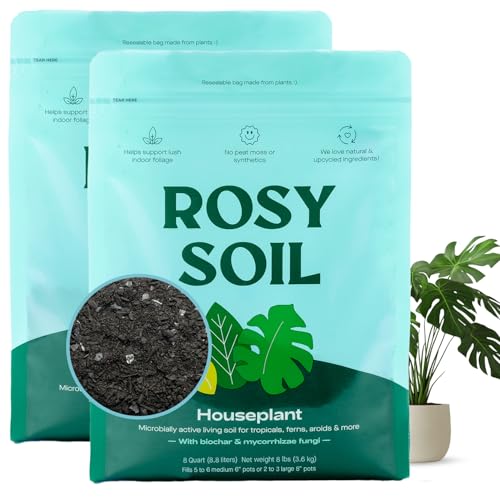
Rosy Soil Houseplant Potting Soil 8 Quarts

Rosy Soil Houseplant Potting Soil 4 Quarts

Rosy Soil Orchid Potting Mix 4 Quarts

Rosy Soil Herb Mix 4 Quarts
The Strengths Of Each Pick
Rosy Soil Cactus & Succulent Mix 4 Quarts is built around a loose, gritty structure that drains quickly. That makes it a sensible specialist blend for aloe, jade, snake plants, and other drought-tolerant plants, rather than a natural match for moisture-loving ferns.
For a fern shelf, the open texture can still be useful in a large container or alongside another medium, provided you monitor moisture carefully. Its worm castings, beneficial organisms, and lack of peat moss give it a more deliberate approach than ordinary dense potting soil, and the 4-quart size keeps leftover mix manageable.
Notable Upsides
- Chunky components help prevent compacted, waterlogged soil.
- Worm castings and beneficial organisms support root-zone activity.
- No peat moss helps the mix shed excess water more readily.
- Each 4-quart bag fills roughly two or three containers.
Trade Offs
- Its fast drainage can leave ferns thirsty in a warm room.
- It is formulated for drought-tolerant plants, not ferns.
Quick Facts
Made For Dry-Loving Containers
This mix suits people growing succulents, cacti, or other plants that prefer quick drainage and a gritty root zone.
A Better Fit Elsewhere
Rosy Soil Houseplant Potting Soil 8 Quarts is the more practical choice for ferns that need a moisture-retentive indoor base.
Rosy Soil Biochar Booster 8 Quarts is an amendment, not a complete potting mix, so its role is to change the soil you already have. Biochar is a stable, carbon-rich material with a porous structure that can improve water retention, aeration, and nutrient handling when blended into growing medium.
That makes it a flexible option for ferns grown in raised beds or larger containers where you can control the blend. It is less convenient for a small indoor pot, since the label recommends mixing it into new soil at about 5 percent, or roughly one cup per cubic foot.
Bright Spots
- Adds water-holding capacity without relying on peat moss.
- Works in potting soil, raised beds, and outdoor planting areas.
- Combines biochar with mycorrhizae, worm castings, bokashi, and compost.
- One 8-quart bag amends up to 5 cubic feet.
Practical Considerations
- It requires mixing rather than filling a pot directly.
- Small fern pots may not need a large soil amendment.
Feature Breakdown
Who Will Love This
Container gardeners and raised-bed growers benefit from the ability to blend this amendment into their own soil mix.
Consider Something Else When
Rosy Soil Houseplant Potting Soil 4 Quarts is easier for a small fern repotting project that needs a complete medium.
Rosy Soil Houseplant Potting Soil 8 Quarts is the most straightforward fit for a collection of indoor ferns. Its description points to biochar, worm castings, mycorrhizae, compost, and bark fines replacing peat moss, which creates a useful balance of organic matter and aeration for container plants.
Two 4-quart bags give you room for multiple repottings, and the general houseplant focus is more relevant than the cactus, orchid, or herb formulas. The honest caveat is that a general blend still needs to suit the fern species and the container, especially for plants that prefer consistently moist soil.
Strong Points
- Designed for the broad needs of indoor houseplants.
- Biochar and bark fines support an open root zone.
- Mycorrhizae and worm castings add biological material.
- The 8-quart pack suits multiple ferns and repotting days.
Worth Noting
- It is a general houseplant mix, not a fern-specific formula.
- Container size and drainage holes still affect moisture retention.
Right Fit For
This option suits indoor gardeners with several ferns who want one practical soil for routine repotting.
Where A Sibling Pick Shines
Rosy Soil Herb Mix 4 Quarts may make more sense for ferns sharing a container with moisture-loving kitchen herbs.
Rosy Soil Houseplant Potting Soil 4 Quarts is the smaller-format version of a practical indoor mix. Biochar, bark fines, worm castings, compost, and mycorrhizae give it a more varied structure than plain garden soil, while the absence of peat moss may suit gardeners who prefer to avoid that traditional ingredient.
For a single fern or a few small pots, four quarts can be easier to store and carry than a larger pack. You may find that a general mix works best with a little attention to watering, since young ferns and mature specimens can have different moisture needs.
Strengths Worth Knowing
- Convenient quantity for small indoor collections.
- Multiple organic components encourage a varied soil structure.
- Designed for indoor container planting.
- No synthetic fertilizers or fillers are listed in the product description.
Minor Gripes
- Small volume limits how many containers you can fill.
- The mix may need adjustment for very moisture-loving ferns.
- It does not offer the larger quantity of the 8-quart version.
Core Details
Whose Shelf It Belongs On
This mix is well suited to apartment growers or beginners repotting a small group of indoor ferns.
Another Choice May Suit
Rosy Soil Houseplant Potting Soil 8 Quarts offers the same core direction with more soil for multiple plants and future repotting.
Rosy Soil Orchid Potting Mix 4 Quarts uses orchid bark, pumice, and biochar to create an open, fast-draining medium. That structure suits orchids, which generally prefer air around their roots rather than a dense, heavily waterlogged potting soil.
It is not the first choice for a moisture-loving fern, but the airy profile can work for ferns that tolerate quicker drying or grow in baskets with excellent drainage. Its mycorrhizae and beneficial microbes also make it a more purposeful specialist mix than a plain bark medium.
Everyday Advantages
- Bark and pumice create strong airflow around roots.
- Biochar adds a stable porous component.
- Mycorrhizae and microbes support root development.
- The 4-quart size works well for individual plants.
Small Caveats
- Its open structure may dry too quickly for many ferns.
- It is specialized for orchids rather than general indoor planting.
Best Suited To
This mix suits orchid growers or fern owners whose plants need an especially open root environment.
Not Your Match When
Rosy Soil Houseplant Potting Soil 8 Quarts is the better option for ferns that need steadier moisture around their roots.
Rosy Soil Herb Mix 4 Quarts is made for basil, thyme, mint, parsley, cilantro, lavender, rosemary, and similar plants. Biochar, worm castings, and mycorrhizae support root development and nutrient uptake, making it a sensible option for windowsill or patio planters.
A fern planted alongside a compatible herb may benefit from this more general organic mix, especially where the container needs consistent moisture. The trade-off is that the formula is not designed around ferns, so you should still adjust the mix and drainage to the specific plants involved.
The Helpful Details
- Designed for common culinary and fragrant herbs.
- Biochar, worm castings, and mycorrhizae support root growth.
- Works for indoor windowsills and outdoor planters.
- Four quarts suits a compact herb collection.
Possible Compromises
- Herb formulation does not guarantee ideal fern conditions.
- Small containers may require frequent watering in warm weather.
- Mixing several plants together can make moisture management less precise.
Feature Snapshot
Built With In Mind
This option is designed for people growing herbs indoors or outdoors and sharing a planter with compatible ferns.
Reach For A Different Pick When
Rosy Soil Houseplant Potting Soil 4 Quarts is the more focused choice for ferns kept as individual indoor plants.
What Matters Most in a Fern-Friendly Potting Mix
Moisture and Air Together
Ferns generally need a growing medium that holds enough water for the roots without becoming dense and airless. A practical mix should retain some moisture while leaving room for oxygen around the roots, particularly in a pot with drainage holes. The Rosy Soil Houseplant Potting Soil options make more sense for this purpose than the cactus, orchid, or herb formulas, because their bark fines, compost, biochar, and other organic components are intended for a broader indoor planting context.
Container Drainage
The container matters as much as the soil. A fern pot with a drainage hole gives excess water a clear exit, reducing the risk of a perpetually wet root zone. A pot without drainage holes can turn even a reasonably open mix into a soggy environment, so check the vessel before repotting.
Choosing a Specialist Formula
The specialist mixes are useful when your plants have distinct needs. Cactus and succulent mix favors quick drainage for drought-tolerant plants, while orchid mix emphasizes an open root environment. The Biochar Booster is best treated as an addition to another medium rather than a complete potting soil. The herb mix is a practical option for a herb-heavy windowsill or patio arrangement.
Matching the Mix to the Plant
The closest fit for typical indoor ferns is Rosy Soil Houseplant Potting Soil 8 Quarts. The 4-quart version works well for a smaller collection, while the cactus and orchid mixes suit plants that prefer a drier or airier root zone. Think of the mix as one part of the setup: the plant, container, light, and watering pattern all influence the final result.
Key Details Before You Pot Ferns
Common Shopping Slip Ups
Do not choose a cactus mix simply because it contains bark. A fast-draining mix can leave a fern too dry, especially in a warm room or a small pot. Also check the opening size of a terracotta planter, since porous containers lose moisture faster than plastic or glazed ceramic.
What Separates Premium From Basic
Higher-tier mixes usually add more deliberate components, such as biochar, beneficial organisms, compost, or bark fines, instead of relying on a simple soil base. Those additions can improve structure and nutrient handling, but the upgrade is most useful when it matches the plant and container rather than simply adding more material.
Frequently Asked Questions
Is potting soil for ferns the same as potting soil for houseplants?
For many indoor ferns, a general houseplant mix is a practical starting point. It offers more moisture retention than a cactus mix, so your watering pattern will need less adjustment. Check the mix’s drainage and aeration against the specific fern species.
Can I use cactus and succulent soil for ferns?
Only in situations where you can compensate for its rapid drainage and monitor moisture closely. It is better suited to drought-tolerant plants than to most ferns. A houseplant blend is the safer everyday choice for moisture-loving ferns.
Does biochar help potting soil for ferns?
Biochar can improve water retention and aeration when it is properly blended into a growing medium. Rosy Soil Biochar Booster also includes biological components, but it is an amendment rather than a ready-to-use potting soil.
What should I look for in a fern potting mix?
Look for a balance of moisture retention and airflow, along with a container that drains freely. A general indoor mix with organic components is a sensible base. You may need to adjust the mix for species that prefer wetter or airier conditions.
Is a larger bag of houseplant soil better?
A larger bag is more convenient for several ferns, repeated repotting, and future additions. A smaller bag is easier to store and less likely to sit open for a long time. Your plant count and available storage space are the practical deciding factors.
Final Verdict
Rosy Soil Houseplant Potting Soil 8 Quarts is the most sensible starting point for a typical indoor fern collection, with the 4-quart version offering easier storage. The Biochar Booster suits gardeners who want to customize their mix, while the specialist cactus, orchid, and herb formulas make more sense when the plant’s root preferences call for them. Match the soil to the fern, pot it in a container that drains, and adjust from there.
