

Your tomato’s container affects root room, watering frequency, drainage, and how easily you can move the plant. The right size depends on the variety, growing method, and space available at your patio, balcony, or garden bed. A 5-gallon fabric bag suits a common compact-to-medium tomato plant, while larger or rolling planters make more sense for substantial root space and long-term patio growing. Net cups and small nursery pots serve earlier stages or hydroponic setups rather than mature tomatoes.
A Quick View Of The Lineup

VIVOSUN 5-Gallon Fabric Grow Bags

Rolling Citrus Tree Planter Gen 3 30-Gallon 24-Inch Self-Watering Olive Pot

Rolling Citrus Tree Planter Gen 3 30-Gallon 24-Inch Self-Watering Gray Pot

ORIMERC 30-Pack 3-Inch Hydroponic Net Pots, 30-Foot Wicks, 30 Labels
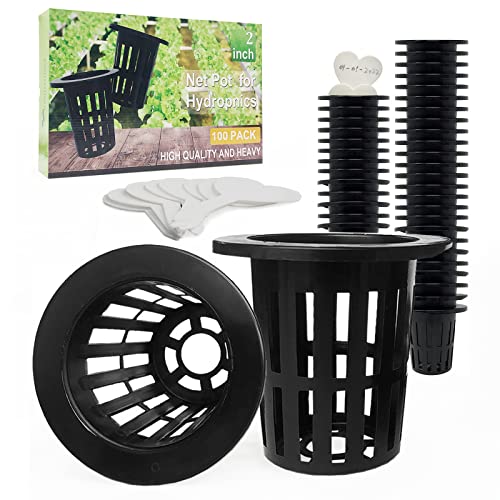
Tmtamye 100-Pack 2-Inch Net Pots

DUNPUTE 45-Pack Clear Nursery Pots in 3, 4, 5, 6, and 7 Inches with Drainage Holes
Meet The Standout Selections
Five gallons gives a standard patio tomato more room than a small nursery pot without requiring the footprint of a 30-gallon planter. The bag’s nonwoven fabric allows air and moisture to pass through, supporting a fibrous root structure instead of letting roots circle inside a rigid container.
Reinforced handles make a soil-filled bag easier to reposition around a patio or garden. For gardeners growing several compact or medium tomato plants, the five-bag pack offers a practical balance of drainage, portability, and reusable construction.
Useful Strengths
- The 300-gram nonwoven fabric provides airflow while permitting excess water to escape.
- Five-gallon capacity suits a common container-grown tomato without taking up excessive floor space.
- Serger-stitched handles add support around the openings, which matters when the soil is wet.
- The five-pack provides separate growing sites for a family of tomato plants.
Practical Considerations
- Open-sided fabric loses moisture readily, so hot-weather watering schedules may need close attention.
- A five-gallon bag can still restrict a very large or vigorously growing plant compared with a 30-gallon planter.
Key Specs
Who It Suits Best
This bag works well for home gardeners with patio, balcony, or outdoor bed space who want a reusable container with strong drainage.
Where Another Pick Suits Better
DUNPUTE 45-Pack Clear Nursery Pots in 3, 4, 5, 6, and 7 Inches with Drainage Holes suit gardeners focused on starting and transplanting tomato seedlings.
The 30-gallon rolling planter takes a different approach from the VIVOSUN bag, prioritizing substantial root space, integrated watering, and easy repositioning. Its 24-inch round body fits a large patio tree or vigorous tomato plant while leaving enough width for the locking casters to support movement.
The olive finish suits a garden setting where the container can remain a visible part of the space. You gain more capacity than a five-gallon fabric bag, although the steel construction and broad base demand a suitable, level spot.
The Good Stuff
- Thirty gallons gives a large tomato or citrus tree generous root room.
- An integrated reservoir supplies moisture through a wicking system.
- The water gauge helps you check moisture without disturbing the plant.
- Locking caster wheels make seasonal changes in light or shelter easier to manage.
Things To Consider
- Thirty gallons is more container than many compact tomato varieties need.
- A large filled planter requires a level surface and adequate clearance for the wheels.
- The fixed reservoir and larger body take more space than a simple fabric bag.
Built With In Mind
This planter best serves gardeners committed to a large patio tree, a vigorous tomato, or a long-term container that must be moved occasionally.
Consider Something Else When
VIVOSUN 5-Gallon Fabric Grow Bags suit gardeners who want a lighter conventional soil container for a standard tomato plant.
The gray version matches the rolling planter’s practical features while presenting a less garden-colored finish for a balcony, deck, or contemporary patio. Like the olive model, it combines a 30-gallon container, a 24-inch diameter, and an integrated self-watering system.
That larger format is useful for a substantial root run, though most ordinary tomato plants would be comfortable in a smaller container. The advantage appears when you want one robust pot that can follow changing sunlight, receive a steady supply of water, and hold a mature patio plant.
Good Reasons To Consider
- The modern gray finish coordinates easily with neutral outdoor furniture and planters.
- Coated steel and stainless steel hardware suit exposed outdoor placement.
- Wheel movement helps you adjust the plant’s position without lifting the full container.
Trade Offs
- The planter’s footprint makes it less convenient for crowded patios.
- Large capacity can be unnecessary for a smaller tomato variety.
- The gray color is less visually connected to a traditional garden palette than olive.
At A Glance
The Right Fit
This gray planter suits apartment or balcony gardeners who want a large, movable container with a restrained modern appearance.
Not Your Match When
Rolling Citrus Tree Planter Gen 3 30-Gallon 24-Inch Self-Watering Olive Pot may blend more naturally with a traditional garden or greenhouse arrangement.
These 3-inch net cups serve a different purpose from the large soil containers above. Their open mesh sides allow roots to reach a nutrient solution or a wick-fed reservoir, making them useful for a small hydroponic or aquaponic installation rather than a conventional filled pot.
The package combines 30 cups, 30 feet of capillary wick cord, and 30 labels. That arrangement gives you the main components for building several self-watering holders, with the wick drawing water upward through capillary action.
Where It Helps
- Thirty cups support multiple small growing sites in one setup.
- Mesh sides give roots access to water in hydroponic containers.
- The included cord can connect a pot to a separate water reservoir.
- Reusable labels help organize varieties or propagation batches.
A Few Limitations
- The 3-inch size is suited to young plants rather than mature tomatoes in regular soil.
- You need compatible containers and a water source to create a functioning wick system.
Feature Snapshot
Who Will Love This
Hydroponic beginners and hobbyists will appreciate having cups, wick cord, and labels together for a compact self-watering project.
A Better Fit Elsewhere
Tmtamye 100-Pack 2-Inch Net Pots suit gardeners who need many more small net cups for a larger propagation or hydroponic array.
A hundred small net cups make sense when your project involves numerous seedlings or a broad propagation grid. The 2-inch size keeps each cup suited to early growth, while the open mesh construction fits hydroponic lids, bucket systems, and other arrangements that expose the roots to moisture.
Compared with the ORIMERC set, this option concentrates on the cups rather than including wick cord and labels. That makes it more flexible for a larger system, though you will need to organize the containers separately.
Points In Its Favor
- The 100-piece count supports extensive propagation or a multi-site hydroponic setup.
- A wide rim makes each 2-inch cup easier to grip and place.
- Raised bottoms allow the cups to stand independently in suitable locations.
- The plastic construction is reusable and easy to rinse between growing cycles.
Points To Note
- These cups are not a conventional soil container for a mature tomato plant.
- No wick cord or plant labels are included in the listed package.
- You need a suitable hydroponic or support arrangement for the small cups.
Made For
This pack is a practical fit for greenhouse growers, classroom projects, and home hydroponic setups that need many 2-inch starting positions.
Reach For A Different Pick When
ORIMERC 30-Pack 3-Inch Hydroponic Net Pots, 30-Foot Wicks, 30 Labels suit gardeners who want a complete wick-fed setup with larger cups and labels.
Transparent nursery pots solve the early-stage problem of checking moisture and root development without disturbing a plant. This set includes nine pots in each of five sizes, from 3 through 7 inches, so you can move a tomato seedling into progressively larger containers as its root system develops.
The drainage holes suit conventional potting soil, while the clear walls make the soil and roots easier to observe. These pots work best as propagation and transplant containers rather than the final home for a large, indeterminate tomato.
The Practical Payoff
- Five sizes reduce the need to find matching pots at each transplant stage.
- Clear plastic makes moisture and root conditions visible from the side.
- Drainage holes prevent excess water from collecting at the bottom.
- Forty-five pots support multiple tomato varieties or propagation batches.
Room For Improvement
- Even the largest 7-inch pot is a transitional container for a mature tomato plant.
- Clear plastic can show soil marks, so the pots may need a tidy storage area.
Quick Facts
Who Should Grab It
Seed-starting gardeners will find the range especially useful for moving tomato plants from germination trays into progressively larger soil pots.
Swap It Out When
VIVOSUN 5-Gallon Fabric Grow Bags suit gardeners ready to move a tomato into a larger, breathable container for continued growth.
What Matters Before You Choose a Tomato Container
Match the Root System
The container needs to correspond to the tomato’s growth stage and mature size. A 3- to 7-inch nursery pot or 2- to 3-inch net cup is primarily a starting or propagation container, while the 5-gallon VIVOSUN bag offers more soil volume for a typical patio plant. Large, vigorous tomatoes may benefit from the 30-gallon rolling planters, especially when you want to keep them in one movable container for multiple seasons.
Check Drainage and Moisture
Drainage and water delivery are separate parts of container design. Fabric grow bags release excess moisture through their porous sides, while rigid nursery pots rely on drainage holes. The rolling planters use a reservoir and wicking system, meaning you check the internal gauge and refill through the tube instead of watering the soil directly every time.
Measure Space and Handling
Container width matters as much as capacity. The VIVOSUN bag is compact and can be lifted by its handles, but a soil-filled bag still has meaningful weight. The 30-gallon planters need a level surface with room for their 24-inch bodies and locking wheels, making outdoor placement and access to sunlight more important than raw capacity.
Two Details That Change Container Choice
Mistakes Worth Dodging
Choosing by the word “large” can leave you with unnecessary space or a plant that outgrows its pot. Check the stated diameter, volume, drainage method, and whether the container supports soil, hydroponics, or a wick-fed system. A net cup and a five-gallon fabric bag solve different parts of the tomato-growing process.
What Separates Premium From Basic
The extra spend in a large rolling planter goes toward a coated steel body, stainless steel hardware, a water reservoir, gauge, and locking caster wheels. Those features suit gardeners who value integrated watering and mobility. A basic fabric bag or nursery pot remains more practical for a smaller collection, propagation stage, or limited patio footprint.
Frequently Asked Questions
What size pot is best for tomatoes?
A 5-gallon container gives many standard patio tomatoes a useful balance of root space and manageable size. Larger varieties may need more room, while smaller nursery pots work best during early growth.
Are 5-gallon fabric pots suitable for tomatoes?
Yes, the VIVOSUN 5-Gallon Fabric Grow Bags suit conventional soil-grown tomatoes that need drainage and portability. The porous fabric requires regular moisture checks, particularly in hot weather.
Can tomatoes grow in net cups?
Tomatoes can grow in net cups when the system supplies water and nutrients through hydroponics, aquaponics, or a wicking arrangement. These cups are not standalone soil containers for a mature plant.
When does a 30-gallon tomato planter make sense?
A 30-gallon planter suits a vigorous tomato, long-term patio growing, or a plant you want to move between changing light and shelter conditions. Its size and rolling base require adequate clearance and a level surface.
Why are clear nursery pots useful for seedlings?
Clear walls let you see the soil moisture and developing roots without removing the plant. The 3- through 7-inch range also makes it easier to move seedlings into larger pots as they grow.
Final Verdict
The right tomato pot depends on what comes next in the plant’s life. Use small nursery or net cups for propagation, a 5-gallon fabric bag for a conventional patio tomato, and a 30-gallon rolling planter for a large, mobile container setup. Match the container to your growing method before considering color or decorative details.
