

A fig tree in a undersized container can struggle through hot weather, while a heavy pot becomes difficult to reposition when the light changes. For patios, balconies, and compact backyards, a rolling planter adds useful flexibility: you can move the tree, maintain drainage, and keep a large root zone without turning the container into a permanent obstacle. These options suit different fig varieties, patio layouts, and watering routines, so the right choice comes down to capacity, mobility, and how much daily attention you want to manage.
The Lineup, Simplified
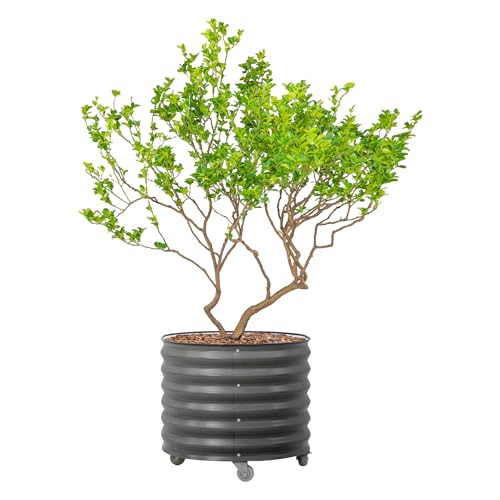
Vego garden Rolling Metal Citrus Tree Planter, 27 Inch, 45 Gallon, Modern Gray

Vego garden Rolling Metal Citrus Tree Planter, 21 Inch, 20 Gallon, 2 Pack Pearl White
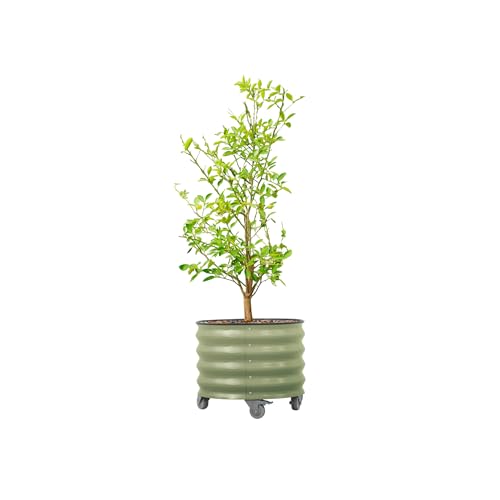
Rolling Metal Citrus Tree Planter, 21 Inch, 20 Gallon for Porch, Olive Green

Rolling Citrus Tree Planter Gen 3, 24 Inch, Self-Watering, 30 Gallon, Olive Green

Vego garden Classic Rolling Citrus Tree Planter, 1.75 by 1.75 Feet, Olive Green
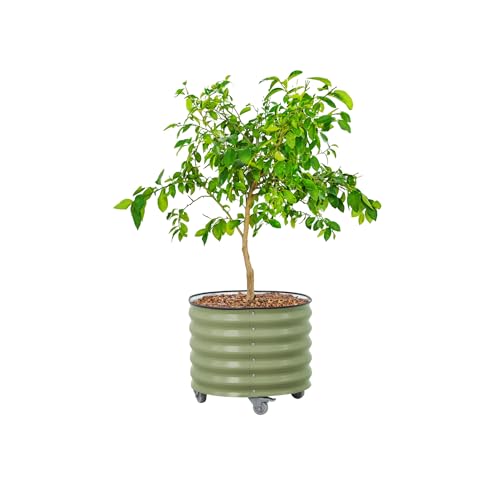
Rolling Metal Citrus Tree Planter, 24 Inch, 30 Gallon for Porch, Olive Green
What Each Pick Brings To The Table
This is the roomiest option in the group, with a 27-by-23.5-inch rounded-square body and a stated 45-gallon capacity. That extra volume makes more sense for a mature dwarf fig than a small ornamental tree, particularly on a patio where you want a substantial root zone without digging a permanent bed. The heavy metal frame and locking wheels also make this the practical choice for larger containers, although the filled weight may exceed what a person can comfortably reposition on a slope.
Compare that scale with the 21-inch options later: this planter sacrifices compactness for roomier soil and a steadier structure. Its draining holes support routine container watering, while the locking casters let you move the tree toward shelter or a different patch of light.
Notable Upsides
- The 45-gallon capacity supports a larger dwarf or patio-sized fig.
- Locking wheels add mobility without leaving the planter free to drift.
- Corrosion-resistant VZ 2.0 metal and Grade 304 stainless hardware suit outdoor use.
- Drainage holes help prevent water from collecting around the root zone.
Things To Consider
- Its size and filled soil can demand a wide patio, generous storage space, and careful planning when moving it.
At A Glance
Who It Suits Best
You need this planter for a larger dwarf fig and a patio with enough room for a 27-inch-wide container.
Where Another Pick Suits Better
The Vego garden Classic Rolling Citrus Tree Planter is easier to accommodate on a narrow balcony or compact terrace.
A pair of 21-inch planters gives you room to grow a fig and another compact tree, herb grouping, or ornamental without locating a second container. Each rounded-square body measures 21 by 17.5 inches and is intended for trees in the 5-to-15-gallon range, with 20 gallons as the maximum. For most patios, that capacity suits a young or deliberately dwarfed fig better than the much larger Vego garden Rolling Metal Citrus Tree Planter, 27 Inch, 45 Gallon, Modern Gray.
The locking wheels help you follow seasonal light or bring a tender plant closer to shelter. Pearl white gives this two-planter set a lighter visual finish, although matching containers can occupy more patio floor space than a single larger pot.
Points In Its Favor
- Two containers support separate plants or a coordinated arrangement.
- Rolling casters make seasonal repositioning less demanding.
- The 20-gallon maximum accommodates small patio trees.
- Metal construction and drainage holes suit container gardening.
Trade Offs
- Two 21-inch planters require more total floor space than a single round container.
- Very large fig cultivars may exceed the recommended tree size.
Made For
You need two coordinated planters for a small patio garden with separate fig and ornamental trees.
Consider Something Else
Rolling Citrus Tree Planter Gen 3 is the better fit for one fig owner who prefers a built-in watering reservoir and gauge.
Olive green gives this compact rolling planter a natural look among shrubs and Mediterranean-style plantings. Its 21-by-17.5-inch body and 20-gallon maximum position it between ornamental shrubs and larger fruit trees, making it a sensible home for a compact fig in a container. Compared with the pearl-white two-pack, this is the single-container option for a porch where visual simplicity matters.
Locking casters support seasonal movement, while the frame and drainage openings serve the dual needs of a mobile outdoor pot. You may find the rounded-square shape takes more corner space than a round planter of similar width, so measure the porch before committing.
What Works In Its Favor
- Olive green blends naturally into a planted patio setting.
- The wheels let you reposition the tree as sunlight changes.
- Its 20-gallon limit accommodates small and dwarf cultivars.
- Stainless hardware and coated metal support outdoor assembly.
Worth Noting
- The rounded-square footprint can be less space-efficient than a similarly sized round pot.
Quick Facts
The Right Fit
You want one olive-colored planter for a compact fig arranged among ornamental patio plants.
Look Elsewhere When
The Vego garden Classic Rolling Citrus Tree Planter fits a narrow balcony where the smallest possible footprint matters most.
The 24-inch, 30-gallon Gen 3 planter is built for a fig owner who wants less guesswork around watering. Its self-watering system stores water in a reservoir and uses a wicking mechanism, meaning moisture reaches the soil gradually rather than relying entirely on repeated surface watering. A refill tube lets you add water without disturbing the plant, while the gauge provides a visible indication of reservoir conditions.
That maintenance advantage distinguishes it from the other rolling pots, which rely on drainage and routine watering. Locking caster wheels add seasonal flexibility, and the 30-gallon soil volume provides a more substantial root zone than the 20-gallon choices. The 24-inch width still calls for deliberate placement on a patio or deck.
What Helps Most
- The reservoir and wicking system reduce frequent watering tasks.
- A built-in water gauge makes reservoir levels easier to monitor.
- The filling tube avoids having to reach into the soil.
- Thirty gallons supports a medium container-grown fig.
- Locking casters make seasonal repositioning practical.
Practical Considerations
- The reservoir and gauge add components that need occasional cleaning and familiarization.
The Details
Built With In Mind
You want fewer watering interruptions while maintaining a mobile, medium-sized fig on a patio.
Another Choice May Suit
Rolling Metal Citrus Tree Planter, 24 Inch, 30 Gallon for Porch, Olive Green is simpler when self-watering components do not add value to your routine.
A 1.75-by-1.75-foot square footprint makes this the most space-conscious planter here. It suits a balcony, rooftop, deck, or patio where a full-size raised bed would crowd the area, yet the raised profile still provides deeper planting space than a shallow pot. That depth gives roots more room to spread while keeping the tree contained above the surface.
Rolling wheels allow you to follow changing sunlight or move the planter for convenience. For a fig, the 21-inch width means you should select a compact cultivar and monitor the root ball as it develops. Compared with the rounded 24- and 27-inch planters, this option wins on narrow-space access rather than maximum capacity.
Strengths Worth Knowing
- The square 1.75-foot footprint works in tight outdoor spaces.
- Deep raised construction supports root growth.
- Wheels simplify seasonal repositioning.
- Olive green suits balconies and planted patios.
Small Caveats
- Its smaller footprint suits smaller figs better than a mature container tree.
- You need to confirm sufficient balcony load capacity for a filled raised planter.
Who Will Love This
You are working with a small balcony or rooftop and want a mobile, deep planter for a compact fig.
Reach For A Different Pick When
Vego garden Rolling Metal Citrus Tree Planter, 27 Inch, 45 Gallon, Modern Gray is the stronger fit for a larger root zone.
This 24-inch planter sits in the useful middle of the group, offering a 30-gallon capacity without the footprint of the 27-inch, 45-gallon model. Its rounded profile can be easier to place beside a curved wall or within a rounded patio arrangement, while the stated 30-gallon volume gives a medium dwarf fig a substantial root zone. It looks like a sensible middle path for many homeowners.
Locking wheels make the container easier to move toward changing light or protection from cold conditions, and the drainage holes support ordinary watering practices. The sturdy frame is the main advantage over smaller square planters. Without the integrated reservoir found in Gen 3, though, you will manage moisture more directly through the soil and drainage system.
What Pays Off
- Thirty gallons offers a useful balance of root room and patio footprint.
- Locking wheels make seasonal repositioning easier.
- Robust framing suits a substantial container tree.
- Drainage holes help manage excess container water.
Points To Note
- A filled 30-gallon planter is heavy, so level flooring and careful movement matter.
Feature Snapshot
Best Suited To
You want a mid-sized rolling pot that balances fig root space, drainage, and manageable patio dimensions.
Swap It Out When
Rolling Citrus Tree Planter Gen 3 fits you better when a water reservoir and visible gauge reduce your watering workload.
Fig Tree Planter Decisions That Matter
Root Room and Container Size
A fig grows best in a container with enough soil for its root system, and the planters here span 20, 30, and 45 gallons. The 20-gallon options suit compact cultivars, while 30 gallons offers more room for a medium dwarf tree. The 45-gallon model is the most substantial, but its filled weight and broad dimensions deserve equal attention.
Wheels and Seasonal Positioning
Locking casters are valuable when sunlight shifts across a patio or a delicate tree needs protection from cold conditions. They also make routine inspection easier. Check that the route is smooth and level, because thresholds and sloping ground can make a heavy planter difficult to control.
Drainage and Watering Design
Drainage holes let excess water leave the soil rather than collect around the roots. The Gen 3 planter adds a reservoir, wicking system, refill tube, and water gauge, so it suits someone who wants more control between waterings. Simpler planters require more frequent attention to soil moisture.
Shape and Outdoor Space
Round forms can fit curved edges neatly, while square planters use corners efficiently. The 1.75-foot Classic model is the most compact choice, and the two-pack creates a coordinated arrangement. Measure both the planter and its access path before ordering.
Where Fig Tree Planter Choices Get Trickier
Mistakes Worth Dodging
Choosing by appearance alone can leave you with too little root space or a container that cannot fit through the patio door. Check the mature size of your fig cultivar against the stated capacity, and measure the filled planter’s footprint rather than only its width. Locking wheels do not solve the challenge of moving a very heavy container across steps.
What Separates Premium From Basic
The higher-tier option adds an integrated reservoir, wicking system, refill tube, and gauge, while basic models rely on direct watering and drainage holes. That extra equipment costs more and requires familiarity, but it reduces routine interventions. It makes sense for busy plant-care routines, whereas direct watering is perfectly practical for an attentive gardener.
Frequently Asked Questions
What size pot does a fig tree need?
A compact fig generally needs more room than a standard decorative container, and 20 to 30 gallons suits many dwarf or patio cultivars. A 45-gallon planter provides additional root space for a larger container tree.
Are rolling planters suitable for fig trees?
Rolling planters work well for fig trees because you can move them toward better light or shelter. Locking wheels also help the container remain stable once positioned.
Does a self-watering fig planter reduce maintenance?
A self-watering planter can reduce frequent watering because its reservoir supplies moisture gradually. You still need to check the gauge and refill the reservoir as needed.
Why are drainage holes important in a fig pot?
Drainage holes let excess water escape the soil, helping prevent a waterlogged root zone. They work alongside your watering routine rather than replacing it.
Can I move a fig tree planter indoors?
You can roll a lighter container indoors or into shelter, provided the route and floor can support its filled weight. A large or heavy planter may be difficult to move over thresholds.
Final Thoughts
The best fit depends mostly on the size of your fig and the room you have to work with. Compact balconies favor the 1.75-foot Classic planter, while medium trees benefit from 30- and 45-gallon containers. The Gen 3 model stands apart for built-in watering convenience, and the simpler rolling pots keep the decision refreshingly straightforward.
