

A patchy lawn or a watering schedule that never quite matches the season can leave a yard looking tired. You need equipment that fits the space, handles the water you have, and keeps giving you dependable coverage without becoming a daily chore. The right pop-up sprinkler depends on whether you need a full sprinkler head, a replacement nozzle, or a hose-connected timer for a simpler setup.
A Fast Comparison Of The Options
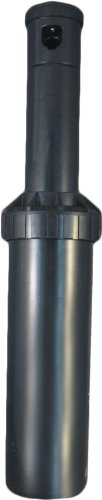
Rain Bird 3504-PC Part Circle Rotor Pop-Up Sprinkler

Orbit 54501 Professional Hard Top Pop-Up Spray Head with 15′ Nozzle

Toro 53730 Adjustable Underground Sprinkler Nozzle 15-Foot Spray

RAINPOINT Cycle & Soak Hose Timer with Rain Delay

RAINPOINT 2-Zone Garden Hose Water Timer with Rain Delay
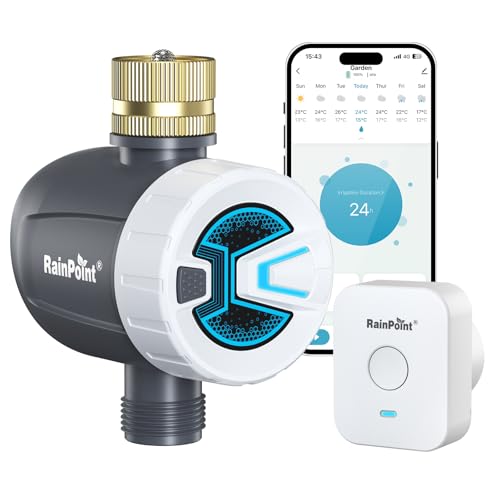
RAINPOINT WiFi Water Timer with Brass Inlet and App Control
Rain Bird’s 3504-PC is built around a part-circle rotor format, which makes it useful when you want to direct water into a defined area instead of soaking the entire yard. The 4-inch pop-up body suits a standard underground irrigation layout, while the included nozzle tree gives you several spray options to shape the output.
That setup works well for a front lawn, flower bed, or narrow side yard where overspray would be wasteful. Compared with the Orbit 54501’s adjustable spray head, this model focuses on a distinct rotor approach rather than a broad 15-foot pattern. It is a sensible fit for a homeowner working with an existing compatible system and a clear boundary in mind.
The Value In It
- Part-circle coverage helps concentrate water where it is needed.
- The 4-inch pop-up body fits common residential irrigation layouts.
- The nozzle tree provides multiple spray choices from one assembly.
- It suits beds and lawn edges where a full-circle pattern would be excessive.
Points To Note
- This is a sprinkler head, so it requires a compatible underground system and installation space below grade.
- Its part-circle format is less useful for an open lawn that needs uniform coverage from every side.
Key Specs
Made For
This sprinkler suits homeowners with a defined planting area or lawn section who want targeted coverage from a compatible underground irrigation system.
Look Elsewhere When
Choose the Orbit 54501 instead when you need a spray head with an adjustable pattern and a 15-foot reach.
The Orbit 54501 is the most flexible full sprinkler head in this group, with a spray pattern adjustable from 0 to 360 degrees and a radius that can cover as much as 15 feet. That range makes it useful for a mixed landscape where planting beds, paths, and lawn sections need different boundaries.
Its 4-inch riser and metal cap suit professional-style installations, including areas near sidewalks or driveways where mower and power-equipment contact can occur. Unlike the Rain Bird 3504-PC, this model gives you broad pattern control rather than a part-circle rotor configuration. For installers, the ratcheting stem also allows direction changes after the body is installed.
What Works In Its Favor
- The 0-to-360-degree pattern supports both narrow and circular coverage.
- A 15-foot radius reaches farther than many smaller spray-head setups.
- The metal cap adds protection around exposed installation areas.
- A gravity-activated silt trap helps manage dirty water in the bottom of the body.
- The included filter helps reduce nozzle clogging from particles.
Things To Consider
- The riser stem is not pressure regulating, so local irrigation-code requirements deserve a check before installation.
- Its 4-inch height requires adequate space below the soil line.
Quick Facts
Right Fit For
This spray head fits installers and homeowners managing medium-range coverage with an adjustable pattern and a multi-brand system.
Another Choice May Suit
The Toro 53730 is a better fit when you specifically need a replacement nozzle for a Toro 570 body rather than a complete pop-up spray head.
The Toro 53730 is a nozzle rather than a complete pop-up sprinkler body, so it serves a different repair and installation need. It fits Toro 570 pop-up or shrub spray bodies, with the spray body available separately. That makes it a practical choice for replacing the working end of an existing system without replacing the entire assembly.
Its 0-to-360-degree pattern and 12-to-15-foot radius adjustment give you room to fine-tune a zone around a tree, flower bed, or lawn section. The product also works with other irrigation systems, which can make it useful for mixed installations. Compared with the Orbit 54501, the tradeoff is simpler: you get a nozzle with wide adjustment, but you need a compatible body and the related installation components.
Everyday Advantages
- Adjustable radius lets you tailor the throw distance to the surrounding planting area.
- The full pattern range supports both partial and circular watering.
- It works with Toro 570 bodies and other irrigation systems, giving you more replacement flexibility.
- The nozzle-only format can simplify repairs and staged installations.
Small Caveats
- The matching Toro 570 pop-up or shrub spray body is sold separately, so your parts list needs to include it.
- Its coverage is a nozzle specification, not a complete sprinkler body, so total installation height and retraction depend on the body you use.
Best Suited To
This nozzle suits DIYers replacing a Toro 570 installation or matching an existing irrigation body that needs adjustable spray coverage.
Reach For A Different Pick When
The Orbit 54501 is a better fit when you need the sprinkler body, nozzle, and adjustable spray head as one assembled option.
The RAINPOINT Cycle & Soak timer shifts the category from buried sprinkler heads to hose-connected watering. It gives you a simple way to run a sprinkler, schedule irrigation, and add rain delay without rebuilding an underground system. That makes it a sensible starting point for a patio, a new lawn section, or a rental yard where a permanent plumbing setup makes little sense.
Cycle and soak divides a watering session into intervals, giving the soil time to absorb water between runs. Depending on your soil and sprinkler placement, that pattern may help reduce the surface runoff associated with one long watering period. The large display and one-click operation keep programming approachable, while the 360-degree swivel connection simplifies positioning the timer.
Key Advantages
- Cycle-and-soak programming supports more gradual watering sessions.
- Rain delay helps you pause scheduled watering after rainfall.
- The readable display makes timing settings easier to check at a glance.
- The swivel connection gives you flexibility in hose positioning.
- Manual watering remains available for quick on-demand use.
Less Ideal Details
- It runs from a garden hose rather than integrating with buried pop-up heads.
- Its watering coverage depends on the sprinkler or spray pattern connected to the hose.
Feature Snapshot
Who Will Love This
This timer suits beginners and renters who want scheduled hose irrigation without installing underground sprinkler components.
Consider Something Else When
Choose a full pop-up head such as the Rain Bird 3504-PC when you want a permanent underground watering point with targeted part-circle coverage.
The two-zone RAINPOINT timer solves a limitation of a single hose timer by letting you run separate watering schedules for two areas. You can dedicate one zone to a lawn and another to a flower bed, giving each a different start time or duration. That separation is more useful than one blanket schedule when sun exposure and plant needs vary across the same yard.
The upgraded valve design is intended to reduce flow resistance, while the improved screen structure carries an IP65 waterproof rating. It still belongs to the hose-timer side of the category, not the underground pop-up category, so your sprinklers need standard hose connections. Compared with the RAINPOINT Cycle & Soak model, this option trades cycle-and-soak emphasis for two programmable zones.
What Helps Most
- Two separate zones provide different schedules for separate yard areas.
- Rain delay supports changing conditions without manual reprogramming.
- Manual watering gives you direct control for spot watering.
- Automatic irrigation reduces the need to remember a daily start time.
- The two-zone layout is useful for lawns, beds, and container areas with different needs.
Potential Drawbacks
- It requires a hose-based setup, not a buried sprinkler network.
- Two zones add more setup decisions than a single-zone timer, especially for a first-time user.
Built With In Mind
This two-zone timer suits households with two distinct outdoor watering areas and a preference for automatic hose scheduling.
Swap It Out When
The RAINPOINT WiFi Water Timer is a better fit when remote app control matters more than managing two simple hose zones.
The WiFi timer is the most connected option here, turning a garden-hose watering point into a remotely managed system. Through the TUYA app, you can view watering status and adjust schedules from your phone instead of returning to the spigot every time a plan changes. The brass inlet gives the hose connection a sturdy feel, while 2.4 GHz WiFi and Bluetooth support give you more than one connection route.
The broader system can use one hub for up to four WiFi hose timers, which is helpful for a large yard or a property with several separate spigots. You can also pair a soil moisture meter, adding a more responsive way to manage irrigation. Compared with the two-zone RAINPOINT timer, the tradeoff is dependence on connected scheduling rather than purely local programming.
Where It Helps
- Remote app control lets you change watering plans without standing at the hose.
- Real-time status information helps you check whether a zone is running.
- The brass inlet provides a solid connection point for regular hose use.
- One hub can support up to four WiFi timers for a larger outdoor setup.
- Soil-moisture-meter pairing supports more responsive irrigation decisions.
Practical Considerations
- You need compatible 2.4 GHz WiFi coverage and an app-based setup for remote control.
- It remains a hose-connected timer, so it does not replace buried pop-up sprinkler heads.
Core Details
The Right Fit
This WiFi timer fits homeowners with several outdoor watering points who want remote control and soil-moisture monitoring.
Where Another Pick Suits Better
The RAINPOINT 2-Zone timer suits people who want two local schedules without relying on WiFi or an app.
Build Your Watering Setup Around Coverage and Control
Choosing an in-ground head and choosing a hose timer are different decisions. In-ground models cover permanent irrigation zones, while the RAINPOINT options automate connected sprinklers at an outdoor tap.
Start with the water source
Permanent pop-up sprinklers need compatible underground bodies, risers, and nozzles. A hose timer needs a standard garden-hose connection and a reachable spigot. This is the first distinction to make, especially in a new installation.
Match the pattern to the landscape
A part-circle rotor such as the Rain Bird 3504-PC works well around a defined bed or edge. The Orbit 54501 offers broader adjustment, while the Toro 53730 provides a 0-to-360-degree nozzle for replacement setups.
Decide how much automation you need
The single-zone Cycle & Soak timer suits simple hose watering. The two-zone model separates schedules for different areas, while the WiFi version adds remote control and room for multiple timers.
Keep the System Simple and Match It to the Space
Common Shopping Slip Ups
The biggest mistake is treating a hose timer like a pop-up sprinkler head. The timer controls a hose-connected sprinkler, while the head sits underground and disperses water through an irrigation system.
Mistakes Worth Dodging
Another mistake is buying a nozzle without confirming the body it fits. Toro 53730 nozzles pair with Toro 570 bodies, so check that compatibility before ordering replacement parts.
Where The Extra Money Goes
More advanced models tend to add programming flexibility, stronger connection materials, remote control, or multi-zone management. Those features matter for larger yards, separate planting areas, and anyone who wants fewer manual adjustments. A basic single-zone timer can still suit a straightforward patio or small garden.
When Paying More Pays Off
Higher-tier connected systems make sense when you need multiple hose points, phone-based control, or a plan that changes with weather. For one small zone, the simpler timers may be more than enough.
Frequently Asked Questions
What is the difference between a pop-up sprinkler and a hose timer?
A pop-up sprinkler is an underground irrigation head, while a hose timer connects to a garden hose and controls a connected sprinkler. Choose the first for permanent underground zones and the second for hose-based watering.
Which option offers the most adjustable spray pattern?
The Orbit 54501 adjusts from 0 to 360 degrees and reaches up to 15 feet. The Toro 53730 also offers a 0-to-360-degree pattern with a 12-to-15-foot radius when paired with a compatible body.
Can a hose timer replace underground sprinklers?
No. A hose timer automates a sprinkler connected to a hose, but it cannot provide the same permanent, distributed coverage as an underground irrigation network.
Which pick works best for a yard with separate lawn and flower-bed areas?
The RAINPOINT 2-Zone Garden Hose Water Timer fits separate hose-based areas because each zone can follow its own schedule. For permanent underground coverage, choose a compatible spray head for each bed and lawn zone.
Do I need WiFi to use the RAINPOINT WiFi timer?
The WiFi model is designed for app-based remote control through 2.4 GHz WiFi, with Bluetooth also included for connection flexibility. The non-WiFi RAINPOINT timers are better suited to local programming without a connected network.
Final Verdict
Your best fit depends on the system you already have. Choose the Rain Bird 3504-PC for targeted in-ground coverage, the Orbit 54501 for broad spray-head control, or the Toro 53730 for a replacement nozzle. For hose watering, the RAINPOINT timers cover simple, dual-zone, and app-controlled setups, with the WiFi version adding the most remote flexibility.
