

A koi pond can look bare even when the water is clear and the filtration system is working well. The right pond plants add surface cover, visual texture, and biological support while giving koi, goldfish, and other pond life more natural habitat. These options range from floating plants to marginal varieties and bowl lotus seeds, so you can match a plant to your pond’s depth, available space, and maintenance preferences.
The Lineup, Simplified
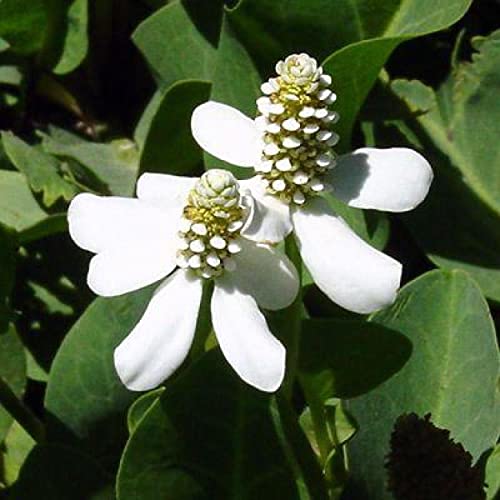
Chalily Yerba Mansa Live Pond Plant with White Flowers for Bogs and Shallow Water

Common Water Hyacinth

8 Live Water Lettuces for Ponds


15-piece Non-GMO Bowl Lotus Seeds for Ponds and Aquatic Bonsai

Wivolibe 35+ Non-GMO Bowl Lotus Seeds for Ponds and Bowls
More On The Choices That Made The List
Unlike the floating plants later in this list, Chalily Yerba Mansa occupies a bog margin or plant shelf, where its roots sit in wet gravel or soil. Its long, waxy leaves, white flowers, and sweet fragrance make it a focal point around a koi pond rather than a broad surface cover.
That structure suits pond keepers who want an unusual plant with visible flowers and roots anchored beneath the waterline. It also adds habitat around the edges, where fish and other small creatures can find cover.
What Stands Out
- White flowers and fragrant foliage bring seasonal interest to a damp pond edge.
- The marginal growth habit works well beside koi and goldfish ponds.
- Roots can be held in gravel or soil while the leaves remain above water.
- Its native Southwestern background suits a naturalistic water garden.
Points To Note
- It needs a moist planting zone rather than an open pond surface.
- Your pond must have a shelf, bog edge, or other shallow-water area for the roots.
Key Specs
Who It Suits Best
This plant fits pond keepers with a bog margin, shallow shelf, or planted edge who want fragrant flowers and structured foliage.
Consider Something Else When
Common Water Hyacinth is a better fit for ponds that need floating coverage across the water’s surface.
Common Water Hyacinth brings a flowering floating layer to freshwater ponds, aquariums, and larger water containers. Its broad leaves help absorb excess nutrients, while surface coverage can reduce light available to algae. That makes it a practical choice for a koi pond or shrimp tank with enough open water.
Compared with the rooted Chalily Yerba Mansa, this plant stays at the surface and needs no gravel bed. You gain an instantly visible plant, although pond owners should plan for containment and check local guidance before introducing a floating species.
The Helpful Details
- Flowers and floating foliage add color above the pond surface.
- Nutrient uptake supports a more natural balance within the water.
- Surface shade can discourage algae by limiting light.
- Its floating habit works without soil or a planting shelf.
Trade Offs
- Plan for regular thinning so the floating growth does not cover the entire pond.
- Local regulations may restrict water hyacinth in certain regions.
Quick Facts
Made For
This option suits freshwater pond keepers who want a flowering floater for nutrient uptake and partial shade.
Another Choice May Suit
AquaLeaf Water Lettuce offers a smaller floating footprint when one broad hyacinth plant would feel too expansive.
The eight-plant bundle gives a pond an instant floating layer without requiring soil. Each water lettuce has buoyant roots and green leaves, so placement is as simple as setting the plants on the water. The bundle feels particularly useful for a new pond that needs more surface coverage than a single specimen can provide.
Its floating leaves absorb excess nutrients and shade parts of the pond. Compared with Common Water Hyacinth, the water lettuces lack a listed flowering feature, but the eight-piece quantity makes them the more practical choice for broad coverage and easy spreading.
A Favorable Mix
- Eight plants provide more starting coverage than a one-plant purchase.
- Buoyant leaves create shade for pond fish.
- Nutrient absorption supports ongoing water management.
- No soil is needed, which simplifies the initial setup.
Worth Noting
- The plants multiply, so regular thinning helps control their spread.
- Floating roots need sufficient open water and room around the pond edge.
Best Suited To
This bundle works well for pond keepers who want several floating plants immediately and have space to thin them as they multiply.
Where Another Pick Shines
Chalily Yerba Mansa fits a shallow, planted edge, while these water lettuces are designed to remain on the surface.
AquaLeaf Water Lettuce comes as one 3-to-5-inch plant, making it a restrained choice for a compact water garden. You place the rosette directly on the surface, where its roots hang into the water and its leaves contribute shade. The setup suits a small pond without filling the opening with a large bundle.
Water lettuce can function as a natural biofilter, meaning it provides living surfaces that support microorganisms processing dissolved waste in a pond. The 8 Live Water Lettuces for Ponds makes more sense for broad coverage, whereas this single plant offers a more controlled starting point.
Notable Upsides
- The stated 3-to-5-inch size fits smaller water gardens.
- Placement requires no soil because the plant floats.
- It adds a natural filtration component to the pond.
- A single specimen offers a restrained introduction to floating plants.
Minor Gripes
- One plant may provide limited coverage in a large pond.
- It needs room around the surface and periodic spreading control.
At A Glance
Right Fit For
This single water lettuce suits small-pond owners who want a simple floating plant without beginning with a full group.
Swap It Out When
Wivolibe 35+ Non-GMO Bowl Lotus Seeds suit a different route, growing rooted flowering plants from seed rather than floating rosettes.
Seeds offer a patient path to a floating or potted lotus display that a mature plant cannot provide on the same day. This 15-piece package is intended for water bowls, ponds, and outdoor aquatic containers, giving you enough seeds to start several groups or keep replacements in reserve.
The bowl lotus form fits compact water features and aquatic bonsai projects. Compared with the live water lettuces, however, seeds require a germination process before you see a finished plant, so your timeline extends beyond delivery.
Benefits That Matter
- Fifteen seeds support several planting attempts.
- Bowl lotus suits both small water bowls and pond containers.
- The seed format lets you choose your own planting timeline.
- Aquatic bonsai projects gain a suitable flowering plant.
Possible Compromises
- You need suitable containers, aquatic soil, and a stable water setup.
- Seed germination takes longer than placing a live plant on the surface.
Who Should Grab It
This seed pack fits beginners and hobbyists who want to grow bowl lotus at their own pace in a small container or pond.
Look Elsewhere When
AquaLeaf Water Lettuce offers a better fit when you want an established floating plant without starting from seed.
Wivolibe’s larger seed selection serves several water-gardening projects at once. The 35-plus bowl lotus seeds are intended for indoor bonsai arrangements and outdoor ponds, with mixed-color blooms adding pink, red, white, and yellow options as the plants develop.
Compared with the 15-piece bowl lotus seed pack, this option carries more seeds and explicitly suits beginners, making it the more flexible choice for experimenting. You will still need to scarify the seed coat, soak the seeds with daily water changes, and transfer established sprouts into a suitable aquatic container.
What Earns Its Place
- More than 35 seeds allow multiple bowls or pond groups.
- Mixed colors create varied planting displays.
- Both indoor bonsai and outdoor pond projects are supported.
- The beginner-oriented format suits an extended growing process.
Things To Weigh
- Germination requires seed preparation and regular soaking.
- Young plants need an appropriate aquatic container and soil after sprouting.
Feature Snapshot
Built With In Mind
This larger seed mix fits beginners planning several containers or anyone who wants a broader color range.
Reach For A Different Pick When
15-piece Non-GMO Bowl Lotus Seeds fit a smaller project with a more compact starting quantity.
What Matters Before You Add Plants
Match the Growth Habit to the Pond
Floating plants occupy the surface, marginal plants need wet soil or gravel at the edge, and seeded lotus plants develop roots in containers. A surface plant offers quick coverage, while a marginal plant gives you a more structured border. Choose one growth habit at a time so your pond does not become crowded before the plants have settled.
Think About Coverage and Containment
Water lettuce and water hyacinth can spread across the surface and provide shade as they absorb excess nutrients. Floating growth needs room to expand, and regular thinning keeps open water available. Smaller water gardens often benefit from one plant, while a larger pond may support a broader floating group.
Account for Depth and Containers
Yerba Mansa requires a bog edge, plant shelf, or shallow-water zone where its roots can anchor. Bowl lotus seeds need a container prepared for aquatic growth after germination. Check the available depth, soil placement, and vessel size before ordering, especially for a compact water feature.
Common Shopping Slip Ups
A common mistake is judging a pond plant only by its flowers. A colorful floater can cover the surface quickly, while a rooted marginal plant adds structure and habitat without creating the same spread.
Another mistake is choosing a seed packet for an immediate display. Lotus seeds require soaking, sprouting, and a suitable aquatic setup before the plant becomes a prominent feature.
What The Higher Tier Buys
A larger plant count gives you more starting coverage, but quantity only helps when the pond has room to support it. A larger seed mix can be worthwhile for multiple bowls, mixed-color displays, and replacing seeds that do not sprout.
For a single small water garden, a compact plant or a smaller seed packet may deliver a more manageable project. Paying for additional material makes sense when you have several planting sites or a broader display planned.
Frequently Asked Questions
What Are the easiest pond plants for beginners?
Water lettuces and Common Water Hyacinth are among the easiest because they float without soil. Choose them according to your available surface area and local guidance.
Do pond plants help improve water quality?
Aquatic plants can absorb excess nutrients, provide shade, and support microorganisms that process dissolved waste. Their contribution depends on plant type, pond size, and other filtration equipment.
Can I grow pond plants indoors?
Bowl lotus seeds can be started in suitable indoor aquatic containers. You need an appropriate vessel, aquatic soil, and enough room for the developing plant.
Should floating pond plants be removed regularly?
Regular thinning helps control floating plants and preserves open water for fish and circulation. Remove excess growth before it covers the entire surface.
Are bowl lotus seeds suitable for outdoor ponds?
Bowl lotus seeds are intended for ponds and outdoor aquatic containers. Germination and transplanting require an appropriate growing setup before the plants become established.
Closing Thoughts
Your best pond plant depends less on a single feature than on the space it needs and the role you want it to play. Yerba Mansa brings structure to shallow edges, floating plants provide surface coverage, and lotus seeds suit a longer-term container project. Match the growth habit to your pond, allow room for spread, and your choice becomes much easier to maintain.
