

Picture your vegetable beds bordered by flowers that keep bees and other pollinators visiting from spring through harvest. The right seed mix adds color beside tomatoes and beans, creates a practical buffer around crops, and can turn a useful growing space into a more welcoming habitat. The six choices here range from dedicated wildflower packets to flowering herbs and leafy garden companions, giving you several ways to build a richer planting plan.
The Shortlist At A Glance

Bentley Kraft Bee 25-Packet Pollinator Wildflower Seed Mix

Bentley Pollination Celebration Wildflower Mix

Bentley 25-Packet Non-GMO Pollinator Wildflower Seed Mix

SWEET YARDS Organic Healthy Greens 12-Packet Variety Pack for 2026 Season

SURVIVAL GARDEN SEEDS Power Greens Pack
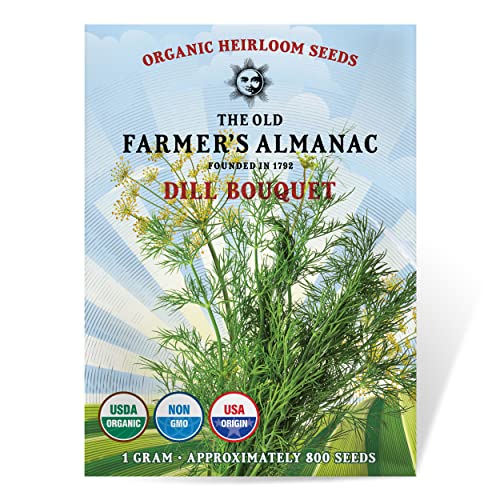
Old Farmer’s Almanac Organic Bouquet Dill, Approx. 750 Seeds
The Picks, Examined More Closely
Picture yourself dividing the front edge of a tomato bed into small sowing sections, with a packet of wildflowers assigned to each patch. The Kraft Bee mix makes that approach practical because it contains 25 packets, giving you room to spread blooms around several beds instead of concentrating one mix in a single corner. It is especially useful for gardeners who want a clearly bee-oriented planting beside productive vegetables.
Compared with the more general Bentley Pollination Celebration Wildflower Mix, this set foregrounds a 25-packet format and a bee-focused name. The individual packets also make it easier to stagger sowings or share a few with another gardener. Nothing flashy, just a straightforward way to add flowers around crops.
Good Reasons To Consider
- The 25 packets support several small plantings around a vegetable garden.
- Non-GMO seeds fit gardeners prioritizing seed sourcing practices.
- Uncoated seeds carry no outer seed coating, simplifying direct handling and sowing.
- The giftable packet format works for birthdays, housewarmings, and garden exchanges.
Things To Consider
- Twenty-five packets create more planting decisions, so a simple border may use only part of the set.
- You still need to prepare a suitable sunny patch and follow the sowing directions included with each packet.
Feature Snapshot
Made For
You benefit most from this mix when you manage several vegetable beds and want to place small groups of pollinator-friendly flowers around each one.
A Better Fit Elsewhere
Look toward SWEET YARDS Organic Healthy Greens 12-Packet Variety Pack for 2026 Season when your priority is a broad selection of salad crops rather than dedicated wildflowers.
A few large flower patches can look sparse beside a full vegetable row, particularly in a compact garden. The Pollination Celebration mix takes a more flexible approach, giving you a wildflower blend designed for planting and presentation without the larger 25-packet structure of the Kraft Bee set. It suits planters, borders, and a gift package for someone starting a pollinator corner.
The uncoated, non-GMO seed format is the key practical detail. Uncoated means the seeds arrive without an outer coating, which can make handling and direct sowing straightforward. For most kitchen gardens, the useful question is where you have room for a mixed flower patch that will bloom alongside your crops.
Standout Benefits
- The wildflower mix adds floral interest without requiring a separate list of flower varieties.
- Uncoated seeds are simple to handle when scattering or placing into small prepared areas.
- The gift presentation suits someone who wants to begin a garden but needs a manageable project.
Worth Noting
- Choose a sunny, prepared area so the mix does not compete with vegetables for limited space.
- The specific flower varieties and packet count should be checked on the product packaging before dividing the planting area.
Best Suited To
This option fits beginners and gift recipients who want a simple mixed-flower planting rather than a large collection of individually managed packets.
Consider Something Else When
The Bentley Kraft Bee 25-Packet Pollinator Wildflower Seed Mix suits you better when you want to spread dedicated pollinator flowers across several separate garden locations.
Where the Pollination Celebration mix offers a more general presentation, this 25-packet set gives you a larger collection for distributing pollinator flowers throughout a growing space. That format works well for a garden with several vegetable rows, a fence line, or separate containers that each need a small floral accent. The name makes the intended purpose easy to understand at a glance.
Its non-GMO and uncoated characteristics give you two useful selection points. As with the Kraft Bee mix, you are working with uncoated seeds, so sowing remains direct and uncomplicated. The exact flower blend deserves a closer look on the package, particularly for gardeners with a specific height or color preference.
What Pays Off
- Twenty-five packets make it practical to place flowers in multiple garden zones.
- The pollinator-oriented mix supports a visible floral contrast with vegetable foliage.
- Non-GMO labeling gives you a clear seed-selection criterion.
- Separate packets let you control how much you sow in each location.
- The format works for both home gardens and organized shared plots.
Points To Note
- Confirm the space available for each packet before sowing, since a large collection can quickly spread beyond its original plan.
Quick Facts
Right Fit
You get the most from this set when your garden has several distinct planting spots and you value flexibility over a single large border.
Another Choice May Suit
Old Farmer’s Almanac Organic Bouquet Dill, Approx. 750 Seeds is a more focused choice for gardeners who want a compact flowering herb beside vegetables.
The role changes with this selection: these are vegetable seeds, not a dedicated flower mix. Arugula, kale, Swiss chard, spinach, mustard, baby lettuce, and collards can fill a productive kitchen bed, while allowing space for dedicated flowers nearby. That separation gives pollinators a clear floral destination without asking every vegetable to serve that purpose.
Twelve individually packed varieties make this collection especially manageable. Individual packets let you start one crop at a time instead of handling a large mixed packet, and the indoor and outdoor planting options suit balcony growers as well as yard gardeners. In most kitchens, a smaller salad-focused selection is more useful than growing every variety at once.
The Value In It
- Twelve separate packets provide a wide selection without requiring one bulk seed container.
- Arugula, kale, Swiss chard, spinach, and mustard support varied salad and cooking routines.
- You can begin indoors or move the planting outside according to your setup.
- Individual packets make it easier to rotate crops and control the size of each sowing.
Small Caveats
- Leafy vegetables do not provide the same direct floral value as a wildflower or flowering herb mix.
- A twelve-packet assortment needs enough indoor or outdoor space to keep each crop growing without crowding.
Core Details
Who Should Grab It
This collection suits home cooks with limited space who want several salad greens while reserving nearby space for flowers that serve pollinators directly.
Where Another Pick Shines
Bentley 25-Packet Non-GMO Pollinator Wildflower Seed Mix is the stronger choice for gardeners whose main goal is a broad, flower-focused pollinator planting.
Ten named greens and herbs give this collection a different emphasis from the SWEET YARDS 12-pack. Collards, mustard, kale, Swiss chard, spinach, pak choi, tatsoi, arugula, parsley, and cilantro cover substantial salad crops, leafy vegetables, and two useful herbs. It fits a well-stocked kitchen garden where you want several harvests across spring and fall.
Pollinator planning still needs a separate floral layer, since most of these crops are grown for leaves, stems, or herbs rather than showy flowers. Pairing the collection with a small wildflower border keeps the two purposes clear. The named varieties also make it easier to plan successive sowings, depending on your local growing conditions.
Useful Highlights
- Ten distinct crops create a substantial collection of salad greens, herbs, and cooking vegetables.
- Spring and fall planting guidance supports two seasonal garden cycles.
- Parsley and cilantro add herbs to a collection otherwise dominated by leafy crops.
Trade Offs
- The collection does not itself provide a dedicated source of nectar or pollen flowers.
- Ten crops may strain a very small bed unless you choose which varieties to sow first.
- Each variety has its own growing habits, so the collection rewards some planning rather than one blanket sowing method.
The Right Fit
You benefit from this collection when you want a productive, varied kitchen garden and plan to add flowers as a separate pollinator resource.
Reach For A Different Pick When
Bentley Pollination Celebration Wildflower Mix suits you better when a compact giftable flower planting is the priority instead of a ten-crop edible collection.
One compact herb can link a kitchen garden to a pollinator planting more directly than another row of greens. Bouquet dill develops flowers after its leafy stage, adding a small floral feature near tomatoes, cucumbers, or squash. It works especially well in containers or a sunny herb corner where a full wildflower border would crowd the space.
The seed guidance calls for full sun, loamy soil, and soil temperatures of 60 to 70 degrees Fahrenheit. Thin the plants to 12 to 18 inches apart, and keep the soil moist without allowing it to become waterlogged. Regular leaf harvesting can postpone flowering, so leave some plants untouched when your goal is a longer floral display.
What It Does Well
- Approximately 750 seeds provide a sizeable starting quantity for one herb bed or several containers.
- The plant offers useful leaves before reaching its flowering stage.
- Open-pollinated seed is suited to gardeners interested in maintaining the variety through natural pollination.
- A sunny herb border adds flowers without requiring a separate mixed-flower collection.
Details To Watch
- Regular leaf picking can delay flowering, reducing the period when the plant serves pollinators.
- Dill needs warm soil and careful spacing, making it less suitable for an early cold-soil sowing.
Technical Highlights
Built With In Mind
This dill fits container cooks and herb enthusiasts who want one compact plant that serves the kitchen and eventually adds flowers to the garden.
Swap It Out When
The Bentley 25-Packet Non-GMO Pollinator Wildflower Seed Mix makes more sense when you want varied blooms rather than one herb with a distinct leafy stage.
Build a Pollinator Planting That Earns Its Space
Match Flowers to Your Garden Plan
A useful pollinator planting needs flowers that bloom across multiple periods, not just one colorful burst. Check the maturity and flowering information on each packet before deciding where it belongs. You also need to account for crop height, since tomatoes and climbing beans can shade a low flower strip. A sunny edge often works better than squeezing blooms between tightly spaced vegetables.
Decide How Much You Want to Sow
Uncoated seeds are easy to handle and sow directly, while individual packets help you control each planting. Twenty-five packets offer more placement flexibility, but a smaller set may suit a compact garden better. Begin with the spaces you can maintain consistently, then expand your flower areas as the first sowing establishes itself.
Separate Edibles From Floral Resources
Greens and culinary herbs remain useful garden additions, but they do not replace flowering plants for pollinator habitat. Bouquet dill bridges both purposes, while a wildflower mix concentrates on blooms. Combining one productive edible collection with one dedicated flower planting creates a balanced setup without forcing either category to perform two jobs at once.
Plan Pollinator Seeds With More Care
Mistakes Worth Dodging
Avoid choosing a flower mix solely by its cover image, and confirm the mature plant size before sowing. Do not assume a collection of greens will attract pollinators on its own, either. A sunny location, suitable soil, and steady attention to moisture matter more than the number of packets sitting in your storage drawer.
What Separates Premium From Basic
More packets help with broad placement, while individual packaging provides easier crop control. Organic and non-GMO designations match specific sourcing preferences. A higher-tier collection earns its place when its added variety, quantity, or packaging solves a real constraint in your garden, rather than simply adding more choices to manage.
Frequently Asked Questions
What Are the Best Pollinator Plants for a Vegetable Garden?
Flowering herbs and mixed wildflowers are practical choices because they add nectar and pollen near vegetable crops. Your local growing conditions, available sunlight, and desired bloom period should guide the specific selection.
Are Uncoated Pollinator Seeds Harder to Sow?
No, uncoated seeds are generally straightforward to handle because they have no outer seed coating. You still need to follow each packet’s sowing depth, spacing, moisture, and light instructions.
Do Vegetable Greens Attract Pollinators?
Greens can provide shelter, but most do not offer the open flowers that pollinators actively visit. Pair them with a wildflower mix or a flowering herb to create a more useful floral resource.
When Should Bouquet Dill Be Planted?
Plant the seeds in full sun after the soil has warmed to 60 to 70 degrees Fahrenheit. Thin seedlings to 12 to 18 inches apart and keep the soil moist without prolonged waterlogging.
How Many Seed Packets Do I Need?
The number depends on how many separate areas you want to plant. A 25-packet collection works well for several beds or borders, while a smaller mix suits one prepared flower patch or a gift set.
Final Thoughts
A productive pollinator garden works best when flowers and vegetables each have a clear role. Dedicated wildflower mixes provide the broadest floral variety, while Bouquet dill offers a compact two-purpose option. Whichever route you take, match the seed collection to your space and let bloom timing guide the planting plan. The right fit is the one you can sow, water, and enjoy throughout the growing season.
