

A plumeria in a warm patio pot can look healthy while quietly missing the nutrition needed for abundant blooms. The right fertilizer depends on the plant’s growth stage, the nutrient ratio, and whether you prefer steady soil feeding or a soluble concentrate. These options cover continuous feeding, balanced nutrition, bloom-focused formulas, and convenient spikes for established shrubs and trees.
The Choices Worth Comparing

Scotts Rose and Bloom Plant Food
FoxFarm Cha Ching 9-50-10 Fertilizer

Southern Ag PowerPak 20-20-20 Fertilizer
Winchester Gardens Evergreen Fertilizer Spikes

Winchester Gardens Tree and Shrub Spikes

Winchester Gardens Fruit and Citrus Spikes
Taking A Closer Look At The Options
A plumeria beside a sunny patio door can benefit from the same steady feeding approach used for roses and other flowering plants. Scotts Rose and Bloom is formulated for that group, so it suits gardeners who want one soil-applied product for blooms rather than a narrowly targeted fruit feed.
Its continuous-release format feeds the soil for up to two months, which reduces the need for frequent applications. Depending on your climate and the plant’s growth rate, that schedule may feel especially convenient during the warmer season.
Why It Works Well
- Made specifically for roses, annuals, perennials, and other flowering plants.
- Continuous feeding can last up to two months per application.
- Soil application avoids the mixing and measuring required by liquid concentrates.
- A broad flowering-plant formula suits mixed patio and garden beds.
Practical Considerations
- The extended feeding schedule may not align with rapidly changing seasonal nutrient needs.
- Container plumeria still needs watering that accounts for the limited soil volume.
Feature Snapshot
Who It Suits Best
This option fits home gardeners feeding plumeria alongside roses, annuals, or perennials in containers and flower beds.
A Better Fit Elsewhere
Southern Ag PowerPak 20-20-20 Fertilizer is a better fit when you want a water-soluble, evenly balanced formula for several kinds of plants.
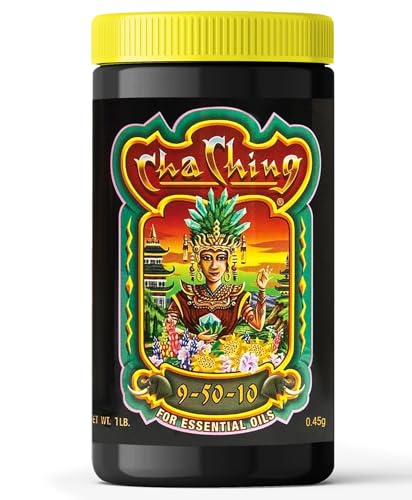
Compared with the steady, general-purpose approach of Scotts, FoxFarm Cha Ching takes a much more focused route. Its 9-50-10 formula pairs relatively low nitrogen with much higher phosphorus and potassium, making it a more specialized choice for the late flowering or fruiting stage.
Plumeria growers focused on bud development may find that emphasis useful, although the formula does not serve as balanced nutrition for every stage. It is water soluble, meaning it dissolves for liquid feeding, and the listing supports both soil and hydroponic use.
Strengths Worth Knowing
- The high-phosphorus profile targets late-stage flowering and fruiting plants.
- Water solubility allows controlled dilution for soil or hydroponic feeding.
- The higher potassium and phosphorus levels suit gardeners prioritizing bloom and fruit development.
Where It May Fall Short
- The uneven NPK ratio makes it less convenient for routine, all-purpose feeding.
- The one-pound package requires accurate measuring and storage away from moisture.
Made For
This formula suits experienced plumeria growers with established plants who specifically want a bloom-focused feed for the later flowering stage.
Another Choice May Suit
Southern Ag PowerPak 20-20-20 Fertilizer better fits gardeners seeking equal nitrogen, phosphorus, and potassium for general plant maintenance.
FoxFarm’s concentrated bloom formula serves a narrower purpose, while Southern Ag PowerPak offers the more familiar 20-20-20 balance. Nitrogen, phosphorus, and potassium appear in equal proportions, making this option easier to incorporate into a general feeding routine for a mixed collection of flowering and foliage plants.
It also includes chelated minor elements, which are nutrients bound in a form that plants can absorb more readily. For a plumeria gardener feeding several types of plants, that versatility may be more useful than a narrowly timed bloom formula.
What It Does Well
- Balanced 20-20-20 nutrition works well for routine plant feeding.
- Water soluble for straightforward liquid application.
- Chelated minor elements supplement the three primary macronutrients.
- Listed for flowers, roses, vegetables, shrubs, trees, lawns, and houseplants.
- The five-pound package suits households maintaining multiple plant types.
Small Caveats
- Dilution and application rate must follow the product label, particularly around container plants.
Key Product Details
The Right Fit
This fertilizer fits gardeners maintaining mixed indoor and outdoor collections who want one balanced liquid feed for many kinds of plants.
Where Another Pick Shines
Scotts Rose and Bloom Plant Food is the easier choice when steady soil feeding and a two-month schedule matter more than liquid flexibility.
The spike format shifts the decision away from measuring and toward placement. This Winchester Gardens formula is intended for evergreen trees and shrubs, using slow-release nitrogen to provide extended nourishment in spring or fall without handling loose fertilizer.
That convenience comes with a narrower plant focus than the PowerPak option. Plumeria is not an evergreen, so this is less of a natural category match and more relevant when your landscape contains the plants named on the package.
Notable Gains
- Premeasured spikes remove the need to weigh individual doses.
- Slow-release nitrogen supports extended feeding.
- The no-mess, no-runoff format keeps fertilizer concentrated near roots.
- Described as child and pet-friendly, which suits active households.
Factors To Consider
- The evergreen focus makes it a less direct match for plumeria than flowering or general-purpose formulas.
- Spikes require suitable planting space, so small containers may need a different application method.
Feature Facts
Built With In Mind
This option suits gardeners feeding established evergreen shrubs and trees who value premeasured placement over flexible liquid feeding.
Reach For A Different Pick When
Scotts Rose and Bloom Plant Food better fits a plumeria gardener seeking a formula made specifically for roses and flowering plants.
Where the evergreen spikes exclude plumeria by plant type, this tree and shrub formula is more closely aligned with a plumeria grown as a woody landscape specimen. Its 15-10-9 ratio places more emphasis on nitrogen than the other spike options, which fits plants managed primarily for overall growth.
The spikes dissolve at an even rate to provide continuing nourishment. That makes the approach attractive for gardeners who would rather place a measured spike than prepare a liquid feed, provided the plant has enough rooting space.
Everyday Wins
- Designed for trees and shrubs, matching established landscape plumeria.
- Even dissolution supports continuous nourishment over time.
- Premeasured placement reduces handling loose fertilizer.
Possible Compromises
- The larger nitrogen proportion is less explicitly bloom-focused than Scotts Rose and Bloom.
- Spikes need enough soil area to disperse evenly around the root zone.
- This format may be awkward for a small patio container.
Built For
This option fits gardeners with planted plumeria that has developed into a shrub or small tree and needs convenient, measured feeding.
Swap It Out When
FoxFarm Cha Ching 9-50-10 Fertilizer is the more suitable choice for a container plumeria being prepared for a concentrated late-flowering feeding cycle.
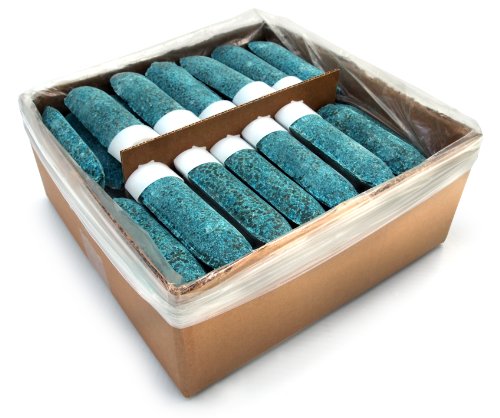
The Fruit and Citrus spikes shift the nutrient emphasis toward phosphorus and potassium, with an 8-18-18 ratio. Although they are made for fruit-bearing trees, that composition can attract the attention of plumeria gardeners who want to support flowering and have a mature plant in a spacious planting bed.
Slow nutrient release and premeasured doses make the format easy to maintain. For most ornamental plumeria, though, the dedicated flowering formula remains a closer match than a product centered on fruit production.
The Case For It
- Slow release supports continuing nourishment without frequent handling.
- Premeasured doses simplify application around established roots.
- Higher phosphorus and potassium emphasize flowering and fruiting development.
- The no-mess, no-runoff format suits low-maintenance landscape beds.
- Each case contains 70 spikes for repeated seasonal use.
Details To Watch
- The fruit and citrus focus is less direct for ornamental plumeria than a flowering-plant food.
Feature Rundown
Whose Shelf It Belongs On
This belongs with low-maintenance gardeners caring for mature plumeria in spacious beds alongside fruit or citrus trees.
A Better Fit Elsewhere
FoxFarm Cha Ching 9-50-10 Fertilizer better serves gardeners whose main goal is concentrated, late-flowering nutrition rather than a slow-release fruit-tree formula.
Matching Nutrients to Your Plumeria’s Growth
Start With the Growth Stage
A young plumeria establishing roots has different nutritional priorities from a mature plant preparing to bloom. General-purpose nutrition can support routine growth, while a higher-phosphorus formula gives you a more targeted option during the flowering stage. Judge the plant’s condition alongside the season rather than feeding by calendar alone.
Read the NPK Ratio
NPK lists the percentages of nitrogen, phosphorus, and potassium, the three nutrients plants use in the largest quantities. Nitrogen supports leafy growth, phosphorus contributes to flower and fruit development, and potassium supports overall plant vigor. Equal ratios suit general feeding, while uneven ratios need a clear purpose.
Choose an Application Method
Granular plant food takes less preparation, water-soluble fertilizer gives you adjustable dilution, and spikes remove most measuring. The method should match your space and routine. A large planted plumeria can accommodate spikes more readily than a compact patio container, where precise control may be easier with a liquid feed.
Check the Plant and Label
Confirm that the product permits use on flowering plants and follow its stated application rate. The same formula can behave differently in a wet climate, a container, or a heavily draining planting bed, so label directions and your site conditions matter more than a universal schedule.
Avoiding Common Fertilizer Mistakes
Mistakes Worth Dodging
Do not select fertilizer solely by the largest number on the package, and avoid applying several nutrient products at once without checking their labels. A balanced feed may already provide enough of a nutrient, while a bloom-focused formula needs careful dilution. Match the product to the plant, pot size, and current growth stage.
What Separates Premium From Basic
Higher-cost fertilizers may offer more concentrated nutrients, specialized nutrient profiles, or packaging that simplifies accurate dosing. Those features help only when they match your routine. A smaller, purpose-specific package can be more practical than a large general formula you will use rarely.
Frequently Asked Questions
Is Scotts Rose and Bloom suitable for plumeria?
Yes, because it is made for roses and other flowering plants, which includes ornamental plumeria. Its continuous-release format feeds the soil for up to two months when applied as directed.
What NPK ratio is best for flowering plumeria?
Look for a fertilizer that gives phosphorus and potassium meaningful emphasis during the flowering stage. FoxFarm Cha Ching offers a 9-50-10 profile, while the 20-20-20 PowerPak formula is more balanced for routine feeding.
Can liquid fertilizer be used on a potted plumeria?
Yes, a water-soluble fertilizer can be diluted and applied according to its label. Account for the smaller soil volume and avoid treating a container plant as though it has the same feeding requirements as a tree in the ground.
Are fertilizer spikes suitable for plumeria?
Spikes can suit a mature, planted plumeria with adequate rooting space. For a small container, a liquid or soil-applied product gives you more control over placement and concentration.
How often should plumeria be fertilized?
The schedule depends on the formula, growing season, plant condition, and soil. Scotts Rose and Bloom feeds for up to two months, while soluble and spike products require their label directions.
Final Verdict
For most plumeria growers, Scotts Rose and Bloom offers the clearest fit because it targets flowering plants and offers steady soil feeding. FoxFarm Cha Ching serves a later-stage bloom focus, PowerPak handles balanced routine feeding, and the spike products suit mature landscape plants. Match the format to your container or planting space, then follow the label.
