

A bare garden bed in early spring can feel like an open invitation, whether you want fresh vegetables, flowers that carry the season, or herbs within reach of the kitchen. These options cover edible crops, classic bulbs, mixed flower plantings, and a compact houseplant for spaces that aren’t ready for outdoor beds. The right choice depends on how much room you have, whether you want something to harvest or simply watch, and how much time you can give it.
A Fast Comparison Of The Options
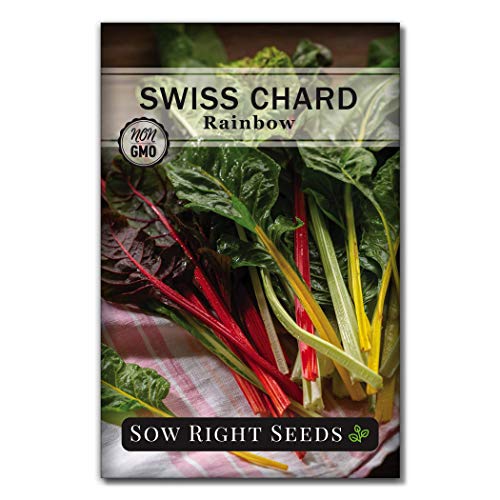
Sow Right Seeds Rainbow Chard

CZ Grain Dutch Master Daffodils

CZ Grain Pink Champagne Daffodils

CZ Grain 50 Mixed Spring Bulbs

Seed Needs Chervil Seeds
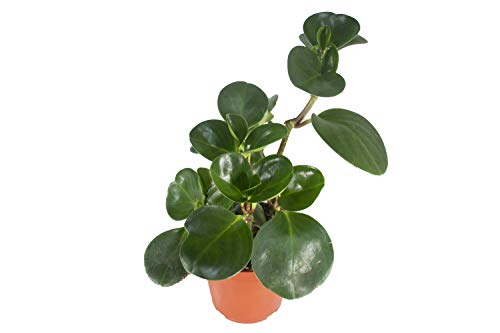
California Tropicals Live Baby Rubber Plant, Peperomia Obtusifolia, 4-Inch Pot
Why These Options Stand Out
Rainbow Swiss chard earns its place in a spring kitchen garden because it combines colorful stems with edible leaves. The dark green foliage is paired with green, white, red, gold, and magenta stalks, so a single packet brings both texture and visual variety to a bed or container.
Compared with the flower bulbs in this list, this seed packet produces something you can harvest and prepare. The hearty, spinach-like flavor works in salads or sautéed dishes, while its tolerance of warm and cool conditions makes it a practical option for many growing areas.
A Strong Showing
- Colorful stems make the crop as decorative as it is edible.
- Leaves can be harvested young for a tender texture.
- The packet contains at least 2 grams, or about 140 seeds.
- It performs in garden beds or containers with full sun.
- Packet instructions support straightforward planting at home.
Trade Offs
- You need a sunny location and room for plants that may reach 24 inches tall.
- The crop requires attention to watering and timely harvesting for the best leaf quality.
Key Specs
Made For
Home cooks and new gardeners who want a colorful, productive crop in a sunny bed or container.
Another Choice May Suit
Seed Needs Chervil Seeds suit cooks who want a delicate cooking herb rather than a substantial spinach-like leafy vegetable.
Bright yellow trumpet blooms make Dutch Master daffodils useful when a garden needs an early-season focal point. Each stem carries several flowers, creating a fuller display than a single-bloom variety would provide, and the color works well beside borders, paths, or patches of grass.
Unlike the Rainbow Chard, these bulbs are grown for flowers rather than food. They are perennials, meaning the bulbs can return year after year with little care, which makes them a practical choice for a border you want to fill beyond a single spring season.
Features That Help
- Radiant yellow flowers brighten beds and borders early in spring.
- Multiple blooms on each stem create a clustered display.
- Perennial bulbs can return in later seasons.
- The plants suit borders, beds, containers, and grassy areas.
Worth Noting
- Allow room for the bulbs to naturalize if you want them to spread through a grassy area.
- A concentrated yellow display suits some gardens better than a varied mix of colors and bloom shapes.
Quick Facts
The Right Fit
Gardeners with a sunny border who want cheerful yellow flowers that can return in future seasons.
Consider Something Else When
CZ Grain 50 Mixed Spring Bulbs suit you better when you prefer varied flower colors, shapes, and bloom types in one planting.
Pink Champagne brings a softer, more detailed look than the uniform yellow display of CZ Grain Dutch Master Daffodils. Its double flowers layer white outer petals around densely ruffled pink centers, with warm yellow near the base adding a subtle contrasting note.
For a mixed spring border, this variety’s mid-to-late bloom period can extend the daffodil season alongside tulips and other flowering bulbs. The upright stems also make it practical for cutting, so a small planting can serve both the landscape and a vase indoors.
Positive Points
- Layered double flowers deliver a more intricate bloom.
- White, pink, and warm yellow tones coordinate with many spring bulbs.
- Sturdy upright stems work well in flower arrangements.
- Plants reach about 16 to 18 inches tall, making them visible without towering over small beds.
Points To Note
- Plant the dormant bulbs about 6 inches deep in well-drained soil with the growing tip facing upward.
- Mid-to-late spring flowering may miss the earliest daffodil displays.
- Partial shade is suitable, though full sun supports stronger flowering.
Who Will Love This
Gardeners who enjoy layered double blooms, coordinated borders, and daffodils suitable for cutting.
A Better Fit Elsewhere
CZ Grain Dutch Master Daffodils suit gardens that want a bold, consistent yellow display clustered closely together.
Five flower types in one package give this collection a broader visual range than either Pink Champagne Daffodils or Dutch Master Daffodils alone. You receive 10 bulbs each of Dutch Master daffodils, mixed tulips, assorted alliums, mixed crocuses, and squill, creating a planting with varied colors, shapes, and heights.
The bulbs are packed separately by variety, which makes planting easier to organize. You can establish one coordinated bed or distribute the groups through borders, along walkways, and across larger landscape areas for a more relaxed, meadow-like arrangement.
The Case For It
- Fifty bulbs provide a substantial starting point for mixed beds.
- Five flower types create more texture than a single-variety planting.
- Separate packaging makes each group easier to identify.
- The mix works across beds, borders, walkways, and larger landscapes.
Some Limits To Know
- These bulbs are intended for fall planting rather than a spring start.
- Mixed varieties may not produce the uniform color and height of a single-type planting.
Feature Snapshot
Best Suited To
Gardeners who want one varied collection for beds, borders, walkways, or a larger landscape.
Not Your Match When
CZ Grain Pink Champagne Daffodils suit you better when a coordinated pink-and-white double-flower display matters more than variety.
Chervil brings a different purpose to the spring garden than Rainbow Chard. Where chard supplies broad, hearty leaves for salads or cooked dishes, chervil produces delicate, finely divided foliage with a mild anise or licorice note, making it especially useful in French-style herb blends and light sauces.
This is an annual, so the plant completes its life cycle within a growing season rather than returning from the same roots each year. Gardeners who regularly use fresh chervil can keep successive spring sowings going, while cooks who only need a small amount may prefer it alongside other kitchen herbs.
Useful Touches
- Fine-textured leaves add a delicate herbal accent to dishes.
- The mild anise-like flavor complements parsley, chives, and tarragon.
- Non-GMO heirloom seed positioning suits gardeners seeking traditional varieties.
Practical Considerations
- Chervil’s delicate leaves need gentler handling than broad chard leaves.
- As an annual, it requires fresh sowing rather than relying on roots to return.
Built With In Mind
Home cooks and herb gardeners who want delicate foliage for seasonal French-style cooking.
Reach For A Different Pick When
Sow Right Seeds Rainbow Chard suit you better when you want substantial leaves for salads, sautéing, and a colorful garden display.
A 4-inch baby rubber plant fits a different part of spring planning from bulbs and garden seeds. Instead of starting outdoors, you receive a living plant that can add green foliage to a desk, office, or compact home collection while outdoor beds are still being prepared.
Compared with the 50-bulb mixed collection, this option needs a pot and a place indoors, but it provides greenery immediately. Bright indirect light means light filtered through a room rather than exposed to direct sun, and the soil should dry partially between watering sessions.
Benefits That Matter
- The compact 4-inch size suits desks and small shelves.
- Live foliage adds greenery without waiting for a bulb to sprout.
- Partial drying between waterings keeps the care routine manageable.
- The plant can tolerate occasional lapses in care.
Practical Considerations
- Bright indirect light is more important than simply placing the plant near a window.
- Check the pot drainage before moving the plant outdoors or watering more heavily.
Core Details
Whose Shelf It Belongs On
Office workers and indoor gardeners who want a small living plant for a desk, shelf, or compact room.
Where A Sibling Pick Shines
CZ Grain 50 Mixed Spring Bulbs suit you better when your priority is a coordinated outdoor display for beds, borders, and walkways.
Plan Your Spring Planting Around Space and Timing
Match Edibles to Daily Use
Rainbow Swiss chard is the practical choice when you want a crop you can use in meals as well as admire in the garden. Chervil serves a narrower purpose, but its fine leaves and mild anise-like flavor suit cooks who regularly use fresh herbs. Consider how often you prepare each plant before assigning a permanent spot.
Plan Bulbs for a Fall Start
Daffodils, tulips, alliums, crocuses, and squill are planted in fall so their roots can develop before spring flowering. Mix bulbs according to the needs of each variety, then use the separately packed groups to organize beds or distribute them across borders and walkways.
Choose by Light and Plant Life
Full sun supports chard’s leafy growth and gives the bulbs a strong outdoor position. The baby rubber plant has a different requirement: bright indirect light indoors. A perennial bulb can return in later seasons, while chervil is an annual and the live rubber plant depends on indoor care rather than seasonal planting.
Common Sense Before You Plant
Common Shopping Slip Ups
Choosing by color alone can leave gaps in bloom height, flowering time, or plant size. Match each variety to the bed’s light, soil drainage, and available space, and account for fall bulb planting before setting a spring color scheme.
What The Higher Tier Buys
A higher-priced seed or bulb pack may offer a larger quantity, a distinctive bloom form, or a live plant ready for display. The extra cost matters most when the added feature serves a specific purpose, such as extending the flowering season or providing greenery indoors.
Frequently Asked Questions
Which spring plants are easiest for a new gardener?
Rainbow Swiss chard is approachable for new gardeners because it grows in beds or containers, tolerates both warm and cool conditions, and provides edible leaves. Give it full sun, consistent watering, and space for its mature size.
Can spring flower bulbs be planted in spring?
No, the bulbs in this roundup are intended for fall planting so they can establish roots before spring. Planting them at the wrong time reduces their opportunity to flower properly in the following season.
Which option works best in containers?
Rainbow Swiss chard does well in containers, and Dutch Master daffodils can also be used in container plantings. The live baby rubber plant already comes in a compact 4-inch pot for indoor use.
Is chervil the same as Swiss chard?
No, chervil is a delicate annual herb with finely divided leaves and a mild anise-like flavor. Swiss chard produces larger, heartier leaves with a spinach-like taste, so the two serve different roles in the kitchen.
Should I choose seeds, bulbs, or a live plant?
Choose Rainbow Swiss chard for an edible crop, flower bulbs for a future spring display, and the baby rubber plant for immediate indoor greenery. Chervil fits cooks who want a delicate fresh herb rather than a vegetable or ornamental flower.
Final Verdict
Your best choice depends on the result you want: Rainbow Swiss chard for harvesting, mixed bulbs for coordinated color, Pink Champagne Daffodils for detailed double blooms, and the baby rubber plant for compact indoor greenery. Chervil earns its place for cooks who value delicate herbs, while Dutch Master Daffodils suit a straightforward yellow border. Start with the space, light, and planting schedule you can realistically maintain.
