

A Texas garden rarely struggles for sunshine. The real challenge is finding plants and turf that can handle long summers, intense heat, and changing moisture without looking tired by July. The right choice depends on whether you want a polished border, a resilient lawn, or a seasonal wildflower display, especially for beginners establishing a new outdoor space.
A Quick View Of The Lineup

Florida Foliage Mexican White Petunia 3 Live Plants Ruellia Brittoniana Heat-Tolerant Groundcover

Outsidepride Supreme Kentucky Bluegrass Seed Mix 5 lbs Cold-Tolerant Fine Turf

HelmNest Texas Bluebonnet Seeds 3000+ Lupinus texensis Annual Blue Wildflower
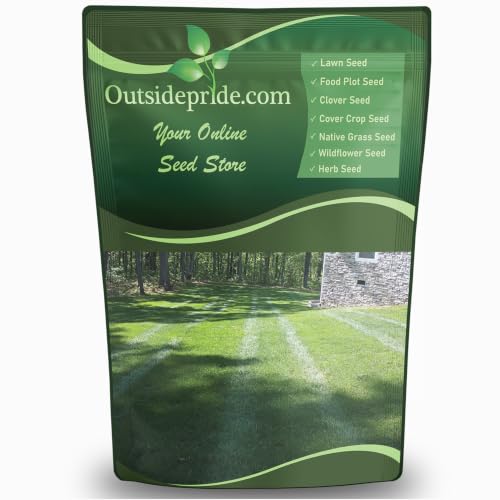
Outsidepride SPF-30 Hybrid Bluegrass Seeds 5 lbs Texas Bluegrass Mix

Outsidepride Midnight Kentucky Bluegrass Seed 5 lbs Deep-Rooted Heat-Tolerant Turf

BuggyBeds Texas Lupine Bluebonnet Wildflower Seeds 1000pcs Native Red Blooms
The Picks, Examined More Closely
A bed beside a hot sidewalk rarely stays evenly moist, yet that is exactly where these live Mexican petunias can add structure and white color. The upright stems rise above the hardscape, while the narrow leaves create a crisp vertical accent that softens paving edges. For most sunny borders, that combination feels more useful than another low, spreading groundcover.
Ruellia brittoniana accepts full sun or partial shade and tolerates varied soils, which makes it a practical fit for warm-climate paths, entry beds, and patio arrangements. White trumpet-shaped blooms appear from late spring through fall and offer nectar for pollinators, while the package of three live plants gets you started without seed sowing. You may find the upright habit especially useful where a soft, trailing plant would disappear beside a curb.
The Practical Payoff
- Upright growth adds visible structure to sunny borders and pathway edges.
- White blooms bring contrast to beds dominated by green foliage.
- Full-sun or partial-shade flexibility broadens placement options.
- Live plants suit gardeners who would rather transplant than manage germination.
Things To Consider
- Container use requires a pot with drainage and room for the upright growth.
- The warm-climate emphasis makes local suitability more important in colder areas.
Quick Facts
Who It Suits Best
This suits warm-climate gardeners who want crisp white flowers beside paths, entries, and patios without starting plants from seed.
Another Choice May Suit
Outsidepride SPF-30 Hybrid Bluegrass Seeds suit you better when your priority is a heat-adapted lawn rather than flowering border plants.
Where summer heat is less severe, this Kentucky bluegrass seed offers a different kind of resilience: a fine-textured lawn that can handle cool weather and heavy use. The five-pound bag is intended for home lawns, parks, and athletic fields, giving you enough seed to manage broad areas rather than patch a few isolated spots. Its dark green color also pairs neatly with the upright blue-green foliage of Outsidepride Midnight Kentucky Bluegrass Seed.
The OptiGrowth coating contains Aquatek absorbent to retain moisture and adds zinc, phosphorus, and nitrogen to support young plants. You may find the fine blade texture especially pleasant underfoot, while the stated ability to blend with ryegrass and fine fescue offers flexibility in transitional lawn plans. In most northern and transition zones, this cold tolerance makes more sense than a blend built specifically around Texas conditions.
Positive Takeaways
- Fine blades create a neat surface for lawns, parks, and playing fields.
- Cold tolerance supports growth through the winter in cooler regions.
- The five-pound package suits lawns and larger turf-repair projects.
Honest Caveats
- Kentucky bluegrass is a cool-season grass, so it is less directly aligned with the hottest southern Texas sites.
- Coated seed still depends on suitable soil, spreader coverage, and moisture during establishment.
- Traffic tolerance does not eliminate the need to repair worn areas before the turf fills in.
Made For
This fits cool-climate and transition-zone homeowners, landscapers, and groundskeepers seeking fine-textured turf for broad lawn or athletic areas.
Consider Something Else When
Outsidepride SPF-30 Hybrid Bluegrass Seeds are a stronger fit for southern lawns where heat and drought tolerance drive the selection.
Spring color can arrive without a rigid bedding-plant routine. HelmNest packages more than 3,000 Texas bluebonnet seeds with a growing guide, giving you enough quantity for a meadow patch, garden bed, or roadside-style display. The cobalt-blue and white flowers rise on 12- to 24-inch spikes, adding a vertical note that differs from the compact white blooms of the Mexican petunia.
Fall planting is the practical route to spring flowers, and the listed growing guide supports gardeners through that process. Germination can begin within four to ten days and continue over time, so staggered emergence should not be mistaken for a failed patch. For most gardeners, the large seed count offers a generous start, although you may need to contain the area once spring growth spreads beyond the original bed.
Key Advantages
- More than 3,000 seeds support substantial meadow or garden planting.
- Cobalt-blue and white flowers create recognizable Texas spring color.
- Drought tolerance suits gardens that become dry during summer.
- The included guide helps with fall sowing and establishment.
- Flowering spikes add vertical texture to mixed beds.
Worth Noting
- Bluebonnet is an annual, so the next display depends on new seed rather than returning stems.
Feature Snapshot
Right Fit For
This suits gardeners creating a spring meadow, roadside-style planting, or a larger bed where a substantial packet of Texas bluebonnet seed is useful.
Another Choice May Suit
BuggyBeds Texas Lupine Bluebonnet Wildflower Seeds may suit you better when red flowers and a smaller 1,000-seed packet fit your design.
For a lawn built around the climate rather than transplanted into it, the SPF-30 blend makes a direct case. It combines Texas bluegrass with Kentucky bluegrass, two components that broaden the seed mix for southern conditions. The five-pound package suits new lawns, renovation work, and larger areas where a resilient turf blend is more relevant than a small flower display.
Heat and drought tolerance are the defining features, while the OptiGrowth coating supports spreading and establishment. This gives the mix a practical edge over the cold-focused Outsidepride Supreme Kentucky Bluegrass Seed Mix in regions with long, hot summers. For many southern lawns, that difference in climate adaptation outweighs the finer, cooler-season look associated with traditional Kentucky bluegrass.
What Makes Sense
- Combines Texas and Kentucky bluegrass for a broader warm-climate blend.
- Heat tolerance directly addresses long southern summers.
- Drought tolerance reduces the lawn types of heat-related stress.
- The five-pound bag accommodates substantial new-lawn or renovation projects.
Trade Offs
- Lower-maintenance characteristics still depend on sound preparation and establishment care.
- The mix is designed for southern conditions rather than the cooler focus of standard Kentucky bluegrass.
Technical Sheet
Built With In Mind
This fits southern homeowners and lawn professionals who prioritize heat adaptation, lower-maintenance turf, and a Texas bluegrass blend.
Look Elsewhere When
Outsidepride Supreme Kentucky Bluegrass Seed Mix fits northern and transition-zone projects better, especially where cold tolerance and fine texture matter most.
Midnight Kentucky bluegrass brings a more detailed lawn plan than the other seed listings, including specific seeding rates and timing. The five-pound bag works for prepared soil, bare patches, thin turf, new lawns, and overseeding, so you can match the same product to different renovation stages. Its dark blue-green color and fine texture are especially useful for a polished residential appearance.
Drought and cold tolerance broaden its seasonal range, while the stated deep root system and high-traffic tolerance support demanding areas such as parks and athletic fields. OptiGrowth adds zinc, phosphorus, nitrogen, Elko kelp, and Aquatek moisture-retention material. You may find the detailed instructions most valuable, including spring seeding at 55°F or a fall planting roughly eight weeks before frost.
Benefits That Matter
- Specific seeding rates help distinguish new-lawn and overseeding projects.
- Deep roots and drought tolerance support the turf through stressful periods.
- High-traffic tolerance suits shared lawns and heavily used grounds.
Points To Keep In Mind
- Northern and transition zones are the strongest fit for this Kentucky bluegrass option.
- Correct timing, prepared soil, starter fertilizer, and irrigation all affect establishment.
- Use the stated per-1,000-square-foot rates to calculate coverage before spreading.
Core Details
Who Will Love This
This suits detailed lawn planners in northern or transition climates who value clear seeding rates, repair options, and durable fine-textured turf.
Reach For A Different Pick When
Outsidepride SPF-30 Hybrid Bluegrass Seeds suit you better for a lawn centered on Texas bluegrass and prolonged southern heat.
Red can make a bold change from the familiar blue-and-white palette of Texas spring meadows. BuggyBeds offers 1,000 seeds of a Texas lupine bluebonnet described as hardy, native, and easy to establish. That makes it appealing for a cottage garden, informal flower bed, or meadow-style planting where relaxed growth suits the design better than a rigid display.
The red flowers provide the main visual distinction from HelmNest Texas Bluebonnet Seeds, which offer more than 3,000 blue-and-white Lupinus texensis seeds and a longer growing guide. You may find the smaller packet easier to manage in a confined plot, although the two products are not interchangeable in color or listed quantity. For most beginners, straightforward sowing and a clear color goal are the decisive advantages here.
Where It Helps
- Red blooms add a strong color change to a spring planting.
- The seeds are described as hardy and simple to plant.
- A 1,000-seed packet provides a manageable starting quantity.
- Texas-native positioning suits regionally themed beds.
Details To Watch
- Confirm the intended red flower color before combining it with traditional bluebonnet displays.
- The smaller packet may cover less area than the 3,000-seed HelmNest selection.
- Annual wildflowers need replanting for later seasonal color.
Who Should Grab It
This fits beginners and cottage-garden fans who want a straightforward sowing project with red Texas wildflowers.
Swap It Out When
HelmNest Texas Bluebonnet Seeds suit you better when a larger packet, blue-and-white blooms, and a detailed growing guide are your priorities.
Match the Plant to Your Landscape
Start With Sun Exposure
Light exposure narrows the field quickly. The Florida Foliage Mexican White Petunia works in full sun or partial shade, while the bluegrass options are primarily chosen for open lawn conditions. Check the area during the hottest part of the day rather than relying on a morning snapshot, since sparse shade at noon can become a dry, exposed planting bed by midsummer.
Decide Between Turf and Seasonal Color
Turf and wildflowers serve different roles. Outsidepride SPF-30 Hybrid Bluegrass Seeds target a resilient lawn in hot southern conditions, while HelmNest Texas Bluebonnet Seeds and BuggyBeds Texas Lupine Bluebonnet Wildflower Seeds create seasonal color from seed. The Mexican white petunia supplies a longer-lived flowering accent for borders and paths.
Consider Establishment Needs
Live plants reduce the germination stage, but they still need a suitable planting hole and compatible site. Seeded choices require timing, soil preparation, and moisture during establishment. Midnight Kentucky Bluegrass provides specific rates and temperature guidance, which helps you avoid applying too much seed or sowing outside its stated window.
Read the Mix Carefully
Grass composition matters as much as the word “drought tolerant.” Kentucky-only blends emphasize fine texture and cooler-climate tolerance, while the SPF-30 mix adds Texas bluegrass for southern conditions. Coatings can support moisture retention and distribution, but the underlying grasses still determine how the lawn responds to heat, traffic, and irrigation.
Practical Lessons Before You Plant
Common Shopping Slip Ups
Do not treat heat tolerance as a reason to skip soil preparation or establishment care. Also, distinguish a perennial border plant from an annual wildflower and a permanent lawn from a temporary display, because each has a different seasonal rhythm.
What The Higher Tier Buys
A higher-cost seed listing may point to a selected cultivar, a multi-grass blend, or a treated coating rather than simply more seed. Those additions can support handling and adaptation, but they do not remove the need to match the grass or flower to your local climate.
Frequently Asked Questions for Plants For Texas Heat
What plants handle Texas heat well?
Heat-tolerant Mexican white petunia is a practical flowering choice for warm borders and paths. Texas bluebonnet seed also suits spring meadow planting when fall sowing and dry summer conditions match your plans.
Should I choose live plants or seeds for a Texas garden?
Live plants suit borders, containers, and gardeners who want immediate transplanting without seed germination. Seeds offer broader coverage and seasonal displays, but they require proper timing, soil preparation, and moisture during establishment.
Which grass seed is best for a hot southern lawn?
Outsidepride SPF-30 Hybrid Bluegrass Seeds are designed around Texas and Kentucky bluegrass for hot, dry southern conditions. Standard Kentucky bluegrass blends make more sense in cooler northern and transition regions.
Can heat-tolerant plants grow in containers?
The Florida Foliage Mexican White Petunia can grow in containers when the pot has drainage and enough room for its upright habit. Its tolerance of full sun or partial shade also gives you flexibility in choosing a patio position.
When should Texas bluebonnets be planted?
HelmNest Texas Bluebonnet Seeds are intended for fall planting and spring blooms. Choose BuggyBeds Texas Lupine Bluebonnet Wildflower Seeds instead when red flowers and a smaller 1,000-seed packet match your garden plan.
Wrap Up
The strongest all-around lawn choice is Outsidepride SPF-30 Hybrid Bluegrass Seeds for hot southern sites, while Outsidepride Midnight Kentucky Bluegrass Seed offers clearer guidance for repair and transition-zone projects. For borders, the live Mexican white petunia adds dependable structure and flowers, while the two bluebonnet seed choices serve very different color and quantity preferences. Match the plant to your light, water, and seasonal goals, and the landscape will make more sense.
