

A planting bench beneath a maple or a patio filled with dappled light creates a very different challenge from a sunny vegetable bed. Shade changes how quickly soil dries, which plants stay attractive, and how much space a planting can occupy over time. You need options that suit the light you actually have, whether you want evergreen structure, edible greenery, or a way to protect container plants. Among these six selections, some thrive in shade, some work in partial shade, and others are better suited to sunny spots or as outdoor accessories.
How The Shortlist Stacks Up

La Peppermint Camellia 3-Gallon
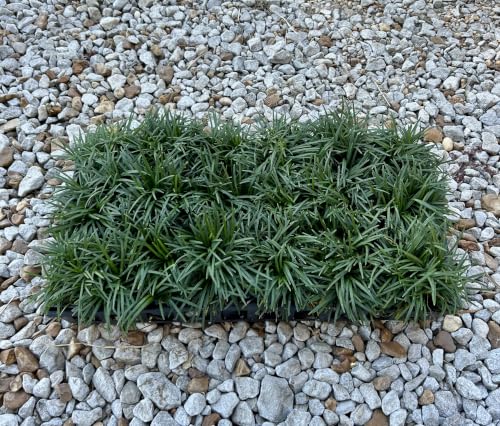
Dwarf Mondo Grass ‘Nanus’ 18 Count

Sow Right Seeds Scarlet Kale
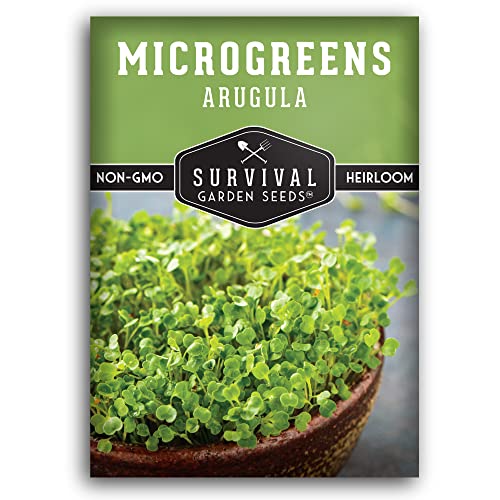
Arugula Microgreens Seed Pack

Reallnaive Metal Plant Umbrellas, 4 Pack

FATPLANTS Golden Barrel Cactus, 4-Inch Pot
The Details Behind The Selections
A north-facing foundation or an area beneath taller trees gives you a worthwhile place for an evergreen shrub with flowers that carry visual interest beyond summer. La Peppermint produces white blooms marked with pinkish-red stripes, giving the plant a distinctive peppermint-candy appearance in late winter.
For most gardeners, this works best where filtered light is available rather than in dense, dry shade. Its slow growth and eventual 6-to-8-foot height make it a long-term foundation planting, while the 3-gallon container gives you a more substantial starting point than a small nursery pot.
Everyday Wins
- Evergreen foliage preserves structure through the year.
- Striped flowers add color during a quiet seasonal window.
- Glossy, dark green leaves provide a polished backdrop.
- A mature spread of 4 to 6 feet suits foundation beds.
Practical Considerations
- Its slow growth delays the point where it fills a foundation space.
- Allow room for the mature height and spread before planting.
At A Glance
Who It Suits Best
You benefit most from this shrub in a temperate foundation bed with filtered light and room for its mature spread.
Where Another Pick Suits Better
Dwarf Mondo Grass ‘Nanus’ suits smaller shaded edges where a 4-to-6-inch groundcover will be more practical.
Where La Peppermint Camellia becomes a vertical focal point, Dwarf Mondo Grass ‘Nanus’ stays low enough to outline a path or soften the edge of a rock garden. Its grass-like clumps reach only 4 to 6 inches, so the plant works beneath shrubs without competing with their trunks or flowers.
For a shaded border, you get a dense green groundcover that suits partial to full shade and well-draining soil. The 18 plants arrive in 3-inch pots, making the count practical for a planned planting rather than an isolated container display.
Practical Pluses
- Its low height keeps path edges neat.
- Dark green clumps fill shaded garden areas.
- Eighteen pots support a broader planting.
- No mowing is needed once the groundcover is established.
- Drought tolerance reduces routine watering after establishment.
A Few Limitations
- It depends on well-draining soil rather than constantly wet conditions.
- Eighteen 3-inch plants still require spacing as the clumps widen.
Key Attributes
Made For
You get the most from this groundcover in shaded paths, woodland-style borders, and rock gardens within zones 6 through 10.
Consider Something Else When
La Peppermint Camellia fits a larger foundation bed where you need an evergreen shrub rather than a low edging plant.
An edible bed near a shaded fence can look sparse when the same vegetables are planted across an open, sunny row. Scarlet Kale brings a different kind of value here, combining food production with deeply lobed leaves in deep red, violet, and blue-green tones.
Its color becomes more pronounced in cooler weather, which makes the packet useful for autumn beds and seasonal displays. The minimum packet contains 750 mg of seed, roughly 250 seeds, so you have room to plan succession plantings rather than making a single small sowing.
Where It Delivers
- Curly leaves add texture to an edible garden.
- Cool weather strengthens the dark red and violet coloring.
- The seed quantity supports several sowing opportunities.
- It adds edible interest to a partially shaded bed.
Where It May Fall Short
- It is a seasonal crop rather than permanent groundcover.
- You need to choose a sowing window suited to cool growing conditions.
Right Fit For
This seed suits cool-season gardeners who want colorful edible leaves from a bed receiving less light than an exposed vegetable plot.
Not Your Match When
Dwarf Mondo Grass ‘Nanus’ is the better choice for permanent edging because it continues as a compact groundcover rather than a harvestable vegetable.
Arugula microgreens bring a peppery, mustard-like flavor to salads, sandwiches, and pizza without the space required by a full vegetable plant. The heirloom arugula, identified as Eruca sativa, can produce a harvest in about a week under suitable growing conditions.
Compared with Scarlet Kale, this packet serves a quicker kitchen-focused purpose, but microgreens are more naturally associated with indoor or protected growing than a permanent outdoor shade bed. A shaded outdoor shelf can work in mild conditions, so your climate and temperature management determine the result.
A Few Highlights
- Quick growth supports frequent kitchen harvests.
- The flavor adds a bold note to familiar dishes.
- A single pack suits a small growing setup.
- You can raise sprouts in a compact container.
Trade Offs
- It is less suited to permanent outdoor shade planting.
- Outdoor temperature swings can affect consistent sprouting.
Feature Facts
Who Will Love This
You will enjoy this packet for adding quick, peppery greens to meals from a small indoor shelf or a carefully managed outdoor tray.
Look Elsewhere When
Sow Right Seeds Scarlet Kale fits a cool-season outdoor bed better when you want a full-size leafy plant rather than harvested shoots.
Small metal plant umbrellas solve a problem that often appears beside a shaded garden: a container receives several hours of direct sun even when the surrounding bed feels sheltered. This four-pack adds portable shade over potted plants, giving you a way to adjust their exposure one pot at a time.
Unlike Dwarf Mondo Grass ‘Nanus’, which thrives in the shade naturally, this accessory creates shade for plants that need protection from intense sun. Its decorative form also works well in a mixed patio display, but it does not change the light conditions of the entire garden.
What Pays Off
- Four umbrellas suit several containers.
- Portable covers let you move protection with the sun.
- Metal construction complements outdoor displays.
- The shade works without relocating heavy pots.
Small Caveats
- You must place each umbrella securely around a pot.
- The cover affects only a small area.
- Strong wind can turn a lightweight accessory into a tipping risk.
Built With In Mind
This four-pack suits patio gardeners with small pots that need temporary protection from strong afternoon sun.
A Better Fit Elsewhere
La Peppermint Camellia is the better choice for permanent foundation planting because it provides shade-tolerant structure without requiring a movable cover.
A compact golden barrel cactus brings a rounded, sculptural form to a sunny windowsill, desk arrangement, or outdoor pot display. The plant arrives rooted in a 4-inch planter with soil, so you can position it without assembling a separate container from loose components.
The honest fit, however, is with bright spaces rather than a shaded garden. It needs sparing watering and can live indoors or outdoors, but your location should provide strong light. Reallnaive plant umbrellas are more useful for protecting shade-sensitive greenery than for shading this cactus.
Bright Spots
- The compact pot fits limited display space.
- Soil is already included in the planter.
- Sparing watering suits a busy routine.
- The cactus works indoors or outdoors.
Factors To Consider
- Deep shade is the wrong setting for this sun-loving type.
- You should choose a bright location before placing it outdoors.
Product Snapshot
Whose Shelf It Belongs On
It belongs on a bright windowsill, desk, or sunny patio where you want a compact cactus with minimal routine care.
Skip It When
Dwarf Mondo Grass ‘Nanus’ is the better fit for a shaded bed because it is listed for partial to full shade and low edging.
Match The Light Before The Plant
Shade varies more than a simple indoor-outdoor label suggests. A patio beside a bright wall may receive reflected light, while a bed beneath deciduous trees can experience seasonal sun and moisture shifts. Measure where direct sun reaches, note whether nearby structures block it, and check how surrounding plants change those conditions over the year.
Plan For Mature Size
A compact nursery pot can hide a substantial mature footprint. La Peppermint Camellia eventually reaches 6 to 8 feet tall and spreads 4 to 6 feet, while Dwarf Mondo Grass forms low clumps along an edge. Use the mature dimensions to preserve walkways, sightlines, and room for neighboring shrubs.
Separate Plants From Plant Support
Dwarf Mondo Grass and Scarlet Kale are living plants, while plant umbrellas support pots already in place. A golden barrel cactus is also a plant, but it belongs in bright conditions rather than deep shade. Separate permanent planting decisions from temporary protection so you choose the right solution for the space.
Matching Light, Scale, and Plant Purpose
Start with the hours and intensity of direct sun, then identify whether the area is shaded by walls, fences, or tree canopies. Check soil drainage and access for watering before choosing plants. A shade-loving species can still struggle where roots remain constantly wet.
Consider The Long-Term Footprint>
Choose a permanent plant based on its mature dimensions, not the container it arrives in. A 3-gallon camellia can become a tall foundation shrub, whereas ‘Nanus’ remains a low edging plant. For edible crops, account for seasonal growth and harvest space rather than permanent coverage.
Keeping Shade-Garden Decisions Straight
Do not treat every shaded spot as identical, and do not assume a container automatically makes a sun-loving plant shade-tolerant. Check mature size, regional climate, drainage, and the amount of light reaching the foliage. Decorative supports can also need stable placement, especially where wind is common.
What Separates Premium From Basic
A larger live plant, a more established root system, or a larger planting count can justify a higher tier. Premium characteristics may also include a precise cultivar or a supply size that reduces the work needed to establish a grouped display. Choose those upgrades when they match your space and patience, not simply because the category has multiple levels.
Frequently Asked Questions
What plants grow best in full shade outside?
Dwarf Mondo Grass ‘Nanus’ is designed for partial to full shade and suits edges, rock gardens, and massed groundcover plantings. La Peppermint Camellia also works well in filtered shade, although it eventually becomes a large shrub.
Can Scarlet Kale grow in a shaded garden?
Scarlet Kale can be grown in a partially shaded vegetable bed, but strong light generally supports stronger growth. It performs best in cool conditions, and its deep red and violet coloring becomes more pronounced in cooler weather.
Are plant umbrellas better than shade-tolerant plants?
Plant umbrellas are useful for shielding individual pots from intense sun, but they do not replace plants adapted to shade. Dwarf Mondo Grass ‘Nanus’ works naturally in shaded ground, while the umbrellas offer portable protection for container plants.
What is the easiest shade groundcover for a small garden?
Dwarf Mondo Grass ‘Nanus’ is well suited to small shaded areas because it grows only 4 to 6 inches tall and requires no mowing once established. Well-draining soil and adequate spacing for its expanding clumps remain important.
Is a golden barrel cactus suitable for outdoor shade?
A golden barrel cactus needs a bright location and is not a good match for deep shade. You can place the 4-inch pot outdoors where it receives strong light and water it sparingly.
Final Verdict
Your best choice depends on the job your space needs: La Peppermint Camellia brings evergreen height, Dwarf Mondo Grass creates a low shaded carpet, and the seed options add edible interest. Use the plant umbrellas for temporary pot protection, and place the golden barrel cactus only where the light is bright. A clear look at light, mature size, and purpose will keep your shaded garden practical.
