

A greenhouse project needs more than a clear roof. You also need dependable structure, useful coverings, labels that stay visible, and a layout that supports the plants or animals sharing the space. This roundup covers practical greenhouse equipment for patios, lawns, and gardens, plus one planning guide for combining chicken-friendly landscaping with growing areas.
The Shortlist At A Glance

EAGLE PEAK 8×6 Pop-Up Greenhouse
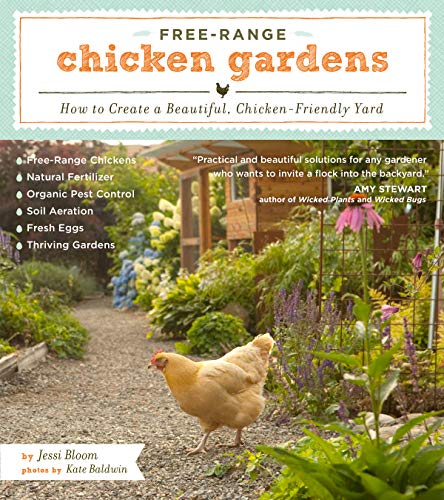
Free-Range Chicken Gardens: Yard Design
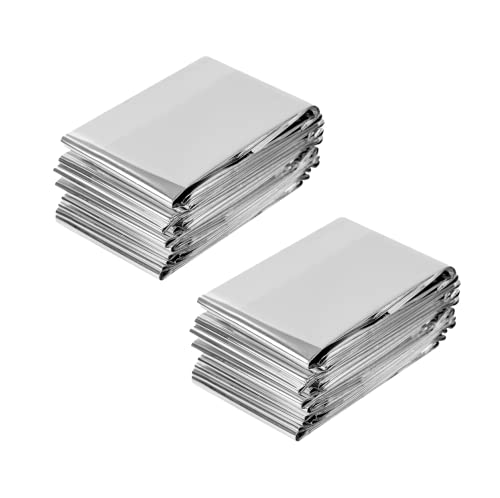
Daomong Reflective Mylar Greenhouse Film, 82.6 x 51.2 Inches, 2 Pieces
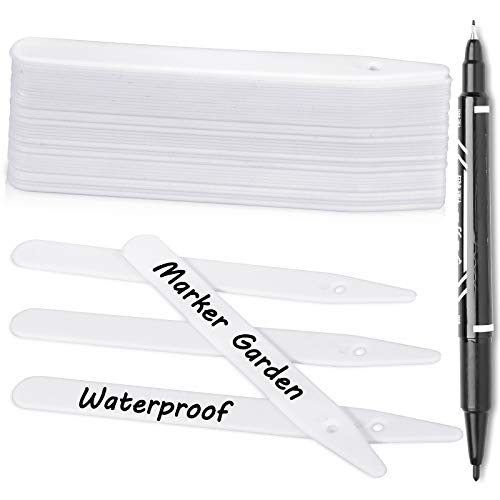
Whaline 200Pcs Thick Plastic Plant Labels with Hole, White, 10 CM

GFaoaengra Blue Polycarbonate Panel

GFaoaengra Clear Polycarbonate Panel
The Picks, Examined More Closely
The EAGLE PEAK 8×6 Pop-Up Greenhouse focuses on getting a usable outdoor structure up with little fuss. Its 8-by-6-foot footprint gives patio gardeners a defined growing area without requiring the room demanded by a large walk-in greenhouse. The clear and green color scheme also keeps the structure visually connected to the plants and lawn around it.
For most seasonal growers, the preassembled frame and tool-free setup are the practical draws. A center-lock design supports one-person assembly, which helps during a spring morning when you are already juggling trays, pots, and seedlings. You still need to confirm that the location has enough clearance to unfold and secure the greenhouse.
Everyday Advantages
- The pop-up frame reduces assembly work for seasonal setup.
- One-person setup suits solo gardeners working in a backyard.
- The 8-by-6-foot footprint fits many patios and lawn edges.
- Clear covering sections keep the growing area visually open.
- No separate tools are required for assembly.
Points To Keep In Mind
- Allow enough space to spread out and secure the frame before raising it.
- This greenhouse suits compact growing zones better than large plant collections.
Key Specs
Made For
You benefit most from this pick as a solo patio gardener establishing a compact seasonal growing space.
Consider Something Else When
Gardeners building a long custom enclosure favor the GFaoaengra Clear Polycarbonate Panel instead.
Jessi Bloom’s Free-Range Chicken Gardens takes a different approach to the greenhouse category by addressing the yard around the structure. Its focus is creating a space that accommodates free-ranging chickens while remaining visually intentional. That makes it more relevant to mixed-use properties than a conventional plant-equipment guide.
The subject may feel niche, but the planning problem extends beyond poultry. A productive yard needs pathways, planting areas, and access routes that make daily care manageable. The book provides a focused starting point for gardeners whose primary concern is combining animals with greenery, though it does not replace the dimensional checks required for greenhouse equipment.
A Favorable Mix
- Addresses chicken care and attractive planting in the same landscape.
- Useful for yards where animals and plants share access routes.
- Offers a landscaping perspective beyond greenhouse hardware.
Honest Caveats
- This is a landscape-planning book, not a greenhouse construction manual.
- Its main audience is households raising free-ranging chickens.
- You will still need separate product specifications for covers, panels, or frames.
Who It Suits Best
You benefit most when your backyard supports both free-ranging chickens and a carefully planted garden.
Look Elsewhere When
Your priority is a ready-to-assemble growing structure rather than yard planning, making the EAGLE PEAK 8×6 Pop-Up Greenhouse a more direct choice.
Daomong Reflective Mylar Greenhouse Film is intended to redirect light within an enclosed growing area. Reflective film works by returning some light toward nearby plant surfaces rather than allowing all of it to pass through and disappear. PETP, short for polyethylene terephthalate, forms the film’s stated base material and is described as capable of transmitting solar radiation.
For a small grow room or tent-style enclosure, two 82.6-by-51.2-inch sheets provide a meaningful wall surface. You may find this option especially useful when the structure already exists and needs a reflective interior layer. The trade-off is that reflectivity alone does not create a complete greenhouse, so the surrounding frame and transparent covering still matter.
Real Benefits
- Reflective surfaces can make better use of light inside a confined enclosure.
- The two-sheet format covers substantial wall area.
- PETP construction offers a distinct alternative to ordinary plastic sheeting.
- The flexible format can suit grow rooms and simple tent structures.
Smaller Caveats
- You need an existing frame or enclosure to support the sheets.
- Reflective performance depends on placement, angles, and the surrounding structure.
Feature Snapshot
Right Fit For
You benefit most when adding reflective interior surfaces to a compact, already framed grow room.
Swap It Out When
You need rigid exterior panels for a custom greenhouse, making the GFaoaengra Blue Polycarbonate Panel more suitable.
Whaline’s 200-piece plant label set solves a small problem that becomes surprisingly important inside a crowded greenhouse. Seedlings, herbs, cuttings, and flowers often look alike at the soil line, so a visible marker saves you from guessing which pot received which sowing. The 10-centimeter format gives you room for a plant name, variety, or planting date.
The hole at the pointed end adds another way to use each label: insert it into soil, pin it near a pot, or thread it onto twine. Included markers and twine make the set ready for labeling immediately. For large collections or classroom-scale projects, 200 labels offer more room than a small handful of conventional stakes.
Positive Points
- Two hundred labels suit densely planted trays and mixed collections.
- The 10-centimeter height leaves writing space for useful details.
- The hole supports soil insertion, pinning, or twine attachment.
- Markers and twine are included for labeling projects.
Practical Considerations
- White plastic works best where the writing remains clear of soil and moisture.
- Ten centimeters may be less visible in a greenhouse crowded with mature foliage.
Core Details
Built With In Mind
You benefit most as a grower managing many young plants that need fast, visible identification.
A Better Fit Elsewhere
A larger outdoor structure needs environmental coverage, making the EAGLE PEAK 8×6 Pop-Up Greenhouse the more useful choice.
The GFaoaengra Blue Polycarbonate Panel is sized for constructing part of a greenhouse rather than buying a ready-made enclosure. At 2.6 by 8.2 feet, it offers a manageable panel length for a narrow wall or custom roof section. The 1.2-millimeter thickness gives you a concrete measurement to compare with the frame design before cutting or fastening.
Blue coloring distinguishes this option from clear panels and may suit projects where a colored exterior is part of the plan. Compared with the reflective film, it provides a rigid exterior surface rather than an interior lining. You remain responsible for compatible connectors, edge support, and the overall shape of the finished greenhouse.
What Helps Most
- The defined dimensions support straightforward project planning.
- A 1.2-millimeter thickness suits many light greenhouse frames.
- Blue panels add color to an otherwise utilitarian structure.
- The shorter 8.2-foot length suits sectional construction.
Potential Compromises
- You need a frame with matching dimensions and suitable fastening points.
- Blue covering serves aesthetic and light-filtering roles, but clear panels suit projects centered on maximum visible transparency.
- Transport and storage need room for an 8.2-foot rigid panel.
Made For
You benefit most when constructing a custom greenhouse from measured wall and roof sections.
Reach For A Different Pick When
You need a nearly continuous wall panel, making the GFaoaengra Clear Polycarbonate Panel the more practical option.
The GFaoaengra Clear Polycarbonate Panel favors a long, uninterrupted greenhouse wall. Its 2.6-by-16.4-foot dimensions can span a substantial side or end section with fewer joints than the shorter blue panel. That makes it attractive for a custom build where you want a broad, transparent-looking enclosure without introducing many intermediate seams.
Polycarbonate is a rigid plastic sheet used as a greenhouse covering, while the stated 1.2-millimeter thickness gives your frame design a specific target. You still need to account for panel weight, support points, fastening, and storage. The clear finish also favors projects where seeing the plants and internal layout remains the main visual priority.
The Case For It
- The 16.4-foot length can simplify full-wall construction.
- Clear material keeps the growing area visually open.
- The stated thickness supports measured frame planning.
- Fewer panel lengths can reduce the number of joints in a long wall.
Less-Strong Areas
- The long rigid panel requires a clear storage and handling area.
- Your frame dimensions and attachment method must match the sheet’s 2.6-by-16.4-foot profile.
Technical Highlights
Whose Shelf It Belongs On
You benefit most as a hands-on greenhouse builder planning a long, transparent wall from a limited number of rigid panels.
Another Choice May Suit
A compact enclosure benefits more from the fold-in convenience of the EAGLE PEAK 8×6 Pop-Up Greenhouse than from custom panel installation.
Greenhouse Fit Starts With The Space
The right greenhouse equipment follows the shape of your project, not a universal specification. Start with the available footprint, the plants involved, and whether you need a ready-made structure or individual materials for a custom build.
Measure The Full Working Area
Account for the greenhouse itself, access paths, pot storage, ventilation, and the room needed to assemble or secure components. A compact structure can still become awkward beside a fence or under tree branches, so measure the full operating area before ordering.
Match The Covering To The Build
Clear rigid panels suit transparent custom structures, reflective film works as an interior layer for an enclosed grow room, and a complete pop-up greenhouse removes most construction decisions. Check dimensions, attachment requirements, and storage space rather than comparing panels by thickness alone.
Organize Plants From The Start
Use labels that remain visible through dense foliage and record the information you actually need, such as the plant name, variety, or sowing date. Large collections benefit from a substantial label set, while simple home projects may need only a modest number.
Greenhouse Shopping Mistakes To Avoid
Wrong Turns To Avoid
The most common error is buying a component before defining the greenhouse’s size. Panel width, frame layout, and access requirements need to agree from the beginning.
Another frequent mistake is treating reflective film as a complete enclosure. It serves a narrower purpose inside an existing structure and does not replace transparent covering or a supporting frame.
What Separates Premium From Basic
Higher-grade materials and larger components may cost more because they reduce waste, simplify installation, or remove repeated joins. The upgrade is worthwhile when your project requires precise coverage, a long wall, rapid setup, or a large collection of plant labels.
For a small temporary setup, a basic covering and hand-written markers may be enough. For a permanent custom structure, measured panels and a compatible frame can reduce improvised adjustments.
Frequently Asked Questions
How Large Should a Greenhouse Be?
Choose a size that leaves room for the plants, containers, tools, and a working path. A compact 8-by-6-foot structure suits patio growers, while custom panels work better for longer, purpose-built layouts.
What Thickness of Polycarbonate Panel Fits?
Match the panel thickness to the frame and fastening method. The GFaoaengra options use 1.2-millimeter sheets, so verify those measurements against your existing structure before cutting or attaching anything.
Are Reflective Greenhouse Sheets Replacements for Panels?
No. Reflective film is better suited to lining an existing enclosure, while rigid polycarbonate panels form exterior covering sections. Your frame design determines which material has the right role.
How Many Plant Labels Are Useful?
The needed quantity depends on your sowing and container count. A 200-label collection suits extensive seedling work, shared spaces, or frequent reorganizing of mixed plant collections.
Can Chickens Share a Garden With Plants?
They can, with careful attention to access routes, planting protection, and daily yard management. Jessi Bloom’s Free-Range Chicken Gardens focuses on combining free-ranging chickens with an attractive, practical landscape.
Final Verdict
Your best fit depends on the project: choose the EAGLE PEAK greenhouse for quick patio setup, reflective film for an existing grow room, Whaline labels for plant organization, or GFaoaengra panels for a custom build. The chicken garden book serves a different need by planning the space around mixed plants and free-ranging birds. Measure first, match each component to its role, and your greenhouse project will be easier to build and manage.
