A balcony garden can fit herbs, salad greens, and compact vegetables into a surprisingly small footprint, but only when each plant has the right soil, light, and watering routine. This roundup covers six gardening books that can help you plan those systems, from container-specific methods to raised beds, permaculture, fruit trees, and houseplants. Each guide serves a different level of experience and space, so you can match the book to the garden you actually have.
An Overview Of The Picks
PickWhy We Picked ItBest ForAction
Garden Choice
The Practical Permaculture Project: Organic Soil and Water by Sophie McKay
A balcony gardener looking beyond individual pots will find this permaculture guide more expansive than the raised-bed and container books covered later. Permaculture is an approach that connects soil, water, plants, and garden design as an interconnected system, so the subject reaches further than a single planting method.
The focus on organic soil management, water management, and building a garden gives you a useful framework for improving the conditions beneath your crops. It suits gardeners who want their containers to become part of a more sustainable growing plan rather than stand-alone pots.
Reasons It Performs
✓Connects soil, water, and planting into one broader system
✓Supports gardens built around organic soil practices
✓Offers a design-first approach for permanent growing spaces
✓Introduces water management for more deliberate irrigation
✓Gives container gardeners a useful sustainability framework
Practical Considerations
•The broad permaculture scope may exceed a simple pot-gardening checklist
•You will still need to select plants that suit the mature size and conditions of each container
Key Specs
Feature
Specification
Why It Matters
Primary focus
Permaculture garden design
Connects plants with the wider garden system
Growing medium
Organic soil management
Supports a more deliberate approach to soil preparation
Built With In Mind
You benefit most from this guide when you are planning a sustainable garden that combines containers with a thoughtfully managed soil and watering setup.
Where A Sibling Pick Shines
Choose Sophie McKay’s Beginner’s Guide to Container Gardening for a more direct focus on pots, compact growing, and small-space methods.
Unlike The Practical Permaculture Project, which takes a wide view of soil and water, this guide organizes the growing process around raised beds. That narrower frame works well for anyone turning a flat patch of ground into a defined space for vegetables, fruits, and herbs.
Step-by-step instructions make it approachable for a first raised bed, while guidance on common mistakes can prevent avoidable setup errors. Plant profiles tailored to raised beds add another useful layer, particularly when a beginner is deciding which crops belong in a limited growing area.
Everyday Perks
✓Step-by-step structure supports a first raised-bed setup
✓Plant profiles help you compare crop choices
✓Problem-solving guidance addresses common setup errors
Trade-Offs To Consider
•The raised-bed emphasis requires some adaptation for loose collections of pots
Feature Breakdown
Feature
Specification
Why It Matters
Instruction format
Step-by-step guidance
Creates a clear path from planning to planting
Crop coverage
Vegetables, fruits, and herbs
Supports a varied raised-bed planting plan
Problem solving
Guidance for avoiding common errors
Helps prevent avoidable setup mistakes
Plant selection
Profiles tailored to raised beds
Keeps crop choices relevant to a defined bed
Made For
This guide fits new and experienced growers who want a structured, step-by-step approach to building and planting raised beds.
Another Choice May Suit
Jessica Sonders’s The First-Time Gardener: Growing Vegetables, Volume 1 may suit you better when you need simpler fundamentals before tackling a dedicated raised-bed project.
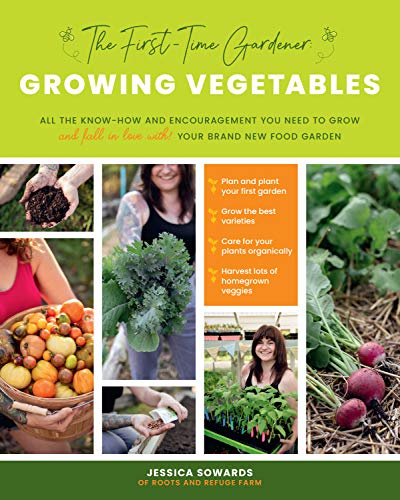
After the raised-bed specificity of The Complete Guide to Raised Bed Gardening, this volume returns to the most basic decisions. It helps you work out where a new food garden belongs, prepare its soil, choose vegetables, and decide between starting seeds and buying transplants.
That sequence gives a first-time grower a manageable path through a subject that can otherwise feel crowded with choices. The encouraging tone is well suited to someone who knows the goal but still needs help organizing the first few steps.
Noteworthy Benefits
✓Explains how to choose a location for a new garden
✓Covers soil preparation before planting
✓Helps beginners compare common vegetable choices
✓Compares starting from seed with buying transplants
✓Builds confidence through a beginner-focused approach
Some Limits To Know
•The broad food-garden focus provides less container-specific direction
•Gardeners with established beds may want more advanced planning material
Who Will Love This
You will find this volume most useful during your first season, especially when basic decisions about location, soil, vegetables, and seedlings still need a clear starting point.
Look Elsewhere When
Choose Sophie McKay’s Beginner’s Guide to Container Gardening instead when your main challenge is fitting edible plants into a patio, balcony, or other small area.
Where The First-Time Gardener concentrates on a new vegetable garden, this guide turns to fruit trees and the longer planning horizon they require. Its beginner-oriented format combines sustainable techniques with guidance on caring for trees and handling pests.
That makes it a more relevant resource for edible landscaping than for a quick windowsill crop. You will benefit most from a garden plan that can accommodate a tree’s mature dimensions rather than treating container space as the only consideration.
Notable Upsides
✓Introduces fruit-tree care for new growers
✓Emphasizes sustainable growing techniques
✓Addresses pest handling as part of tree care
✓Supports thoughtful long-term edible landscaping
Where It Is Less Suited
•Fruit trees make a longer commitment than annual vegetables
•Check the mature size and rootstock before choosing a tree for a confined patio
•It does not serve as a compact-space guide like the container book
At A Glance
Feature
Specification
Why It Matters
Plant focus
Fruit trees
Focuses on a long-term edible landscape
Growing approach
Sustainable techniques
Encourages lower-impact tree care
Care coverage
Pest handling
Includes a recurring challenge in tree care
The Right Fit
This book suits home growers planning to add fruit trees to a yard or spacious edible landscape with room for mature growth.
Swap It Out When
Little Book of House Plants is the better fit when your goal is decorative indoor greenery rather than edible fruit trees.
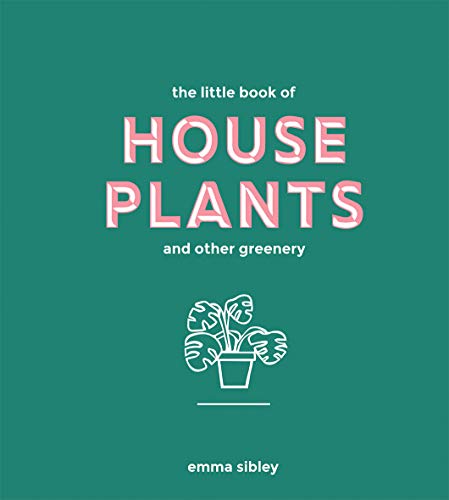
After several books centered on edible outdoor gardens, Little Book of House Plants shifts attention to greenery kept indoors. Its compact format is appealing for apartment dwellers, home offices, and rooms where shelf space is more available than outdoor growing area.
Houseplants bring greenery into a room without requiring a garden bed or patio, while other greenery broadens the visual range beyond a single familiar plant type. For a small-space reference, it appears simple by design, and that restraint is its main attraction.
What Stands Out
✓Suits rooms with limited shelf space
✓Focuses on houseplants and decorative greenery
✓Offers a compact alternative to broad gardening manuals
Small Caveats
•Its indoor focus does not replace a food-growing or container-vegetable guide
Whose Shelf It Belongs On
This book belongs on the shelf of apartment dwellers and indoor plant enthusiasts who want an approachable reference for decorative greenery.
A Better Fit Elsewhere
Choose The Practical Permaculture Project by Sophie McKay when you want to connect your growing space with soil, water, and sustainable garden design.
This is the most directly aligned choice for plants in containers. Unlike the broader soil and water focus of The Practical Permaculture Project, it concentrates on growing food where space is limited and explains container types, soil creation, and other practical methods.
Its coverage of compost tea, nettle tea, and worm farming gives you several approaches to managing growing materials, while companion planting extends the planning beyond individual pots. The book is most useful for a balcony gardener ready to build a repeatable system rather than scatter a few containers without a plan.
A Few Strong Suits
✓Directly addresses food growing in containers
✓Explains different container types
✓Shows how to create suitable soil
✓Covers compost tea as a growing method
✓Introduces nettle tea and worm farming
✓Adds companion planting to the planning process
Points To Keep In Mind
•DIY soil and worm-farm methods require active space and management
•A balcony gardener seeking only raised-bed guidance may prefer the raised-bed book
Core Features
Feature
Specification
Why It Matters
Growing setup
Container type guidance
Helps you match containers to your space
Soil preparation
Methods for creating your own soil
Supports a more deliberate growing medium
Compost method
Compost tea
Adds a reusable approach to soil management
Plant-based tea
Nettle tea
Explores a plant-derived garden input
Worm farming
Worm farm method
Offers a way to create compost material
Best Suited To
You benefit most from this guide when growing edible plants on a balcony, patio, or another compact area with little spare ground space.
Reach For A Different Pick When
Choose The Complete Guide to Raised Bed Gardening by Sophie McKay instead when your plants will grow in framed soil beds rather than individual containers.
## What Matters in a Small-Space Gardening Guide
A useful book should meet the decision you are facing, whether that means choosing a pot, preparing a raised bed, or starting a food garden from scratch. The six guides in this roundup cover different levels and formats, so the right match comes down to your available space and experience.
### Match the Format to Your Task
Step-by-step books suit gardeners who need a clear sequence, while reference-style guides work better for quick questions during routine care. A broad permaculture title offers more system-level thinking, while a compact houseplant book is easier to consult beside a windowsill.
You also need to account for the scale of your project. A few edible plants in pots demand a different level of detail from a permanent bed or a tree that will occupy a garden for years. A focused book can prevent you from paying attention to features that never affect your setup.
### Look for Practical Plant Coverage
Vegetables, herbs, fruits, and houseplants have different spacing, feeding, and watering needs. Look for guidance that helps you compare plants by mature size and growing conditions rather than relying on a long list of names alone.
For container gardens, drainage, light exposure, and the amount of soil available in each pot deserve particular attention. Fruit-tree planning also requires room for mature growth, while houseplant guidance should account for indoor placement and the surrounding décor.
### Check Fit Before You Buy
Read the contents and sample material when you can. Look for the questions you currently face, such as choosing a location, preparing soil, selecting plants, or deciding between seeds and transplants.
The most useful match answers your immediate question while remaining relevant as your garden expands. Choosing a specialized guide for a small-space project usually feels more useful than carrying a broad manual that never addresses your exact setup.
## Before You Put a Guide on Your Shelf
### Mistakes Worth Dodging
Do not select a book merely because its cover mentions a popular plant. Check whether the guidance covers your space, growing medium, and experience level.
Avoid books that offer plant lists without explaining placement or care. A compact reference with fewer subjects can serve you better than a comprehensive guide full of material outside your immediate needs.
### What Separates Premium From Basic
The extra cost of a longer gardening book generally reflects greater depth, more specialized instructions, and more finished organization. A fuller reference becomes worthwhile when you need detailed planning, troubleshooting, or several types of growing methods.
For one straightforward question, a concise guide may offer better value and use less shelf space. Pay for additional depth only when you can see yourself using it throughout a season or across multiple garden projects.
## Frequently Asked Questions
### Are these live plants or gardening books?
They are gardening books about plants, soil, water, and small-space growing. None of the six picks is a living plant or a complete seed kit.
### Which book is best for a first-time container gardener?
Sophie McKay’s Beginner’s Guide to Container Gardening is the most directly focused option. Its container types, soil methods, and companion-planting coverage suit a beginner working with limited space.
### What is the difference between raised-bed and container gardening?
A raised bed is a defined soil area framed above the ground, while container gardening uses individual movable vessels. The former supports broader root-zone planning, while the latter offers greater flexibility for patios and balconies.
### What does permaculture mean in gardening?
Permaculture connects soil, water, plants, and garden design to create a more integrated growing system. The Practical Permaculture Project is useful when you want that wider framework rather than a narrow plant-care reference.
### Is the houseplant book useful for edible container gardens?
It is most useful for decorative indoor greenery rather than vegetables, herbs, or fruit. For edible crops, the container or raised-bed guides provide a closer fit.
## Wrap Up
The most direct match for a balcony or patio is Sophie McKay’s Beginner’s Guide to Container Gardening, while Jessica Sowards’s volume offers the gentlest starting point for a new food garden. Choose a broader permaculture or raised-bed guide when your plans extend beyond a few pots, and keep the compact houseplant reference for indoor greenery.