

Aloe plants ask for more than an attractive container. They need room for their roots, a stable base, and drainage that lets the soil dry between drinks, especially in a warm patio or a busy indoor space. The right planter also complements the plant’s sculptural leaves, whether you are displaying one mature specimen or grouping offsets along a balcony railing.
The six options below cover outdoor statement planters, compact training pots, and self-watering containers in several sizes. Each serves a distinct purpose, so your best choice depends on the mature size of your aloe, the location, and how much watering attention you want to manage.
A Quick View Of The Lineup
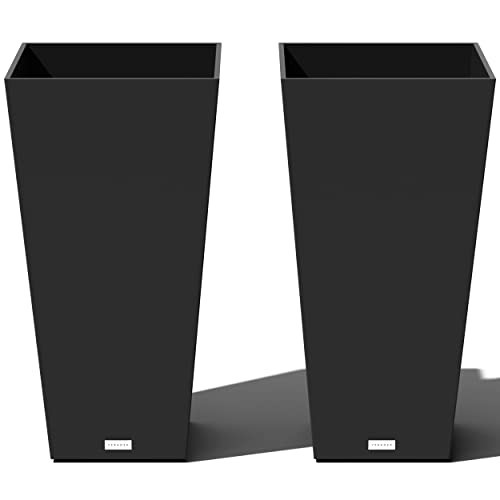
Veradek Pure Series Taper Planter

HEIHAK Five-Pack Hexagon Mesh Bonsai Training Pots with Trays, 7.4 Inch
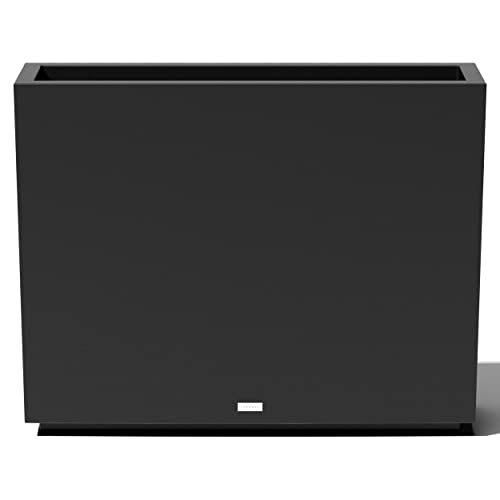
Veradek Span Outdoor Planter

QRRICA 7-10 Inch Self-Watering Pots

QRRICA 9-12 Inch Self-Watering Pots

Veradek Long Box Planter
A Deeper Look At The Lineup
The tapered profile gives this Veradek planter a sharp, modern look that suits an entrance, patio corner, or railing arrangement. Its shelf adds a horizontal display area without turning the container into a bulky box, making it useful for small decorative plants beside a larger aloe.
Made from polypropylene composite, the container combines a lightweight structure with a smooth, scratch-resistant finish. That balance favors people who want architectural styling but still need to reposition the planter, especially in seasonal outdoor spaces.
Key Advantages
- The narrow taper creates a modern focal point around upright aloe leaves.
- The integrated shelf provides space for another small plant or decoration.
- Lightweight polypropylene composite makes repositioning more manageable.
Practical Considerations
- The tapered body needs enough floor space to sit securely without tipping.
- Check the planter’s drainage opening and fit it with an appropriate free-draining mix before adding an aloe.
Feature Snapshot
Made For
This planter suits homeowners with contemporary patios or entryways who want a decorative aloe display with a small shelf.
Consider Something Else When
The Veradek Long Box Planter suits you better when you want to arrange several small aloe offsets in one long container.
These 7.4-inch hexagonal pots are built around controlled drainage and training, which makes them better suited to small aloe offsets than to a full-grown specimen. The five-piece set also gives you separate containers for propagation, office displays, or a collection of compact succulents.
An oval mesh panel is built into the base to help retain soil while surrounding openings release excess water. Compared with the much larger Veradek Span Outdoor Planter, this setup is compact and detail-oriented, though its size sharply limits root room.
Strong Points
- Five matching pots support organized propagation and rotating plant displays.
- Built-in mesh helps keep fine substrate in place during watering.
Where It May Fall Short
- The 7.4-inch format is better for juvenile plants than mature aloe roots.
- The mesh system is designed for controlled training rather than a deep, loose root run.
- Included trays add storage layers beneath the pots.
Right Fit For
This set suits plant hobbyists who are propagating small aloe offsets and value a coordinated five-container setup.
Another Choice May Suit
The QRRICA 7-10 Inch Self-Watering Pots suit you better when you want a slightly larger container and a wick-fed water reservoir.
With exterior dimensions of 30 inches high, 10 inches wide, and 38 inches long, this planter gives a mature aloe considerably more room than the compact HEIHAK training pot. Its tall rectangular form also works well as a garden accent where vertical proportion matters.
The double-walled plastic body is designed to resist cracking, scratches, UV exposure, and fading, including in temperatures from -30 to +50 degrees. A removable insert separates the planting area from the outer structure, giving you a more adaptable setup than a fixed one-piece container.
The Value In It
- The 30-by-38-inch footprint offers useful room for an established aloe.
- A removable insert gives you control over the inner planting container.
- Double-wall construction supports outdoor use in varied seasons.
- The tall shape emphasizes the upright silhouette of aloe foliage.
Details To Watch
- Its substantial footprint calls for a clear patio or garden location before purchase.
The Numbers That Matter
Built With In Mind
This large-format planter suits gardeners displaying a mature aloe where root space and strong outdoor presence matter most.
Look Elsewhere When
The Veradek Pure Series Taper Planter suits you better for a narrow entrance display that values a smaller footprint and built-in shelf.
For a windowsill, office, or trip away, a wick-fed planter can simplify watering without turning each pot into a separate reservoir system. The removable feeder draws water from a lower chamber and delivers it to the soil as the plant uses it, offering a steadier supply than a quick pour.
That convenience carries a plant-care caveat. Aloe generally prefers the soil to dry between watering, so the reservoir should not be treated as a reason to ignore the soil. This is a practical choice for busy schedules, not a substitute for observing how the plant responds.
Strengths Worth Knowing
- The removable wick feeder makes the watering system easy to access.
- The system can support plant care for up to two weeks.
- Several pot sizes accommodate different compact aloe plants.
- Indoor and outdoor placement gives you flexibility around the home.
- A separate water chamber keeps the watering supply below the planting area.
Minor Gripes
- You still need to check the soil and adjust the reservoir to the aloe’s needs.
- Outdoor placement in intense sun may dry the reservoir faster than indoor use.
Core Details
Travel Ready
These pots suit frequent travelers or busy households that want a compact aloe with a more consistent watering reserve.
Swap It Out When
The QRRICA 9-12 Inch Self-Watering Pots suit you better when your aloe has outgrown the smaller format and needs more root space.
The larger 9-, 10-, and 12-inch sizes make this QRRICA range more appropriate for an established aloe than the smaller 7-to-10-inch set. The roomier planting area gives a developing specimen more space while the wick system reduces the frequency of manual watering.
Compared with the Veradek Span Outdoor Planter, the emphasis shifts from architectural scale to routine plant care. A filled reservoir also adds more weight than a small pot, so you may find these containers easier to manage in a home than on a frequently rearranged patio display.
Everyday Advantages
- Larger dimensions give established aloe plants more useful root room.
- The removable wick feeder provides a steady link to the lower water chamber.
A Few Limitations
- Water in a larger reservoir can weigh more than you may expect.
- The wick should be checked regularly, especially in warm weather.
- These pots prioritize function rather than the architectural styling of the Veradek options.
Who Will Love This
This range suits indoor plant keepers with an established aloe who value easier watering more than decorative outdoor detailing.
Reach For A Different Pick When
The Veradek Long Box Planter suits you better when you want several low-growing aloe offsets presented in a single outdoor row.
At 16 inches high, 10 inches wide, and 32 inches long, this planter creates a low horizontal stage for a row of small aloe offsets. Its length is more useful for a grouped succulent display than for a single tall specimen, which is the main difference from the taller Veradek Span Outdoor Planter.
The double-walled plastic body is designed to withstand outdoor conditions, UV exposure, scratches, and fading across a -30-to-+50-degree temperature range. Multiple size and two-pack options also let you coordinate containers across a patio, railing, or garden border.
Where It Excels
- The 32-inch length supports a coordinated row of small aloes.
- Its low profile works well along railings and low garden borders.
- Double-wall construction suits exposed outdoor placement.
- Several size and pack configurations support coordinated displays.
Points To Note
- The horizontal format is less suitable for displaying one tall, upright aloe.
Technical Highlights
The Right Fit
This planter suits patio gardeners who want to display a coordinated line of compact aloe offsets along an edge or railing.
Where A Sibling Pick Shines
The Veradek Span Outdoor Planter suits you better when a single mature aloe needs deeper root space and a taller architectural profile.
What Aloe Containers Need Most
Start with root room. Aloe leaves can look compact while the plant still needs a reasonably stable container, particularly once offsets are separated and allowed to grow. The Veradek Span Outdoor Planter offers the most generous scale here, while the 7.4-inch HEIHAK pot is better treated as a temporary or training home for young plants.
Drainage deserves an equally close look. A hole in the bottom allows excess water to escape, and a mesh system can keep fine soil from washing out. Neither feature replaces an appropriate gritty or free-draining soil, so check the opening, insert, and planting depth before setting an aloe into any container.
The location should guide your final decision. Large architectural planters suit permanent patio positions, self-watering pots help with busy schedules, and a long box works best for a group of low offsets. Check the planter’s full footprint, including its weight when filled with soil and water.
Why The Higher Tier Costs More
Higher-tier planters tend to add double-wall construction, removable inserts, refined shapes, or larger planting areas. Those features matter most for outdoor displays, frequent repositioning, or mature plants that need more room. A basic training pot remains sensible for young offsets, especially when drainage and fit matter more than appearance.
Practical Checks Before Planting
Mistakes Worth Dodging
Avoid choosing by appearance alone, especially when the container is too small for the root system. Also avoid assuming a wick reservoir means the soil never needs checking, and confirm that the base has a suitable drainage opening before adding a plant.
What Separates Premium From Basic
The upgrade pays off when you value durable outdoor construction, a removable inner container, or a form that belongs on a patio. For propagation, a smaller pot with mesh drainage can be the more sensible choice, and premium styling does not replace good plant care.
Frequently Asked Questions
What size planter is best for an aloe plant?
Choose a pot that leaves room for the root system and stabilizes the plant without making it look undersized. Larger aloes generally benefit from more container space than young offsets.
Do aloe plants need drainage holes?
Yes, drainage holes allow excess water to leave the container and help the soil dry between watering. A mesh insert can supplement drainage by retaining fine soil, but it should not replace an open drainage path.
Are self-watering pots suitable for aloe plants?
Self-watering pots can suit aloe plants when the reservoir is adjusted to the plant’s needs. Check the soil regularly because a wick cannot determine how much water the plant requires in every condition.
Can aloe plants live in outdoor planters?
Outdoor planters work well for aloes that receive suitable light and have drainage suited to their growing conditions. Container material, placement, and seasonal watering needs all influence how well the plant performs.
Should I use one large pot or several small pots?
Use one large pot for a mature specimen that needs additional root space. Several smaller pots suit offsets, propagation, and collections, allowing each plant to remain at a manageable size.
Closing Remarks
The right aloe planter balances drainage, root space, and the setting where the plant will live. Small training pots suit young offsets, the QRRICA ranges support convenient indoor care, and the Veradek selections cover architectural displays from compact entrances to long patio arrangements. Choose the footprint and watering system that match your routine, then confirm the container’s drainage before planting.
