

A patio garden needs more than a container that looks good in a photograph. You also need enough soil depth for healthy roots, drainage that prevents soggy roots, and enough mobility to move plants with the seasons. These six options cover raised vegetable beds, rolling tree planters, modular layouts, and elevated patio setups for everything from herbs to dwarf fruit trees.
A Side-By-Side Look
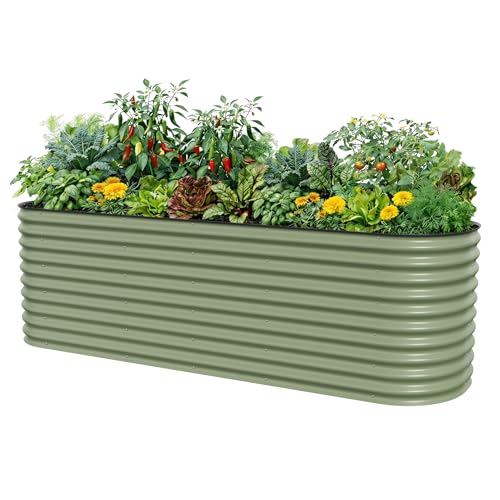
Vego Garden 32-Inch 10-in-1 Deep Root Raised Bed 4×8 Ft Olive Green

Rolling Citrus Tree Planter Gen 3 30 Gallon Olive Green

Vego Garden 17-Inch 9-in-1 Raised Bed 8×2 Ft
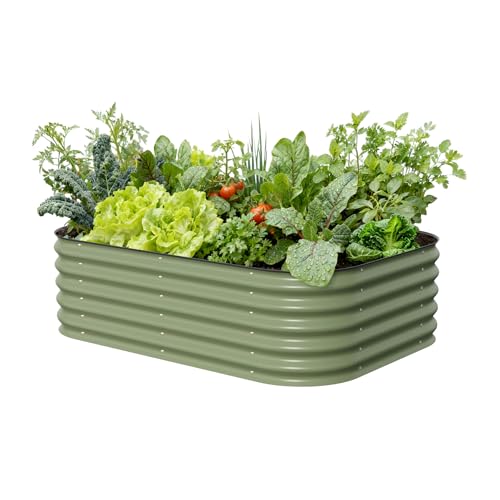
Vego Garden 17-Inch 6-in-1 Raised Bed Olive Green
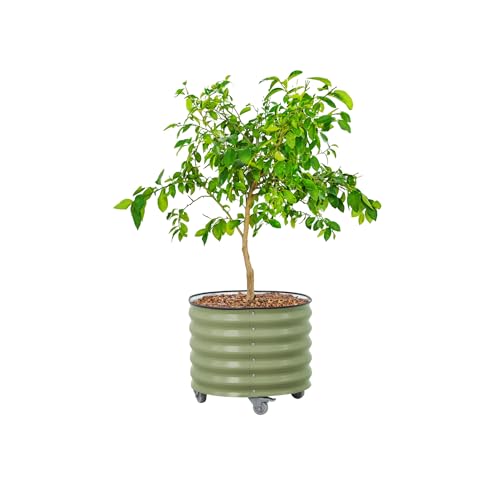
Rolling Metal Citrus Tree Planter Pot with Wheels 30 Gallon Olive Green

Vego Garden Elevated Raised Bed 2×4 Ft 700-Lb Capacity
A Deeper Look At The Lineup
A 32-inch-high raised bed makes tending vegetables easier because you reach the soil without folding as far forward. This kit supports deep-rooted crops and gives you a generous 4-by-8-foot footprint, making it a sensible choice for a backyard garden that needs room for rows, succession planting, or several kinds of produce.
Ten possible configurations let you reshape the bed as your plans or available space change. Coated steel provides the structure, while rounded panels and rubber-covered edges soften the upper corners. You assemble the pieces and tighten the fasteners, so planning the final shape before filling it matters.
Notable Gains
- Ten layouts accommodate narrow, square, or extended growing areas.
- The 32-inch height supports substantial root space and easier harvesting.
- Coated steel offers a durable alternative to temporary wooden borders.
- Rounded panels avoid the sharp corners found on many box designs.
- Rubber edging adds comfort around exposed upper edges.
Trade Offs
- A large bed needs considerable soil, and its filled weight can be substantial.
- Ten useful options also mean more assembly planning than a fixed-shape bed.
Feature Snapshot
Who It Suits Best
You will appreciate this raised bed most for a substantial backyard vegetable garden with enough space for a deep, configurable root zone.
Consider Something Else When
The Vego Garden 17-Inch 9-in-1 Raised Bed 8×2 Ft suits gardeners who want multiple layouts in a smaller footprint.
A 30-gallon rolling planter gives patio trees room to develop a substantial root system without turning a fixed container into a permanent location. The 24-inch round design suits lemon, fig, olive, and dwarf fruit trees that need more root room than a standard patio pot provides.
An integrated reservoir and wicking system deliver water directly to the root zone, which means the soil receives moisture more consistently than with frequent surface pours. A fill tube and water gauge simplify care, while locking casters let you move the planter before locking it in a sunny or sheltered position.
Positive Points
- The 30-gallon volume suits long-term patio trees and substantial vegetables.
- Wicking irrigation reduces the need for frequent surface watering.
- The fill tube and gauge simplify regular moisture checks.
- Locking wheels make seasonal repositioning much easier.
Practical Considerations
- Soil, water, and the tree add weight, so wheel operation depends on a smooth path.
- The integrated reservoir takes planning compared with a simple drainage-hole pot.
Technical Highlights
Made For
This planter is built for gardeners growing citrus or dwarf fruit trees on patios, porches, and balconies where mobility and watering control matter.
A Better Fit Elsewhere
The Rolling Metal Citrus Tree Planter Pot with Wheels 30 Gallon Olive Green fits gardeners who prefer straightforward drainage over an integrated reservoir.
The 8-by-2-foot format gives you a useful length for herbs, flowers, and vegetables without taking up the space of a broad bed. Nine configurations make this a more adaptable alternative to a fixed rectangular planter, particularly for gardens that must work around paths, fences, or existing landscaping.
Its 17-inch height provides more root space than a shallow container while keeping the bed easier to fill than the 32-inch Vego Garden model. Coated steel panels and rounded, rubber-edged corners create a practical structure for everyday vegetable plots, with the same straightforward fastener-based assembly.
Standout Benefits
- Nine configurations offer more layout options than a fixed planter.
- The elongated footprint suits rows of vegetables or narrow garden borders.
- Coated steel supports outdoor use across changing seasons.
- Seventeen-inch depth provides useful root room for many crops.
- Rounded panels and rubber edging make exposed edges more comfortable.
Where It May Fall Short
- Filling the full bed requires sourcing a substantial quantity of soil.
- Assembly takes planning because several panel arrangements are possible.
- The 17-inch height offers less root depth than the 32-inch deep-root model.
Right Fit For
You will find this raised bed especially useful for backyard growers who want a long vegetable bed plus the freedom to change its shape.
Another Choice May Suit
The Vego Garden 32-Inch 10-in-1 Deep Root Raised Bed 4×8 Ft Olive Green serves gardeners who prioritize deeper soil and more root space.
Six configurations keep the planning process approachable while preserving the freedom to change the bed’s shape. At 17 inches high, this raised bed offers enough depth for many vegetables and flowers without reaching the towering proportions of a deep-root model.
The same VZ 2.0 coated steel used across this line provides a consistent outdoor structure. Rounded panels reduce harsh corners, and rubber edging covers the upper rim. For a patios, backyard border, or vegetable plot, the trade-off is fewer arrangements than the nine- and ten-layout kits.
Well-Handled Touches
- Six configurations provide useful flexibility with less complexity.
- Coated steel gives the bed a structured, reusable form.
- The 17-inch height supports root development and easier access.
Small Caveats
- You have fewer layout choices than with the nine- or ten-configuration beds.
- Soil and moisture still add considerable weight after filling.
- The kit requires assembly and tightening of its fasteners.
Quick Facts
Built With In Mind
This bed suits new gardeners and smaller plots where modular options matter, but a large assortment of configurations would be unnecessary.
Swap It Out When
The Vego Garden 17-Inch 9-in-1 Raised Bed 8×2 Ft better fits gardeners who want additional layout possibilities and a long finished shape.
This 24-inch rolling planter offers a 30-gallon container for olive trees, tomatoes, vegetables, and flowers without adding a self-watering reservoir to the setup. Its rounded 24-by-20.5-inch profile fits neatly into a patio corner and keeps the planted area compact.
Locking wheels let you move the planter and hold it in place once you find the right position. Drainage holes release excess water from the soil, giving you a more conventional watering routine than the reservoir system in the Rolling Citrus Tree Planter Gen 3. A sturdy frame supports the pot’s metal construction.
Noteworthy Benefits
- The round 24-inch profile conserves patio space.
- Locking wheels simplify seasonal repositioning.
- Drainage holes prevent excess water from collecting.
- The 30-gallon volume supports substantial container plants.
Some Limits To Know
- Watering stays manual because there is no built-in reservoir.
- A level, smooth surface helps the rolling base move more easily.
- The rounded container offers less rectangular planting area than a box bed.
The Right Fit
This planter suits patio growers who want a mobile, conventional container for trees and large vegetables without a built-in watering system.
Reach For A Different Pick When
The Rolling Citrus Tree Planter Gen 3 30 Gallon Olive Green suits gardeners who prefer a fill tube, wicking system, and water gauge for more controlled watering.
An elevated bed turns a compact 2-by-4-foot footprint into a complete patio growing station. The raised container keeps herbs and vegetables at a convenient working height, while the lower storage rack creates a place for gardening supplies that would otherwise occupy the floor.
Its listed 700-pound capacity supports a meaningful load when divided across the structure, including soil, plants, and retained moisture. VZ 2.0 coated steel provides the same material approach seen in the ground-level Vego Garden beds. You gain vertical organization rather than the broad modular layouts offered by the larger kits.
What Stands Out
- The elevated design improves access for everyday tending.
- A 2-by-4-foot footprint suits patios and compact outdoor spaces.
- The lower rack keeps tools and supplies off the ground.
- Coated steel provides a structured outdoor frame.
- The listed capacity supports a substantial growing load.
Factors To Consider
- Confirm that your surface can support the bed’s combined weight.
- Soil and retained water make the filled container heavier than its empty frame.
- This fixed format offers less layout flexibility than modular ground-level beds.
Core Details
Whose Shelf It Belongs On
This raised bed belongs on a patio belonging to a gardener who values compact footprint, elevated access, and built-in storage for herbs and vegetables.
Where A Sibling Pick Shines
The Vego Garden 32-Inch 10-in-1 Deep Root Raised Bed 4×8 Ft Olive Green is the better fit for a spacious backyard plot requiring deeper roots and more flexible layouts.
Planter Pot Decisions Start With Space and Soil Depth
Start with the space where the planter will live. Measure the full width, leave room for access, and check whether nearby walls, fences, or paths limit the layout. A long narrow bed works well beside a fence, while a rolling container gives you freedom to move a tree away from intense afternoon sun.
Match the planter to the plant. Root depth is the vertical space available for roots to spread and anchor themselves, so deeper crops need a deeper container than compact herbs. A 30-gallon pot offers a different approach, holding one substantial tree rather than a mixed vegetable bed.
Consider weight and movement after the plant is established. Soil and retained water make any filled planter heavier than its metal frame suggests. Locking wheels help with repositioning, but a smooth path and level surface still make the task easier.
Check the functional details before assembly. Modular beds require you to settle on a final configuration, while elevated models need enough room for legs and their storage rack. Drainage features, watering systems, and upper-edge design should match how much time you want to spend tending plants.
Common Mistakes and Useful Upgrades
Mistakes Worth Dodging
The most common mistake is choosing a container by its shape before considering the mature size of the plant. A narrow pot may look tidy while becoming cramped for a dwarf tree. Another common error is ignoring access, which turns routine watering and harvesting into awkward reaching.
What The Higher Tier Buys
A higher-tier model may add modular layouts, greater root depth, a self-watering reservoir, or integrated storage. Those features earn their place when you need mobility, less frequent watering, or a more organized patio setup. For a small herb bed, simpler construction may meet your needs just as well.
Frequently Asked Questions
What size planter is best for vegetables?
A raised bed with 17 inches of depth suits many common vegetables, while deeper roots and larger crops benefit from greater height. A 30-gallon container is better suited to a single substantial tree or a compact group of large plants.
Can these planter pots be moved?
The rolling models use locking casters, which are wheels designed to roll and then clamp in place. Their loaded weight still calls for a smooth path, firm grip, and a level surface.
Do Vego Garden raised beds require construction knowledge?
The kits require you to assemble the panels and tighten their fasteners, but the manufacturer says no construction knowledge is needed. Choose your configuration before filling the bed with soil.
How do self-watering planters differ from drainage-hole pots?
A self-watering planter uses a reservoir, wick, fill tube, and gauge to deliver water near the roots. A drainage-hole pot releases excess water and leaves watering frequency under your control.
What should I check before filling a metal planter?
Check the base support, drainage, and expected filled weight before adding soil. Elevated models also need adequate space beneath them for legs and the storage rack.
Final Verdict
Your best choice depends on the planting job: deep vegetables favor the 32-inch raised bed, patio trees benefit from a 30-gallon rolling planter, and compact patios suit the elevated storage model. Measure your space, confirm the plant’s mature size, and choose the layout that makes routine care easier.
