

A watermelon vine spreading across a warm garden bed needs steady nutrition, but an overly rich feeding routine can push energy toward leaves instead of fruit. You need a plant food matched to your growing method, nutrient balance, and the stage of the crop. The right choice depends on whether you grow in soil, a raised bed, or a hydroponic system.
A Closer Look At The Lineup

Miracle-Gro All Purpose Plant Food

Technaflora MagiCal 2-0-0 Liquid

ALIINKD A&B Nutrients 1000ml

Espoma Plant-Tone 5-3-3 All Purpose Organic Fertilizer 50 lb. Bag
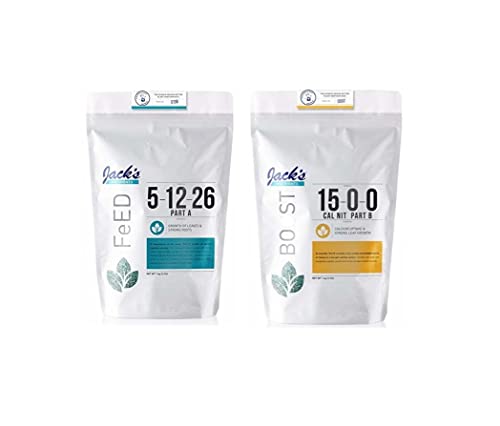
Jack’s Nutrients A&B Bundle

Farmer’s Secret Super Concentrated Fruit & Bloom Booster for Late Summer 8oz
The Details Behind The Selections
Water-soluble fertilizer dissolves into irrigation water, making this option practical for a mixed garden bed containing watermelon, flowers, vegetables, and houseplants. Its 24-8-16 formula supplies nitrogen, phosphorus, and potassium, the three nutrients commonly listed together as NPK. That broad coverage makes it an easy match for a household garden where one plant food handles several growing spaces.
The 12.5-pound container covers approximately 5,000 square feet of garden area, though your watering habits and plant density will affect how quickly you use it. Indoor mixing takes half a teaspoon per gallon, while the outdoor rate is 1-1/2 tablespoons per 1-1/2 gallons. For most backyard growers, the practical advantage is straightforward dilution and broad plant compatibility.
What It Does Well
- One formula serves indoor and outdoor plants.
- Clear dilution rates simplify routine watering.
- The large container suits extensive gardens.
- It covers vegetables alongside flowers and trees.
Points To Note
- The relatively high nitrogen content calls for measured feeding rather than generous additions.
- You must prepare the correct dilution for each indoor or outdoor application.
The Numbers That Matter
Made For
Mixed-veggie and ornamental gardens need a flexible plant food that handles both container plants and outdoor beds.
Consider Something Else When
Hydroponic growers needing a targeted calcium, magnesium, and iron supplement may prefer Technaflora MagiCal 2-0-0 Liquid.
Unlike Miracle-Gro All Purpose Plant Food, Technaflora MagiCal 2-0-0 Liquid is a targeted supplement rather than a general-purpose feed. It supplies 3.25% calcium, 1.25% magnesium, and 0.11% chelated iron, with chelated iron referring to iron bound to a molecule for easier plant availability. That combination suits growers whose base nutrients need an additional Cal-Mag adjustment.
Its zero nitrogen and zero phosphorus analysis also gives you a defined role within an existing feeding schedule. It can supplement hydroponic, soilless, and soil programs, making it useful for a greenhouse grower managing several crops. The formulation is designed to dissolve without sediment, which helps keep reservoirs and irrigation outlets from collecting undissolved material.
The Upside
- Targets calcium, magnesium, and iron in one liquid.
- Mixes into existing feeding programs.
- Stays clear in reservoirs and emitters.
- Supports fruit development with calcium nutrition.
Practical Considerations
- Its 2-0-0 analysis does not replace a complete base feed.
- You need an existing feeding schedule to determine where the supplement fits.
Right Fit For
Hydroponic and soilless growers who need a precise calcium, magnesium, and iron addition to an established nutrient program benefit most.
Where Another Pick Suits Better
Soil gardeners seeking a broad fertilizer for multiple plant types may find Miracle-Gro All Purpose Plant Food more convenient.
A hydroponic system, where roots receive nutrients from a solution rather than conventional soil, requires nutrients formulated for that setup. ALIINKD A&B Nutrients 1000ml uses a paired A and B format, giving you two components intended to be used as a system. The package includes two primary bottles plus eight additional containers, totaling 1,000 milliliters.
Compared with Technaflora MagiCal 2-0-0 Liquid, this option presents itself as a broader A&B feeding format rather than a single Cal-Mag supplement. The package also includes micronutrients, which are nutrients required in small amounts for plant growth and development. For a compact indoor setup, the multiple containers provide useful flexibility, although you need to keep the paired components properly organized.
Noteworthy Benefits
- Built specifically for hydroponic cultivation.
- The A&B format separates two nutrient components.
- Ten containers offer useful quantities for ongoing feeding.
- Micronutrients add support beyond the base feed.
A Few Limitations
- You need an established hydroponic system and compatible feeding routine.
- Multiple containers require careful label management and storage.
- The smaller total volume suits compact systems better than large operations.
Quick Facts
Who Will Love This
Compact hydroponic setups benefit most from a dedicated two-part nutrient format designed for solution-based growing.
Not Your Match When
Traditional garden beds are better served by Espoma Plant-Tone 5-3-3 All Purpose Organic Fertilizer 50 lb. Bag.
Unlike the water-soluble feeding approach used by Miracle-Gro All Purpose Plant Food, Plant-Tone relies on natural organic materials that break down gradually. Slow release means the nutrients become available over time instead of being concentrated in each watering. That approach can suit a warm garden bed where steady root-zone feeding is preferable to frequent liquid applications.
The 5-3-3 analysis combines nitrogen, phosphorus, and potassium in a lower-nitrogen balance than the 24-8-16 option. Its labeled uses include annual and perennial flowers, vegetables, trees, and shrubs, so it can support a varied edible landscape. In a large garden, the 50-pound bag reduces the need for frequent container replacement, though bulk storage deserves consideration.
Strong Points
- Natural organics provide gradual nutrient release.
- The formula serves vegetables, flowers, trees, and shrubs.
- A 50-pound bag suits extensive garden areas.
- It avoids a high-nitrogen general-purpose analysis.
Trade Offs
- Gradual feeding is less suitable for correcting an immediate nutrient shortage.
- The large bag needs dry, accessible storage space.
Best Suited To
Organic-minded soil growers and larger mixed gardens benefit from steady, slow-release nutrition across several crop types.
A Better Fit Elsewhere
Home growers wanting a measured liquid feeding routine may prefer Miracle-Gro All Purpose Plant Food for its defined dilution rates.
This bundle shifts from liquid hydroponic nutrients to two dry fertilizer bags, each weighing 2.2 pounds. Part A has a 5-12-26 analysis and contributes micronutrients, while Part B is 15-0-0 calcium nitrate. Macronutrients are elements required in larger amounts, and the paired formulas give you distinct components for mixing into a hydroponic feed.
Compared with ALIINKD A&B Nutrients 1000ml, Jack’s Nutrients A&B Bundle offers larger bags and clearly stated analyses for both components. Part A is associated with root and leaf growth, while Part B supports calcium uptake and strong leaves. For a controlled indoor grower, that transparency helps make the two-part system easier to plan and balance.
Everyday Advantages
- Both component analyses are clearly identified.
- Part A supports root and leaf development.
- Part B supplies calcium for uptake.
- Dry bags offer generous quantities for ongoing programs.
Details To Watch
- Both components must be used together as designed.
- You need suitable storage for two separate 2.2-pound bags.
Technical Reference
Built With In Mind
Controlled indoor growers benefit from the separate, clearly labeled components that make a two-part hydroponic feeding program easier to manage.
Another Choice May Suit
A grower needing a specific Cal-Mag and iron addition may prefer Technaflora MagiCal 2-0-0 Liquid alongside the base feed.
Timing changes the useful choice for a watermelon plant already carrying flowers and developing fruit. This formula is intended for late summer and early fall, placing it closer to a seasonal flowering and fruiting program than a broad all-purpose feed. It is labeled for fruit-bearing vegetables, fruit trees, and flowers, including the types of crops often managed during that period.
The concentrated 8-ounce format is designed to be mixed rather than applied directly, and its approach centers on stronger roots and improved nutrient uptake. You may find it useful for a container watermelon or a late planting that needs support as it approaches harvest. Compared with Espoma Plant-Tone, this option has a more specific seasonal purpose and a smaller, more concentrated package.
Useful Touches
- Formulated for late summer and early fall.
- Designed for flowers, vegetables, and fruit crops.
- Supports root activity and nutrient uptake.
- The concentrate suits targeted seasonal feeding.
Where It May Fall Short
- Its seasonal focus makes it less aligned with early-stage bed preparation.
- You must follow the label dilution because the product is concentrated.
Feature Snapshot
The Right Fit
Late-season watermelon plants, container melons, and other fruiting crops benefit most from a stage-specific flowering and yield formula.
Reach For A Different Pick When
Gardens needing broad, gradual nutrition across flowers, vegetables, trees, and shrubs are better served by Espoma Plant-Tone 5-3-3 All Purpose Organic Fertilizer 50 lb. Bag.
Feeding Decisions for Productive Watermelon Vines
Start With the Growing Method
Fertilizer means a material that supplies nutrients for plant growth, and the appropriate form depends on how roots receive water and nutrients. Soil and raised-bed growers can choose a garden fertilizer labeled for their growing medium, while hydroponic growers need nutrients formulated for solution-based systems. A product designed for one method may not provide the most practical application in the other.
Read the NPK Ratio
NPK represents nitrogen, phosphorus, and potassium, but the ratio tells only part of the story. A nitrogen-heavy formula can suit plants managed for leafy growth, while fruiting crops often receive a more balanced feeding program. Consider what the plant has already received from your soil and avoid treating a concentrated number as a reason to increase every application.
Match the Formula to the Growth Stage
General plant food works for broad, repeatable feeding, while supplements and seasonal formulas serve narrower roles. Calcium-focused products support fruit development, and late-season boosters target plants already entering flowering or fruiting. A watermelon plant at different stages may need different support, so timing can matter as much as the fertilizer label.
Check Mixing and Storage
Water-soluble concentrates require careful dilution, and dry fertilizers demand the correct measuring and mixing process. Read the label before combining any product with an existing feeding schedule. Also consider storage space, container organization, and how frequently you expect to use the product.
Smart Feeding Details That Matter
Mistakes Worth Dodging
Choosing a fertilizer solely because its NPK numbers look impressive can oversimplify your decision. Match the formula to your growing medium, avoid doubling applications, and keep concentrated products properly diluted. For a fruiting crop, measured feeding is usually more useful than frequent guesswork.
When Paying More Pays Off
A larger bag may suit an expansive garden, while a concentrated formula may serve a small or seasonal planting better. The upgrade is worthwhile only when its quantity or specialized purpose matches your setup. Check storage, application method, and crop stage before choosing the larger package.
Frequently Asked Questions
Can I Use All-Purpose Plant Food on Watermelon?
Yes, a general plant food labeled for vegetables and outdoor plants can support watermelon growth. Follow its dilution directions and account for nutrients already present in the soil.
Is 24-8-16 Too Much Nitrogen for Watermelon?
Its nitrogen share is high compared with lower-nitrogen garden formulas, so extra feeding deserves caution. Use it according to the label rather than increasing the concentration during fruit development.
Do I Need Hydroponic Fertilizer for Soil?
No, hydroponic nutrients are formulated for solution-based systems rather than ordinary garden soil. Soil growers should select a fertilizer labeled for soil or their growing medium.
What Fertilizer Supports Watermelon Fruit Development?
Look for a formula that supplies calcium and fits the plant’s current growth stage. Technaflora MagiCal 2-0-0 Liquid provides targeted calcium, magnesium, and iron as a supplement rather than a complete base feed.
When Should I Feed a Late-Season Watermelon?
A product formulated for late summer and early fall fits plants already flowering or forming fruit. Earlier garden growth may benefit more from a broad all-purpose fertilizer.
Final Verdict
The right plant food for watermelon depends on your growing system and the crop’s stage, not on a single universal formula. Soil growers can weigh gradual organic nutrition against measured liquid feeding, while hydroponic growers need a compatible A&B system or targeted supplement. Match the label to the plant, the season, and your available space before making the final selection.
