

A tomato bed can look healthy right up to the point where growth stalls or leaves lose their color. Your planting timeline, container size, and preference for quick versus gradual feeding determine which type of plant food will fit your routine best. These six options cover everything from broad-purpose watering-can feeding to tomato-specific concentrates and organic soil amendments.
A Fast Comparison Of The Options

Miracle-Gro All Purpose Food 12.5 lb.

Osmocote 4-Month Vegetable & Flower Food

Miracle-Gro Pound 160101 Plant Food

Espoma Bio-Tone Starter Plus 4-3-3 with Mycorrhizae, 4 lb. Pack of 2
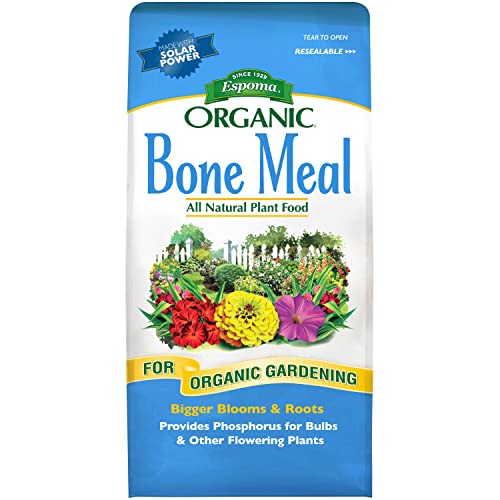
Espoma Organic Bone Meal 4-12-0 for Flowering Plants, 8 lb.

Farmer’s Secret Tomato Booster 3-8-7 with Humic Acid, Iron and Calcium, 32 oz
Inside Each Recommended Option
A large vegetable garden makes container weight and repeated purchases worth thinking about. The 12.5-pound format gives you plenty of material for a substantial mix of vegetables, flowers, trees, shrubs, and houseplants, so one product can cover several planting areas.
This is the practical choice for someone who wants tomatoes and other plants to share the same feeding routine. The 24-8-16 formula supplies nitrogen, phosphorus, and potassium, the three primary nutrients represented in that ratio. Compared with the smaller Miracle-Gro Pound 160101, the main difference is scale rather than feeding style.
Strengths Worth Knowing
- The container covers approximately 5,000 square feet of garden area.
- One formula serves tomatoes, vegetables, flowers, trees, shrubs, and indoor plants.
- Water-soluble granules fit ordinary watering cans and garden feeders.
- Your dilution differs indoors and outdoors, allowing separate application rates.
Practical Considerations
- The all-purpose approach is less tailored than a dedicated tomato formula.
- Mixed use requires measuring indoor and outdoor dilutions separately.
Key Specs
Made For
You benefit most with a mixed outdoor garden or several large planting areas that need one economical plant-food format.
Where Another Pick Suits Better
Farmer’s Secret Tomato Booster 3-8-7 with Humic Acid, Iron and Calcium, 32 oz fits a gardener committed to feeding tomatoes alone on a weekly schedule.
Some gardeners would rather not measure plant food in a watering can every week. Osmocote uses a slow-release format that releases nutrients gradually, with feeding stated to continue for up to four full months from one application.
That makes it a sensible fit for vegetable beds, flower borders, annuals, and perennials in a low-maintenance routine. The balanced 14-14-14 analysis supports general growth rather than tailoring nutrients specifically to tomatoes, so you give up some crop-specific focus in exchange for simpler scheduling.
Good Reasons To Consider
- Gradual nutrient release reduces the need for frequent reapplication.
- One application feeds plants for up to four months.
- The formula works with vegetables, flowers, annuals, and perennials.
- Two 2-pound canisters cover multiple beds or a larger planting area.
- Soil application and thorough watering keep the process approachable for beginners.
Some Limits To Know
- It suits a general garden rather than a tomato-specific nutrient strategy.
- Gradual feeding cannot be adjusted as quickly as a water-soluble concentrate.
Right Fit For
You benefit most with multiple garden beds and a busy schedule that makes frequent liquid feeding inconvenient.
Consider Something Else When
Miracle-Gro All Purpose Food 12.5 lb. gives you faster control through separate indoor and outdoor watering-can dilution rates.
A balcony full of tomatoes does not call for a large garden-scale container. The one-pound Miracle-Gro Pound 160101 keeps storage manageable while providing the same 24-8-16 nutrient analysis found in the larger Miracle-Gro option.
Its dual-action approach is designed to feed through both roots and leaves, which broadens its use beyond a single plant group. It works with flowers, vegetables, trees, shrubs, and houseplants, and you can apply it through a watering can or a garden feeder. For a few containers, that flexibility may be more useful than a large bag.
Features That Help
- The compact package suits storage in apartments, sheds, and small utility spaces.
- Root-and-leaf feeding supports a broader application range.
- Watering cans and garden feeders both work with the formula.
Small Caveats
- The one-pound quantity offers less coverage than the 12.5-pound container.
- Its broad plant list makes it less specific to tomatoes than a tomato booster.
Quick Facts
Who Will Love This
You benefit most with a patio, balcony, or compact vegetable garden where convenient storage matters.
A Better Fit Elsewhere
Osmocote 4-Month Vegetable & Flower Food serves gardeners who want fewer applications than a conventional water-soluble feeding routine.
The moment your tomato starts as a transplant is different from the moment it begins producing fruit. Espoma Bio-Tone Starter Plus is designed for planting and transplanting, placing its nutrients in the root zone where young roots can encounter them.
It includes endo- and ectomycorrhizae, beneficial fungi that form associations with plant roots, plus natural and organic ingredients in a 4-3-3 analysis with 5 percent calcium. That makes it most relevant at the start of a tomato bed, unlike the already-established feeding approaches offered by the water-soluble products.
Why It Works Well
- Ready to mix into backfill soil during planting or transplanting.
- Mycorrhizae are included for root-focused soil application.
- The formula includes 5 percent calcium alongside its 4-3-3 nutrient analysis.
- Two 4-pound bags give you material for multiple planting sessions.
Where It May Fall Short
- Its main use is at planting rather than routine feeding of established plants.
- Mixing it directly into the planting-hole soil requires extra preparation.
At A Glance
The Right Fit
You benefit most when starting tomato transplants and mixing the product into the soil used to refill their planting holes.
Another Choice May Suit
Farmer’s Secret Tomato Booster 3-8-7 with Humic Acid, Iron and Calcium, 32 oz fits tomatoes already in an established weekly feeding routine.
Bone meal has a different purpose from the complete tomato feeds in this roundup. It is made for bulbs, spring and fall planting, annual flowers, and perennial flowers, with the material mixed into soil at planting time.
The 4-12-0 analysis is heavily weighted toward phosphorus, with nitrogen and calcium also supplied and no listed potassium. That profile makes it a useful soil amendment for a flower-focused bed, but tomatoes needing a broader nutrient balance belong in one of the all-purpose or tomato-specific products.
Useful Strengths
- The natural bone meal contains no fillers or additives.
- Its phosphorus-heavy profile suits bulbs and flowering plants.
- The 8-pound bag covers multiple spring or fall planting areas.
Details To Watch
- The absence of listed potassium makes it less balanced for tomatoes.
- Its planting-stage use differs from routine liquid feeding.
- The 8-pound bag needs a dry storage spot away from dampness.
Whose Shelf It Belongs On
You benefit most with bulbs or flowering plants and a preference for natural soil amendments at planting time.
Look Elsewhere When
Miracle-Gro All Purpose Food 12.5 lb. is the more relevant choice for tomatoes sharing a bed with vegetables, flowers, trees, and shrubs.
A bed devoted entirely to tomatoes lets you use a formula built around that crop rather than spreading general nutrients across many plant types. Farmer’s Secret Tomato Booster uses a 3-8-7 ratio and adds humic acid, iron, and calcium for a composition aimed specifically at tomatoes throughout their growing cycle.
The concentrate is mixed at two teaspoons per gallon and applied weekly, making measurement discipline part of the routine. You will find this more targeted than Miracle-Gro’s 24-8-16 option, although the weekly schedule is less forgiving than Osmocote’s gradual four-month release.
The Case For It
- The formula is designed specifically for tomato plants.
- Its 3-8-7 analysis emphasizes phosphorus and potassium.
- Humic acid, iron, and calcium supplement the primary nutrients.
- A 32-ounce concentrate offers a compact supply for a dedicated bed.
- The dilution rate supports repeatable weekly application.
Potential Compromises
- Weekly application requires more attention than slow-release feeding.
- Its tomato-specific profile is unnecessary for a broad mixed garden.
Feature Snapshot
Best Suited To
You benefit most with a dedicated tomato bed and a weekly watering routine that makes concentrated feeding convenient.
Swap It Out When
Espoma Bio-Tone Starter Plus 4-3-3 with Mycorrhizae, 4 lb. Pack of 2 is the better fit for your planting stage when tomatoes are being transplanted into prepared soil.
Matching Plant Food to Your Gardening Routine
Start by deciding whether your tomatoes are being planted, established, or harvested. A starter product belongs in the planting hole, while water-soluble and slow-release products fit established plants. This timing distinction matters more than any label on the front of the container.
Read the NPK Ratio
NPK describes the proportion of nitrogen, phosphorus, and potassium in the fertilizer. Nitrogen supports leafy growth, phosphorus contributes to root and flower development, and potassium plays a central role in fruit-bearing plants. A balanced 14-14-14 formula serves mixed beds, while the 3-8-7 tomato formula takes a more crop-specific approach.
Choose the Feeding Schedule
Your schedule should match the product rather than the other way around. Slow-release granules reduce application frequency, while concentrated tomato food calls for regular mixing and watering. Water-soluble all-purpose food falls between those approaches, offering a straightforward watering-can routine.
Match the Formula to the Planting Area
Broad garden formulas make sense when tomatoes share space with flowers, vegetables, shrubs, or houseplants. Bone meal and starter products have narrower roles, centering on flowering plants or newly transplanted crops. Check the application method and nutrient analysis before ordering so the product matches the job.
Avoiding Costly Feeding Mistakes
Common Shopping Slip Ups
Do not judge plant food by the size of its container alone. A large bag may suit a broad garden, while a smaller concentrated bottle can serve a dedicated tomato bed. Check the nutrient ratio, application stage, and required dilution first.
Where The Extra Money Goes
More expensive products may offer crop-specific formulas, biological components, or longer feeding intervals. Those features earn their place only when your planting stage and routine call for them. Otherwise, a balanced, correctly diluted product remains a sensible choice.
Frequently Asked Questions
Can I Use All-Purpose Plant Food on Tomatoes?
Yes, an all-purpose fertilizer containing nitrogen, phosphorus, and potassium can feed tomatoes alongside other plants. Follow its labeled dilution and application schedule rather than mixing it with another fertilizer.
Is Slow-Release Tomato Food Better Than Water-Soluble Food?
Slow-release food suits gardeners who want fewer applications, while water-soluble food offers more control over the timing of each feeding. Your schedule and preferred routine determine which approach fits better.
What NPK Ratio Is Best for Tomatoes?
The 3-8-7 ratio in Farmer’s Secret Tomato Booster provides a tomato-specific balance, while 24-8-16 and 14-14-14 options work as broader garden formulas. Consider the crop, soil, and other plants sharing the bed before deciding.
When Should I Use Starter Fertilizer on Tomato Plants?
Use starter fertilizer when planting or transplanting tomatoes so its nutrients enter the root zone during early establishment. A plant already growing in a bed generally needs a product labeled for routine feeding.
Can Bone Meal Replace Tomato Plant Food?
Bone meal is designed primarily for bulbs and flowering plants, with a 4-12-0 analysis that does not provide the same balanced nutrition as tomato food. Use a balanced or tomato-specific formula for routine tomato feeding.
Final Verdict
Your best fit depends on planting stage, garden size, and feeding frequency. Use a starter formula for transplants, a balanced product for mixed beds, slow release for fewer applications, and a tomato-specific concentrate for dedicated weekly care. Match the dilution and nutrient profile to your actual routine for the most useful result.
