

A mandevilla’s glossy leaves can look healthy while its flowering declines, especially in a warm room with limited root space. The right plant food supports foliage, roots, and buds without relying on a fertilizer formulated for a different houseplant. These options give you several practical approaches, from bloom-focused feeding to gentle indoor nutrition.
The Main Contenders

The Grow Co Organic Monstera Plant Food, 8 oz
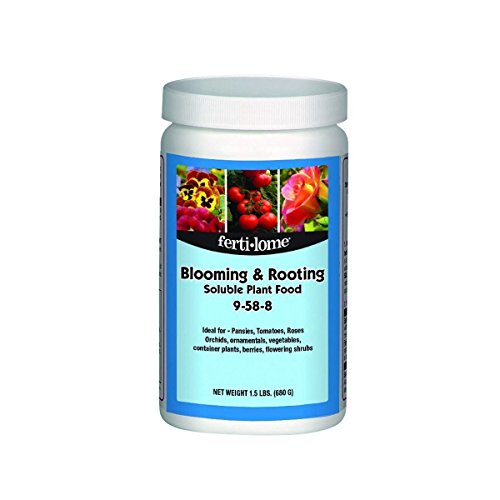
Fertilome 11772 Soluble Plant Food 9-58-8

HOUSEPLANT RESOURCE CENTER Monstera Plant Food 5-2-3

Smart Grower High Carbon Bioactive Fertilizer 200g

Smart Grower Genius+ Houseplant Plant Food 8 oz
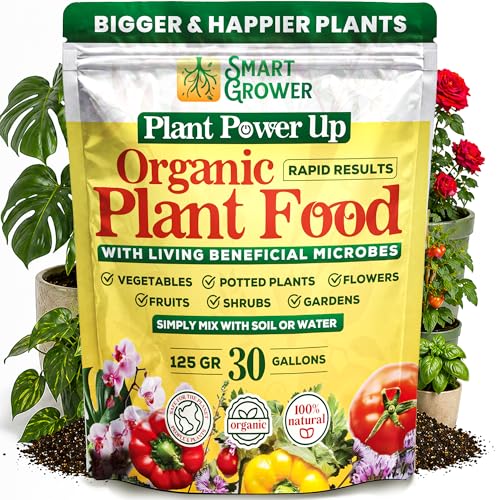
Smart Grower Organic Plant Food with Microbes, 125g
Inside Each Recommended Option
This liquid food takes a direct approach to tropical foliage, providing NPK, the shorthand for nitrogen, phosphorus, and potassium, in an easy-to-dilute formula. That makes it convenient for routine care around large monstera plants, where a small container can cover repeated feedings.
Its organic positioning and monstera-specific directions are useful for a collection dominated by that plant. For a mandevilla, though, you may prefer a formula that also names flowering plants, such as Fertilome 11772.
Strengths Worth Knowing
- Liquid fertilizer mixes with water, making it easier to distribute evenly across potted soil.
- The formula is designed for numerous monstera varieties, including large-leaved and compact forms.
- Its nutrient blend supports foliage, root development, and steady growth rather than a single plant function.
- The ingredient profile is described as organic and all-natural.
Things To Consider
- The directions center on monstera, so confirm that the label permits use on mandevilla.
- An 8-ounce container requires careful storage away from direct heat, and you must follow the label dilution.
Key Specs
Right Fit For
You manage several monstera varieties and prefer an organic liquid food for routine foliage care.
Another Choice May Suit
Fertilome 11772 suits you better when flowering and root development matter more than monstera-specific feeding.
Fertilome 11772 has the clearest connection to a flowering mandevilla because its stated uses include flowering shrubs, trees, roses, orchids, tomatoes, and other blooming or fruiting plants. Its high-phosphorus ratio is designed around flower and root development, so it suits a gardener whose priority is plentiful blooms rather than dense leaves alone.
The soluble powder can be applied to soil, used as a foliage feeding, or mixed as a rooting solution. That flexibility helps, although the concentrated 9-58-8 analysis means accurate dilution and label directions are important.
Why It Works Well
- Explicitly listed for flowering and fruit-bearing plants, including outdoor flowering shrubs.
- Supports foliage color, root development, and larger flowers according to its product purpose.
- Offers three application approaches, which suits containers, propagation work, and established plants.
- The 1.5-pound package offers more volume than the 8-ounce liquid options in this list.
Minor Gripes
- The phosphorus-heavy analysis is less directly aligned with foliage-only feeding, so label guidance matters for a leafy mandevilla.
Feature Snapshot
Made For
You grow a flowering mandevilla and want the fertilizer label to explicitly support blooms and roots.
Look Elsewhere When
The Grow Co Organic Monstera Plant Food is the closer fit for organic feeding focused primarily on large tropical leaves.
This 5-2-3 liquid takes a lower-nitrogen approach, putting more emphasis on roots and structural growth than a foliage-heavy blend. For a tropical plant kept indoors, that balance may be practical, particularly in a pot where the root system has limited room to expand.
Compared with Fertilome 11772’s bloom-oriented ratio, this formula is less directly tied to flowers. Its monstera focus also places a compatibility check first when your plant is a mandevilla rather than a Monstera.
The Upside
- The 5-2-3 analysis gives you a useful contrast with higher-nitrogen foliage feeds.
- The liquid format fits routine indoor watering and controlled dilution.
Points To Keep In Mind
- The product is identified as monstera food, so you should confirm mandevilla compatibility on the label.
- Its lower nitrogen emphasis may not directly serve a gardener focused on abundant flowering.
- The 8-ounce size is compact, which means frequent shoppers may need more than one container.
Who Will Love This
You favor a lower-nitrogen liquid formula for tropical houseplants and manage several containers with measured watering.
Reach For A Different Pick When
Fertilome 11772 makes more sense for a mandevilla whose primary goal is stronger flowering.
Granules release nutrients over time, so this formula fits a plant that receives regular watering without a strict liquid-feeding schedule. Its 6-5-6 NPK analysis is more balanced than Fertilome 11772, while the added carbon, humic acid, mycorrhizal fungi, and beneficial microbes shift attention toward soil biology.
Those components are the main appeal for a mandevilla grown in a long-lived container, where potting mix can change over time. For one plant or a small collection, the specialized soil approach may be more than you need.
Points In Its Favor
- Clean-release granules provide a different feeding rhythm from liquid plant food.
- The balanced 6-5-6 ratio supports foliage, roots, and general growth without the extreme phosphorus emphasis of a bloom formula.
- Mycorrhizal fungi and beneficial microbes add a soil-focused dimension beyond basic NPK nutrition.
- Humic acid and 24% active carbon make it appealing for soil-focused plant care.
- The 200-gram package suits container plants that can receive repeated granular applications.
Trade Offs
- Granular feeding requires you to follow the label placement and watering guidance carefully.
- The broader soil formula may be excessive for someone maintaining only one small mandevilla.
Technical Highlights
Built With In Mind
You maintain an established mandevilla in a container and value soil biology and gradual feeding.
Swap It Out When
Smart Grower Genius+ Houseplant Plant Food fits you better when simple indoor care matters more than a specialized granular system.
This houseplant food is designed for indoor containers rather than lawn or garden use. That makes it a practical fit for a mandevilla on a windowsill, shelf, or patio that remains close to the house, with nutrition aimed at healthy roots, strong growth, and attractive foliage.
Compared with the more specialized monstera and soil-focused formulas nearby, it takes a general indoor-plant approach. The tradeoff is less direct guidance for flowering, so bloom production may depend more heavily on the plant’s light and overall care.
Good Reasons To Consider
- Its stated purpose is indoor houseplant nutrition, which matches a container-grown mandevilla.
- The formula supports roots, foliage, and general growth across common indoor tropicals.
- The 8-ounce package is manageable for a small collection and easy to store away from excess heat.
Small Caveats
- Check the label for mandevilla and flowering-plant directions before each application cycle.
The Right Fit
You keep tropical houseplants indoors and want a straightforward food designed for container conditions.
Consider Something Else When
Fertilome 11772 is a better fit for you when larger flowers and root development need the most attention.
This organic plant food adds beneficial microbes, which are soil organisms associated with nutrient movement and root-zone activity. Unlike the monstera-specific liquids, it can serve a broader collection of indoor and outdoor plants, so you may find it more flexible for mixed shelves and patio containers.
The 125-gram quantity is stated as making 30 gallons of plant food, giving it a useful role in repeated watering routines. The practical decision still rests on the label’s dilution rate, since a mandevilla may need a different schedule from a bed of annuals or a large outdoor planter.
A Few Strong Suits
- Organic nutrients suit gardeners who prefer soil-focused feeding without a monstera-only label.
- Beneficial microbes broaden the product’s appeal for mixed indoor and outdoor collections.
- The stated 30-gallon yield supports repeated use across several containers.
- A dry 125-gram package is simpler to store and portion than a large liquid container.
Possible Compromises
- The product name does not identify a specialized mandevilla formula or a specific NPK ratio.
- Accurate dilution matters because the package is intended to cover a substantial volume.
- You may need to use another food for a plant whose flowering response is your main concern.
Quick Facts
Whose Shelf It Belongs On
You care for many plants and want one organic, microbe-based option for mixed indoor and outdoor containers.
Another Pick May Suit
Fertilome 11772 suits you better when a mandevilla’s flowers are the main reason for feeding.
Matching Plant Food to Your Mandevilla’s Needs
Match The Plant, Not The Trend
A fertilizer label written for monstera does not automatically fit a mandevilla, even though both are tropical plants. The plant name matters because fertilizer instructions identify the plants for which a concentration and application schedule were designed. You should look for explicit mandevilla coverage, or choose a broader flowering-plant formula such as Fertilome 11772.
Read The Nutrient Ratio
NPK describes the percentage of nitrogen, phosphorus, and potassium in a fertilizer. Nitrogen supports leaf growth, phosphorus contributes to flowering and root development, and potassium supports general plant vigor. A mandevilla that flowers poorly may benefit from a bloom-oriented ratio, while a compact plant needing stronger vegetative growth may suit a different balance.
Check The Application Method
Liquid food gives you precise control during watering, provided you measure the dilution correctly. Granules suit routine care because they release nutrition over time, while dry concentrates can cover a larger watering volume. Read the label before choosing, since the listed uses and dilution rate determine whether the product fits your plant and pot.
Match The Formula to Your Conditions
A bright indoor windowsill and a large patio container can require different feeding habits because light, root volume, and watering frequency vary. The plant’s condition also matters: yellowing leaves, weak stems, and sparse flowers call for a careful look at drainage, light, and watering before adding more nutrition. Fertilizer works best as one part of a consistent care routine, not a substitute for corrected growing conditions.
Avoiding Common Plant Feeding Errors
Mistakes Worth Dodging
The most consequential mistake is using a monstera-specific formula on a mandevilla without checking its plant list. Another error is estimating the dilution, especially with concentrated powders or liquid mixes. You should also avoid feeding a dry or stressed plant without first examining its moisture and drainage.
What Separates Premium From Basic
A specialized formula earns its place by narrowing the purpose: bloom support, soil biology, slow release, or a particular houseplant type. A general food may be perfectly sensible for a mixed collection, while a targeted blend can make feeding decisions easier for a single flowering plant. The useful upgrade is clearer fit, not simply more ingredients.
Frequently Asked Questions
Which fertilizer is most relevant to a mandevilla?
Fertilome 11772 is the closest match because it is listed for blooming and fruiting plants. Confirm that mandevilla is covered on the label before applying it.
Can monstera plant food be used on a mandevilla?
Only use a monstera-specific food when its label includes mandevilla or another broad category covering it. The Grow Co Organic Monstera Plant Food is primarily intended for monstera varieties.
What NPK ratio is best for a flowering mandevilla?
A higher-phosphorus formula can suit a plant whose main need is flower and root development. Fertilome 11772 offers 9-58-8, while your plant’s light, pot size, and overall health still shape the result.
How often should a mandevilla be fertilized?
Follow the fertilizer label and adjust for the plant’s growth rate, pot size, and growing conditions. A plant in a bright window may use nutrients differently from one kept in a dimmer room.
Should liquid, granular, or dry plant food be used?
Liquid food offers measured control during watering, while granular and dry products suit gradual or repeated feeding routines. Choose the form you can dilute, apply, and store correctly.
Final Thoughts
For a mandevilla focused on abundant flowers, Fertilome 11772 has the most relevant plant list and nutrient balance. General indoor care may point to Smart Grower Genius+ Houseplant Plant Food, while soil-focused gardeners can consider the microbe-based options. Always confirm the label, measure carefully, and let the plant’s light and growing conditions guide the routine.
