

A late frost can turn a patio of tender pots into a week of anxious checking. The right cover creates a warmer, calmer microclimate around vegetables, shrubs, young trees, and container plants without trapping so much moisture that the foliage stays damp. These options suit everything from broad raised beds to individual pots, with useful differences in coverage, ventilation, fastening, and ease of storage. Consider your plant’s size, the severity of the weather, and how much daily access you need before choosing.
A Fast Comparison Of The Options

WYRJXYB 10 x 33 Ft Plant Covers Freeze Protection with 20 Stainless Steel Clips
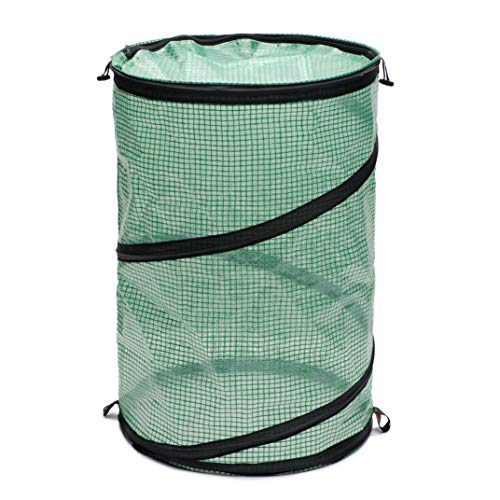
NuVue 24046 Spring-Up Plant Growth Accelerator Greenhouse Cover 16 x 16 x 24

Vocray 7 x 25 Ft Floating Row Cover

VOUNOT 50gsm Garden Fleece Plant Cover with 20 Pegs

HEKIWAY 6-Pack 60 x 42 Plant Covers

Wakczshy Drawstring Tree Cover
Meet The Standout Selections
A 10-by-33-foot sheet gives a raised bed enough material to cover several rows at once. You can drape it loosely over vegetables, shrubs, or young trees, then anchor the edges with soil, stones, staples, or the included clips.
Unlike an enclosed mini greenhouse, this open row-cover format concentrates on broad coverage. The 1.06-ounce non-woven polypropylene is a layered synthetic fabric that remains breathable while allowing light, rain, and irrigation to reach the plants beneath it.
Standout Benefits
- The 10-by-33-foot size can cover a long bed or be cut into smaller sections.
- It blocks frost, snow, birds, and insects while also serving as a windbreak.
- Eighty-five percent light transmission supports continued plant growth beneath the sheet.
- Twenty stainless-steel clips secure fabric to hoops or supports without a separate accessory purchase.
Practical Considerations
- Direct contact with delicate growth is less suitable than supporting the fabric on hoops for clearance.
- The long sheet needs careful rolling or folding for compact off-season storage.
Key Specs
Made For
This cover suits gardeners protecting long raised beds, multiple vegetable rows, or several young fruit plants with one adaptable sheet.
Where Another Pick Suits Better
NuVue 24046 Spring-Up Plant Growth Accelerator Greenhouse Cover is more practical for a single small pot that needs a protected enclosure and roll-up ventilation.
A covered seedling tray on a spring patio benefits from more protection than a loose sheet can provide. The NuVue 24046 forms a 16-by-16-by-24-inch enclosure, giving a small plant a defined space away from wind, heavy rain, and curious animals.
Compared with the open WYRJXYB row cover, this model creates a greenhouse-like structure around one plant. Its reinforced inner-grid fabric supports that enclosed use, while the roll-up screened window and zippered top make daytime access easier.
Everyday Perks
- The spring-up structure is convenient for protecting a pot, young shrub, or small vegetable plant.
- The screened top window allows ventilation during warmer weather.
- A zippered top gives you direct access for watering or plant checks without dismantling the cover.
Small Caveats
- The fixed 16-by-16-foot footprint suits smaller plants rather than long rows.
- Ventilation still needs attention during mild, sunny weather to avoid trapped heat and humidity.
Feature Snapshot
The Right Fit
This cover best serves balcony gardeners and indoor-outdoor growers tending individual containers or small spring plants.
A Better Fit Elsewhere
WYRJXYB 10 x 33 Ft Plant Covers Freeze Protection with 20 Stainless Steel Clips is the stronger fit for a full raised bed that needs one broad sheet.
A seven-by-25-foot sheet sits between a full-bed cover and a small plant enclosure. That makes the Vocray row cover practical for a narrow raised bed, several strawberry rows, or late-season tomatoes that need protection from cold snaps and wind.
The 0.9-ounce non-woven fabric is lighter than the WYRJXYB sheet, with roughly 70 percent sunlight transmission. The stated temperature range extends down to 27–28°F, while the breathable construction lets air and water pass through.
Everyday Advantages
- The fabric can be cut to match individual beds, trees, or multiple smaller planting areas.
- Lightweight construction makes the sheet easier to position and remove during changing seasons.
- It can serve as a pest barrier, wind cover, and sun shield outside frosty weather.
- Lightweight fabric leaves less risk of crushing tender plants than a rigid enclosure.
Things To Consider
- Hoops or another support are useful where plants need space to grow beneath the cover.
- Check the seven-by-25-foot dimensions carefully for a square bed or several widely spaced plants.
Built With In Mind
This row cover suits gardeners seeking adaptable cut-to-fit protection for vegetables, herbs, strawberries, and potted plants.
Another Choice May Suit
HEKIWAY 6-Pack 60 x 42 Plant Covers better serves a collection of separate pots that each need an individual enclosure.
A large shrub or young tree often needs more surface area than a compact plant cover provides. The VOUNOT fleece measures 59 inches high by 787 inches long, giving you enough material to wrap several plants or form a long protective enclosure.
Its 50gsm weight means 50 grams per square meter, a useful comparison when choosing between light row cloth and heavier horticultural fleece. Unlike the open row covers, this product emphasizes a flexible blanket that can be cut, pegged, washed, and dried between uses.
Notable Gains
- The 787-inch length can cover multiple plants or create a long windbreak.
- Breathable fabric allows light, air, and water to move through the fleece.
- Twenty pegs help hold the material against pots, soil, or supports.
- Washable, quick-drying construction supports repeated seasonal use.
- You can cut the sheet to fit the dimensions of your planting area.
Areas To Watch
- Measure the canopy and pot before cutting so enough material remains for overlap and anchoring.
Technical Highlights
Best Suited To
This fleece fits gardeners protecting substantial shrubs, tropical plants, fruit trees, or long rows where generous material matters most.
Reach For A Different Pick When
NuVue 24046 Spring-Up Plant Growth Accelerator Greenhouse Cover is easier to manage when you need a compact enclosure with built-in ventilation and access.
A row of patio pots does not always sit neatly beneath one large sheet. Six individual HEKIWAY covers solve that spacing problem, giving pots, rose bushes, tomato cages, small shrubs, and young trees separate 60-by-42-inch shelters.
The 2.8-ounce non-woven cloth is noticeably heavier than the cloth used in the Vocray row cover. Each cover also adds practical access features, including a transparent window, side zipper, and drawstring that closes around the base.
A Few Strong Suits
- Six covers let you protect several containers separately without cutting a shared sheet.
- The clear window provides a quick view of plant condition without opening the cover.
- The zipper and drawstring simplify watering, installation, and securing around pots or plant bases.
Details To Watch
- Each cover must fit within 60 by 42 inches, so check wide shrubs and bushy growth before setup.
- Six separate covers occupy more storage space than one rolled row cover, depending on how you fold them.
Who Will Love This
This set is a natural fit for households with multiple patio containers, balcony plants, and a few small shrubs that need individual protection.
Where A Sibling Pick Shines
Wakczshy Drawstring Tree Cover is the simpler choice when you need one focused enclosure for a young tree or shrub.
Wrapping a single young tree calls for a cover that closes neatly around the trunk and leaves the canopy inside. The Wakczshy drawstring tree cover combines that practical closure with a transparent window for quick visual checks.
Its thickened non-woven fabric is designed to block cold wind, snow, frost, and low temperatures while remaining breathable. Compared with the HEKIWAY set, the format is less about covering six pots at once and more about creating a focused shelter for one tree, shrub, or container.
Points In Its Favor
- The drawstring helps secure the cover around a pot, shrub, or young tree.
- A clear viewing window lets you check the plant while keeping the cover in place.
Things That May Matter
- Measure the widest branches and the pot before setup to allow enough internal clearance.
- Draw the lower closure securely around the base on exposed, windy sites.
Core Details
Right Fit For
This cover suits gardeners with a young outdoor tree, compact shrub, or patio container that benefits from a dedicated cold-weather shelter.
Look Elsewhere When
HEKIWAY 6-Pack 60 x 42 Plant Covers is more practical when several separate plants need covering at the same time.
Match The Cover To Your Garden Layout
The right winter cover depends less on a universal label than on the shape of your planting area. A loose row sheet works well over broad beds, while an individual cover makes more sense for scattered pots. Start with the area you need to shelter and work backward to the form of protection that will stay secure in local conditions.
Check The Coverage Area
Measure the length, width, and height of your bed, plant grouping, or container. A long raised bed may need a 7-by-25-foot or 10-by-33-foot row cover, while a small pot fits more comfortably inside the NuVue enclosure. Allow extra material for overlap and anchoring rather than stretching the fabric tightly.
Compare Fabric And Light Transmission
Non-woven fabric is a layered synthetic material that resists tearing while allowing some airflow. Heavier cloth generally provides more physical protection, whereas lighter cloth is easier to cut, position, and store. Light transmission matters for plants that remain covered for several days, so the 85 percent figure in the WYRJXYB cover and the 70 percent figure in the Vocray cloth offer a useful comparison.
Consider Ventilation And Access
An enclosed cover needs a way to release heat during mild, sunny periods. Roll-up windows, screened vents, and zippered tops make watering and inspection easier, but they also create openings that must be managed as the weather changes. Loose row covers avoid some of that heat buildup, especially when supported above the plants.
Account For Storage And Fastening
Check how the cover folds, where the securing pieces sit, and whether you have room to store it during warmer months. Clips suit hoop-supported rows, pegs suit fleece laid over soil or pots, and drawstrings suit individual plant enclosures. Your setup should remain simple enough to put on before a cold night and remove promptly afterward.
Avoiding Costly Cold-Weather Mistakes
Mistakes Worth Dodging
Choosing by material alone overlooks the plant’s size, airflow, and access needs. Measure before purchasing, support fabric where growth needs room, and avoid leaving an enclosed cover sealed during warm sunshine. A cover that cannot be opened for watering or inspection can create more problems than it solves.
What Separates Premium From Basic
Higher-priced options often add heavier fabric, more precise enclosures, ventilation, or useful fastening hardware. Those features matter most for exposed locations, larger plants, and repeated use. For a sheltered bed with one cold night, a straightforward breathable sheet may provide the practical protection you need.
Frequently Asked Questions
Can plant covers be left outside all winter?
Yes, covers designed for outdoor use can remain installed through cold weather, provided they are secured and the plants have adequate space beneath them. Check the cover periodically for damage, trapped heat, and accumulated moisture.
Should a frost cover touch the leaves?
Direct contact can crush tender growth, so supporting the fabric on hoops or frames is preferable when plants are actively growing. Lightweight covers may rest more loosely over compact plants without the same risk of abrasion.
Do plant covers need to block all sunlight?
No. Breathable row covers commonly allow a portion of daylight through, which helps covered plants continue growing. The amount of light blocked depends on the fabric, so compare light transmission when plants will remain covered for an extended period.
Are individual plant covers better than row covers?
Individual covers suit separate pots, shrubs, and young trees because each can be secured and opened independently. Row covers are more efficient for vegetables planted in long, continuous beds.
What size cover should you choose for a raised bed?
Measure both the bed and the plants’ height, then select a cover wide enough to reach the ground on every side. Extra fabric provides room for anchoring and accommodates plants that continue growing beneath it.
Final Verdict
Start with the shape of your garden and the amount of access you need. Broad beds favor cuttable row sheets, individual pots benefit from zippered or drawstring covers, and a compact protected area may call for the NuVue enclosure. Match the cover to the plant, secure it without crushing growth, and make sure you can manage heat whenever the sun comes out.
