

Pine trees ask for a little more attention than the surrounding lawn, especially when new growth looks thin or color fades. The right plant food depends on whether you care for a single potted pine, a row of young evergreens, or a larger landscape with shrubs and fruit trees. These options cover liquid feeding, all-purpose plant food, houseplant spikes, and targeted tree fertilizers, giving you practical choices for different routines.
How The Shortlist Stacks Up
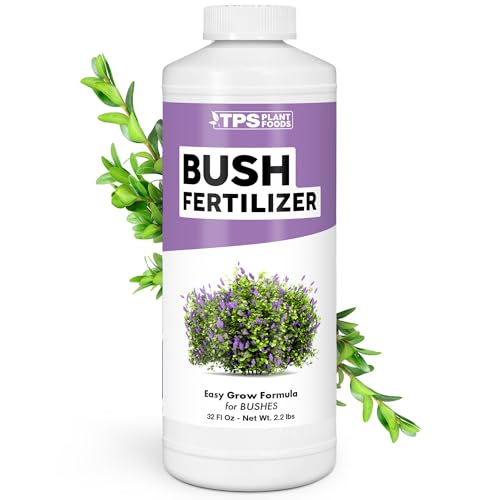
TPS Nutrients Bush Fertilizer 32 oz
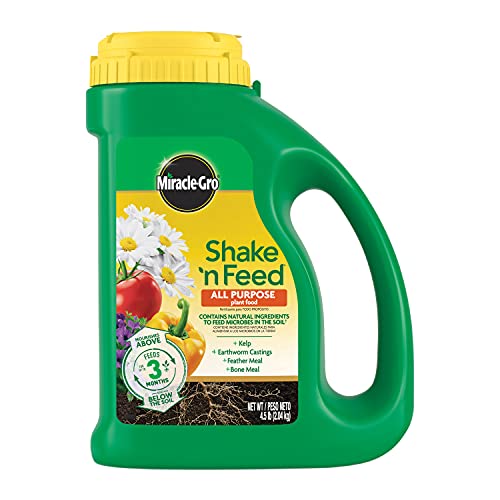
Miracle-Gro Shake ‘N Feed 4.5 lb.

Jobe’s 5001T Houseplant Food Spikes
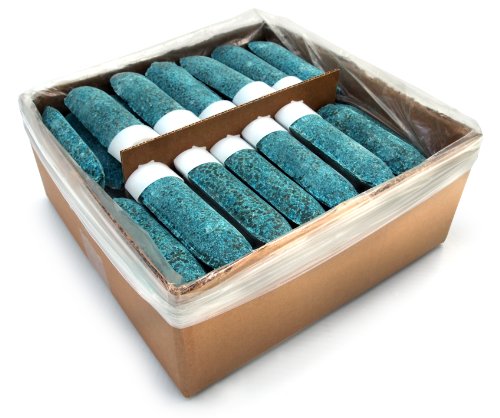
Winchester Evergreen Fertilizer Spikes

Winchester Tree and Shrub Spikes

Winchester Fruit and Citrus Spikes
Among this lineup, the TPS Nutrients Bush Fertilizer stands apart as the only liquid option for shrubs and bushes. It is made for fuller growth, stronger roots, and denser foliage, which makes it more relevant to a mixed border than to a pine-focused planting bed.
For most home gardens, that liquid format fits routine watering without adding another spike to insert around each stem. You still need to confirm that the product label covers the specific shrub in front of you, particularly a mature pine that requires a different nutritional profile.
What It Does Well
- Supports fuller shrub growth and denser foliage.
- Targets root development as part of the feeding goal.
- Liquid format suits regular watering routines.
Practical Considerations
- The stated purpose is bush care, so check pine compatibility before applying.
- Compare the 32-ounce container with the number of shrubs you plan to feed.
Quick Facts
Who It Suits Best
Homeowners caring for several outdoor shrubs in mixed borders will appreciate the liquid format and bush-focused purpose.
Where Another Pick Suits Better
Pine-focused gardeners will find Winchester Evergreen Fertilizer Spikes more directly aligned with evergreen trees.
Unlike the bush-specific liquid food, Miracle-Gro Shake ‘N Feed is built for all-purpose plant care. It combines plant nutrition with support for soil microbes, the organisms that break down organic material and release nutrients into the root zone.
That soil-focused approach makes sense for mixed containers and beds where several plant types share the same watering routine. For an established pine, the feeding period of up to three months is useful, but the label remains your guide for plant suitability and application.
Key Advantages
- Works with a broad range of garden plants.
- Supports beneficial soil microbes and nutrient release.
- Feeds plants for up to three months.
- Includes micronutrients alongside its broader nutrition.
Points To Note
- It is an all-purpose choice rather than an evergreen-specific formula.
- The 4.5-pound container needs a suitable storage place away from dampness.
Made For
Gardeners maintaining mixed beds or several container plants benefit most from its broad plant coverage.
Consider Something Else When
A gardener focused mainly on pine and evergreen shrubs may prefer Winchester Evergreen Fertilizer Spikes.
The Jobe’s 5001T Houseplant Food Spikes serve a narrower role than the outdoor products here. Their pre-measured spike format suits a windowsill or indoor potting shelf, where you want to add plant food without handling loose material during each watering routine.
A small pine kept as a houseplant may find this format convenient, provided the label agrees with the plant and pot size. For a tree planted in a yard, the outdoor tree and shrub options provide a much clearer fit.
Strong Points
- Built specifically for houseplant feeding.
- Spikes simplify portioning across multiple pots.
- The 50-count pack covers repeated care sessions.
Trade Offs
- The houseplant focus makes it unsuitable for most outdoor trees.
- Check the label for the appropriate spike count and placement.
Core Details
The Right Fit
Houseplant owners tending several small potted plants will find the spike format easy to organize.
Look Elsewhere When
Outdoor pine gardeners should look to Winchester Tree and Shrub Spikes instead.
Pines are evergreens, and this is the most directly aligned option in the group for their outdoor care. Winchester Evergreen Fertilizer Spikes use a 12-10-10 analysis, meaning nitrogen, phosphorus, and potassium appear in that order.
The spikes provide slow-release nitrogen and can be used in spring or fall. Their targeted placement suits landscaped beds where you want to feed several evergreens without mixing the product with the entire lawn.
Where It Helps
- Formulated for evergreen trees and shrubs.
- Slow-release nitrogen supports extended feeding.
- Designed for spring and fall applications.
- Pre-measured spikes reduce loose material.
- Marketed as child and pet-friendly.
Small Caveats
- Follow the label for spike count, depth, and placement.
- The 70-spike case requires organized storage.
Feature Snapshot
Built With In Mind
Homeowners caring for outdoor pines, spruces, or evergreen shrubs will find this the clearest fit.
Skip It When
Gardeners focused on fruit trees may prefer Winchester Fruit and Citrus Spikes.
The Winchester Tree and Shrub Spikes take a broader approach than the evergreen-specific formula. Their 15-10-9 analysis supports general growth across ornamental trees and shrubs, making them useful in a landscape that mixes woody plants rather than concentrating on one species.
Unlike the 12-10-10 evergreen option, these spikes place more emphasis on nitrogen within their stated analysis. That makes them a reasonable landscape-wide choice, although an evergreen-labeled product remains more specific for pine care.
Practical Pluses
- Supports trees and shrubs together.
- Even-rate dissolution provides steadier feeding.
- Spikes avoid loose fertilizer and runoff.
- Marketed as child and pet-friendly.
Worth Noting
- It lacks the dedicated evergreen focus of the pine-specific option.
- Store the 70-spike case somewhere dry and orderly.
Best Suited To
Landscape caretakers managing several types of ornamental trees and shrubs benefit from its broad scope.
Another Choice May Suit
Gardeners feeding mainly pines and other evergreens should choose Winchester Evergreen Fertilizer Spikes.
The Winchester Fruit and Citrus Spikes shift away from evergreen care and concentrate on fruit-bearing trees. Their 8-18-18 analysis has a smaller nitrogen number and larger phosphorus and potassium numbers than the general tree and shrub formula, matching the product’s more specialized purpose.
Slow nutrient release supports fruit trees over time, while the spike format keeps application localized. This is a thoughtful option for citrus or orchard-style plantings, though it is not the most direct fit for a landscape of pines.
A Favorable Mix
- Targets fruit and citrus trees.
- Promotes vigorous fruit-bearing growth.
- Slowly releases nutrients over time.
- Pre-measured spikes limit loose material.
Possible Compromises
- The fruit-tree focus makes it a poor match for evergreen landscaping.
- Confirm placement and quantity on the label before use.
Technical Highlights
Whose Shelf It Belongs On
Homeowners tending citrus, fruit trees, or a small orchard will find the targeted formula most useful.
Reach For A Different Pick When
Pine gardeners should reach for Winchester Evergreen Fertilizer Spikes instead.
Matching Fertilizer to Your Landscape
Start With the Plant
Pine belongs to the evergreen group, so an evergreen-labeled product provides the clearest starting point. A broader tree and shrub formula may suit mixed woody plantings, while a houseplant spike makes sense for a pine kept in a pot. Fruit and citrus formulas belong with productive fruit trees rather than ornamental pines.
Read the NPK Ratio
The three numbers on a fertilizer label represent nitrogen, phosphorus, and potassium. Nitrogen supports leafy growth, phosphorus supports root and flower development, and potassium supports general plant vigor. Compare those functions with your goal, but also follow the product label for use and quantity.
Match the Application Method
Liquid plant food fits into a regular watering routine and can suit several shrubs. Spikes place measured nutrition near roots and reduce loose material. For a young pine in an open bed, evergreen spikes are more specific; for a mixed indoor collection, a houseplant formula may be more practical.
Check Placement Before Feeding
Read the label for the recommended number of spikes, planting depth, watering needs, and application period. The Winchester evergreen option is intended for spring and fall use, so timing matters. A pre-measured spike still needs deliberate placement rather than casual dropping into the soil.
Avoiding Common Fertilizer Errors
Pitfalls Shoppers Hit
Avoid choosing fertilizer solely by the word “pine” on a general plant-food label. Check the plant category and nutrient analysis, then confirm the application method suits your bed or pot. Applying more than the label directs is not a reliable way to improve growth.
What Separates Targeted From Basic
A more specialized formula may spend more on nutrient ratios tailored to evergreen, fruit, or houseplant needs. The upgrade is worthwhile when your plants share one clear purpose; an all-purpose food can be more sensible for a varied collection.
Frequently Asked Questions
What Is the Best Fertilizer for Pine Trees?
The best-supported choice in this group is Winchester Evergreen Fertilizer Spikes because they are formulated for evergreen trees and shrubs. Confirm that your pine appears on the label before applying them.
Are Fertilizer Spikes Suitable for Pine Trees?
Yes, evergreen-specific fertilizer spikes are designed for trees such as pines. Follow the label for spike quantity, depth, placement, and seasonal timing.
Should I Use Liquid Fertilizer or Spikes for a Pine?
Liquid plant food suits regular watering routines, while spikes provide measured nutrition in a localized spot. Evergreen spikes offer the most specific fit for outdoor pines in this selection.
When Should I Fertilize Pine Trees?
The Winchester evergreen spikes are intended for spring and fall applications. Local climate, tree condition, and label directions can affect the best timing for your planting.
Can These Fertilizers Be Used on Houseplants?
The Jobe’s 5001T Houseplant Food Spikes are made for indoor plants. Outdoor tree and shrub formulas should be matched to the specific plant rather than used interchangeably.
Final Verdict
Choose Winchester Evergreen Fertilizer Spikes for outdoor pines and other evergreens, since they offer the most direct plant match. Use a general tree and shrub formula for mixed woody beds, a liquid bush food for shrub-focused watering routines, and the Jobe’s spikes for indoor plants. Match the plant category first, then follow the label for placement and timing.
