

Getting plants to produce fuller blooms and stronger roots often comes down to giving them phosphorus at the right stage. Gardeners with houseplants, vegetable beds, flower borders, or fruiting crops face different needs, from liquid feeding to soil amendments and concentrated bloom formulas. These six options cover everything from balanced everyday nutrition to targeted flower and fruit support, so you can match the fertilizer to the plant and the growing setup.
A Quick View Of The Lineup

TPS ONE Liquid Fertilizer, 1 Gallon

Howard Johnsons 7136 Fertilizer

Grow More Grow Bloom 0-50-30 High-Phosphorus Water-Soluble Fertilizer, 25 lbs
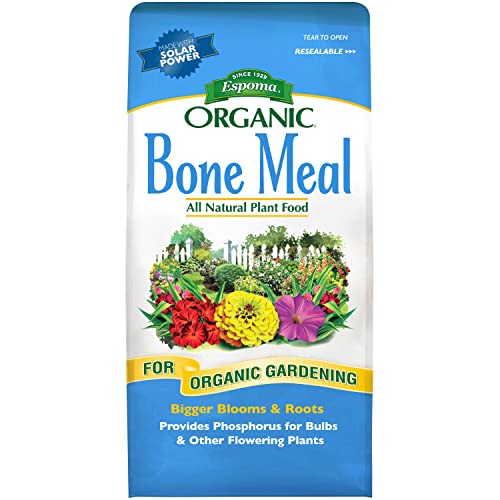
Espoma Organic Bone Meal 4-12-0 for Bulbs, 8 lb Bag

FoxFarm Tiger Bloom Liquid Plant Food 2-8-4 for Soil and Hydroponics, 1 Pint

Farmer’s Secret Fruit & Bloom Booster for Late Summer and Early Fall, 8 oz
What Each Pick Brings To The Table
A shelf crowded with assorted bottles can make routine plant feeding more complicated than it needs to be. TPS ONE combines several essential nutrients in one liquid, giving houseplants and garden containers a simpler feeding option. The one-gallon size also suits a collection of pots that receives regular attention.
Unlike Howard Johnsons 7136 Fertilizer, which provides a clearly stated 10-10-10 analysis in a dry 35-pound bag, TPS ONE prioritizes easy mixing and application. It supports root development, foliage, and steady plant growth across indoor and outdoor settings. For most mixed plant collections, that straightforward format is the main attraction.
What Stands Out
- One-part liquid format reduces the number of separate nutrients you handle.
- Supports roots, foliage, and general development in one feeding routine.
- Works with houseplants, containers, and outdoor garden plantings.
- Liquid format suits controlled watering and feeding schedules.
- The one-gallon container provides a useful amount for multiple plants.
Things To Consider
- Check the label for the exact nutrient analysis, since the one-part description alone does not identify the phosphorus level.
- Plan storage and handling for a full gallon, especially in a compact potting area.
Key Specs
Who It Suits Best
This format fits home gardeners with houseplants, containers, or mixed plantings who want one liquid for routine nutrition.
Another Choice May Suit
Gardeners planting extensive vegetable or flower beds may prefer Howard Johnsons 7136 Fertilizer for its larger dry format and explicit 10-10-10 ratio.
A sprawling vegetable plot can consume fertilizer faster than a group of indoor pots, and the 35-pound Howard Johnsons bag is built for that scale. Its 10-10-10 analysis gives equal parts nitrogen, phosphorus, and potassium, making it a broadly useful foundation for mixed plantings. You get a clear nutrient ratio without choosing a specialized bloom feed for every bed.
Compared with TPS ONE Liquid Fertilizer, this option trades liquid convenience for bulk dry storage. It fits vegetable gardens, flower beds, trees, and shrubs, so one product can cover several areas around a property. The honest read is that its value lies in broad coverage and an easy-to-understand ratio.
The Good Stuff
- The 10-10-10 analysis supports balanced nutrition across many plant types.
- A 35-pound bag suits substantial vegetable plots and landscape plantings.
- One product can serve flowers, vegetables, trees, and shrubs.
Trade Offs
- The equal nutrient ratio is less focused on flower production than Grow More Grow Bloom.
- A full-size bag needs a dry, sturdy storage spot away from dampness.
- Apply according to the label and account for existing soil nutrients and plant needs.
Feature Snapshot
Made For
This fertilizer fits gardeners maintaining large vegetable beds or mixed landscape plantings that need broad, balanced nutrition.
Consider Something Else When
Plant-focused gardeners seeking a heavier phosphorus emphasis will find Grow More Grow Bloom more aligned with their flowering plants.
When the goal is a pronounced flower and bud response rather than general feeding, the nutrient ratio becomes the deciding detail. Grow More Grow Bloom uses 0-50-30, placing most of its emphasis on phosphorus and potassium. That makes it a more specialized choice than the balanced Howard Johnsons blend.
The water-soluble formula gives you two application routes: watering it into the root zone or spraying it onto foliage. Cold-water solubility also keeps mixing less complicated for home gardeners without specialized equipment. You gain flexibility, but you also take on more deliberate feeding tasks.
Good Reasons To Consider
- The 0-50-30 analysis strongly emphasizes phosphorus and potassium.
- Supports flowering, bud development, and root growth.
- Works through either foliar spraying or root-zone application.
- Water-soluble material mixes readily in cold water.
Points To Note
- With no listed nitrogen, this is not a substitute for every type of plant feeding.
- The 25-pound package needs substantial dry storage.
- Foliar feeding adds mixing and spraying tasks, so application planning matters.
Who Will Love This
This formula suits flower gardeners and indoor plant growers who want a pronounced phosphorus and potassium emphasis for blooming plants.
Where A Sibling Pick Shines
FoxFarm Tiger Bloom Liquid Plant Food offers a smaller liquid format and supports hydroponic systems as well as soil.
Autumn bulb planting is a natural moment to think beyond quick liquid feeding and prepare the soil for longer-lasting nutrition. Espoma Organic Bone Meal provides a 4-12-0 analysis derived from domestic bone meal without fillers or additives. It is designed to be mixed into soil at planting time for bulbs, annual flowers, and perennial flowers.
That planting-time approach sets it apart from Grow More Grow Bloom, which can be mixed for foliar or root feeding. Bone meal suits gardeners preparing beds before flowers arrive, rather than people seeking an immediately mixed bloom solution. The trade-off is timing: the product belongs in the soil at the start of a planting project.
A Few Highlights
- Its 4-12-0 analysis supplies a clear phosphorus emphasis.
- Domestic bone meal provides phosphorus, nitrogen, and calcium.
- Works for spring and fall bulbs, plus annual and perennial flowers.
- Mixing it into planting soil supports a gradual gardening routine.
Minor Gripes
- The analysis contains no listed potassium, so it does not provide complete N-P-K nutrition.
- Its planting-time use makes it less suitable for a quick feeding correction.
Important Details
The Right Fit
This bone meal fits gardeners planting bulbs or flowers who want phosphorus incorporated into the soil before growth begins.
Look Elsewhere When
Gardeners seeking a ready-to-use foliar feed will find FoxFarm Tiger Bloom Liquid Plant Food easier to match to their routine.
Managing both a windowsill garden and a hydroponic setup makes system flexibility valuable. FoxFarm Tiger Bloom supports soil and hydroponic growing, so you do not need separate bloom products for each environment. Its liquid format also fits growers who prefer measured feeding over handling a large dry bag.
The 2-8-4 ratio combines nitrogen, phosphorus, and potassium with less emphasis on phosphorus than Grow More Grow Bloom’s 0-50-30 formula. You still receive a bloom-oriented nutrient profile, but with a broader balance across the three primary nutrients. A one-pint container is modest, though it makes careful measuring easy.
A Few Strong Suits
- Supports plants grown in soil or hydroponic systems.
- The 2-8-4 ratio provides balanced bloom-stage nutrition.
- Liquid format allows controlled dilution and application.
- Designed to support buds, flowers, and fruit development.
- The small container suits growers with a limited number of plants.
Details To Watch
- A large garden may require several one-pint containers.
- Soil and hydroponic plants may follow different label directions, so check the feeding guidance for each setup.
Quick Facts
Whose Shelf It Belongs On
This liquid bloom food fits indoor growers, hydroponic gardeners, and small collections that want one formula for multiple growing systems.
Reach For A Different Pick When
Large flower beds may favor Grow More Grow Bloom because its 25-pound water-soluble format offers greater coverage and a stronger phosphorus emphasis.
Late summer brings a different gardening concern: keeping fruit, vegetables, and flowers moving through their remaining flowering and production stages. Farmer’s Secret Fruit & Bloom Booster is formulated for late summer and early fall, with an 8-ounce concentrated package. Its timing makes it especially relevant for crops that are still setting flowers or fruit.
FoxFarm Tiger Bloom also supports buds and flowers, but this option narrows its focus toward seasonal fruit and bloom production. That distinction helps when you are planning around a specific end-of-season feeding window. You still need to match the amount and frequency to the plant and follow the label’s mixing directions.
Noteworthy Benefits
- Designed specifically for late summer and early fall feeding.
- Supports flowering and fruit or crop production across several plant types.
- The concentrated 8-ounce format simplifies storage for seasonal use.
Practical Considerations
- The seasonal focus makes it less aligned with spring bulb planting or early-season bed preparation.
- Concentrated fertilizer requires careful measurement and dilution according to the label.
- An 8-ounce package may suit a modest collection better than a large garden.
Built With In Mind
This formula fits growers tending fruit, vegetables, or flowers during late summer and early fall.
Swap It Out When
Planting bulbs in autumn calls for Espoma Organic Bone Meal, which is designed to be mixed into soil at planting time.
Match The Fertilizer To The Plant And Season
Read The N-P-K Numbers
Fertilizer labels list the primary nutrients as nitrogen, phosphorus, and potassium, commonly written as N-P-K. Phosphorus appears in the middle, so 10-10-10 means equal portions of all three, while 4-12-0 puts more emphasis on phosphorus. A larger middle number identifies a stronger phosphorus position, but the complete ratio still matters.
Match The Form To The Job
Liquid products suit controlled feeding and hydroponic setups. Water-soluble dry material can serve larger garden beds and offers root-zone or foliar application. Bone meal belongs in soil during planting, which makes it especially relevant for bulbs and perennial flowers. Consider where the fertilizer must be stored and how much mixing work your routine can accommodate.
Check The Plant And Timing
Flowering plants often receive formulas with extra phosphorus and potassium, while balanced fertilizers suit mixed plantings needing broad nutrition. Fruit and vegetable gardens also differ in their feeding windows, with some crops needing support during late summer and early fall. Read the label, match its application method to your setup, and use its stated rate rather than estimating from the package size.
Common Mistakes Worth Avoiding
Common Shopping Slip Ups
A high phosphorus number does not make every fertilizer suitable for every plant. Check the complete N-P-K ratio, confirm the recommended plants, and match the form to your setup. Bulbs may need planting-time soil amendments, while hydroponic plants need a liquid formula labeled for that system.
What Separates Premium From Basic
Specialized formulas concentrate on particular growth stages, systems, or plant groups. That focus can make them more practical than a general blend for the right garden, but a basic balanced fertilizer may serve mixed plantings better. Choose the formula that matches the job rather than paying for features your plants do not need.
Frequently Asked Questions
What Does Phosphorus Fertilizer Do For Plants?
Phosphorus supports root development, flowering, bud formation, and the movement of nutrients through the plant. Its usefulness depends on the plant’s growth stage and the rest of the nutrient profile.
How Do You Read Fertilizer Numbers?
The three figures represent nitrogen, phosphorus, and potassium in that order. A 10-10-10 formula is balanced, while a higher middle figure places more emphasis on phosphorus.
Is Liquid Or Dry Phosphorus Fertilizer Better?
Liquid fertilizer is convenient for measured feeding, hydroponics, and indoor containers. Dry or water-soluble options can be easier to store and more practical for large garden beds.
Can Bone Meal Fertilizer Be Used on Every Plant?
Bone meal is best matched to bulbs and flowering plants that are being planted or prepared for long-lasting soil nutrition. It is less suitable for plants needing a quick liquid correction or a complete N-P-K formula.
When Should You Use Bloom Fertilizer?
Bloom fertilizer fits the period when plants are developing buds, flowers, or fruit. A seasonal formula may be especially relevant in late summer or early fall, depending on the crop and local growing conditions.
Final Thoughts
The right phosphorus fertilizer depends on more than the number on the bag. TPS ONE simplifies routine liquid feeding, while Howard Johnsons handles broad garden nutrition. Grow More and FoxFarm target bloom-heavy situations, Espoma fits bulb planting, and Farmer’s Secret focuses on late-season flowers and fruit. Match the ratio, format, and application timing to the plants in front of you, and the choice becomes much easier.
