

Petunias can look spectacular for a few weeks, then fade when their roots exhaust the nutrients in a small container. The right fertilizer depends on whether you’re starting fresh transplants, feeding an established planting, or growing flowers in a hydroponic setup. These six options cover general-purpose feeding, transplant support, bloom-stage nutrition, and tree and shrub care, so you can match the formula to the job instead of reaching for a random fertilizer bag.
The Essentials At A Glance

Jack’s Classic 20-20-20 Fertilizer

Espoma Bio-Tone Starter Plus 4-3-3 with Mycorrhizae, 8 lb.
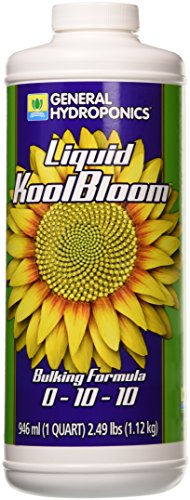
General Hydroponics Kool Bloom
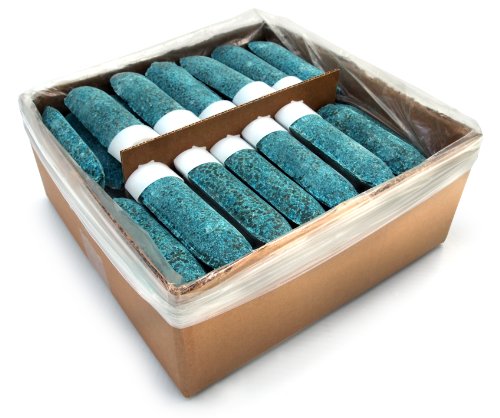
Winchester Evergreen Spikes, 12-10-10

Winchester Tree and Shrub Spikes, 15-10-9

Winchester Fruit and Citrus Spikes, 8-18-18
What Each Pick Brings To The Table
For a mixed collection of window boxes, hanging baskets, and patio containers, Jack’s Classic 20-20-20 offers the most straightforward starting point. Its equal 20-20-20 N-P-K analysis supplies nitrogen, phosphorus, and potassium in equal measured proportions, giving petunias balanced nutrition without committing to a specialized plant type.
Water-soluble fertilizer dissolves for application through a watering can, making it practical for routine flower care. For most home growers, that simplicity outweighs the more specialized formulas elsewhere in this list, especially during the main growing and flowering cycle.
Real-World Strengths
- The equal N-P-K ratio suits mixed containers containing petunias and other flowering plants.
- Water-soluble powder fits standard watering-can routines without a separate feeding system.
- The 1.5-pound package provides enough for repeated use in a home garden.
- Its general-purpose format works for indoor and outdoor flowering plants.
Points To Note
- Concentration and application frequency should follow the package directions rather than an improvised schedule.
Key Specs
Made For
This formula suits beginners and experienced gardeners maintaining petunias in ordinary outdoor containers alongside other flowers.
Consider Something Else When
Espoma Bio-Tone Starter Plus 4-3-3 with Mycorrhizae is a better fit when your immediate priority is helping newly transplanted petunias establish roots.
Freshly transplanted petunias have a different need from flowers that have already filled their containers. Espoma Bio-Tone Starter Plus places more emphasis on root establishment, combining a 4-3-3 N-P-K formula with beneficial bacteria, humates, and mycorrhizae, which are fungi associated with plant roots.
That makes this a thoughtful choice at planting time, especially for difficult transplants or containers filled with less-than-ideal soil. In our view, its natural and organic positioning adds appeal for gardeners who prefer plant foods with biological ingredients, though the 8-pound bag is more practical for several beds or containers.
A Strong Showing
- Root-focused nutrition suits petunias that have just been moved into a new container or bed.
- Beneficial bacteria and mycorrhizae complement the basic N-P-K nutrients.
- The larger 8-pound package can serve several planting areas.
- Its natural and organic formulation targets gardeners seeking biological soil support.
Worth Noting
- A starter formula is most relevant near transplanting rather than as a substitute for every stage of flower development.
- The bulky package needs dry storage space and may be more than a small balcony setup requires.
Feature Snapshot
Right Fit For
New petunia growers and gardeners transplanting several containers benefit most from this root-focused plant food.
Reach For A Different Pick When
Jack’s Classic 20-20-20 Fertilizer serves established petunias better when your goal is balanced feeding throughout active growth and flowering.
Hydroponic petunias need a different feeding route than plants rooted in potting mix. General Hydroponics Kool Bloom is a liquid fertilizer intended for the reproductive stage of a hydroponic crop, when flowers and fruit are developing rather than when vegetative growth is the main goal.
The one-quart format fits a controlled indoor or greenhouse setup, where measured liquid feeding is easier to manage. It is a narrow fit for petunias in a standard patio pot, though, so a general-purpose water-soluble fertilizer remains the safer choice for conventional containers.
Strengths Worth Knowing
- Liquid format suits hydroponic systems that meter nutrients into a water-based root zone.
- Its purpose aligns with the flowering and fruiting stage of a plant’s development.
- The one-quart container offers a manageable size for a small indoor growing system.
Trade Offs
- This is not the straightforward choice for petunias grown in ordinary potting soil.
- Using a bloom-stage formula at the wrong point may not match a plant that still needs balanced establishment nutrition.
- Hydroponic feeding calls for more attentive dilution and schedule control.
Who Will Love This
You’ll appreciate this product most when petunias are part of a hydroponic system and flowering has already become the main objective.
Another Choice May Suit
Espoma Bio-Tone Starter Plus 4-3-3 with Mycorrhizae better supports newly transplanted petunias in conventional soil or containers.
Some gardeners prefer placing nutrients directly into the soil rather than mixing fertilizer for every watering. Winchester Evergreen Fertilizer Spikes follow that approach, using pre-measured doses that are pressed into the ground near the root zone of evergreen trees and shrubs.
The 12-10-10 formula and slow-release nitrogen make this product relevant to woody evergreens, not petunias. It earns a place in this roundup for gardeners who also maintain conifers or evergreen shrubs, but a small flower container calls for a much smaller and more appropriate dose.
What Works In Its Favor
- Pre-measured spikes remove the need to calculate individual fertilizer portions.
- The 70-spike case supports repeated feeding across several evergreen plantings.
- Slow-release nitrogen provides extended nourishment around each application point.
- Direct application reduces loose powder and surface runoff.
Some Limits To Know
- The formula is intended for evergreen trees and shrubs, so it does not suit a petunia basket.
- Spikes require enough soil depth for proper placement around established roots.
Quick Facts
Built With In Mind
Gardeners tending multiple evergreens or shrubs will appreciate the simple placement and controlled release.
Look Elsewhere When
Jack’s Classic 20-20-20 Fertilizer is the more appropriate choice for petunias in patio pots and hanging baskets.
For a yard where flowering shrubs need feeding alongside trees, Winchester Tree and Shrub Fertilizer Spikes offer another easy option. Their 15-10-9 analysis places a larger proportion of nitrogen than phosphorus or potassium, reflecting their emphasis on general vegetative growth.
That makes them more relevant to a young or actively growing shrub than to petunias, whose compact containers and intense flowering create different requirements. The 70-spike case is useful for broad landscape care, but individual flower boxes still need a dedicated plant food.
The Practical Payoff
- Spikes provide a measured dose without handling loose fertilizer.
- Even dissolution supports consistent feeding beneath trees and shrubs.
- The large case works well for repeated maintenance across a landscape.
- The formula supports active overall growth in woody plants.
Practical Considerations
- This plant food is not sized for a standard petunia basket or window box.
- Placement near established roots requires access to the soil around each shrub.
- A nitrogen-heavy profile is not the same thing as a balanced flowering-plant formula.
Whose Shelf It Belongs On
This case belongs with gardeners feeding several deciduous trees and shrubs under a regular maintenance routine.
Swap It Out When
General Hydroponics Kool Bloom is the closer fit for petunias cultivated hydroponically during their flowering stage.
Fruit and citrus trees have a more specialized nutrient profile than ornamental bedding flowers, and this spike formula reflects that difference. Its 8-18-18 analysis contains less nitrogen and more phosphorus and potassium, a pattern commonly used to support fruit and flower production in perennial plants.
Slow nutrient release makes the spikes convenient for a seasonal orchard or patio citrus tree. Petunias are not the intended application, though, so this option earns its place for a mixed garden rather than for the flower bed itself. The trade-off is clear: specialized fruit nutrition is not a substitute for balanced petunia food.
The Case For It
- The 8-18-18 ratio targets the needs of fruit and citrus plants.
- Slow release supplies nutrients over time without daily liquid feeding.
- Pre-measured spikes keep application simple around established trees.
- Seventy spikes provide a practical quantity for seasonal plant care.
Details To Watch
- This is not an appropriate fertilizer for petunias in standard potting mix.
- Each spike needs a suitable placement location within the root zone.
Core Details
Best Suited To
Home growers maintaining citrus, apple, or other fruit trees benefit most from this specialized formula.
Where Another Pick Shines
Espoma Bio-Tone Starter Plus 4-3-3 with Mycorrhizae fits newly planted petunias much better during transplant establishment.
Matching Fertilizer To The Plant’s Stage
Choose by growth stage
Newly transplanted petunias benefit from a starter formula that emphasizes root development. As plants become established and begin producing flowers, balanced 20-20-20 fertilizer becomes a practical choice for mixed containers. Bloom-stage products have a narrower role and work best in systems where the plant’s flowering phase is clearly established.
Read the N-P-K ratio
N-P-K describes the relative proportions of nitrogen, phosphorus, and potassium. Nitrogen supports leafy growth, phosphorus contributes to flowering and root development, and potassium supports general plant vigor. A 20-20-20 formula is broadly balanced, while 4-3-3, 12-10-10, 15-10-9, and 8-18-18 serve more specific plant needs.
Match the delivery method to your setup
Water-soluble powder is convenient for standard containers and watering cans. Liquid fertilizer suits controlled hydroponic systems. Pre-measured spikes reduce mixing and scattered powder, but their size and placement make them better for trees, shrubs, citrus, and other established woody plants.
Check the plant’s container and growth rate
Small hanging baskets can dry quickly and need attentive feeding, while large patio tubs may support steadier growth. A vigorous plant can consume nutrients quickly, whereas a recently planted flower may need gentler establishment support. Check the product label, then adjust to the plant’s condition rather than fertilizing on a fixed calendar alone.
Avoiding Common Fertilizer Mistakes
Common Shopping Slip Ups
A balanced label does not mean every fertilizer suits every flower. Check the plant category, nutrient ratio, and application method before purchasing. For petunias in ordinary containers, avoid tree spikes and products specifically formulated for fruit or citrus.
What The Higher Tier Buys
More expensive fertilizer may offer biological ingredients, targeted nutrient ratios, or a format that reduces measuring. The upgrade is worthwhile when its specialization matches your setup. A simple balanced formula remains sensible for routine petunia care.
Frequently Asked Questions
Can I use 20-20-20 fertilizer on petunias?
Yes, 20-20-20 is a balanced option for established petunias in conventional containers. Follow the package’s mixing and application directions.
When should I use starter fertilizer for petunias?
Apply a starter plant food around transplanting, when the new root system needs support. It is most useful during early establishment rather than as the only fertilizer for a mature planting.
Are fertilizer spikes suitable for petunias?
Most tree and shrub spikes are too large and specialized for a hanging basket or window box. Use a water-soluble flower fertilizer instead.
Is liquid bloom fertilizer better for petunias?
It depends on the growing method. Liquid bloom fertilizer makes the most sense for petunias in hydroponic systems that have entered their flowering stage.
How often should I fertilize petunias?
Frequency depends on the fertilizer, container size, plant growth, and watering conditions. Follow the label, then reduce or delay additional feeding if the plant shows stress from excess moisture or nutrients.
Final Verdict
Jack’s Classic 20-20-20 Fertilizer is the most practical starting point for ordinary container-grown petunias, while Espoma Bio-Tone Starter Plus fits the transplant stage. General Hydroponics Kool Bloom serves a specialized hydroponic setup, and the Winchester spikes belong with trees, shrubs, fruit, and citrus rather than flower boxes. Match the formula to both the plant and its growing system for the most sensible result.
