

Japanese beetles can leave rose leaves looking like green skeletons by feeding between the veins. You need a garden control whose label names the beetle, fits the plants you care for, and fits the scale of the problem. This lineup covers that decision honestly: BioAdvanced directly lists Japanese beetles, while several others serve broader garden-control needs or different pests.
A Closer Look At The Lineup

Agrisel Bifenthrin Pro 7.9

BioAdvanced 2-in-1 Rose Care

Agrisel Zone Plus, 128 oz
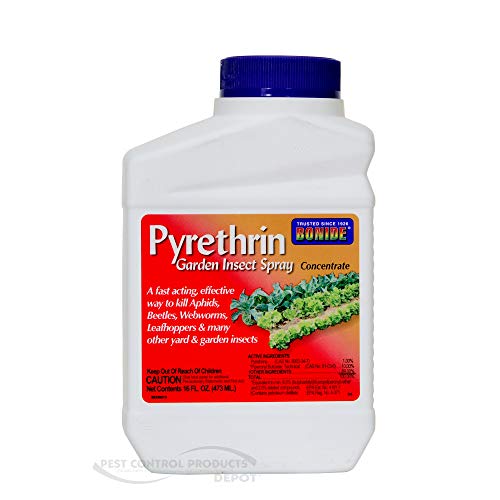
Bonide Pyrethrin 16 oz

Monterey BT Caterpillar Concentrate 16 oz and Measuring Spoon

Dr. Killigan’s Moth Traps
The Strengths Of Each Pick
A one-gallon concentrate suits outdoor gardeners facing several pest categories across lawns, ornamental beds, or larger planting areas. A concentrate carries its active ingredient in concentrated form, so dilution and application equipment matter more than they would with a ready-to-use spray.
Compared with BioAdvanced 2-in-1 Rose Care, which specifically names Japanese beetles and combines plant feeding, Agrisel takes a broader route. That makes sense for mixed pest pressure, although you should confirm that Japanese beetles appear on the current label before relying on it for that beetle.
Points In Its Favor
- The one-gallon container supports larger outdoor jobs and repeated applications.
- Its listed coverage includes spiders, ants, fleas, mole crickets, and stink bugs.
- It fits lawn care, ornamental planting, and agricultural settings.
- One broad formula can simplify control when several outdoor pests appear together.
Trade Offs
- Japanese beetles are not named explicitly in the available pest summary, so check the label before purchase.
- The concentrate requires dilution, and the full-gallon container needs a practical storage place.
Feature Snapshot
Made For
You benefit most from Agrisel Bifenthrin Pro 7.9 when managing mixed pest pressure across a substantial outdoor area.
Where Another Pick Suits Better
BioAdvanced 2-in-1 Rose Care is the better match for rose gardeners who need a listing that explicitly names Japanese beetles.
BioAdvanced 2-in-1 Rose Care is the clearest match for Japanese beetles in this group because its listed pests include them directly. The granules combine plant food with insect control, while the systemic approach means the plant absorbs the protection through its roots rather than relying only on foliage contact.
That combination makes this more useful for a flowering rose bed than Agrisel Bifenthrin Pro 7.9, which takes a broader outdoor-pest approach. The six-week protection period also reduces the need for closely spaced applications, although performance still depends on the plants, timing, and label directions.
The Helpful Details
- Japanese beetles are explicitly included in the listed pest coverage.
- The plant-food component supports roses and flowers alongside insect control.
- Root-absorbed systemic protection differs from spraying only the visible foliage.
- Protection is described as lasting up to six weeks.
- Rain-resistant coverage adds useful flexibility during changing weather.
Worth Noting
- The ten-pound package may be more than a small rose bed needs, so consider storage and application space.
- Its rose-and-flower focus makes it less fitting for large turf or agricultural acreage.
Key Specs
Who It Suits Best
You benefit most from BioAdvanced 2-in-1 Rose Care when roses and ornamental flowers are your main concern and Japanese beetles appear in the label.
Reach For A Different Pick When
Agrisel Zone Plus, 128 oz fits a broader indoor-and-outdoor pest-control need rather than a rose-specific feeding program.
Agrisel Zone Plus is built for places where pest control cannot be tied to a single flower bed. The 128-ounce format works for repeated use around homes, businesses, and livestock facilities, with the listing describing coverage for more than 100 pest types.
Unlike BioAdvanced 2-in-1 Rose Care, this formula does not center on feeding roses or six weeks of root-absorbed protection. Its strength is reach, so Japanese-beetle shoppers need to verify that the beetle appears on the label and follow the plant-specific directions.
Everyday Advantages
- The large container suits ongoing control across several locations.
- Indoor and outdoor placement makes the formula adaptable.
- Coverage includes bees, wasps, ants, spiders, and roaches alongside other listed pests.
- The product is marketed as environmentally responsible for home and property use.
Practical Considerations
- Verify the label specifically names Japanese beetles before using it for that target.
- A 128-ounce container requires adequate storage and mixing space.
- Broad coverage calls for careful attention to the site, pest, and application directions.
At A Glance
Built With In Mind
You benefit most from Agrisel Zone Plus, 128 oz when one broad formula must cover pests around several parts of a home or property.
A Better Fit Elsewhere
BioAdvanced 2-in-1 Rose Care is more useful when your priority is a rose-and-flower program that explicitly lists Japanese beetles.
Bonide Pyrethrin Garden Insect Spray Concentrate offers a compact option for gardeners who want a concentrate they can mix for targeted applications. The product listing describes broad insect coverage and identifies beneficial insects as safe, giving it a more selective positioning than a general-purpose household spray.
Compared with Agrisel Bifenthrin Pro 7.9, the sixteen-ounce container takes less storage space, but its pest description is less specific. For Japanese beetles, the sensible move is to read the current label and confirm the target pest before mixing or applying it.
The Case For It
- Broad insect coverage suits several common garden-pest situations.
- The listing specifically identifies beneficial insects as safe.
- The sixteen-ounce concentrate offers a manageable garden-sized format.
Points To Note
- A concentrate requires dilution and careful mixing before application.
- Broad coverage does not establish Japanese beetle use unless the label names that beetle.
The Right Fit
You benefit most from Bonide Pyrethrin 16 oz when you want a smaller concentrate for mixed garden insects and the current label confirms your target pest.
Consider Something Else When
BioAdvanced 2-in-1 Rose Care is the stronger choice for a rose garden that also needs plant food and a Japanese-beetle listing.
Monterey BT belongs in this roundup as a useful comparison rather than a Japanese beetle recommendation. Its bacterium-based concentrate is aimed at caterpillars and other worm-type insects, including cabbage loopers, bagworms, gypsy moths, and several listed caterpillar species.
For a vegetable garden, that narrow focus can be a virtue because it leaves the product tied to a specific feeding group. The included measuring spoon helps with concentrate preparation, while the sixteen-ounce bottle remains compact compared with Agrisel Bifenthrin Pro 7.9.
What Pays Off
- Targets a defined group of caterpillars and worm-type insects.
- Works with vegetables, melons, lettuce, tomatoes, and other listed plants.
- The included measuring spoon supports more consistent concentrate preparation.
- The sixteen-ounce bottle takes less room than a one-gallon container.
Where It May Fall Short
- Its stated target group does not include Japanese beetles.
- The concentrate still requires label-directed dilution, even with the measuring spoon included.
Core Details
Whose Shelf It Belongs On
You benefit most from Monterey BT Caterpillar Concentrate when vegetables and ornamentals face caterpillar damage rather than adult Japanese beetles.
Not Your Match When
BioAdvanced 2-in-1 Rose Care is the better option for a rose bed with a confirmed Japanese beetle problem.
Dr. Killigan’s Pantry Moth Traps solve a different but equally recognizable household problem: moths moving around stored food. Pheromone traps use a scent attractant to target pantry moths, and the six-pack gives you several units to place around a kitchen, pantry, or storage area.
This is not a garden control, so it has no practical role in a Japanese beetle program. Compared with Monterey BT Caterpillar Concentrate, the distinction is even sharper: one addresses pantry moths indoors, while the other addresses caterpillars on plants.
The Practical Payoff
- Pheromone attraction targets the pest category associated with stored food.
- Six traps allow placement across separate pantry and storage areas.
- The blue color makes the individual units easy to distinguish during inspection.
Some Limits To Know
- The traps focus on pantry moths and do not act on garden plants.
- They have no stated role in controlling Japanese beetles.
Best Suited To
You benefit most from Dr. Killigan’s Moth Traps when small moths are appearing near stored food and multiple trapping locations are useful.
Another Choice May Suit
BioAdvanced 2-in-1 Rose Care is the relevant choice when your concern is Japanese beetles damaging roses and flowers.
How to Match a Japanese Beetle Control to Your Garden
Check the Target Pest Listing
Begin with the exact pest name on the product label. Broad coverage does not always mean a product lists every pest in a category, so BioAdvanced 2-in-1 Rose Care stands apart by naming Japanese beetles directly. Confirm the beetle, plant, site, and application method before buying.
Match the Product to Your Plants
A rose-and-flower program makes more sense for a formal rose garden, while a broader concentrate may suit mixed ornamental beds or larger outdoor properties. Read the label for the plants and areas covered, especially when the garden includes vegetables, flowering shrubs, or areas where children and pets spend time.
Understand Systemic and Topical Approaches
Systemic control is absorbed by the roots and moves within the plant, which is the approach behind BioAdvanced 2-in-1 Rose Care. Topical concentrates are mixed and applied where the labeled pests feed, so timing, thorough coverage, and avoiding unwanted plant exposure become more important.
Plan for Coverage and Storage
The practical difference between containers is often the scale of the job. A one-gallon or 128-ounce format may suit repeated outdoor use, while sixteen-ounce packages are easier to store and carry, but neither size determines effectiveness without matching the label to your plants and pest.
Practical Checks Before You Buy
Mistakes Worth Dodging
Do not assume that “broad spectrum” automatically includes Japanese beetles, and do not select a worm-specific product for an adult beetle problem. Check the target-pest and plant lists before mixing, and avoid applying any concentrate beyond the directions on its label.
What Separates Premium From Basic
A higher-priced garden product may provide longer-lasting coverage, feeding nutrients, a larger container, or a more targeted pest list. The extra cost earns its place only when those features match your plants, pest, and application schedule.
Frequently Asked Questions
Which product directly lists Japanese beetles?
BioAdvanced 2-in-1 Rose Care directly names Japanese beetles among its listed pests. It is the most relevant option in this lineup for rose and flower gardens.
Is BioAdvanced 2-in-1 Rose Care suitable for roses?
Yes, the product is formulated for roses and flowers and combines plant food with insect control. Its protection is described as lasting up to six weeks.
Is Monterey BT right for Japanese beetles?
No, Monterey BT is designed for caterpillars and worm-type insects rather than adult Japanese beetles. Use it for a separate caterpillar problem, not as a substitute for a product that names the beetle.
Does Bonide Pyrethrin spare beneficial insects?
The product listing identifies beneficial insects as safe, which distinguishes its stated positioning. Always follow the current label for application details and plant-specific precautions.
Which option is intended for pantry moths?
Dr. Killigan’s Moth Traps uses pheromone attraction to target pantry moths. The six traps can be placed around several indoor food-storage areas.
Final Verdict
For roses and flowers where Japanese beetles are the confirmed problem, BioAdvanced 2-in-1 Rose Care offers the clearest fit with its named-pest coverage and plant-feeding role. Broader garden options may suit larger or mixed pest-control needs, while Monterey BT and Dr. Killigan’s Moth Traps serve different insects entirely. Choose by the pest name, plant list, and scale of the job, not by container size alone.
