

A bare flower bed in early spring can make Zone 5 feel like it will stay empty for months. Ranunculus can bring saturated color into that space, but the hardiness information matters: these corms are listed for zones 7 through 10, so Zone 5 gardeners should regard them as seasonal flowers rather than dependable returning perennials. The six options below compare orange, mixed, pink, purple, and red choices for borders, beds, and containers.
The Essentials At A Glance

AVERAR 25 Bright Orange Ranunculus

AVERAR 25 Mixed-Color Ranunculus Bulbs

AVERAR 25 Orange Ranunculus Bulbs

AVERAR 25 Pink Ranunculus Bulbs
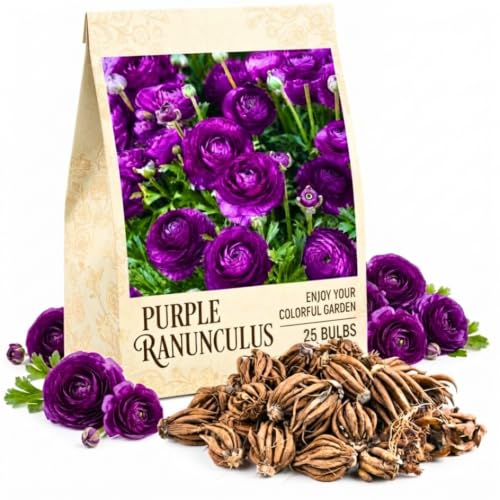
AVERAR 25 Purple Ranunculus Bulbs

AVERAR 25 Red Ranunculus Bulbs
The Details Behind The Selections
Bright orange needs a few confident neighbors, and this selection makes that job easy. A corm is a compact underground storage organ that sends up a flowering stem, so you plant the piece itself rather than a conventional seed. For Zone 5, though, the stated zones 7 through 10 range is the deciding factor.
Treat the corms as seasonal color for a sunny border or container, and you gain layered blooms from spring into summer. Most beds will need regular watering, especially as plants establish, and the listed height of 1 to 2 feet makes this a useful mid-border flower rather than a groundcover.
Useful Highlights
- Bright orange flowers create a strong focal point across mixed borders.
- The 25-corm format supports a substantial grouping in one bed.
- Full sun and well-drained soil give you clear planting conditions.
- The 1-to-2-foot height fits neatly between low edging and taller plants.
Things To Consider
- The stated hardiness range stops at Zone 7, so Zone 5 survival is not established.
- Containers need free drainage and regular watering rather than constantly wet soil.
Quick Facts
Who It Suits Best
You gain the most from this option in a Zone 5 container or seasonal bed that receives full sun and can be replanted.
Where Another Pick Suits Better
Choose AVERAR 25 Mixed-Color Ranunculus Bulbs when you want several colors within one planting rather than a single orange display.
A mixed planting suits a border that looks better with gradual variation than one concentrated block of color. This AVERAR selection carries the same 1-to-2-foot height and spring-through-summer flowering period as the orange option, but it spreads visual interest across several shades. For Zone 5 gardeners, that variety still comes with the same climate limitation.
Plant the corms in fall in a sunny location with drainage that lets excess water escape. The mix works especially well when you want one package to support a broad seasonal display, although a dedicated color scheme may feel more controlled with a single-color selection.
What It Does Well
- Several shades make one grouping look less uniform.
- The mixed palette fits informal borders and colorful containers.
- Twenty-five corms allow you to repeat the color pattern across a bed.
- Established plants remain manageable at 1 to 2 feet tall.
Worth Noting
- The mixed colors offer less control than selecting a specific hue.
- Zones 7 through 10 are listed, which limits confidence about Zone 5 perennial return.
- Regular watering is needed, but poorly drained soil remains a poor fit.
Feature Snapshot
Made For
This fits you best when you want one colorful seasonal planting without choosing a single dominant shade.
Consider Something Else When
AVERAR 25 Pink Ranunculus Bulbs is a more focused choice for a pale border that needs a consistent pastel effect.
Compared with the mixed option, this package gives your planting a clear visual direction. Orange flowers are easy to place beside purple, pink, or yellow-green foliage, and the layered petals add texture to a simple seasonal display. The 25-corm count also makes it practical for filling a defined section rather than scattering a few bulbs across the garden.
Its growing requirements are straightforward: full sun, well-drained soil, and regular watering during active growth. You also need to account for the listed Zone 7 through 10 range, because that makes a Zone 5 planting more experimental as a perennial. In a cold region, replanting can prevent disappointment after the first season.
The Case For It
- A single orange theme makes border placement easier to coordinate.
- Layered flowers provide a more textured appearance than simple open blooms.
Points To Note
- Zone 5 falls outside the stated hardiness range.
- Regular watering remains necessary, especially in containers.
- A single-color bed gives you less variation than the mixed selection.
- Well-drained soil is essential for the listed planting conditions.
Right Fit For
You will find this useful in a sunny Zone 5 container garden or a seasonal bed that you plan to refresh.
Not Your Match When
AVERAR 25 Mixed-Color Ranunculus Bulbs suits you better when you want a varied planting and do not have a single color in mind.
Pink can soften a border that would look severe with a single hot color, and this selection gives you that option in a substantial group. The layered flowers appear from spring into summer, while the green stems and foliage provide a natural contrast within the planting. Compared with orange, the visual effect is gentler and more decorative.
Your site needs full sun and soil that drains freely, with regular watering once the plants are growing. The stated hardiness range remains the main consideration for Zone 5. Planting in containers makes seasonal handling easier and prevents cold-climate uncertainty from dictating the whole garden plan.
Bright Spots
- Pink flowers complement soft cottage-style color schemes.
- Layered petals create a lush appearance in a grouped planting.
- Green foliage provides contrast against the blossoms.
- Containers offer a practical way to rotate seasonal plants.
- Twenty-five corms suit a generous border or several large pots.
Small Caveats
- Zone 5 gardeners should not assume dependable perennial return from a Zone 7 through 10 listing.
Core Details
Best Suited To
This is a fitting choice for a sunny container display or pastel border where you want a controlled pink accent.
Look Elsewhere When
AVERAR 25 Purple Ranunculus Bulbs fits your plan better when you need deeper color and stronger contrast with yellow or green plants.
Purple gives you a more dramatic seasonal accent than the softer pink option, especially when placed beside yellow, silver, or fresh green foliage. The 25 corms provide enough material for a continuous group, and their 1-to-2-foot height keeps the display within a traditional border range. The spring-through-summer bloom period adds color before later summer flowers take over.
You will have the most control by planting in full sun and improving drainage before setting the corms. Zone 5 conditions remain the honest limitation: these are listed for zones 7 through 10, so a seasonal container display is more predictable than expecting the same planting to return every year.
Strengths Worth Knowing
- Deep purple adds strong contrast to warm-colored flowers.
- The 25-corm pack supports a substantial border grouping.
- Compact growth keeps the flowers easy to place among other plants.
Trade Offs
- The stated range does not establish perennial performance in Zone 5.
- Regular watering is needed throughout active growth.
- Purple suits a defined palette better than a relaxed mixed-color scheme.
Who Will Love This
You will appreciate this choice in a sunny seasonal border designed around rich purple and contrasting foliage.
A Better Fit Elsewhere
AVERAR 25 Bright Orange Ranunculus is a stronger fit when you want a warm focal point that stands out across the bed.
Red gives a container or front border an immediate focal point, and this AVERAR package carries the same compact growth and layered flower structure as the other colors. Compared with purple, the effect is warmer and more emphatic. Twenty-five corms let you place one substantial group in a pot or repeat the color through several small plantings.
Full sun and well-drained soil provide the stated starting point, while regular watering supports spring-through-summer growth. The important fit check is your climate: the listing covers zones 7 through 10, so Zone 5 gardeners should treat the planting as seasonal unless local conditions provide a protected microclimate.
Why It Works Well
- Red blooms create a clear focal point in containers.
- The compact 1-to-2-foot height suits beds and pots.
- Layered petals add visual depth to a single-color display.
- Twenty-five corms offer practical planting volume.
Practical Considerations
- Zone 5 falls outside the stated hardiness range.
- Containers and borders both require attention to drainage.
Technical Highlights
The Right Fit
This suits you best when you want a bold red focal planting that can be moved or replaced seasonally.
Another Choice May Suit
AVERAR 25 Mixed-Color Ranunculus Bulbs suits you better when you want a softer, more varied seasonal display.
Planting Perennials Through A Zone 5 Reality Check
Start with the hardiness information. A hardiness zone reflects average winter minimum temperatures, and your local site can differ because of elevation, wind, and nearby buildings. The six ranunculus choices here are listed for zones 7 through 10, making them a different proposition from Zone 5 perennials that are documented for your climate.
Match Color To The Bed
Orange, red, and purple create strong focal points, while pink fits softer schemes and mixed shades suit a less formal border. Consider the surrounding plants first, since a color that looks cheerful in isolation can become visually dominant once it sits beside a large group of yellow or pink flowers.
Give Roots The Right Conditions
Full sun and well-drained soil are the stated preferences for these ranunculus. Improve heavy soil before planting, and avoid spots that remain wet for long periods. Containers need drainage openings, while raised beds can provide a useful alternative where native soil stays compacted.
Plan For Replanting In Colder Climates
In Zone 5, seasonal use is the practical approach. Plant in fall for the stated planting window, provide regular water during growth, and plan to replace the corms where winter conditions may prevent a dependable return. That approach also lets you rotate the color display each year without leaving empty spaces.
Avoiding Common Planting Errors
Where Shoppers Go Wrong
The most consequential mistake is treating a Zone 7 through 10 flower as a dependable Zone 5 perennial. Another error is choosing a color before considering the rest of the bed, or placing corms in damp soil because spring is still on your mind. Match the plant’s climate range, light requirement, and drainage needs before deciding on the quantity.
What The Extra Money Goes
Compare the stated corm size, pack quantity, cultivar name, and arrival terms on the product page. A higher-priced offer may include more planting material or a named variety, but only those details reveal what the added cost actually provides. In this category, a large pack of an unverified color is less useful than a clearly described option that fits your site.
Frequently Asked Questions
Are These Ranunculus Perennials in Zone 5?
The listed hardiness range is zones 7 through 10, so dependable perennial return in Zone 5 is not established. You can grow them as seasonal flowers, especially in containers that can be managed according to local conditions.
When Should You Plant These Ranunculus Bulbs?
Plant the corms in fall in well-drained soil under full sun. That timing gives them a chance to establish before their spring-through-summer flowering period.
Can You Grow Ranunculus in Containers?
You can grow them in containers with drainage holes and a suitable potting mix. Provide regular watering while they are actively growing, and avoid a container that holds excess water around the corms.
How Tall Do These Ranunculus Grow?
The listed mature height is 1 to 2 feet. That size works well in mixed borders, raised beds, and large containers where you want a mid-height seasonal flower.
Which Color Should You Choose?
Choose orange, red, or purple for stronger focal points, pink for a softer border, and mixed shades for a varied display. The right color depends mainly on the surrounding plants and the look of your bed.
Final Verdict
For Zone 5, these ranunculus bulbs are best treated as seasonal color rather than dependable returning perennials. Your choice comes down to the palette: orange and red create bold accents, pink softens a border, purple adds contrast, and mixed shades offer a flexible planting. Check your winter conditions, provide full sun and drainage, and replant where needed.
