

Ohio’s variable winters and warm summers reward perennials that suit local growing conditions, but choosing the right plant still depends on sunlight, soil, space, and bloom timing. This lineup combines a promising native perennial seed with field guides that help you identify garden visitors, wild plants, orchids, and backyard food crops. It suits home gardeners who want practical references alongside their planting plans.
The Choices Worth Comparing

Amazing Birds of North America: Full-Color Guide to Identifying Birds
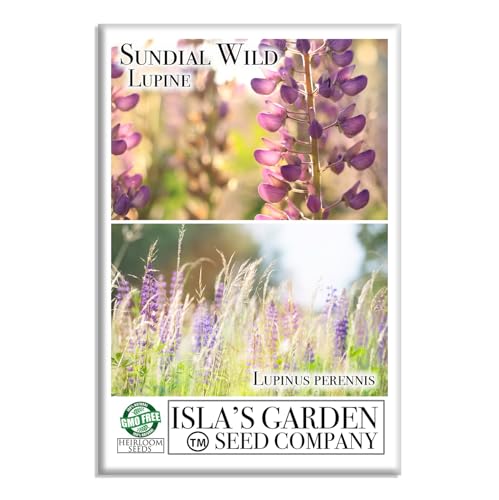
Sundial Wild Lupine Seeds (Lupinus perennis): 50+ Native Perennial Blooms

Southeast Wildflower Seeds

The Safe Foraging Bible for Beginners: Full-Color Plant Identification Guide

The Home Orchid Mastery Guide: Simple Care and Repotting

The Backyard Homesteading Bible: A Step-by-Step Sustainable Mini Farm Blueprint
A Deeper Look At The Lineup
A flash of yellow at the feeder can be hard to place when the bird vanishes before you reach your field guide. This full-color reference focuses on North American birds and gives a new watcher a visual way to narrow down what appeared in the yard.
It is a garden companion rather than a perennial itself, making it most useful alongside flowering plants that bring birds into regular view. Compared with the more technical approach implied by dense species charts, the illustrated format appears friendlier for beginners.
The Upside
- Full-color illustrations make shape, markings, and plumage easier to compare.
- The focus on nearby birds suits quick identifications from a window or porch.
- Fun facts add context for people who want to know more after spotting a species.
Things To Consider
- This is a bird guide, not a planting or perennial-care resource.
- Your local bird population and seasonal plumage will affect which illustrations are useful.
At A Glance
Who Will Love This
This guide suits beginning backyard bird watchers who want clear visual references while observing birds from home.
A Better Fit Elsewhere
Gardeners focused on choosing and growing perennials will find Sundial Wild Lupine Seeds more directly useful.
For a sunny border that needs a strong upright flower, Sundial wild lupine offers purple and blue flower spikes that return as a perennial after establishment. Its native status also makes it a more regionally grounded choice than a generic cottage-garden blend, subject to the planting conditions in your own yard.
Direct sowing suits gardeners who prefer starting plants outside rather than managing indoor seedlings. The package includes more than 50 heirloom, non-GMO seeds and provides clear spacing and depth instructions for a new planting.
Everyday Advantages
- Purple and blue spikes bring strong color to borders and naturalistic beds.
- The flowers attract bees and butterflies during the blooming period.
- Direct sowing instructions simplify the initial planting process.
- Support for growing zones 3 through 8 covers a broad range of cold and temperate climates.
- Perennial growth rewards a properly placed planting in later seasons.
Minor Gripes
- Well-draining soil and the recommended 12-to-18-inch spacing must be considered before sowing.
Quick Facts
The Right Fit
This seed packet suits Ohio gardeners creating a sunny pollinator bed with room for spreading perennial plants.
Consider Something Else When
Gardeners seeking an instant mix of annual and perennial flowers will find Southeast Wildflower Seeds a more flexible option.
A small packet of wildflower seed can fill an open patch without requiring a separate plan for every species. This Southeast mix combines annuals and perennials, giving a new meadow-style bed several kinds of growth cycles instead of a single dominant flower.
The mix is sown directly over bare soil, which makes it approachable for large borders and informal planting areas. Its Southeast focus needs a careful fit check for Ohio, since a regional blend may not represent the native plants best suited to every part of the state.
Noteworthy Benefits
- Annual and perennial seeds provide varied color across more than one growing cycle.
- Direct sowing works well for informal patches with exposed soil.
Practical Considerations
- The Southeast designation makes local plant suitability an important selection check.
- The 0.3-ounce packet may create a modest planting area rather than a full backyard meadow.
- Direct sowing requires bare soil and a suitable outdoor location.
Made For
This seed mix suits gardeners creating a small mixed-flower patch and willing to account for its regional focus.
Look Elsewhere When
Gardeners seeking a clearly identified native perennial for Ohio will find Sundial Wild Lupine Seeds easier to plan around.
Walking a neighborhood trail becomes more interesting once you can recognize common edible plants, but accurate identification must come before harvesting. This guide uses full-color illustrations and a safety-first system to organize a subject that can look deceptively simple outdoors.
It supports nature walks, park education, and the desire to learn overlooked foods in familiar landscapes. As with any plant guide, treat the book as a learning resource rather than a substitute for careful local guidance and repeated observation.
Real-World Strengths
- Full-color images help you compare plant features instead of relying on names alone.
- The safety-first system gives beginners a defined process to follow.
- Small identifying clues provide a more useful starting point for close inspection.
- The format supports learning in forests, trails, and neighborhoods.
Worth Noting
- Identification depends on studying the complete plant, not one photograph or isolated leaf.
- Local rules and habitat differences still affect where plants may be gathered.
Feature Snapshot
Built With In Mind
This field guide suits beginners who want to build identification skills before gathering wild foods.
Another Choice May Suit
The Home Orchid Mastery Guide offers a more focused resource for people caring for cultivated orchids rather than wild plants.
An orchid on the windowsill can look delicate and unforgiving, yet routine care becomes less mysterious once watering and repotting are organized into clear procedures. This guide focuses on the growing environment, watering habits, repotting, and common plant problems.
That practical structure is useful for a first-time orchid grower or anyone whose plant has entered a rough patch. A five-step method for restoring a sick or shocked orchid gives you a defined starting point, though the guide does not replace checking the needs of your specific orchid.
Useful Strengths
- Watering guidance addresses a common source of confusion for new orchid owners.
- Repotting instructions provide a concrete procedure for a necessary maintenance task.
- The five-step recovery method gives a structured response to visible problems.
Where It May Fall Short
- The orchid focus makes it less useful for general perennial selection.
- One growing environment cannot represent every orchid species or home condition.
- A plant with several issues may require careful diagnosis rather than one routine.
Best Suited To
This guide suits new orchid owners who need an organized care and troubleshooting reference.
Reach For A Different Pick When
Gardeners planning an outdoor perennial border will find Sundial Wild Lupine Seeds more applicable to their planting goals.
Turning part of a yard into a food-growing area works better when each addition has a clear place in the plan. This blueprint focuses on building a sustainable mini farm through a step-by-step sequence rather than adding unrelated projects whenever space opens up.
It suits gardeners ready to expand from a few beds into a broader backyard system, including perennial crops that return in later seasons. The exact build order helps you decide which stage comes first, while the compact scope keeps the concept centered on a manageable backyard.
Standout Benefits
- The step-by-step structure gives beginning homesteaders a clear project sequence.
- A mini-farm focus makes the plan more approachable than a large-scale property plan.
- The sustainable theme supports long-term garden planning and food growing.
- Year-round production is included as a central planning goal.
Details To Watch
- Your available space, soil, sunlight, and time determine which stages are realistic.
- A backyard blueprint still requires seasonal planning and ongoing maintenance.
Key Details
Whose Garden It Belongs On
This blueprint suits beginning food growers with a usable yard who want to establish a more organized mini farm.
Where A Sibling Pick Shines
Homeowners focused on one colorful perennial bed will find Sundial Wild Lupine Seeds easier to incorporate than a whole-site plan.
Matching Plants To Ohio Garden Conditions
Start With the Local Hardiness Zone
A plant’s hardiness zone indicates the cold conditions it is expected to tolerate, though zone labels do not predict every seasonal challenge. Compare that information with your own site rather than choosing by color alone. Sundial Wild Lupine Seeds lists zones 3 through 8, making the local zone one of the first checks for this option.
Match Sunlight and Soil to the Plant
Full sun means a location receives strong direct light, while partial sun includes some shade during the day. Soil drainage describes how readily water moves through the ground, and poor drainage can leave roots in wet conditions. Lupine’s stated preference for well-draining soil makes an open, suitable bed important.
Plan for Bloom Time and Pollinators
Perennials emerge on different schedules, so mixing early and late flowers can extend color through the season. Lupine’s purple and blue spikes are listed for late spring through early summer, which helps you place it alongside plants that carry interest at other times. Pollinator value is another useful consideration when selecting plants that support bees and butterflies.
Account for Regional and Space Requirements
A regional wildflower mix can be less suitable outside its intended area, even when it contains perennial varieties. The Southeast Wildflower Seeds mix therefore needs a climate-fit check before you rely on it in Ohio. Also compare mature spacing with your available area, since a narrow bed may not accommodate plants that eventually spread or grow tall.
Garden Shopping Pitfalls and Tradeoffs
Mistakes Worth Dodging
Do not select a perennial solely for a photograph, since bloom color does not reveal the plant’s full growing requirements. Confirm zone, sunlight, drainage, and mature spacing before buying. Avoid treating a regional seed mix as automatically suitable everywhere, and account for the difference between a perennial and a short-lived annual.
The Case For Spending Up
A more specialized guide or a clearly identified perennial seed packet may cost more because it concentrates on a narrower subject. The added value comes from clearer instructions, more focused coverage, or easier plant identification, depending on the option. Pay for those specifics only when they solve a gap in your garden plan.
Frequently Asked Questions
What Perennials Grow Well in Ohio?
The right choices depend on your hardiness zone, sunlight, soil drainage, and moisture. A native perennial with a suitable climate range and growing requirement is a more useful starting point than flower color alone.
Is Sundial Wild Lupine Suitable for Ohio Gardens?
Sundial Wild Lupine Seeds lists growing zones 3 through 8 and calls for well-draining soil with full to partial sun. Check your local zone and site conditions before sowing, and allow the recommended 12-to-18-inch spacing.
Can I Sow Lupine Seeds Directly in My Garden?
The stated method is direct sowing into well-draining soil, placing each seed one-quarter inch deep. Prepare the area first, keep the spacing consistent, and monitor the soil rather than repeatedly watering it.
Is a Southeast Wildflower Mix Suitable for Ohio?
Its regional focus makes the mix less straightforward for Ohio than a locally matched perennial option. Review the included species and your site conditions before relying on it for a lasting perennial display.
Which Guide Helps With Garden Identification?
The Amazing Birds of North America guide supports bird identification, while The Safe Foraging Bible focuses on wild plants. The Home Orchid Mastery Guide is more appropriate for cultivated orchid care and troubleshooting.
Final Verdict
Sundial Wild Lupine Seeds provides the most direct perennial option, especially for sunny pollinator borders. The remaining picks support specific garden interests rather than perennial planting itself, so match each guide or mix to the task you actually need. A focused choice will serve your Ohio garden more effectively than a broad collection of loosely related tools.
