

Peonies can be wonderfully rewarding, yet their feeding needs vary depending on whether they are established in a border, newly transplanted, or growing in a container. The right fertilizer should support strong roots without flooding the soil with unnecessary nutrients. These options cover organic transplant care, controlled-release feeding, hydroponic bloom support, and general-purpose plant food for mixed gardens.
A Side-By-Side Look

Espoma Bio-Tone Starter Plus 4-3-3 with Mycorrhizae, 8 lb.
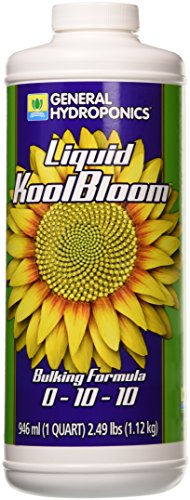
General Hydroponics Kool Bloom Fertilizer, 1 Quart
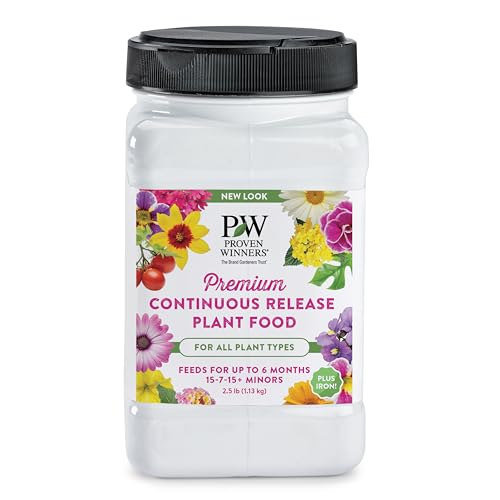
Proven Winners Continuous Release Fertilizer 2.5 lb.
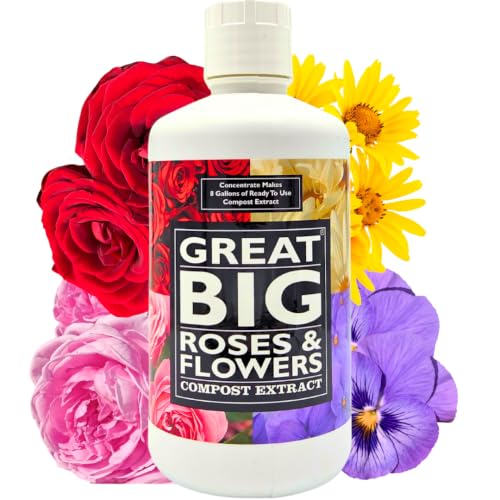
Great Big Roses Fertilizer Booster 32 Ounce
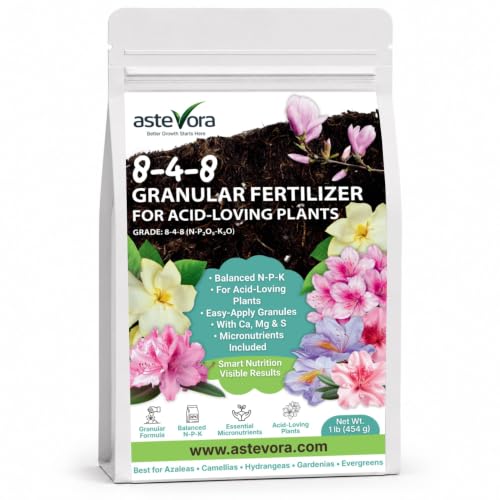
GARDENWISE 8-4-8 Acidic Fertilizer for Azaleas, Hydrangeas, Blueberries, 1/2 Quart

GARDENWISE 10-10-10 Slow-Release Fertilizer for Roses, Flowers, Shrubs, 1/2 Quart
A Deeper Look At The Lineup
Freshly planted peonies need root-friendly nutrition, and Espoma’s organic starter formula is built around that stage. Its 4-3-3 nutrient ratio, beneficial bacteria, humates, and mycorrhizae suit gardeners establishing peonies in prepared garden soil.
Mycorrhizae are fungi that associate with plant roots and can improve the plant’s access to soil resources. Compared with GARDENWISE 10-10-10, this option looks more specialized for transplanting and root establishment, although your soil and planting conditions still determine the result.
Points In Its Favor
- The organic approach suits beds where you want a gentler transition for newly planted peonies.
- Mycorrhizae, bacteria, and humates add more than the three basic NPK nutrients.
- The 8-pound package provides a practical quantity for several perennial clumps or a larger planting project.
Worth Noting
- Its lower 4-3-3 analysis differs from the stronger 10-10-10 blend offered for routine feeding.
- Focused transplant nutrients may not satisfy a long-term feeding plan for an established border.
Quick Facts
Made For
You benefit most when planting or dividing peonies in soil and prioritizing root establishment with an organic formula.
Where Another Pick Suits Better
GARDENWISE 10-10-10 Slow-Release Fertilizer suits established peonies that need broader, balanced nutrition across a mixed bed.
Kool Bloom takes a different route from soil-based products because it is a liquid fertilizer intended for hydroponic growing. The formula is designed for the reproductive stage, when flowers and fruit are developing, making it relevant to container peonies maintained in a water-based system.
Unlike Proven Winners’ controlled-release pellets, this liquid can be incorporated into a regular hydroponic feeding routine. You may find it more relevant for an indoor or greenhouse setup than for a traditional garden bed.
Noteworthy Benefits
- Liquid form fits systems where nutrients are distributed through a nutrient solution.
- The formula is intended for the start of the reproductive cycle, when peonies form buds and flowers.
- Vitamins and nutrient-transporting acids give it a more specialized profile than a basic NPK feed.
- The 1-quart size is compact enough for a focused hydroponic setup.
Trade Offs
- Its hydroponic focus makes it a poor match for an ordinary soil planting.
- It targets bloom development rather than serving as a general transplant feed.
- You need an appropriate hydroponic setup to use the liquid consistently.
Right Fit For
You benefit most from this liquid feed when peonies grow in a hydroponic container during the bud-forming and flowering stages.
Consider Something Else When
Espoma Bio-Tone Starter Plus suits outdoor peonies being transplanted into ordinary garden soil.
Controlled-release pellets remove much of the calendar work from seasonal feeding. Proven Winners uses a temperature-sensitive coating intended to release nutrients during active growing periods, with feeding stated to continue for as long as six months.
That makes it a practical choice for container peonies or a mixed bed where you want one application at planting. Compared with General Hydroponics Kool Bloom, it offers a different delivery method: soil-applied pellets rather than liquid nutrients.
What It Does Well
- The 15-7-15 blend supports vigorous growth and flowering needs.
- Multiple nutrient sources provide a broader mix than a simple equal-ratio formula.
- The shaker top makes measured application around individual plants easier.
- Controlled release can last through much of the active growing season.
Small Caveats
- Application timing matters because the feeding period is not indefinite.
- The higher nitrogen analysis suits active growth better than a restrained transplant program.
Feature Snapshot
Low-Fuss Care
You benefit most from this fertilizer when you want a single seasonal application for container plants or a busy mixed border.
A Better Fit Elsewhere
Espoma Bio-Tone Starter Plus is more relevant when your priority is establishing newly transplanted peonies with organic root support.
A mixed border filled with roses and other flowering plants changes the fertilizer equation. Great Big Roses is positioned as a booster that moves into the root zone and helps activate nutrients already present in garden soil, rather than relying only on a conventional NPK analysis.
Peonies are not named on the label, so this is a less specific match than Espoma Bio-Tone. It may suit a garden where peonies share the bed with roses, hydrangeas, citrus, or other compatible flowering plants.
A Favorable Mix
- Root-zone application supports mixed flowering borders rather than isolated containers.
- The booster format complements a feeding routine already used around roses and flowers.
- It targets garden soil, helping make existing nutrients more available to plants.
- The 32-ounce container is suited to repeated care of several flowering plants.
Practical Considerations
- The product is not positioned specifically for peonies.
- You may prefer a clearly labeled NPK formula for precise control of a large bed.
Built With In Mind
You benefit most when peonies share a flower garden with roses or similar plants and the soil already receives regular feeding.
Where A Sibling Pick Shines
Proven Winners Continuous Release Fertilizer offers a clearer nutrient analysis and a broader list of covered plants for a mixed border.
This fertilizer narrows the audience to plants that favor acidic soil. Its 8-4-8 analysis includes magnesium, iron, and manganese, while the listed plants cover azaleas, camellias, hydrangeas, blueberries, gardenias, magnolias, evergreens, and rhododendrons.
That specialization makes it useful in a mixed landscape dominated by acid-loving plants. Peonies are not among the named plants, so proximity to blueberries, azaleas, or hydrangeas matters more than the fertilizer’s flower-growing credentials.
Advantages To Know
- Iron, magnesium, and manganese provide nutrients associated with acid-loving plants.
- The 8-4-8 analysis supports foliage while supplying phosphorus and potassium.
- One formula can cover several types of acid-preferring shrubs and trees.
Less Ideal Details
- Peonies are not specifically listed among the plants this product serves.
- Its acidic focus is less relevant to a border made up mainly of neutral-soil perennials.
- The 1/2-quart size works best for targeted care rather than broad coverage.
Core Details
Whose Shelf It Belongs On
You benefit most when your garden contains several azaleas, blueberries, hydrangeas, or related acid-preferring plants.
Another Choice May Suit
GARDENWISE 10-10-10 Slow-Release Fertilizer provides a more balanced fit for peonies grouped with roses, flowers, shrubs, and vegetables.
