A pecan tree can fill a backyard with useful shade and a rewarding harvest, but feeding it correctly takes more than grabbing any fertilizer bag on the shelf. You need to match the nutrient analysis to the tree’s needs, choose a format you can apply evenly, and account for the size of the root zone. The right choice for a single pecan tree may look very different from the right choice for a small grove.
Jobe’s spikes suit gardeners who want a straightforward way to feed acid-loving evergreens without handling loose material. The nine-count pack works around the drip line, the area beneath the outer branches where rain usually reaches the soil, and the slow-release format supplies nutrients gradually near active roots.
Cypress, arborvitae, pine, cedar, and other compatible trees benefit from the targeted approach. Compared with the larger Winchester Gardens cases, this pack suits a smaller planting. It isn’t a pecan-specific formula, so the more general SouthernGRO option makes more sense for a pecan orchard.
Well-Handled Touches
✓Premeasured spikes simplify placement around tree roots.
✓Slow release avoids the need for frequent fertilizer applications.
✓The formula targets several common acid-loving evergreen trees.
✓The compact count suits one or a few established plantings.
Things To Consider
•This option is designed for acid-loving evergreens, not pecan trees.
•Placement near the drip line matters, so spreading each spike randomly across the lawn wastes material.
Feature Snapshot
Feature
Specification
Why It Matters
Format
Slow-release fertilizer spikes
Places nutrients close to roots with less loose material to spread
Pack size
9 spikes
Useful for a limited number of evergreen plantings
Target plants
Cypress, arborvitae, pine, cedar, and other acid-loving trees
Supports evergreen care rather than general lawn feeding
Who Will Love This
This option suits homeowners tending a few acid-loving evergreens who prefer simple, premeasured root-zone feeding.
A Better Fit Elsewhere
SouthernGRO Pecan & Fruit Tree Fertilizer 10lb. Bag suits you better when the tree being fed is a pecan rather than an evergreen.
The 70-spike case makes sense for an established evergreen planting, a small windbreak, or a landscape maintained with repeated seasonal feeding. Slow-release nitrogen, meaning nitrogen made available gradually rather than all at once, supports steadier feeding over time and reduces the need for frequent top-ups.
Its no-mess, no-run-off design also keeps application tidy around shrubs. The manufacturer positions the formula as child- and pet-friendly, though careful storage remains important. Compared with Jobe’s nine-count pack, the larger case offers more flexibility for numerous evergreens.
Benefits That Matter
✓Seventy spikes support multiple trees and shrubs.
✓Slow-release nitrogen provides an extended feeding window.
✓Spring and fall use suits seasonal evergreen maintenance.
✓Premeasured placement avoids measuring loose fertilizer by hand.
Small Caveats
•The evergreen formulation is too specialized for fruit and citrus trees.
•Its 12-10-10 analysis differs from the 12-04-04 used by SouthernGRO, so the two are not interchangeable for pecans.
•A 70-count case takes more storage space than Jobe’s compact pack.
Made For
This case fits gardeners managing several evergreen trees who want spring and fall feeding in a tidy spike format.
Consider Something Else When
Jobe’s Slow Release Evergreen Fertilizer Spikes, 9 Count suit you better when you have only a few acid-loving trees to feed.
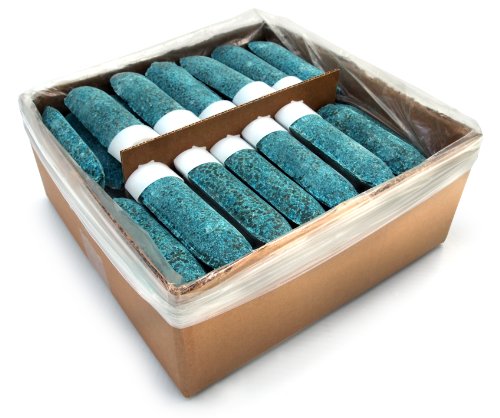
This Winchester Gardens formula is the broad option in the spike group, covering trees and shrubs rather than locking you into evergreen or fruit-tree feeding. Spikes dissolve at a controlled rate, which supports a steadier nutrient release near roots and keeps application separate from the surrounding soil.
The 15-10-10 analysis carries more nitrogen than the evergreen formula in the previous pick. That makes sense for a mixed landscape where leafy growth is the goal, but it doesn’t make the product pecan-specific. You’ll get more mileage from SouthernGRO when the tree’s identity and harvest goals matter.
Notable Upsides
✓Works across trees and shrubs in a mixed landscape.
Fruit and citrus trees benefit from feeding tailored to their production needs, and this 8-18-18 formula takes that approach. In standard fertilizer notation, the three numbers represent nitrogen, phosphorus, and potassium in that order. Its lower nitrogen figure and higher phosphorus and potassium figures distinguish it from the evergreen and general tree formulas.
The slow-release spikes deliver nutrients over time, while the 70-count case works for an orchard, collection of citrus trees, or several fruit plantings. For most yards, the targeted analysis is more useful than a general-purpose spike, though SouthernGRO remains the clearer pecan match.
Notable Gains
✓The analysis is formulated for fruit and citrus trees.
✓Slow nutrient release supports feeding over an extended period.
✓Premeasured spikes keep application neat around root zones.
✓Seventy spikes suit several mature fruit trees.
Trade Offs
•The formula is not presented specifically for pecan trees.
•Its lower nitrogen level makes it less aligned with the previous general tree and shrub mix.
Feature Facts
Feature
Specification
Why It Matters
Nutrient analysis
8-18-18
Matches the fruit and citrus positioning better than an evergreen mix
Release method
Slow-release spikes
Spreads nutrient delivery over time
Target plants
Fruit and citrus trees
Supports a focused production category
Pack quantity
70 spikes
Provides enough units for multiple trees
The Right Fit
This option suits gardeners raising several fruit or citrus trees who want a dedicated spike formula rather than evergreen nutrition.
Where A Sibling Pick Shines
SouthernGRO Pecan & Fruit Tree Fertilizer 10lb. Bag shines when your main harvest goal is pecans rather than citrus or general fruit trees.
SouthernGRO is the most direct match for a pecan-focused landscape. Its 12-04-04 analysis supplies the three primary nutrients in a lower-phosphorus profile, while the added sulfur and zinc create a more specific orchard-oriented formula. It also supports fruit and citrus trees, giving you one option for several edible tree types.
The 10-pound bag provides enough material for repeated use and covers pecan trunks up to 10 inches in diameter. Compared with Farmer’s Secret’s 8-ounce concentrate, SouthernGRO trades careful dilution for straightforward bag-based feeding. For most pecan growers, that is a practical distinction.
What Stands Out
✓Formulated specifically with pecan trees in mind.
✓Also supports fruit and citrus tree needs.
✓Includes sulfur and zinc in addition to primary nutrients.
✓The 10-pound format suits repeated orchard feeding.
✓Covers pecan trunks up to 10 inches in diameter.
Where It May Fall Short
•The bulk bag may create extra storage demands for a single small tree.
•It offers less flexibility than a concentrated liquid for early-cycle dilution.
Who Should Grab It
This fertilizer fits pecan growers and small orchards that value a crop-specific nutrient mix over concentrated feeding.
Look Elsewhere When
Farmer’s Secret Fruit Tree Booster Fertilizer, 8oz suits you better when you want a phosphorus-rich concentrate for the early growth cycle.
Farmer’s Secret approaches fruit-tree feeding through a concentrated, phosphorus-rich liquid made for the period after dormancy and before buds develop. That timing matters because it places nutrition during early growth rather than treating the fertilizer as a general-purpose afterthought. The formula is intended for fruit trees including peach, banana, and apple.
Its small 8-ounce bottle dilutes before use, so the container is easy to store but demands accurate mixing. SouthernGRO better serves a pecan orchard, while this concentrate gives you more control when feeding several fruit-tree types during a specific growth stage.
Reasons It Performs
✓The concentrate makes measured dilution possible.
✓Phosphorus-rich nutrition supports early fruit-tree growth.
✓The intended timing focuses on the post-dormancy stage.
✓One formula accommodates several fruit-tree types.
Potential Compromises
•The formula is not marketed specifically for pecan trees.
•Its concentration requires careful dilution and mixing.
•The 8-ounce size may run out quickly in a large orchard.
Technical Highlights
Feature
Specification
Why It Matters
Format
Super-concentrated liquid
Allows controlled dilution for individual fruit trees
Nutrition
Phosphorus-rich
Provides an early-growth focus for fruit trees
Timing
After dormancy through bud development
Targets a defined early growth period
Tree examples
Peach, banana, and apple
Shows the formula’s range across fruit trees
Whose Shelf It Belongs On
This concentrate fits experienced fruit-tree growers who value precise dilution and early-cycle nutrition over a pecan-specific granular formula.
Swap It Out When
SouthernGRO Pecan & Fruit Tree Fertilizer 10lb. Bag is the better option for pecan trees and larger plantings that favor ready-to-apply material.
## Match the Feed to the Tree and Site
### Begin With the Plant
Start by identifying the tree rather than choosing a general fertilizer label. Pecans, citrus trees, acid-loving evergreens, and mixed ornamental shrubs do not share the same nutritional emphasis. A pecan-specific formula is the sensible starting point for a harvest-focused tree, while a concentrated fruit-tree product may suit an orchard managed around early bud development.
### Compare the Nutrient Analysis
Fertilizer numbers follow the nitrogen, phosphorus, and potassium order, so a 12-04-04 analysis differs meaningfully from 8-18-18. Compare the first number for leafy growth, the second for root and flower development, and the third for general plant regulation. SouthernGRO also includes sulfur and zinc, details worth noting when a crop-specific formula includes more than the standard three nutrients.
### Decide Between Spikes, Granules, and Concentrate
Spikes offer controlled placement around root zones and minimal handling. Granules provide a larger quantity that can cover several mature trees or repeated applications, while a liquid concentrate gives you the most control over dilution but demands accurate mixing. Match the format to the size of the planting and the amount of storage space you have.
### Consider Timing and Root-Zone Coverage
Seasonal labels can help prevent feedings from clustering around the same period, but the application schedule should also follow the product instructions. Measure the trunk and spreading canopy before buying, and check whether a formula is intended for a young tree, an established specimen, or a group of plantings. The right quantity is only useful when it reaches the active root area evenly.
## Avoiding Costly Feeding Errors
### Mistakes Worth Dodging
Avoid selecting a fertilizer because the word “fruit” appears on the bag without checking whether it includes pecans. Also avoid applying more material than the label calls for, since concentrated products and spike formats work through placement and measured amounts. Match the fertilizer to the plant, then check the trunk size or planting count before ordering.
### When Paying More Pays Off
Higher-priced options may provide crop-specific nutrients, concentrated ingredients, or enough material to cover several mature trees. Those features matter most for orchards and gardeners who value targeted nutrition or precise dilution. A smaller, simpler product remains sensible for one tree or a modest collection of compatible plants.
## Frequently Asked Questions
### What is the best fertilizer for a pecan tree?
SouthernGRO Pecan & Fruit Tree Fertilizer 10lb. Bag is the most direct match because it is formulated for pecan trees. Its 12-04-04 analysis also includes 1% sulfur and 1% zinc.
### Are fertilizer spikes good for pecan trees?
A pecan-specific formula is preferable to a spike designed for evergreens or mixed shrubs. SouthernGRO is the clearer choice when your main goal is feeding a pecan tree or small orchard.
### What do the numbers on a fertilizer bag mean?
The three numbers represent nitrogen, phosphorus, and potassium in that order. Each nutrient serves a different role, so matching the analysis to the crop matters more than choosing a high number.
### Should I choose spikes or a bulk fertilizer?
Spikes suit small plantings and precise root-zone placement, while bulk fertilizer works well for several mature trees or repeated use. A concentrated liquid provides dilution control but requires careful mixing and storage.
### Can fruit and citrus fertilizer spikes feed citrus trees?
Landscaper Pack Fruit and Citrus Fertilizer Spikes 8-18-18 are formulated specifically for fruit and citrus trees. Check the label directions for placement and use them according to the stated schedule.
## Closing Remarks
The SouthernGRO Pecan & Fruit Tree Fertilizer 10lb. Bag stands apart because it names pecans as its central use case, while the spike options serve narrower evergreen, shrub, or fruit-tree needs. Choose the formula that matches your tree first, then select the quantity and application style that suit your landscape. The right label makes seasonal care much easier to manage.