

A container of petunias can look lush above the soil while quietly struggling to absorb iron. Choosing the right outdoor plant food starts with the plant, its growth stage, and how often you want to feed it, whether you maintain hanging baskets, flower beds, or an indoor-outdoor collection. Some gardeners need a targeted liquid formula, while others prefer slow-release granules or compost-based soil improvement.
A Side-By-Side Look

Jack’s 20-6-22 Petunia Feed

Uncle Jim’s Super Red European Nightcrawlers for Composting, 100 Count

Schultz 10-15-10 Plant Food Plus

Osmocote Smart-Release Plant Food Plus
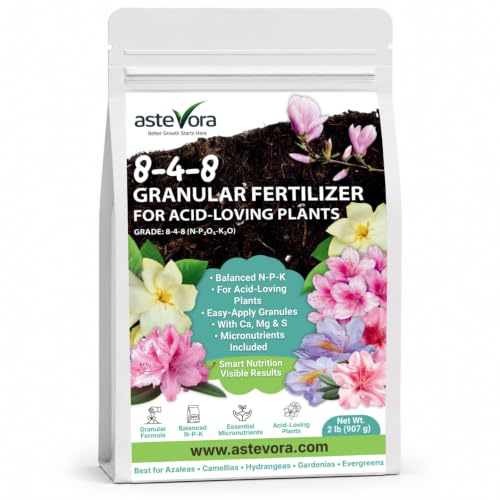
GARDENWISE 8-4-8 Acidic Fertilizer for Garden Acid-Loving Plants, 1 Quart

Uncle Jim’s Red Wiggler Composting Worms Mix for Garden Soil, 100 Count
The Details Behind The Selections
Petunias and similar hanging-basket annuals can develop yellowing when their roots struggle to take up iron from the soil. Jack’s 20-6-22 addresses that narrower need with a low-phosphorus formula designed to support fuller growth, making it more purposeful than an all-purpose feed for a basket devoted to petunias or calibrachoa.
The water-soluble powder gives you several application routes: root feeding, foliar spraying, or use in a continuous-feed system. For a busy patio gardener, that flexibility is useful, although the measured dilution and included spoon matter more than the attractive green packaging.
Reasons It Performs
- The 20-6-22 analysis supports annuals that have difficulty absorbing iron.
- Root, leaf, and continuous-feed options suit several gardening routines.
- Concentrated powder can produce multiple gallons of liquid fertilizer.
- The included measuring spoon helps keep dilution consistent.
- Added micronutrients provide nutritional support beyond the three primary nutrients.
Small Caveats
- This is a specialized formula, not a broad choice for every flowering shrub or houseplant.
- Accurate measuring and proper dilution are essential when mixing this concentrated powder.
Feature Facts
Made For
You get the most benefit with petunias, calibrachoa, bacopa, verbena, vinca, and salvia that show signs of iron-dependent growth issues.
A Better Fit Elsewhere
Schultz 10-15-10 Plant Food Plus suits mixed houseplant collections that need a simpler general-purpose routine.
Unlike Jack’s 20-6-22 Petunia Feed, this product takes a soil-building approach instead of delivering a ready-mixed nutrient solution. European nightcrawlers consume food scraps, turn them into castings, and create channels that can help water and nutrients move through compost and garden soil.
The Super Red worms are described as two to five times larger than ordinary red worms, with the ability to work through multiple layers of a compost pile. That makes them interesting for someone managing a deep bin, although results depend on maintaining a suitable worm habitat.
What Pays Off
- Larger worms can move through more than the compost pile’s surface layer.
- Food scraps become castings that can enrich planting soil and garden beds.
- Burrowing channels support aeration and water movement through soil.
- The 100-count group gives a home composter an active starting population.
- The same worms also work as fishing bait.
Things To Consider
- You need an active worm bin rather than a storage container for occasional food scraps.
- This is an ongoing soil-improvement project, not an immediate liquid feed for wilting flowers.
Technical Highlights
The Right Fit
You benefit most with an established compost system and enough outdoor space to manage the worms and finished castings.
Where Another Pick Suits Better
GARDENWISE 8-4-8 Acidic Fertilizer gives azalea, blueberry, and hydrangea growers a direct nutritional option for acid-loving plants.
Mixing a full watering can of plant food can feel more involved than you want, especially on a balcony with several pots. Schultz reduces that decision to seven drops per quart of water, making the 10-15-10 formula accessible for regular watering, transplanting, repotting, and rooting.
Its broader use across indoor and outdoor plants appeals to anyone maintaining mixed greenery rather than one specialized flower group. Compared with the composting worms, though, this is a direct feeding product, so it addresses nutrient delivery instead of building castings and aeration channels.
Well-Handled Touches
- Seven drops per quart make daily watering routines easy to maintain.
- The formula serves both indoor and outdoor plant collections.
- It can support transplanting, repotting, and rooting tasks.
- The 8-ounce container keeps the amount manageable for home use.
Minor Gripes
- The general-purpose 10-15-10 analysis does not specifically target iron-dependent petunias.
- Its higher phosphorus level may not suit every low-phosphorus annual feeding plan.
Who Will Love This
You will find this formula especially manageable with a first plant collection, a small indoor-outdoor setup, or an established watering routine.
Look Elsewhere When
Jack’s 20-6-22 Petunia Feed is the more specific choice for hanging baskets featuring iron-hungry annuals.
A long weekend away can disrupt a schedule built around frequent liquid feeding. Osmocote’s controlled-release granules shift the routine toward fewer applications, with the manufacturer stating that one treatment can feed live plants for up to six months and provide 11 essential nutrients.
That makes the 2-pound package attractive for mixed beds, houseplants, and container collections. Unlike Schultz’s seven-drop liquid, this granular food works through the soil or potting mix, making proper distribution more important than mixing a measured solution.
Points In Its Favor
- Controlled-release granules can feed plants for up to six months.
- Eleven nutrients support a broad range of indoor and outdoor varieties.
- One application reduces the frequency of regular feeding tasks.
- The formula suits both garden beds and container-grown plants.
Practical Considerations
- Granules need even placement in soil or potting mix for consistent feeding.
- The 2-pound size requires suitable dry storage between applications.
- It is not a targeted acidic formula for azaleas and blueberries.
Core Details
Built With In Mind
You benefit most with many containers or mixed planting areas where maintaining six months of nutrition in one application is practical.
Consider Something Else When
GARDENWISE 8-4-8 Acidic Fertilizer fits a garden centered on azaleas, camellias, blueberries, and other acid-loving plants.
Yellowing leaves on an azalea or blueberry bush call for more than a general-purpose balance, because these plants generally thrive in acidic soil. GARDENWISE 8-4-8 is formulated for acid-loving plants and includes magnesium, iron, and manganese to support their growth and foliage color.
The plant list makes its purpose clear: azaleas, camellias, hydrangeas, blueberries, gardenias, magnolias, evergreens, and rhododendrons. Compared with Osmocote’s broad feeding profile, this one trades general flexibility for a more specific match to an acid-plant garden.
The Upside
- The formula targets plants commonly grown in acidic soil.
- Magnesium, iron, and manganese support foliage and growth.
- It suits a wide range of familiar shrubs, trees, and berries.
- The one-quart size is practical for a dedicated planting area.
Where It May Fall Short
- Its specialized purpose makes it less suitable for mixed plant collections.
- The 8-4-8 analysis does not replace the lower-phosphorus approach used by Jack’s for petunias.
Best Suited To
You gain the most from this fertilizer with established beds of acid-loving shrubs, berries, and ornamentals.
Another Choice May Suit
Osmocote Smart-Release Plant Food Plus serves mixed indoor and outdoor collections where plant-specific acidity is not the deciding factor.
Red wigglers offer a different route to richer garden soil: they process kitchen scraps into castings inside your own compost bin. This 100-count mix is positioned for gardeners who want to convert routine food waste into material for beds, lawns, and containers, rather than apply a finished fertilizer directly to each plant.
The worms are described as working across multiple compost layers, while their castings are listed as seven times richer in phosphates, five times richer in nitrogen, and 11 times richer in potash than average lawn soil. Compared with Super Red nightcrawlers, this option is smaller and presented as a mixed red wiggler starter pack.
Useful Touches
- The 100-worm group provides a practical starter for a home compost bin.
- Red wigglers transform food scraps into nutrient-rich castings.
- Burrowing activity improves aeration within the compost system.
- Finished castings can be incorporated into garden soil.
- The worms also serve as fishing bait.
Possible Compromises
- You need to maintain the bin between additions of food waste.
- Compost-based soil improvement is slower than applying a soluble plant food.
Feature Snapshot
Who Should Grab It
You benefit most with regular kitchen scraps, an outdoor composting area, and a plan for adding finished castings to beds or containers.
Reach For A Different Pick When
Osmocote Smart-Release Plant Food Plus provides a more direct feeding route for containers and mixed plant varieties.
Matching Plant Food to the Job Ahead
Read the N-P-K Ratio
The N-P-K label states the proportion of nitrogen, phosphorus, and potassium in a fertilizer. Nitrogen supports leafy growth, phosphorus contributes to flowering and root development, and potassium helps overall plant vigor. More of one number does not automatically mean a better formula, so match the ratio to the result you want from each plant.
Match the Formula to the Plant
Jack’s 20-6-22 Petunia Feed targets iron-dependent annuals, while GARDENWISE 8-4-8 Acidic Fertilizer centers on azaleas, blueberries, camellias, and similar plants. Schultz 10-15-10 Plant Food Plus is the broader option for mixed indoor and outdoor collections. Identify the dominant plant first, then choose a formula designed around its needs.
Decide Between Liquid and Granular
Liquid food such as Schultz enters your existing watering routine and takes effect through a measured solution. Osmocote uses controlled-release granules and can feed plants for up to six months. Composting worms take a third route, building castings and aeration in the soil rather than supplying nutrients through a ready-to-use fertilizer.
Consider the Full Growing Setup
A hanging basket, 20-foot flower bed, and windowsill herb pot do not need the same feeding method. Consider container count, storage space, watering frequency, and whether you want to maintain a worm bin. The right product is the one your plants need and your routine can sustain.
Practical Details That Change the Decision
Wrong Turns To Avoid
Do not select a fertilizer only by its largest nutrient number. Check the plant type, product format, mixing or application method, and feeding duration before buying, since a specialized formula can be more useful than a general one.
The Upgrade Payoff
Higher-cost options may provide longer feeding intervals, broader nutrient coverage, or a more concentrated formula. Those features help when you have many plants or limited time for frequent watering, while a smaller specialized option may serve a narrow garden more efficiently.
Frequently Asked Questions
Can outdoor plant food be used on indoor plants?
Schultz 10-15-10 Plant Food Plus and Osmocote Smart-Release Plant Food Plus both support indoor and outdoor plants. Follow the product directions and adjust for the size and watering needs of each pot.
Is a fertilizer with more phosphorus better for flowers?
More phosphorus does not automatically make a formula better for every flowering plant. Jack’s 20-6-22 Petunia Feed uses less phosphorus for fuller annual growth, while GARDENWISE 8-4-8 Acidic Fertilizer provides phosphorus for acid-loving plants.
Are composting worms the same as plant food?
Composting worms are not a direct fertilizer product. They process food scraps into castings and create aeration channels, so they improve soil gradually rather than providing a measured nutrient dose at each watering.
Should you choose liquid or granular plant food?
Liquid food fits a regular watering routine and allows precise dilution. Granular, controlled-release food reduces application frequency, while compost worms suit a long-term soil-building approach.
How often should outdoor plants be fed?
The product label and your plant’s needs determine the schedule. Slow-release products may feed for as long as six months, while liquid formulas generally require more frequent use according to their directions.
Final Verdict
Your best choice depends on the plant and the routine: Jack’s for iron-hungry annuals, Schultz for straightforward liquid feeding, Osmocote for fewer applications, and GARDENWISE for acid-loving plants. The two worm options suit gardeners building compost rather than applying nutrients directly, so match the method to the result you want from your garden.
