

A packet of seeds can fill one raised bed, a row of containers, or a carefully planned home garden. The useful difference lies in crop variety, packet size, growing guidance, and how the seeds are stored, so these options cover everything from a broad starter collection to a focused zucchini or arugula planting.
How The Shortlist Stacks Up

NatureZ Edge 11-Variety Heirloom Survival Seed Kit

Garden Pack 50-Variety Vegetable Herb Flower Seed Pouch

Sow Right Black Beauty Zucchini
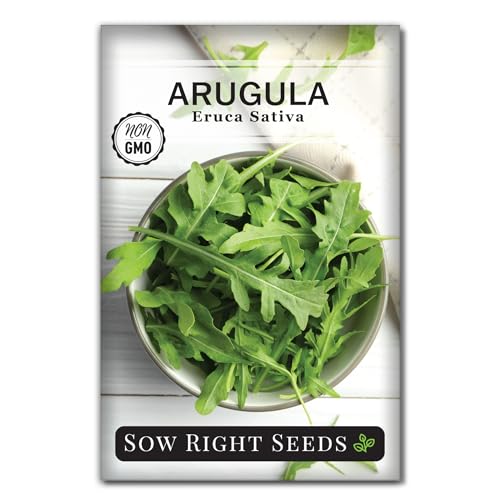
Sow Right Seeds Arugula Seed

Lush&Dew Zone 6 Survival Seed Kit

Lush&Dew Raised Bed 32-Variety Seed Bank
Taking A Closer Look At The Options
Eleven open-pollinated, heirloom vegetable varieties give this collection a manageable scope for a first garden or a compact backyard plot. The mix includes winter-oriented selections, which makes it useful for gardeners working through cooler parts of the growing season.
Resealable, moisture-resistant pouches add practical storage value compared with loose seed envelopes. For most beginners, the included growing instructions and compact selection offer a straightforward path without taking on the planning demands of a much larger assortment.
Everyday Perks
- Eleven varieties provide useful diversity without overwhelming a small garden.
- Non-GMO, open-pollinated heirloom seeds suit gardeners seeking traditional varieties.
- Resealable pouches help organize seeds and limit exposure to moisture.
- Step-by-step packet guidance helps new growers plan each sowing.
Things To Consider
- The assortment is smaller than the broad pouches in this list, so you will need another source for uncommon herbs and flowers.
Quick Facts
Made For
This kit best suits beginners, balcony growers, and anyone establishing a compact mixed vegetable bed.
Another Choice May Suit
Garden Pack 50-Variety Vegetable Herb Flower Seed Pouch serves larger gardens that need herbs and flowers alongside vegetables.
The breadth of this pouch changes the planning exercise. Its 50 varieties include 29 vegetables, 11 herbs, and 10 flowers, giving you enough options to build a mixed garden, spread plantings across seasons, or share smaller collections with other gardeners.
With more than 25,000 seeds and 99% seed purity stated in the product details, the pouch is suited to larger growing areas and repeated sowings. The pouch packaging also keeps many seed types together, though the variety count matters more than the container for most home gardens.
Useful Strengths
- Fifty varieties cover vegetables, culinary herbs, and flowers in one collection.
- More than 25,000 seeds support large beds and multiple plantings.
- The reported 99% purity gives you a useful measure of seed cleanliness.
- Coordinated packaging makes the collection easy to organize and share.
Worth Noting
- Fifty varieties require more space and planning than a crop-focused packet.
- Some included flowers and herbs may be outside the scope of a strictly edible kitchen garden.
Right Fit For
This collection best fits experienced home gardeners with space for mixed plantings and a preference for herbs and flowers.
Where A Sibling Pick Shines
NatureZ Edge 11-Variety Heirloom Survival Seed Kit is easier for beginners to organize into a small, manageable first garden.
A packet centered on one crop gives you a much more specific plan than the mixed seed collections. Black Beauty zucchini produces dark green summer squash with pale flesh, and the packet provides a harvest size of 6 to 8 inches long and roughly 2 inches across.
Its growing details are unusually helpful for a first zucchini bed. Germination takes 10 to 14 days in soil between 65 and 75 degrees Fahrenheit, followed by 50 to 60 days to maturity. You can expect a compact 1- to 2-foot plant, though its 3- to 4-foot spread still needs room.
Reasons It Performs
- A single crop simplifies spacing, succession planting, and harvest planning.
- The packet states clear depth, spacing, temperature, and maturity guidance.
- At least 3.5 grams, or about 30 seeds, gives you several sowing options.
- The fruit size guidance helps you recognize the preferred harvest stage.
Minor Gripes
- This packet offers no herb or flower diversity beyond zucchini.
- Zucchini plants need consistent harvesting, so a single packet suits gardeners ready to use the crop regularly.
At A Glance
Who Will Love This
This packet suits cooks and gardeners who want a reliable summer squash crop with clear planting and harvesting guidance.
Consider Something Else When
Sow Right Seeds Arugula Seed fits cooler-season salads and containers better than this heat-loving summer crop.
Arugula brings a different growing rhythm from the zucchini packet. This cool-season green germinates in 5 to 10 days above 60 degrees Fahrenheit, making it practical for spring or fall planting when summer heat can make leafy crops less reliable.
The small plant reaches about 1 foot tall with a 6- to 8-inch spread, so containers and compact beds are realistic choices. Full sun or partial shade also gives you flexibility in an apartment balcony or a partially shaded garden bed.
Noteworthy Benefits
- The small footprint suits pots, window boxes, and closely spaced beds.
- Fast germination gives container growers a quicker start on cool-season salads.
- At least 825 seeds support repeated harvests and several sowings.
- Partial shade offers more flexibility than crops requiring uninterrupted sun.
Soft Spots
- Its peppery flavor is a specific taste that may not suit every salad preference.
- The 50- to 60-day maturity period requires an early start in cooler climates.
The Right Fit
This packet fits apartment gardeners, salad makers, and cool-season growers seeking a compact crop for small spaces.
Swap It Out When
Sow Right Black Beauty Zucchini is the better match for gardeners wanting one substantial cooking crop rather than repeated salad greens.
Thirty-two varieties make this a much more substantial outdoor collection than the single-crop Sow Right packets. The mix includes vegetables, herbs, fruits, and flowers, with nightshades, cabbage, cucumber, spinach, lettuce, dill, cosmos, and sunflower among the named types.
For a home gardener building a dependable planting, the 30,000-plus seed count offers room for generous rows and successive crops. The Zone 6 label makes this collection especially relevant to growers in that climate, although your local frost dates still determine the sensible planting window.
Bright Spots
- Thirty-two varieties support a varied outdoor garden and long-term seed reserve.
- The collection includes useful vegetables, herbs, and pollinator-friendly flowers.
- More than 30,000 seeds suit gardeners with substantial bed space.
- USA-grown, non-GMO varieties suit traditional home-gardening priorities.
Practical Considerations
- The Zone 6 designation is the central clue, so gardeners in markedly different climates should compare local conditions first.
- A large mixed collection requires a planting map to keep crops from crowding one another.
Feature Snapshot
Built With In Mind
This kit suits Zone 6 gardeners, outdoor food growers, and families building a broad home seed reserve.
Reach For A Different Pick When
Garden Pack 50-Variety Vegetable Herb Flower Seed Pouch offers even more crop categories for gardeners without a Zone 6 focus.
This raised-bed collection shares the broad planting approach of the Zone 6 kit but presents itself more directly for organized bed growing. Its 32 varieties include vegetables, fruit, herbs, and flowers, with more than 30,000 open-pollinated, non-hybrid seeds in the collection.
The stated 90% germination rate and one-to-three-year viability period under cool, dry storage make careful packet organization especially useful. Unlike the Zone 6 kit, this option is not tied to one climate zone, so it may align more naturally with gardeners maintaining a general seed reserve.
The Case For It
- Thirty-two varieties provide a balanced mix for raised beds and annual rotations.
- Open-pollinated, non-hybrid seeds suit gardeners interested in traditional seed saving.
- Seeds without chemical treatments support crop-focused growing plans.
- A stated 90% germination rate gives you a clear expectation for seed quality.
Factors To Consider
- Thirty-two varieties still call for a planting plan and enough bed space.
- The stated storage life depends on keeping packets cool and dry.
Key Product Details
Whose Shelf It Belongs On
This collection suits raised-bed gardeners and home seed keepers who value broad varieties and organized long-term storage.
Look Elsewhere When
Lush&Dew Zone 6 Survival Seed Kit is the more focused option for gardeners organizing around Zone 6 planting conditions.
Matching Seeds to Your Garden and Growing Plan
Start With Space and Crop Count
A mixed seed pouch makes sense when you have several beds, containers, or enough room to rotate crops. A single-crop packet fits tighter plans better, especially for zucchini, which spreads 3 to 4 feet, or arugula, which stays close to 1 foot tall.
Count your usable containers before choosing a large collection. Seed packets can be stored for later seasons, but unused varieties still occupy shelf space, and their planting windows may not coincide.
Check the Growing Window
Match each crop to your local frost dates and seasonal temperatures. Arugula performs in cool weather, while zucchini needs warmer soil. Pay attention to maturity periods so faster and slower crops can be scheduled without one taking the bed far longer than expected.
Understand Seed Labeling
Heirloom seeds come from traditional plant lines, while open-pollinated seeds are produced through pollination that allows viable seed to be collected. Non-GMO means genetically modified seed is excluded from that product, but organic labeling follows a separate standard. A non-GMO or heirloom description alone does not confirm organic production methods.
Think About Storage Before Buying
Resealable, moisture-resistant packaging gives unused seeds a better chance of remaining viable. For a larger collection, keep packets labeled and sorted by crop and sowing season. Cool, dry storage also matters, particularly when the collection includes thousands of seeds across many varieties.
Practical Seed Buying Lessons
Mistakes Worth Dodging
Avoid choosing by variety count alone. Fifty tiny seed types can demand more planning than a smaller collection matched to your available space. Check maturity dates, plant spread, and storage needs before committing to a broad pouch.
What Separates Premium From Basic
Larger collections may provide more seeds, better organization, and clearer growing information. Those extras matter when you are planting raised beds or building a reserve, while a simple crop packet can be more economical for one well-planned row.
Frequently Asked Questions
Are Non-GMO Seeds the Same as Organic Seeds?
No. Non-GMO describes the absence of genetically modified seed, while organic labeling follows separate production and handling standards. Check the package for its specific growing-method claims.
Which Seed Packet Is Easiest for Containers?
Sow Right Seeds Arugula Seed is the strongest container fit because it grows about 1 foot tall with a 6- to 8-inch spread. A compact balcony garden can accommodate it more readily than a sprawling zucchini plant.
How Many Vegetable Varieties Are in the Garden Pack Pouch?
The pouch contains 50 varieties in total, including 29 vegetable varieties, 11 herb varieties, and 10 flower varieties. That range works well for mixed beds and succession planting.
Do These Seed Collections Include Growing Instructions?
NatureZ Edge packets include step-by-step growing guidance, and Sow Right Seeds packets also include instructions. The broad Garden Pack and Lush&Dew collections are better judged by crop range, quantity, organization, and storage details.
Which Collection Is Best for a Raised Bed?
Lush&Dew Raised Bed 32-Variety Seed Bank is designed around raised-bed planting and combines 32 varieties with more than 30,000 seeds. A smaller garden may find the 11-variety NatureZ Edge kit easier to manage.
Final Thoughts
The right seed collection depends on your bed space, preferred crops, and the amount of planning you want to manage. Broad pouches suit varied outdoor gardens, while crop-specific packets give you more control over spacing and harvest. Check the growing window, storage conditions, and label details before planting, then choose the collection that matches the garden you already have.
