

Container vegetables ask more from their growing medium than a few indoor flowers do. Roots need consistent moisture, enough air space, and a steady supply of nutrients without the mix becoming compacted after repeated watering. You also need a soil that suits your space, whether that means a handful of patio pots, a crowded balcony, or a group of raised containers.
The right choice depends on how you garden. A complete potting mix handles everyday planting, compost enriches an existing medium, coconut coir saves storage space, and targeted plant food supports vegetables already growing in containers. The six options below cover those distinct jobs, so you can match the material to the container rather than paying for features your setup will never use.
An Overview Of The Picks

FoxFarm Ocean Forest Potting Soil, 1.5 cu ft Pack of 2

Charlie’s Compost 10lb

Organic Plant Magic Compressed Organic Potting Soil

Verdana Coco Coir Potting Soil Brick
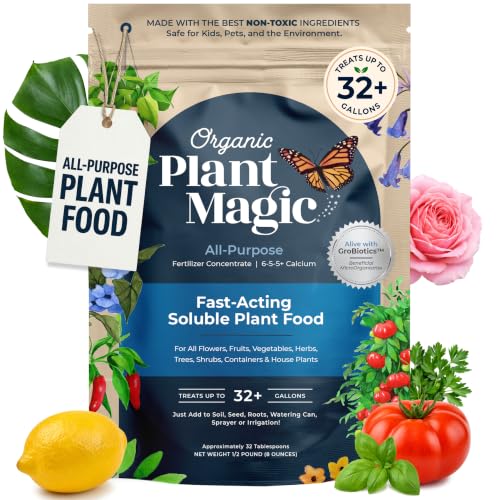
Organic Plant Magic Plant Food 1/2lb

Organic Plant Magic Slow Release Granules 4lb
A Breakdown Of The Leading Choices
A bag of ready-to-use mix removes the guesswork from filling tomato or pepper pots, particularly for gardeners building a first container setup. FoxFarm Ocean Forest combines earthworm castings with fish meal and crab meal in a light, aerated base designed for container plants.
For a busy balcony, that complete blend has more immediate convenience than a compressed brick that needs hydration and mixing. It suits tomatoes, herbs, leafy crops, and ornamental plants sharing the same watering routine, although the ingredient blend may not align with every dietary or gardening preference.
Features That Help
- Arrives ready for containers, saving you from blending separate base materials.
- The aerated structure supports frequent container watering better than a dense, compact medium.
- Earthworm castings and marine-derived meals provide organic matter and plant nutrients.
- One pack contains two soil bags, useful for filling several pots at once.
Things To Consider
- The marine-derived ingredients may not suit gardeners who avoid animal-derived inputs.
- Two bulk bags require storage space, which matters in a small potting shed or apartment.
At A Glance
Made For
This pick suits home gardeners who want a complete, low-fuss medium for several food plants and ornamental containers.
Consider Something Else When
Organic Plant Magic Compressed Organic Potting Soil suits you better when storage space is tight and you prefer to hydrate and portion the mix as needed.
Charlie’s Compost is an amendment, not a finished potting medium. That distinction makes it useful when your existing container mix has lost some richness or when you want to strengthen a homemade blend before adding it to pots and raised beds.
Its OMRI listing supports use in organic gardening, while the concentrated compost format gives you more control over how much you add. Gardeners already using a complete potting mix will probably use less of it than someone creating an entire growing medium from separate components.
Useful Highlights
- Adds organic matter and nutrients to an existing growing medium.
- The 10-pound bag suits repeated mixing for pots, raised beds, flowers, and vegetables.
- OMRI listing gives organic gardeners a documented product choice.
- Concentrated format lets you adjust the amendment rate for different mixes.
Trade Offs
- It cannot replace a complete soil mix by itself when filling an empty container.
- The 10-pound package still needs a dry place to store before mixing.
Right Fit For
Serious container gardeners will appreciate this compost when they regularly refresh tired mix or prepare custom blends for raised beds.
Another Choice May Suit
FoxFarm Ocean Forest Potting Soil is the better fit for gardeners who want one ready-to-use medium instead of an enrichment product.
Compressed granules offer a practical answer for gardeners whose storage space is nearly as valuable as their planting space. This Organic Plant Magic mix expands up to four times with water and produces as much as three gallons of medium from its compact form.
The coconut coir and worm casting blend works for indoor and outdoor containers, making it a flexible choice for herbs on a kitchen shelf and vegetables outside. You will need a separate vessel for hydration, but the result covers several pots without requiring permanent bulk storage.
Everyday Wins
- Compressed packaging keeps unused soil compact between projects.
- Hydration expands the granules to make up to three gallons of mix.
- Coir and worm castings provide a natural-based planting medium.
- The resealable bag helps protect remaining granules after hydration.
Small Caveats
- You need a separate container with enough room for the mix to expand.
- The concentrated feed included in the blend calls for careful measurement.
Quick Facts
Who Will Love This
Apartment gardeners and seasonal patio growers will value the compact package and its ability to produce several gallons of medium on demand.
Reach For A Different Pick When
Verdana Coco Coir Potting Soil Brick suits gardeners who need a much larger hydrated volume or want a straightforward coir base for custom mixes.
A 10-pound compressed brick can become 72 quarts, or 18 gallons, of coconut coir after hydration. That expansion makes it useful for seed starting, houseplants, raised beds, and a row of vegetable containers without keeping a large quantity of loose soil on hand.
Unlike a complete vegetable mix, this is a clean coir medium that can become the base of a custom blend. That flexibility appeals to gardeners who already know how they want to balance drainage, moisture retention, and fertility, although beginners may prefer a ready-mixed alternative.
Noteworthy Benefits
- One compressed brick provides a generous 18-gallon hydrated volume.
- Compact packaging eases storage before seed starting or bed preparation.
- Coir works for potting mixes, containers, raised beds, and houseplants.
- A peat-free base suits gardeners avoiding traditional peat moss.
Practical Considerations
- Coir is a base component rather than a complete vegetable potting mix.
- Hydrating the full brick requires a container or bed with ample space.
Feature Snapshot
Built With In Mind
This brick is built for gardeners who need substantial coir volume, flexible mixing, and compact storage before a sizable planting project.
Where A Sibling Pick Shines
Organic Plant Magic Compressed Organic Potting Soil is the better fit for a small setup that needs a ready-blended medium with worm castings in the formula.
A liquid feeding option works neatly into the watering routine of container vegetables, especially when you want one product for herbs, flowers, fruit plants, and houseplants. This water-soluble concentrate can make more than 32 gallons of liquid plant food from a single 1/2-pound package.
It makes more sense after your pots are planted than before. FoxFarm Ocean Forest and the compressed mixes handle the physical growing medium, while this fertilizer addresses feeding. The convenience is useful for routine maintenance, though the label’s dilution guidance should guide the application rate.
Notable Upsides
- One concentrated package makes more than 32 gallons of liquid feed.
- Water-soluble format fits neatly into regular container watering.
- The same product supports vegetables, flowers, herbs, fruit, trees, and houseplants.
- The small package takes up less storage space than a dry bulk fertilizer.
Worth Noting
- This is plant food, not a growing medium for filling containers.
- Accurate dilution and watering measurements are essential for a concentrated product.
Best Suited To
This fertilizer suits container gardeners who want a simple liquid feeding routine across several indoor and outdoor plant types.
Look Elsewhere When
Charlie’s Compost 10lb is the better fit when your main need is richer organic matter rather than a water-soluble nutrient feed.
Granular plant food offers a different feeding rhythm from a liquid concentrate. You can place these slow-release granules in a planting hole, mix them with soil, or spread them over the surface, which gives you flexibility as containers are planted and refreshed.
The four-pound package suits a substantial collection of vegetable containers, flowers, shrubs, fruit trees, and houseplants. Compared with Organic Plant Magic Plant Food 1/2lb, it is the practical option for gardeners who prefer top-dressing or mixing nutrients into a dry medium rather than preparing a liquid feed.
Benefits That Matter
- Granules can be mixed into soil, placed in planting holes, or applied as a top dressing.
- Slow-release granules suit both indoor and outdoor container collections.
- The four-pound bag covers vegetables, flowers, fruit trees, shrubs, and houseplants.
- Dry application avoids carrying and measuring liquid fertilizer.
Possible Compromises
- Application rate matters because the granules are concentrated plant food.
- Surface-applied granules still require careful placement around container plants.
Essential Details
The Right Fit
Gardeners with multiple containers will find this format useful when they want a versatile dry fertilizer for planting, mixing, and routine surface feeding.
Swap It Out When
Organic Plant Magic Plant Food 1/2lb suits you better when adding measured nutrition to your regular watering routine is more convenient.
What Matters Before You Fill Your Containers
Start with the planting stage
A complete potting medium handles the initial transition from nursery stock or seed to a productive container. FoxFarm Ocean Forest offers the most straightforward route, while the compressed Organic Plant Magic mix provides the same ready-blended approach in a smaller package. A product labeled primarily as compost or fertilizer serves a different stage of the process.
Check how you will store the medium
Loose soil requires considerably more room than compressed material. Verdana Coco Coir Potting Soil Brick makes sense for a garage shelf, utility room, or other dry storage area, while the two-bag FoxFarm pack calls for enough space to keep both bags accessible.
Match the medium to your mix
Compost enriches an existing blend, and coir supplies a base that can be customized. Those choices reward gardeners with a clear formula. A complete mix is more helpful when you want consistent results without calculating the ratio of several ingredients.
Account for container drainage and watering
Container soil needs air space as well as moisture. Heavy mixtures can restrict root growth, while very light media may need more frequent watering in warm or exposed locations. A free-draining container remains important, and a moisture-retentive pot may suit a coir-based mix better than an exposed clay container.
Match the fertilizer to your routine
Liquid concentrate is convenient when you already water on a schedule. Granular slow-release material suits dry application and flexible placement. In either case, measure according to the product directions, since concentrated feeding products punish careless application more than a general soil amendment does.
Common Garden Decisions to Get Right
Common Shopping Slip Ups
Choosing by the word “soil” alone can leave you with compost or fertilizer instead of a medium that can fill a pot. Match the product to the job: planting medium, amendment, or plant food. Also check storage volume before ordering, since compressed products save room only before hydration.
What Separates Premium From Basic
A richer blend may provide more organic matter and included nutrients than a simple coir base. The extra usefulness appears when you want a self-contained planting mix or fewer separate products. A basic coir or amendment can still be the sensible choice when you already manage fertility and prefer precise control.
Frequently Asked Questions
What is the best organic potting soil for container vegetables?
FoxFarm Ocean Forest Potting Soil is the most straightforward option for gardeners who want a light, aerated, ready-to-use blend. A complete medium reduces the need to combine separate ingredients before planting.
Can compost be used as container potting soil?
Charlie’s Compost works best as an amendment mixed with a suitable growing medium, not as the only material in an empty pot. It adds organic matter and nutrients while your base material supplies structure and drainage.
Is coconut coir good for vegetables in pots?
Coconut coir provides a lightweight, peat-free base for container mixes. Verdana Coco Coir Potting Soil Brick is especially useful when you want to hydrate a large volume at once or create your own blend for vegetables.
How much potting soil does one compressed brick make?
Verdana Coco Coir Potting Soil Brick expands to 72 quarts, or 18 gallons, when hydrated. Prepare a container with enough room for the coir to expand before adding water.
Should I add fertilizer to container vegetables?
Container vegetables can benefit from supplemental feeding because their roots occupy a limited volume of medium. Organic Plant Magic Plant Food 1/2lb suits regular liquid watering, while the slow-release granules fit dry mixing and top-dressing routines.
Final Verdict
FoxFarm Ocean Forest is the most direct choice for a complete container mix, while the compressed products solve storage and hydration problems. Charlie’s Compost and the two fertilizers belong later in the process, when you are improving or feeding a medium already in place. Match the product to the stage of your container garden, and your setup will be easier to maintain from the first planting.
