

A strawberry bed can look vigorous while still lacking the right balance of nutrients for steady fruit production. Gardeners growing in containers, raised beds, or mixed berry patches need to match the fertilizer to the plant, soil conditions, and whether they want a complete food, soil amendment, or supplemental nutrient.
The six options below serve different roles. Some feed berry plants directly, while others improve soil, support flowering, or provide a concentrated additive alongside another fertilizer.
How The Shortlist Stacks Up

Espoma Berry Tone 4-3-4

VPS FlaVUH 4X 4-0-4

Espoma Organic Earthworm Castings 4 qt Bag

Smart Grower Sea-Kelp 2 oz Powder

Espoma Organic Bone Meal 4-12-0, Two 4 lb Bags
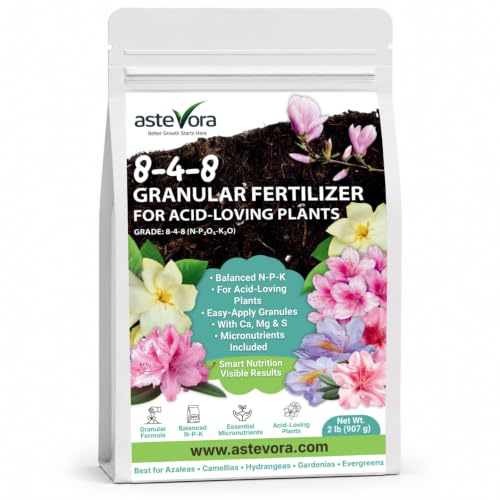
GARDENWISE 8-4-8 Acidic Fertilizer, 1 Quart
The Strengths Of Each Pick
Strawberries, blueberries, raspberries, and blackberries all benefit from a fertilizer formulated for berries rather than a general lawn feed. Espoma Berry Tone 4-3-4 is the most direct fit here, with a balanced nutrient profile made from natural and organic ingredients.
For a raised bed filled mainly with strawberries, that focused purpose makes application decisions easier. Gardeners managing several berry types together also gain a single product suited to the entire planting.
A Favorable Mix
- The 4-3-4 formula supplies nitrogen, phosphorus, and potassium for general berry growth.
- Strawberries are explicitly included among the supported plants.
- Five percent sulfur supports a complete berry-focused nutrient blend.
- Four pounds cover repeated feeding in a home garden or berry patch.
- The ingredient profile avoids sludges and toxic additives.
Things To Consider
- Its berry focus is narrower than the broad plant coverage offered by earthworm castings.
- Existing soil conditions should guide how much you apply during the growing season.
Key Specs
Who It Suits Best
Dedicated strawberry growers and mixed-berry gardeners want a straightforward, berry-specific food for beds or containers.
Look Elsewhere When
Espoma Organic Earthworm Castings suit gardeners who prioritize building potting soil rather than selecting a complete berry feed.
Unlike a complete berry food, VPS FlaVUH 4X 4-0-4 works as an amino-acid additive derived from organic oyster shells. Its 4-0-4 analysis provides nitrogen and potassium but no phosphorus, so it belongs alongside a balanced fertilizer rather than replacing one entirely.
This makes more sense for experienced growers who already understand their soil and fertilizer program. The concentrate format also offers a larger one-quart quantity than the small seaweed pouch later on this list.
Standout Benefits
- Amino-acid monomers and polymers support nutrient-use functions in flowering plants and vegetables.
- Oyster-shell derivation gives it a distinct mineral-based identity.
- The one-quart container suits growers treating several plants or a substantial bed.
Points To Note
- Its 4-0-4 analysis is not a complete NPK balance for strawberries.
- The product is an additive, so a separate complete food remains necessary.
- Its specialized use rewards gardeners who already follow a planned feeding schedule.
At A Glance
Built With In Mind
Experienced organic growers appreciate a specialized additive for flowering crops who already manage complete nutrition separately.
Consider Something Else When
Espoma Berry Tone 4-3-4 is a better fit for strawberry beds that need one direct, balanced berry fertilizer.
Container strawberries often suffer more from tired potting mix than from a shortage of fertilizer. Espoma Organic Earthworm Castings provide a soil-building option, and their filler-free composition makes them appealing for gardeners who want a simple amendment across many plant types.
The castings can support strawberries alongside vegetables, flowers, shrubs, trees, and houseplants. In a large mixed bed, that broad use may matter more than the berry-specific formulation offered by Berry Tone.
Advantages To Know
- Composed entirely of castings without added fillers.
- Works with indoor and outdoor plants, including strawberries and vegetables.
- Supports soil structure as well as plant growth.
- The four-quart bag suits raised beds, containers, and mixed plantings.
Small Caveats
- It functions as a soil conditioner, so a concentrated berry feed may still be useful in nutrient-poor soil.
Feature Snapshot
Made For
Container and raised-bed gardeners want a filler-free soil conditioner for strawberries and a wider collection of plants.
Where A Sibling Pick Shines
Espoma Berry Tone 4-3-4 offers the better route for gardeners seeking direct strawberry nutrition without a soil-building focus.
Smart Grower Sea-Kelp is built for gardeners who want a concentrated seaweed supplement across a large collection of plants. The two-ounce pouch can prepare up to 50 gallons of water, giving it a different scale and application style from the ready-to-apply berry products.
Its 0-0-18 analysis means it supplies no nitrogen or phosphorus, with potassium as the primary nutrient. That makes it most useful alongside a complete fertilizer, particularly in a mixed garden where you also maintain fruit, vegetables, and ornamentals.
Where It Delivers
- Uses organic seaweed harvested in Maine.
- Contains the seaweed species Ascophyllum nodosum.
- Provides naturally derived polymers such as fucoidan, alginate, and tannins.
- A two-ounce pouch prepares as much as 50 gallons of solution.
Worth Noting
- It lacks nitrogen and phosphorus, so it should not serve as the garden’s only feed.
- Making your own solution takes more preparation than applying castings directly to soil.
Quick Facts
The Right Fit
Large-garden growers managing many plants want a scalable seaweed supplement alongside their regular fertilizer.
Another Choice May Suit
Espoma Organic Earthworm Castings suit gardeners who prefer direct soil application without preparing a liquid feed.
Espoma Organic Bone Meal is primarily positioned for bulbs and flowering plants, including crops such as strawberries that flower before setting fruit. Its 4-12-0 analysis provides nitrogen and phosphorus, but the 12 percent phosphorus level makes it a targeted choice rather than a balanced everyday strawberry food.
The package includes two four-pound bags, which adds convenience for seasonal feeding or a garden containing several flowering crops. For a dedicated strawberry bed, the berry-specific formula remains the clearer choice.
What It Does Well
- Provides a natural-source option for nitrogen and phosphorus.
- Two four-pound bags provide useful quantity for multiple flowering plants.
Possible Compromises
- Its 4-12-0 analysis does not include potassium for balanced nutrition.
- It is labeled for bulbs and flowering plants rather than strawberries directly.
- Container strawberries with limited soil volume may be better served by a berry-specific feed.
Who Will Love This
Gardeners tending a mixed collection of bulbs and flowering plants want one natural-source fertilizer for multiple crops.
Reach For A Different Pick When
Espoma Berry Tone 4-3-4 is the better option for strawberry beds that need nitrogen, phosphorus, and potassium in one formula.
GARDENWISE 8-4-8 targets acid-loving plants, including blueberries, azaleas, camellias, hydrangeas, gardenias, magnolias, evergreens, and rhododendrons. That makes it a natural companion for mixed berry beds where strawberries share space with blueberries rather than growing alone.
The formula includes magnesium, iron, and manganese alongside its 8-4-8 nutrient balance. For most mixed plantings, that combination is more closely aligned with acid-preferring plants than the oyster-shell and seaweed options elsewhere in this list.
The Upside
- Supports a broad collection of acid-loving plants.
- Blueberries are among the explicitly listed crops.
- Iron contributes to nutrition for plants associated with acidic soils.
- Magnesium and manganese supplement the primary NPK analysis.
- The balanced 8-4-8 profile includes all three primary nutrients.
Details To Watch
- Strawberries are not named among the target plants, so this is less direct than Berry Tone.
- The one-quart format is smaller than the one-quart additive container from Ventana Plant Science.
Essential Details
Best Suited To
Mixed-berry gardeners growing blueberries alongside strawberries value a fertilizer formulated for several acid-loving plants.
Swap It Out When
Espoma Berry Tone 4-3-4 is a better fit for a planting made up primarily of strawberries and other berries.
What Matters Before You Feed Your Strawberries
Match The Product To The Job
A complete fertilizer supplies primary nutrients, usually identified by an NPK analysis. Berry Tone 4-3-4 covers all three, while Sea-Kelp 0-0-18 and Bone Meal 4-12-0 serve more specialized roles. Check the label before adding either to a strawberry bed.
Separate Food From Soil Improvement
Earthworm castings act mainly as a soil conditioner. They may help container soil remain workable, but their role differs from concentrated plant food. Gardeners with depleted potting mix can use castings as a soil-building layer, then assess whether a berry-specific fertilizer is still needed.
Account For The Whole Planting
A raised bed of strawberries has different needs from a row shared with blueberries and acidic shrubs. GARDENWISE 8-4-8 becomes more relevant in the second situation because its plant list includes several acid-preferring crops. Berry Tone makes more sense when strawberries dominate the planting.
Read The Ratio Before The Package
Fertilizer numbers represent nitrogen, phosphorus, and potassium. The order matters because a 4-3-4 food is not interchangeable with a 4-0-4 additive or a 0-0-18 seaweed supplement. Matching the ratio to the crop and avoiding unnecessary double-feeding makes the program easier to manage.
Mistakes Worth Dodging
Many shopping errors come from treating every fertilizer as interchangeable. A seaweed supplement with no nitrogen or phosphorus cannot replace complete berry food, and a soil conditioner has a different job from a concentrated nutrient blend. Another common mistake is selecting an acid-loving plant formula for a bed containing only strawberries. Compare the labeled crops and NPK ratio before buying.
What The Higher Tier Buys
A higher-priced option may offer a larger container, a multi-bag pack, or a more specialized nutrient profile. The upgrade matters when you treat several beds, want a berry-specific formula, or need a concentrated additive alongside another complete feed. For a single small planter, a smaller soil amendment may offer better control and simpler storage.
Frequently Asked Questions
Which Organic Fertilizer Is Best For Strawberry Plants?
Espoma Berry Tone 4-3-4 is the most direct choice because strawberries are specifically listed and it provides nitrogen, phosphorus, and potassium. Your soil condition and whether you also need a soil amendment also shape the decision.
Can Earthworm Castings Replace Fertilizer For Strawberries?
Earthworm castings work as a soil conditioner, but they do not necessarily provide the same concentrated nutrition as a complete fertilizer. Some gardeners use them alongside a berry-specific food, especially in containers or depleted soil.
Is Sea-Kelp Fertilizer A Complete Food For Strawberries?
Smart Grower Sea-Kelp is not a complete food because its 0-0-18 analysis contains no nitrogen or phosphorus. It works best as a potassium-focused supplement alongside a balanced fertilizer.
Does Bone Meal Help Flowering Plants Such As Strawberries?
Bone Meal provides nitrogen and phosphorus, making it relevant to flowering plants, including strawberry plants that bloom before producing fruit. Its higher phosphorus ratio makes it less balanced than Berry Tone for an entire strawberry bed.
Is Acidic Fertilizer Necessary For Strawberries?
Strawberries generally grow well in slightly acidic soil, but an acid-loving formula is not automatically the most balanced choice. GARDENWISE 8-4-8 fits mixed plantings containing blueberries and other acid-preferring plants, while Berry Tone targets berries more directly.
Wrap Up
The strongest all-around match for strawberry beds is Espoma Berry Tone 4-3-4, while earthworm castings serve gardeners focused on soil quality. Sea-Kelp, Bone Meal, FlaVUH, and GARDENWISE each make more sense for particular plant combinations or feeding programs. Match the fertilizer’s job, crop list, and nutrient ratio to your actual patch.
