

A flower bed can look healthy above the soil while still lacking the nutrients needed for steady blooms. The right organic fertilizer for flowers depends on your plants, soil, and appetite for routine care, particularly whether you prefer slow-release granules, soil-building castings, or a concentrated flower booster. NPK describes the balance of nitrogen, phosphorus, and potassium, the three primary nutrients used to support foliage, roots, and flowering. Consider these six options for roses, mixed beds, raised gardens, and container plants.
An Overview Of The Picks

Osmocote Slow Release Plant Food 4 Months

BUILD A SOIL Premium Organic Earthworm Castings for Plants, 2 Gallons
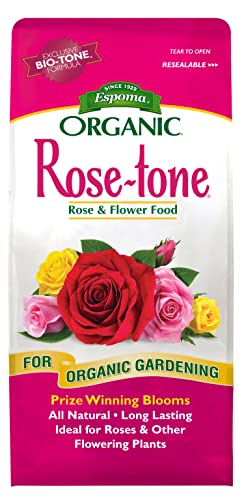
Espoma Organic Rose-Tone 4-3-2 Fertilizer, 4 lb. Pack of 2

Down To Earth Bio-Fish 7-7-2

Smart Grower Sea-Kelp 2 oz
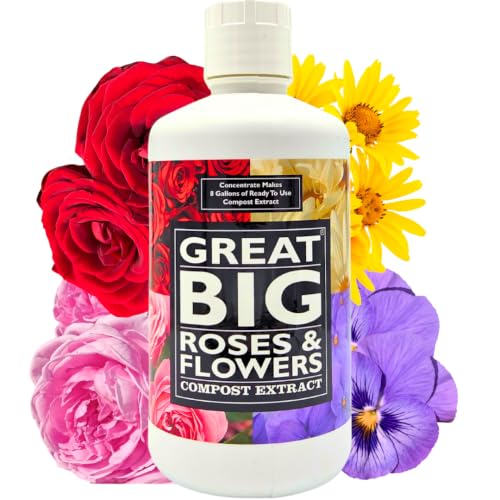
Great Big Roses Booster 32 oz
Inside Each Recommended Option
You avoid repeated feedings when your flower bed contains annuals, perennials, or vegetables with similar nutrient needs. Osmocote releases nutrients gradually, meaning the plant receives smaller amounts over time instead of one concentrated dose. For most mixed beds, that four-month schedule makes the product attractive to anyone who wants fewer trips to the shed.
The 14-14-14 analysis provides equal amounts of nitrogen, phosphorus, and potassium, making it more general than rose-specific. You apply it around plants and water thoroughly so it moves into the soil. One thing worth considering is that this is presented as slow-release plant food rather than an organic-input product, so you may prefer one of the organic castings or feeds listed later for a garden built around that approach.
Everyday Advantages
- Up to four months of feeding reduces application frequency.
- The balanced ratio suits mixed flowers and vegetables.
- Soil application and thorough watering keep the process straightforward.
- Two 2 lb canisters cover several beds or containers.
Practical Considerations
- The general 14-14-14 formula is less targeted than rose-specific nutrition.
- You need to water after application so nutrients reach the root area.
Key Specs
Who It Suits Best
You benefit most from this option when you maintain a varied flower-and-vegetable bed and prefer one measured application per feeding cycle.
Consider Something Else When
Espoma Organic Rose-Tone suits you better when roses and other flowering shrubs need a more targeted nutrient ratio.
You get a different gardening approach with worm castings, which are organic earthworm waste collected as a soil-conditioning material. Unlike Osmocote’s timed granules, these castings blend into growing media and raised beds. That makes them useful when you want to improve the growing medium around annuals, perennials, or vegetables rather than rely on a fixed nutrient schedule.
The two-gallon volume gives you enough material to distribute across a meaningful area, depending on the size of your bed and how you incorporate it. You can also use them in containers and outdoor gardens. The honest read is that castings are the most soil-centered option here, so your flowers may still need a fertilizer selected for their particular nutrient requirements.
Reasons It Performs
- Organic worm castings suit beds, containers, and raised gardens.
- The material works as a soil amendment rather than a concentrated feed.
- Two gallons suit ongoing garden preparation and multiple containers.
Trade Offs
- You need to work the castings into the soil or growing medium.
- The two-gallon package takes more storage space than a small concentrate.
The Right Fit
You gain the most from these castings when building healthy soil in raised beds or mixing a soil-building component into container plantings.
A Better Fit Elsewhere
Down To Earth Bio-Fish gives you a clearer nutrient ratio when you prefer a defined 7-7-2 feed alongside your soil-building routine.
You get a more focused fit when roses occupy a large part of your garden. Rose-Tone uses a 4-3-2 analysis, giving you less nitrogen and more potassium than Osmocote’s equal 14-14-14 blend. The formula is designed for roses, including climbing roses and knockouts, along with several other flowering plants.
Its organic ingredients and Bio-tone blend are paired with 5% calcium, a mineral involved in plant structure. You can use it around viburnum, bougainvillea, and clematis as well, so it works beyond a formal rose bed. For a mixed border dominated by leafy plants, the more specific ratio may not be the right fit.
The Upside
- The 4-3-2 analysis supports rose and flowering-plant needs.
- It suits climbers, knockouts, viburnum, bougainvillea, and clematis.
- Calcium adds a mineral benefit beyond the basic NPK ratio.
- Two 4 lb bags suit larger rose collections.
Some Limits To Know
- It is less balanced for beds dominated by heavy foliage feeders.
- Its plant list is more specific than a general-purpose fertilizer.
Feature Snapshot
Built With In Mind
You get the most benefit when your garden centers on roses or includes several of the listed flowering shrubs and vines.
Reach For A Different Pick When
Great Big Roses Booster fits you better when you want to complement an existing rose-feeding routine with a root-zone booster.
You get a broad-purpose option from a fertilizer built around fish meal and fish bone meal. Its 7-7-2 analysis balances nitrogen and phosphorus, which supports foliage and root development, while potassium contributes to resilience and bloom support. Compared with Espoma’s rose-oriented 4-3-2 formula, this ratio feels more suitable for a varied garden where flowers share space with vegetables.
OMRI-listed for organic use, Bio-Fish also gives you a clear fit for organic gardening systems. You can use it in flower beds or food gardens, according to the plant’s needs and the label directions. In our view, the marine-based ingredients are the main distinction, so you should consider whether that fertilizer profile suits your soil and routine.
What Works In Its Favor
- The 7-7-2 ratio serves mixed flowers and vegetables.
- Fish meal and fish bone meal provide a marine-based nutrient profile.
- OMRI listing supports use in organic gardening systems.
- The five-pound bag suits established beds and food gardens.
Points To Note
- Its balanced ratio is less focused on roses than Espoma Rose-Tone.
- Marine-based ingredients may not align with every soil-building preference.
Core Details
Who Should Grab It
You benefit most when you want one balanced organic option for both flowers and food plants in the same garden.
Where A Sibling Pick Shines
BUILD A SOIL Premium Organic Earthworm Castings suit you better when your priority is amending the soil itself alongside your feeding routine.
You get a compact option when storage space matters or you want to make a large batch of diluted feed. This sea-kelp powder comes from Maine-grown Ascophyllum nodosum and provides soluble potash, a potassium source. The 0-0-18 analysis means it focuses on potassium rather than supplying a balanced amount of nitrogen and phosphorus.
Two ounces make up to 50 gallons of diluted solution, giving you a high-volume concentrate for indoor and outdoor plants. The seaweed also contains natural polymers such as fucoidan, alginate, and tannins, with the product positioned to support nutrient uptake. You may find it most useful alongside a balanced feed, particularly for plants grown in containers or beds that already have suitable soil nutrition.
Why It Works Well
- The 0-0-18 analysis supplies potassium for plant and bloom support.
- A two-ounce pouch produces a large batch of diluted feed.
- Seaweed polymers support the product’s nutrient-uptake role.
- One formula works indoors and outdoors.
Less Ideal Details
- It does not provide a balanced amount of all three primary nutrients.
- You need to dilute the concentrate correctly before applying it.
Made For
You benefit most when you maintain many containers or want one compact potassium-focused product for indoor and outdoor flowers.
Another Choice May Suit
Down To Earth Bio-Fish suits you better when you want a balanced 7-7-2 fertilizer instead of a potassium-focused supplement.
You add a different kind of support with this flower-garden booster. It moves into the root zone, where it helps activate nutrients already present in garden soil. That approach differs from Espoma Rose-Tone and Down To Earth Bio-Fish, which provide their own nutrient analysis. You can apply the booster around rose bushes, hydrangeas, citrus trees, and other garden plants.
The 32-ounce package gives you a dedicated option for rose and flower gardens. Because it works alongside existing soil nutrients and fertilizer, it fits best in a routine that already includes appropriate plant food. In our view, that distinction matters: you gain a complementary product rather than another bag of general-purpose granules.
Practical Pluses
- Root-zone delivery supports garden soil nutrients.
- The formula suits roses, hydrangeas, citrus, and other plants.
- The 32-ounce size serves a dedicated flower garden.
Possible Compromises
- It works best alongside an appropriate base fertilizer.
- The garden-wide plant list requires you to confirm the label’s directions.
At A Glance
Best Suited To
You benefit most when you maintain roses or mixed flower gardens and already follow a regular soil-feeding routine.
Look Elsewhere When
Espoma Organic Rose-Tone fits you better when you want a standalone organic fertilizer with a defined 4-3-2 nutrient analysis.
Matching Nutrients to Flower Gardens
Start With the Plant
You need to identify the plants sharing the bed before choosing a formula. Roses and flowering shrubs often suit a more potassium-focused ratio, while leafy annuals may respond well to stronger nitrogen. Mixed gardens can use a balanced option, but you still need to account for the plants that dominate the space.
Read the Nutrient Ratio
You get more from a fertilizer when you understand its NPK numbers. Equal numbers offer balanced nutrition, while a lower nitrogen ratio usually reflects a stronger emphasis on flowers and roots. You should also look for secondary ingredients, such as the calcium in Espoma Rose-Tone, when your soil and plants have specific needs.
Match the Format to Your Routine
Granular slow-release food suits gardeners who want fewer applications. Castings work through soil mixing and are better for ongoing soil improvement. Concentrated seaweed fits high-volume dilution routines, while a root-zone booster complements an existing feeding plan.
Getting the Most From Flower Food
Common Shopping Slip Ups
You can create problems by selecting fertilizer based only on the word “bloom.” A high-potassium product may suit roses without meeting every need of a mixed bed. Always compare the plant list, nutrient analysis, application method, and container size before purchasing.
What The Higher Tier Buys
Higher-tier products may offer more specialized plant coverage, organic sourcing, or convenient formats that reduce mixing and storage. You gain value from those features when your garden justifies the added specificity. For a small herb-and-flower bed, a basic balanced option may be more practical.
Frequently Asked Questions
Is slow-release fertilizer suitable for flowers?
Yes, slow-release fertilizer suits flowers when its nutrient analysis matches the plants and the label directions are followed. It can reduce application frequency during the stated feeding period.
Can rose fertilizer be used on other flowers?
You can use Espoma Rose-Tone on viburnum, bougainvillea, clematis, and climbing roses in addition to other rose types. Check the product label before applying it to unrelated plants.
Are worm castings a complete fertilizer?
Worm castings work best as a soil-conditioning addition alongside nutrition selected for your plants. You can work them into beds, raised beds, and container growing media.
How much Smart Grower Sea-Kelp makes?
The two-ounce pouch makes up to 50 gallons of diluted solution. You should follow the label’s mixing directions for the plants and application you choose.
How often should you fertilize flowers?
Your flowering plants, soil, and product’s feeding schedule determine the right frequency. Slow-release products can last up to four months, while concentrated or supplemental products require their own application directions.
The Takeaway
Your best choice depends on the garden: Osmocote simplifies mixed-bed feeding, BUILD A SOIL emphasizes organic soil improvement, and Espoma offers specific rose nutrition. Down To Earth balances flowers and food plants, Smart Grower handles concentrated seaweed feeding, and Great Big Roses complements an established flower-garden routine. Match the formula to your plants, then follow the product directions carefully.
