

Corn can look easy to grow until the plants begin forming tall stalks without sturdy green foliage. The right fertilizer supports early vegetative growth, strengthens roots, and gives your soil a better foundation, but compost worms, concentrated nutrients, and seaweed each solve different parts of that challenge. These options suit backyard plots, containers, and growers who want a specific approach to soil and nutrient management.
The Leading Options At A Glance

Uncle Jim’s Super Red European Nightcrawlers, 100 Count for Garden Soil

RAW Nitrogen Fertilizer, Water Soluble, 2 oz
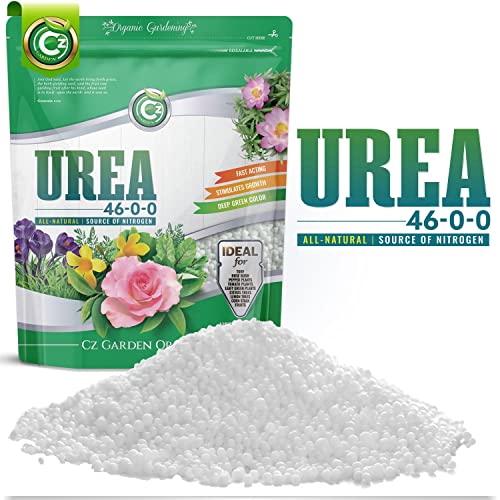
Cz Garden Supply 46-0-0 Urea Fertilizer, 5LB Made in USA Plant Food

Smart Grower Sea-Kelp Fertilizer, 2 oz, 50 Gallons

True Organic Blood Meal High-Nitrogen Fertilizer, 3lb Bag

Uncle Jim’s 100 Count Red Wiggler Composting Worms Mix for Garden Soil
The Picks, Examined More Closely
These larger European nightcrawlers suit a compost setup with enough depth for worms to move through multiple layers. Their size and mixed earthworm population can help process buried food scraps more thoroughly than a small group of surface-active worms, particularly in a busy backyard bin.
The payoff arrives indirectly as corn grows in finished castings and improved soil structure. You create a long-term fertility source rather than applying a concentrated feed at planting, so this choice works best for gardeners who already have room to manage a worm bin.
Practical Pluses
- Worms measure two to five times larger than standard red worms, giving them more reach through compost layers.
- Burrowing channels help water and nutrients move toward plant roots in the surrounding soil.
- The 100-count pack supplies enough animals for establishing an active home compost system.
- Food scraps become castings instead of being discarded, supporting a practical recycling routine.
Things To Consider
- This is a composting solution, not an immediate fertilizer for a corn row, so you need time and space to produce castings.
- Container depth, moisture, bedding, and suitable food scraps all affect how successfully the worms establish themselves.
Key Specs
Made For
You are building a deeper home compost system and want long-term soil enrichment for corn and nearby vegetables.
Another Choice May Suit
True Organic Blood Meal suits you more when you need a direct, nitrogen-focused fertilizer rather than a managed worm population.
Unlike compost worms, which improve soil gradually, this water-soluble feed gives you a direct way to manage nitrogen. Its 20% ammonium nitrogen concentration supports leaves and stems, making it relevant during the vegetative stage when corn needs steady green growth.
You can dissolve it for soil, raised beds, containers, hydroponics, or foliar feeding. That flexibility makes the 2-ounce pouch practical for home growers who already follow a nutrient schedule and want more control than a general-purpose bag provides.
Key Advantages
- Twenty-percent ammonium nitrogen provides a concentrated nitrogen source for active vegetative growth.
- Water solubility allows even distribution through soil and irrigation systems.
- Works with raised beds, containers, indoor gardens, outdoor plots, and hydroponic setups.
- The small pouch suits gardeners who mix nutrients precisely rather than treating an entire large bed at once.
Trade Offs
- Nitrogen is only one part of plant nutrition, so relying on this feed alone can leave other nutrients unaddressed.
- Concentrated nutrients require accurate measuring and dilution to avoid overfeeding.
- This mineral nutrient approach differs from the soil-building benefits of compost worms or blood meal.
Right Fit For
You manage a container, hydroponic setup, or custom feeding schedule and need precise control of nitrogen during corn’s leafy growth.
Look Elsewhere When
Uncle Jim’s Super Red European Nightcrawlers suit you better when building healthy soil through composting matters more than scheduled nutrient delivery.
The 46-0-0 label means the product supplies nitrogen with no stated phosphorus or potassium. Compared with RAW Nitrogen, this is a much larger, mineral-style fertilizer package intended for gardeners who want a substantial nitrogen supply for corn, lettuce, lawns, and other leafy growth.
Water-soluble prills dissolve for feeding, while the resealable pouch keeps unused granules contained. For a large plot, the 5-pound format may be more practical than carrying several small nutrient containers, although it offers less flexibility for tightly measured feeding.
Standout Benefits
- The high-nitrogen formula directly supports the vigorous leaf and stem growth corn develops early in the season.
- Soluble granules fit irrigation, container watering, and conventional soil-feeding routines.
- A 5-pound pouch gives you enough material for larger garden areas and repeated applications.
- The resealable design makes pouring and storage straightforward.
- The formula can also serve as a tie-dye and batik dye fixative.
Points To Keep In Mind
- High-nitrogen fertilizer can damage tender roots when it is applied too close to plants or in excessive amounts.
- This mineral fertilizer differs from organic materials such as blood meal and worm castings.
At A Glance
Who Will Love This
You maintain a sizable vegetable plot or lawn and prefer a straightforward, high-nitrogen fertilizer with familiar NPK notation.
A Better Fit Elsewhere
RAW Nitrogen Fertilizer suits you better when a small, water-soluble portion is enough and you prefer to adjust nutrient recipes closely.
This seaweed fertilizer takes a different approach from the nitrogen-heavy picks before it. Its 0-0-18 analysis centers on soluble potash, a nutrient associated with root development and plant stress responses, so it works best as part of a broader corn feeding plan.
The 2-ounce pouch makes up to 50 gallons of solution, giving you useful capacity for repeated indoor or outdoor feeding. Depending on your soil and corn’s stage, you may pair it with a nitrogen source rather than treating it as the only fertilizer your plot receives.
What Pays Off
- The concentrate produces up to 50 gallons of liquid fertilizer from 2 ounces.
- Seaweed harvested in Maine provides an organic plant-feeding material for indoor and outdoor gardens.
- The 0-0-18 analysis adds soluble potash rather than duplicating the nitrogen focus of the preceding picks.
- A powder format makes storage and preparation straightforward.
Less Ideal Details
- The formula does not supply nitrogen, so it cannot replace an early nitrogen source for corn’s vegetative growth.
- You need a measuring process and even mixing to distribute the diluted concentrate consistently.
Feature Snapshot
Best Suited To
You want an organic seaweed feed centered on potash and already have another method for meeting corn’s early nitrogen needs.
Consider Something Else When
True Organic Blood Meal suits you better when your main requirement is an organic nitrogen source for rapid corn growth.
Blood meal fills the gap between mineral feeds and worm-based soil improvement. This organic, nitrogen-rich material is designed for heavy-feeding crops, and corn is specifically included among the plants suited to its purpose.
The 3-pound bag covers 104 square feet, making the amount easy to relate to a garden bed before you buy. You can use it in the ground or in containers, so it fits backyard plots and space-limited corn plantings without tying you to a particular application system.
The Helpful Details
- The organic formulation supplies nitrogen for the rapid vegetative growth corn needs early in the season.
- The stated coverage of 104 square feet helps you estimate the amount required for your bed.
- Blood meal works for both in-ground soil and container plants.
- It also suits spinach, broccoli, leafy greens, and other nitrogen-responsive vegetables.
Honest Caveats
- Blood meal supplies mostly nitrogen, so a complete feeding plan may still need other nutrients.
- Excessive application can injure plants, making careful measurement and label directions important.
- Unlike compost worms, it does not create a managed compost system or improve soil structure through worm activity.
The Right Fit
You want a straightforward organic nitrogen fertilizer for corn and other leafy crops in either a bed or container.
Where A Sibling Pick Shines
Smart Grower Sea-Kelp Fertilizer suits you better when your priority is potash and seaweed-based feeding rather than a high-nitrogen organic material.
Red Wiggler compost worms offer a more familiar starting point than the larger Super Red nightcrawlers. The pack can support a household bin where food scraps become castings, giving your corn bed improved soil material without a scheduled liquid feed.
The earthworm mix works through several compost layers, and its castings are described as substantially richer in phosphates, nitrogen, and potash than average lawn soil. You gain those benefits after the worms process the material, so timing your compost application around planting matters.
What It Does Well
- Red Wiggler worms process food scraps through multiple levels of a compost pile.
- The 100-count mix provides a practical starting population for a home bin.
- Compost worms also work as fishing bait, adding another use beyond the garden.
- Finished castings support nutrient movement and healthier garden soil over time.
Some Limits To Know
- You need to maintain the bin before the worms can produce useful castings.
- Corn planted into an unfinished bin will not receive the full soil benefit immediately.
Quick Facts
Built With In Mind
You are starting a household compost bin and want to build fertile garden soil for corn over an entire growing season.
Swap It Out When
Uncle Jim’s Super Red European Nightcrawlers suit you better when your bin is deep and you want larger worms working through several compost layers.
What Matters Before Planting Corn
Match the Nutrient to the Growth Stage
Corn’s early leafy growth depends heavily on nitrogen. A high-nitrogen option such as True Organic Blood Meal suits that stage, while RAW Nitrogen gives you more control over soluble feeding. Soil tests and prior crop history remain more useful than general fertilizer assumptions.
Separate Soil Building From Plant Feeding
Worms improve the growing medium over time. Their castings and tunneling support soil structure, but they do not replace a planned nutrient program for a new corn row. Use compost when long-term fertility is your priority, then add a targeted feed where the planting conditions call for it.
Check the Complete Feeding Picture
An NPK label shows the relative amounts of nitrogen, phosphorus, and potassium in a fertilizer. Sea-kelp with a 0-0-18 analysis adds potash but no nitrogen, so it belongs alongside another source during early vegetative growth.
Two Corn Fertilizer Details Worth Checking
Mistakes Worth Dodging
Avoid choosing a fertilizer solely by the word “organic.” Check its nutrient analysis, application method, and coverage. A material may improve soil over time without supplying enough immediately available nutrition for new corn.
What Separates Premium From Basic
Concentrated products can reduce storage and mixing volume, while larger bags may suit broad garden coverage. The worthwhile upgrade depends on your plot size and feeding method, not simply on the package or ingredient list.
Frequently Asked Questions
Is organic fertilizer better for corn?
Organic fertilizer can support soil biology and gradual nutrient release, but corn still needs appropriate nitrogen for early growth. The best choice depends on your soil, timing, and preferred application method.
Can blood meal be used on corn?
Yes. Blood meal is an organic, nitrogen-rich fertilizer designed for heavy-feeding crops such as corn. Apply it according to the product directions and avoid excessive amounts near plant roots.
Is seaweed fertilizer enough for corn?
Seaweed fertilizer is primarily a potash source in this 0-0-18 formula. Corn usually needs additional nitrogen during early vegetative growth, so pairing it with a suitable nitrogen source can make more sense.
Are composting worms fertilizer for corn?
Composting worms create nutrient-rich castings and improve soil structure over time. You can incorporate finished compost before planting, but a new bin may not produce enough material immediately.
Should I use liquid or dry fertilizer for corn?
Dry fertilizer suits routine soil-side feeding, while water-soluble products allow precise dilution and application through irrigation. Choose based on your setup and follow the labeled rates for either format.
Final Verdict
True Organic Blood Meal offers the clearest match for gardeners seeking direct organic nitrogen for corn, while RAW Nitrogen suits those who want precise control over feeding. Compost worms serve a different purpose, building better soil for later seasons rather than supplying an immediate corn feed. Choose the approach that fits your plot, timeline, and preferred maintenance routine.
