

A Phalaenopsis on a sunny windowsill can look healthy long after its pot has begun holding water around the roots. The right container gives those fleshy roots air, moves excess water away, and fits the space where your orchid actually lives.
That matters whether you are repotting one mature plant or arranging several pots across a kitchen sill. The six options below range from a transparent nursery pot to glazed ceramic planters in multiple sizes and colors.
A Closer Look At The Lineup

Sunnychicc Clear Acrylic Orchid Pot

W&W Blue 6 x 7-Inch Orchid Pot

Grdthzey White Orchid Pot with Saucer
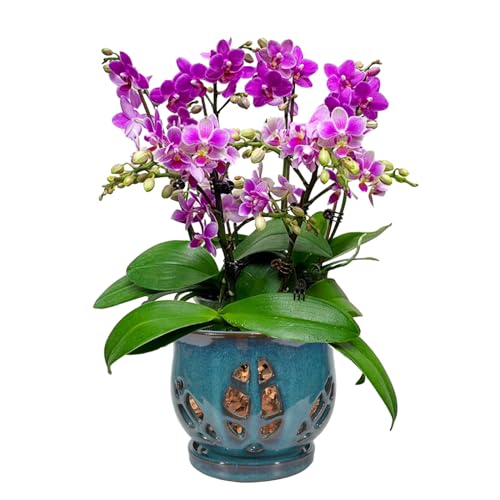
W&W Teal 6.5-Inch Orchid Pot

W&W Blue 7-Inch Orchid Pot

W&W Cream White 9.7-Inch Orchid Pot
More On The Choices That Made The List
The clear acrylic walls turn this pot into a practical inspection station for your Phalaenopsis. You can see root development, check the growing medium, and notice drying patterns without disturbing the plant. That visibility is the main reason to choose it over the opaque ceramic options later in the lineup.
Its six-inch format suits a small-to-medium plant, while the separate tray catches water that escapes through the drainage holes. The acrylic is smooth and easy to wipe clean, making the container convenient for a kitchen counter or a busy plant-care routine. In our view, it works especially well for people who learn through observation.
Useful Highlights
- Transparent construction makes root condition and soil moisture easier to monitor.
- Bottom drainage holes help move excess water away from the growing medium.
- The included tray protects shelves and tables from runoff.
- The smooth acrylic surface requires little effort to clean.
Practical Considerations
- Its clear appearance suits practical setups more than traditional decorative displays.
- The five-inch height and six-inch diameter may be tight for a mature, widely branched orchid.
Technical Sheet
Who It Suits Best
This pot suits home growers who want to inspect roots, monitor moisture, and repot small-to-medium orchids without relying on an opaque container.
Another Choice May Suit
W&W Blue 6 x 7-Inch Orchid Pot offers a more decorative glazed finish when a coordinated windowsill matters more than root visibility.
A blue glazed pot gives your Phalaenopsis a more finished appearance without losing the drainage needed by its fleshy roots. This W&W option combines a ceramic body, drainage holes, and a matching saucer, covering the basic requirements for repotting and everyday indoor care.
The stated six-by-seven-inch size is useful for a plant that has outgrown a small nursery pot but still belongs on an indoor shelf. Unlike the Sunnychicc acrylic option, you cannot see the roots, yet the blue finish fits more naturally into a furnished room. For a straightforward repotting setup, that balance is practical.
Real Benefits
- The glazed ceramic finish adds color and a decorative finish to indoor plant displays.
- Strategically placed drainage holes help keep water from collecting around orchid roots.
- The included saucer gives you somewhere to place the pot during watering.
Worth Noting
- The listed dimensions need to be compared with your plant’s root mass before repotting.
- The opaque ceramic body prevents you from checking moisture and root development through the pot wall.
Quick Facts
Made For
This pot suits home growers who want a glazed ceramic container for a standard indoor Phalaenopsis that needs repotting.
Consider Something Else When
Sunnychicc Clear Acrylic Orchid Pot is the better fit for you when monitoring root development is more important than matching a decorative color scheme.
The Grdthzey pot brings a different kind of airflow to this group. Aeration openings around the sides supplement the bottom drainage hole, giving the roots more chances to exchange air as the growing medium dries. That extra ventilation is useful for orchids kept indoors where pot moisture can linger.
Its white glaze also keeps the look understated on a sunny ledge, kitchen counter, or window sill. The listed dimensions are 7 inches wide, 5.51 inches tall, and 4.33 inches deep. You may need to check your sill clearance before choosing it, especially when several pots sit beside one another.
Standout Benefits
- Side aeration openings supplement the bottom drainage for root airflow.
- A bottom hole allows water to leave the pot after watering.
- The attached saucer catches water beneath the planter.
- The neutral white glaze blends easily into different indoor spaces.
- Its compact listing supports use on window sills and kitchen surfaces.
Small Caveats
- Confirm the 7-inch width and 4.33-inch depth against your available shelf space.
Right Fit For
This pot suits indoor growers who want side ventilation, a neutral finish, and a saucer for a compact windowsill display.
A Better Fit Elsewhere
W&W Cream White 9.7-Inch Orchid Pot offers more room for a mature orchid with an expanding root system.
Teal gives this compact ceramic planter a livelier presence than the white Grdthzey option, while the six-and-a-half-inch size keeps it manageable on an indoor shelf. Its form is straightforward: a glazed pot, drainage holes, and a saucer for handling routine watering.
That makes it a sensible middle ground for a Phalaenopsis being moved into a slightly more permanent home. The color is strong enough to act as a deliberate accent, but not so bold that it overwhelms the orchid. For a sunny kitchen or living-room display, you may find this size easier to incorporate than a large planter.
Where It Delivers
- The teal glaze adds personality without requiring a large footprint.
- Holes in the pot support drainage during regular watering.
- The attached saucer provides a place for the pot to sit after watering.
Things To Consider
- Measure the orchid’s root spread before repotting into the 6.5-inch format.
- Unlike the Grdthzey pot, this design does not list side aeration openings.
Feature Snapshot
Built With In Mind
This pot suits home growers who want a colorful glazed container for a compact orchid without the footprint of a large planter.
Another Choice May Suit
Grdthzey White Orchid Pot with Saucer is the better fit when side ventilation and a neutral white finish matter more than color.
The seven-inch W&W blue pot is the middle-size option within this family. It gives you a little more planting space than the teal model while retaining a compact profile, which can be useful when moving a Phalaenopsis out of a nursery container.
Its ceramic construction and glazed finish suit a decorative shelf, while the holes and saucer support a straightforward watering setup. Compared with the Sunnychicc acrylic option, this container looks more permanent but gives you less direct visibility into the roots. You will need to judge moisture through the growing medium rather than the pot wall.
Benefits That Matter
- The glazed ceramic finish gives the planter a refined indoor appearance.
- Its holes and matching saucer support routine drainage and watering.
Possible Compromises
- Its opaque sides prevent direct root inspection.
- Confirm that seven inches provides enough clearance for the orchid’s roots.
- The deep blue finish is more noticeable than a neutral or clear pot.
Who Will Love This
This pot suits decorators who want a classic blue ceramic planter for a medium-sized Phalaenopsis kept indoors.
Swap It Out When
Sunnychicc Clear Acrylic Orchid Pot suits you better when seeing the roots and checking moisture are your main priorities.
This cream-white planter gives you the most generous labeled size in the group at 9.7 inches. That extra room makes it worth checking against a Phalaenopsis with a broad root system or several plants that need additional space during repotting.
The neutral ceramic finish should coordinate easily with other pots, and the matching saucer keeps the watering setup together. Unlike the clear acrylic Sunnychicc pot, though, you cannot watch root development through the sides. The larger body may also require more shelf space, so check the full dimensions of the plant and pot together before arranging it.
Why It Works Well
- The 9.7-inch size offers more room for a roomier root system.
- The cream-white glaze coordinates easily with many indoor plant displays.
- Drainage holes move water away from the growing medium.
- The matching saucer provides a convenient place to set the pot.
Points To Note
- The larger size needs more shelf or tabletop space than the compact options.
Core Details
Made For
This pot suits experienced home growers with a mature orchid that needs a larger container and a coordinated saucer.
Look Elsewhere When
Grdthzey White Orchid Pot with Saucer suits you better when side aeration and a smaller footprint are more important than planting volume.
What To Look For In A Phalaenopsis Pot
A Phalaenopsis pot should accommodate the root system without forcing roots against the sides. Measure the plant’s root spread and compare it with the pot opening before repotting. A slightly roomier container gives fresh growing medium space to settle around the roots.
Drainage and Saucer Placement
Drainage holes allow excess water to leave the pot after watering. Side aeration can add further airflow, although it is not essential on every pot in this group. A saucer keeps water from reaching your sill or table, and you can remove the pot from it after watering so the base does not sit in collected water.
Material and Visibility
Clear acrylic gives you direct visibility of the roots and growing medium. Glazed ceramic provides a more decorative finish and hides the interior, so moisture checks rely on the medium itself. Choose acrylic for observation and ceramic for a traditional display, based on which part of your care routine matters most.
Size and Shelf Placement
Compare the listed dimensions, not just the nominal size, with the space in front of your window. The 9.7-inch option needs considerably more room than the compact Grdthzey model. Account for the width of leaves and the saucer, especially when arranging a row of pots.
Mistakes Worth Dodging
Common Shopping Slip Ups
Choosing by color before checking drainage can leave you with a decorative container that does not suit your watering routine. The simplest correction is to measure the root mass, confirm drainage, and check the saucer before making a final decision.
What Separates Premium From Basic
A higher-priced orchid pot may spend more on size, finish, or decorative detailing rather than basic planting functions. The upgrade pays off when you need more root space, a coordinated saucer, or a finish that suits your display. For a small orchid in a simple setup, a compact pot with drainage may cover the essentials more economically.
Frequently Asked Questions
What size pot should I use for a Phalaenopsis?
Choose a pot whose opening comfortably fits the root system without compressing it. Measure the roots and check the pot dimensions before repotting.
Do Phalaenopsis pots need drainage holes?
Drainage holes let excess water leave the growing medium and reduce standing moisture around the roots. A saucer is useful for protecting the surface beneath the pot.
Is a clear orchid pot better than a ceramic one?
A clear pot helps you monitor roots and moisture, while a ceramic pot offers a more decorative finish. Choose based on observation needs versus appearance.
Can I use an orchid pot for other houseplants?
You can use a well-drained orchid pot for other plants when its size suits their roots and growing medium. Check the drainage requirements of the plant before repotting.
Should the pot sit in a tray of water?
No, leaving the pot standing in collected water can keep the base wet. Water normally, drain the pot, and empty the saucer afterward.
Final Verdict
Your best fit depends on what you need from the pot: root visibility, side airflow, color, or additional planting space. Clear acrylic serves careful observation, while the glazed ceramic options cover decorative and mature-plant needs. Measure the orchid, the opening, and the available shelf space before choosing.
