

A rose bush can have green leaves and still disappoint you with sparse blooms. The right fertilizer depends on what it lacks, how you grow it, and whether you prefer soil feeding, foliar feeding, or organic plant food.
N-P-K is shorthand for nitrogen, phosphorus, and potassium, while a fertilizer analysis shows the proportion of each nutrient. Below, six formulas cover rose beds, containers, mixed borders, and hydroponic setups, with the details that matter for each approach.
A Side-By-Side Look

Espoma Organic Alfalfa Meal Fertilizer 2-0-2 Plant Food, 3 lb. Bag
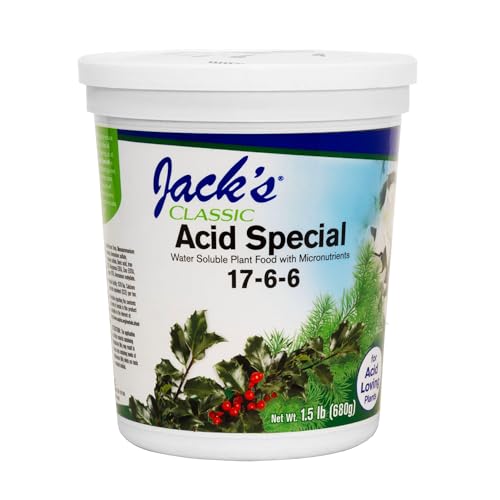
Jack’s Classic 17-6-6 Acid Special Fertilizer
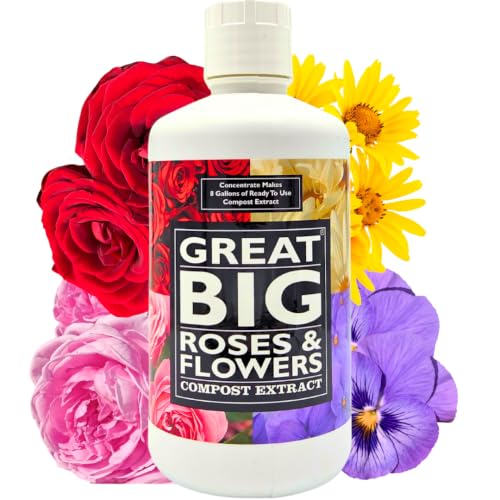
Great Big Roses Fertilizer Booster

Espoma Organic Flower-Tone 3-4-5 Plant Food for Flowers, 4 lb. Bag

Farmer’s Secret Rose Booster Fertilizer 8oz, Super Concentrated

Botanicare Pure Blend Pro Bloom 2-3-5
More On The Choices That Made The List
For an established rose bed, Espoma Organic Alfalfa Meal offers a simple soil-feeding option with no fillers or additives. You can work it into the soil or turn it into alfalfa tea, giving you two routines for the same material.
Its 2-0-2 analysis emphasizes nitrogen and potassium rather than phosphorus, so it works best as a focused organic addition. Compared with Espoma Organic Flower-Tone 3-4-5, this bag suits gardeners who want a nitrogen-forward soil treatment without a broader flower-bed formula.
Good Reasons To Consider
- Supports roses, flowers, vegetables, trees, and shrubs.
- Uses alfalfa meal as the sole ingredient, with no fillers.
- Works directly in soil or as a liquid-fed alfalfa tea.
- Provides long-lasting nitrogen and potassium for steady growth.
Practical Considerations
- The 2-0-2 analysis contains no phosphorus, so it does not cover all three primary nutrients.
- Making alfalfa tea requires additional mixing and application steps compared with a ready-to-use powder.
Key Specs
The Right Fit
You benefit most from this option when you maintain roses in soil and favor an organic, nitrogen-focused feeding routine.
Where Another Pick Suits Better
Espoma Organic Flower-Tone 3-4-5 Plant Food for Flowers fits mixed beds better when you want phosphorus and calcium included in a broader flower-food routine.
Jack’s Classic 17-6-6 Acid Special makes sense for roses growing in acidic soil, especially in containers where you can control the growing medium. Its higher nitrogen content favors leafy growth, while added iron and sulfur support plants that prefer lower-pH conditions.
The powder dissolves in water and can reach the roots or leaves, giving you more control than a soil-only product. Compared with Espoma Organic Alfalfa Meal, it offers a more conventional complete N-P-K analysis, but it is less suited to gardeners committed to an organic feeding program.
A Favorable Mix
- Supports acid-loving plants with iron and sulfur.
- Feeds through roots, leaves, or a continuous liquid program.
- The water-soluble powder mixes into larger batches of plant food.
Trade Offs
- The nitrogen level is considerably higher than the phosphorus and potassium levels.
- Its acidic focus suits roses in suitable soil better than roses planted in alkaline conditions.
Quick Facts
Best Suited To
You benefit most from this formula when your roses are in an acidic container or bed and you want flexible feeding methods.
Another Choice May Suit
Espoma Organic Flower-Tone 3-4-5 Plant Food for Flowers fits mixed garden borders better when a lower-nitrogen, broader flower formula matches your routine.
Great Big Roses Fertilizer Booster takes a different approach from the numbered formulas: it is designed to move through the root zone and activate nutrients already present in garden soil. That makes it interesting for established rose bushes, hydrangeas, citrus trees, and compatible garden plants.
Its role is to support and amplify the fertilizer already in your care routine. For a bed that receives regular feeding, the 32-ounce package can serve as a complementary root-zone treatment rather than a complete change to your soil program.
Key Advantages
- Designed to reach the root zone where soil nutrients are available.
- Supports roses, hydrangeas, citrus trees, and garden plants.
- Intended to complement the effect of fertilizers already present in the soil.
- Offers a larger 32-ounce format for established beds.
Points To Note
- It is presented as a booster, so pairing it with a suitable primary fertilizer makes more sense than using it as the only part of your program.
- The 32-ounce container needs a dry, accessible storage spot in a garage or garden shed.
Who Will Love This
You benefit most from Great Big Roses Fertilizer Booster when you already maintain a mature rose bed and want to support its existing soil nutrition.
Reach For A Different Pick When
Espoma Organic Flower-Tone 3-4-5 Plant Food for Flowers is a better fit when you need a clearly numbered flower food for a new or mixed garden bed.
Espoma Organic Flower-Tone 3-4-5 is the most versatile garden-bed choice in this group. It is intended for roses, annuals, perennials, hanging baskets, and cut flowers, so one formula can cover several flowering beds without juggling separate products.
The 3-4-5 analysis gives you a moderate amount of nitrogen, more phosphorus, and the most potassium of those three nutrients. That profile feels more balanced for bloom-focused mixed borders than Jack’s Classic 17-6-6, particularly when roses share space with other flowering plants.
What Pays Off
- Works across roses, annuals, perennials, baskets, and cut flowers.
- Includes 5% calcium alongside the 3-4-5 analysis.
- Uses natural and organic ingredients for mixed garden beds.
- Supports a routine centered on flowering rather than maximum leaf production.
A Few Limitations
- Its nitrogen level is lower than Jack’s Classic 17-6-6, so your soil and plant condition still matter.
- Check the labeled coverage before opening the 4-pound bag, especially for a small patio or container collection.
Feature Snapshot
Made For
You benefit most from Flower-Tone when one organic flower food must handle roses and several companion flower varieties.
A Better Fit Elsewhere
Farmer’s Secret Rose Booster Fertilizer fits compact rose-only collections better when a concentrated liquid routine takes less storage space.
Farmer’s Secret Rose Booster Fertilizer is built around a compact, concentrated routine rather than a large bag of dry plant food. Its rose-specific positioning suits gardeners who grow several rose varieties and want one product to cover their changing needs through the growing season.
The suggested dilution is two teaspoons in one gallon of water, applied weekly during the growing season. Compared with the 1.5-pound Jack’s Classic package, this 8-ounce bottle takes up considerably less storage space, though the measuring step adds attention to each application.
Strong Points
- Formulated for different rose varieties and stages of their life cycle.
- The concentrated format reduces the amount of product you need to store.
- Supports healthy growth alongside flower development.
- Mixes into a manageable one-gallon batch for routine watering.
Where It May Fall Short
- Accurate measuring matters because the recommended dilution is only two teaspoons per gallon.
- A rose-only formula offers less flexibility for a bed dominated by perennials, annuals, or vegetables.
Who Should Grab It
You benefit most from this concentrate when you have a compact rose collection and prefer a measured weekly liquid routine.
Swap It Out When
Espoma Organic Flower-Tone 3-4-5 Plant Food for Flowers fits better when your planting plan includes mixed flower varieties beyond roses.
Botanicare Pure Blend Pro Bloom is built for a hydroponic setup, where plant roots receive nutrients directly from a prepared solution. Its one-part formula simplifies that process, while the 2-3-5 analysis provides relatively more phosphorus and potassium for the flowering stage.
The formula can serve fruits, flowers, vegetables, houseplants, shrubs, and cacti, giving a mixed hydroponic collection some flexibility. Compared with Espoma Organic Flower-Tone for ordinary garden beds, Botanicare is the more specialized choice because its stated application is hydroponic growing.
Notable Gains
- One-part format simplifies preparation for a hydroponic system.
- Supports numerous flowering and fruiting plant types.
- The 2-3-5 analysis aligns with the flowering stage of plant development.
Possible Compromises
- You need a hydroponic growing setup to use this product as directed.
- The recommended sequence starts with Botanicare Pure Blend Pro Grow, so a complete plant program involves another product.
Technical Highlights
Built With In Mind
You benefit most from Botanicare Pure Blend Pro Bloom when your roses grow in a hydroponic system during their flowering phase.
Where A Sibling Pick Shines
Espoma Organic Flower-Tone 3-4-5 Plant Food for Flowers is the better fit for roses rooted in conventional garden soil or containers.
Match the Formula to Your Growing Setup
Read the Analysis First
Nitrogen supports leaf and stem growth, phosphorus contributes to root development and flowering, and potassium helps plants regulate water and other nutrients. Roses do not need a single universal ratio, so read the label alongside the condition of your plants rather than choosing solely by the brand name.
Match the Growing Method
Soil fertilizers such as Espoma Organic Alfalfa Meal and Espoma Organic Flower-Tone suit outdoor beds and containers. Jack’s Classic 17-6-6 offers both root and foliar feeding, while Botanicare Pure Blend Pro Bloom is intended for hydroponics. Check your setup before comparing nutrient numbers alone.
Consider Organic and Acid Preferences
Alfalfa Meal and Flower-Tone use organic plant-food ingredients, which matters for gardeners maintaining organic growing practices. Jack’s Classic targets acid-loving plants, making a soil test more important before you apply its higher-nitrogen formula to roses.
Check the Label and Routine
Concentrated products demand accurate dilution, and dry fertilizers require even distribution. Read the label for application rate, watering guidance, and timing, then fit it into a routine you can repeat without rushing the measurement or spreading steps.
Two Details That Change the Choice
Mistakes Worth Dodging
Do not choose a fertilizer by its rose label alone; check the N-P-K analysis, soil type, and application method first. Avoid stacking several products together unless the label directions clearly support that combination.
What Separates Premium From Basic
Concentrated rose formulas can reduce storage needs, while organic blends may suit gardeners prioritizing particular inputs. The added cost can be worthwhile when the formula matches your soil, space, and feeding habits.
Frequently Asked Questions
What Is the Best N-P-K Ratio for Roses?
A balanced or bloom-focused ratio such as 3-4-5 works well for many mixed rose beds, but soil condition and growth stage matter. A nitrogen-focused formula can suit established plants needing more vegetative growth.
Can Alfalfa Meal Fertilizer Be Used on Roses?
Yes, Espoma Organic Alfalfa Meal is intended for roses and other garden plants. Its 2-0-2 analysis supplies nitrogen and potassium but no phosphorus, so consider the rest of your feeding program.
Is Jack’s Classic Acid Special Suitable for Roses?
It is most suitable for roses growing in acidic soil or an appropriate container medium. A soil test helps confirm whether its acidity-focused approach matches your planting site.
Is Espoma Flower-Tone Better Than Alfalfa Meal for Roses?
Flower-Tone is the broader choice for mixed flower beds because its 3-4-5 analysis includes all three primary nutrients. Alfalfa Meal is the more focused nitrogen-and-potassium option.
Can Botanicare Pure Blend Pro Bloom Be Used in Garden Soil?
Botanicare Pure Blend Pro Bloom is designed for hydroponic applications rather than conventional soil feeding. Use a soil-labeled fertilizer for roses planted in beds or containers.
