

A tomato plant can look healthy while still missing the nutrients it needs for steady fruit production. The right fertilizer depends on your soil, growing method, and how much fuss you want during feeding, so these six options cover simple packet-based feeding, calcium-focused formulas, ready-to-use granules, and concentrated liquid plant food.
A Quick View Of The Lineup

TeaDrops Organic Tomato Food, 16 Packets
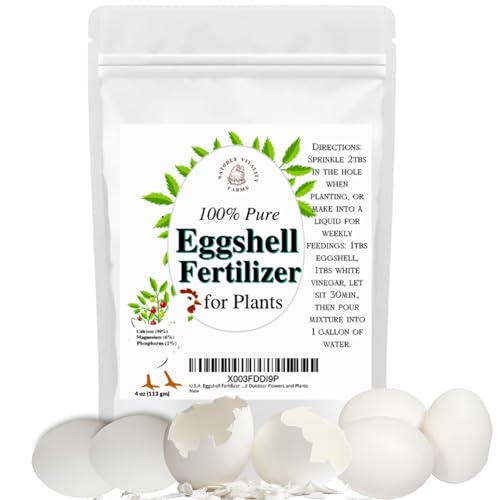
Natures Vitality Eggshell Fertilizer, 4 oz

Espoma Organic Tomato-Tone 3-4-6, 4 lb
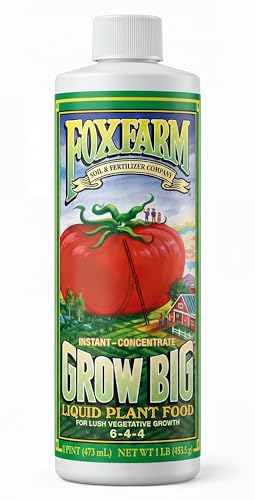
FoxFarm Grow Big Liquid Plant Food, Pint

Farmer’s Secret Fruit & Bloom Booster, 8 oz

Farmer’s Secret Tomato Booster, 32 oz
A Deeper Look At The Lineup
TeaDrops removes several chores from container gardening. Each packet holds a pre-measured serving of plant food, so you can steep one packet in one gallon of water for at least four hours, then use the resulting fertilizer tea in your watering can without measuring concentrate.
The formula serves tomatoes, peppers, eggplants, and other fruiting vegetables, making it useful for a mixed container bed. That versatility may make the weekly preparation less noticeable than a conventional fertilizer routine, depending on how organized your watering schedule is.
Useful Touches
- Sixteen pre-measured packets reduce measuring and cleanup.
- The prepared tea works as a soil drench, meaning it is delivered directly into the root zone.
- It can also serve as a foliar feed, which applies diluted nutrients to plant leaves.
- One packet treats one gallon of water, simplifying routine mixing.
- The vegetable-focused formula suits mixed edible planting areas.
Trade Offs
- Each feeding requires a four-hour steeping period beforehand.
- Keep unused packets cool and dry because humidity can affect storage.
Quick Facts
Who It Suits Best
Container gardeners with tomatoes, peppers, or eggplants will appreciate the pre-measured format and familiar watering-can application.
Where Another Pick Suits Better
Espoma Organic Tomato-Tone suits garden beds where you want a ready-to-use granular fertilizer without steeping or liquid preparation.
This eggshell-based fertilizer starts from a familiar kitchen material rather than a conventional NPK blend. The powder supplies calcium, magnesium, and phosphorus, giving you a useful option for indoor foliage, flowers, tomatoes, and other garden plants that benefit from calcium-focused nutrition.
Making the liquid feed requires more attention than opening a ready-to-use product. You mix two tablespoons of powder with vinegar and water to make one gallon, so consistent measuring helps keep the application uniform across pots or beds.
Well-Handled Touches
- The eggshell powder provides calcium along with magnesium and phosphorus.
- Its broad plant list includes orchids, African violets, spider plants, ivy, hoya, kalanchoe, and tomatoes.
- A liquid mixture lets you distribute the powder through a watering can.
Practical Considerations
- The mixing step takes more preparation than granular soil feeding.
- Measure the powder consistently to avoid overconcentrating a batch.
- The formula serves more plant types than tomato-specific products, so you may need to adjust your broader care routine.
Made For
Gardeners raising a mixed collection of houseplants and edible plants will get more flexibility from this broad-use formula.
Consider Something Else When
Espoma Organic Tomato-Tone offers a better fit for tomatoes that need straightforward soil application without preparing a liquid mixture.
Espoma Tomato-Tone brings a more familiar garden routine to tomatoes and vegetables. You apply the granules around the drip line, the outer area where water reaches the root zone, and then water thoroughly so nutrients move into the soil without extra mixing.
The 3-4-6 analysis supplies a lower proportion of nitrogen than FoxFarm Grow Big’s 6-4-4 formula. That difference makes Tomato-Tone more appropriate when your goal centers on fruit production rather than primarily pushing leafy growth, depending on your plants and soil.
Strong Points
- The formula includes 8% calcium for tomato and vegetable feeding.
- It serves heirloom and hybrid tomatoes as well as other vegetables.
- No mixing is required before application.
- It is a registered organic input for organic production requirements.
Things To Consider
- The suggested schedule calls for application every two weeks through the growing season.
- Correct placement around the drip line matters, so check the label before feeding a container.
Key Specs
Right Fit For
Tomato growers following a regular two-week soil-feeding schedule will find this ready-to-use format easy to maintain.
Not Your Match When
TeaDrops Organic Tomato Food fits better for container gardeners who prefer pre-measured packets over granules placed around each plant.
FoxFarm Grow Big is built around vegetative growth, the leafy and structural growth that gives a plant its foundation. Its liquid format supports nutrient delivery through the root zone and can be used with roses, tomatoes, vegetables, and other garden plants that need additional nutrition.
The 6-4-4 analysis is richer in nitrogen than Espoma Tomato-Tone’s 3-4-6 formula. That makes it a sensible fit while you establish strong plant structure, though your timing matters because an overly nitrogen-heavy approach can favor leaves over fruit at the wrong stage.
Useful Highlights
- The 6-4-4 analysis supports vigorous vegetative growth and plant structure.
- Liquid concentrate makes measured dilution and regular watering straightforward.
Where It May Fall Short
- The concentrate requires dilution before it reaches your plants.
- Its emphasis on leafy growth makes a fruit-focused formula more suitable for some stages of tomato care.
Best Suited To
Gardeners focused on building stems and foliage will appreciate the nitrogen-forward 6-4-4 balance.
A Better Fit Elsewhere
Espoma Organic Tomato-Tone suits gardeners who want a lower-nitrogen blend with 8% calcium for fruit-bearing plants.
Farmer’s Secret Fruit & Bloom Booster targets the late part of a productive growing cycle. Its formula is intended for fruit, vegetables, and flowers during late summer and early fall, making it more relevant once established plants are moving toward flowering and fruit development.
The formula supports root strength and nutrient uptake, while its broad plant coverage lets you use it across a mixed garden. In practice, that flexibility may be more useful for a shared bed than for a row of tomatoes receiving separate, tomato-specific nutrition.
What Earns Its Place
- Designed for late summer and early fall feeding.
- Supports flowers, fruits, and vegetables in one formula.
- Root-focused nutrition supports the plant’s ability to take up nutrients.
- The compact 8-ounce container suits seasonal or concentrated routines.
Small Caveats
- Its seasonal emphasis makes it less central during early plant establishment.
- Concentrated products require careful label-directed dilution.
- A general flowering formula may not offer the same specificity as a tomato-focused blend.
Feature Snapshot
Who Will Love This
Mixed-garden growers preparing for late-season flowers and fruit will get more use from this broad formula.
Another Choice May Suit
Farmer’s Secret Tomato Booster suits gardeners who want a tomato-specific formula and weekly feeding throughout the plant’s life cycle.
Farmer’s Secret Tomato Booster gives you a formula designed around tomatoes rather than a general-purpose vegetable feed. Its 3:8:7 ratio places less emphasis on nitrogen than FoxFarm Grow Big, while adding humic acid, iron, and calcium to support nutrient availability and plant development.
For a steadily maintained tomato bed, the routine is pleasantly specific: dilute two teaspoons into one gallon of water and apply weekly through the plant’s life cycle. That consistency helps, but accurate measuring matters because this is a concentrated product.
Notable Gains
- The nutrient ratio is tailored to tomato growth and fruiting.
- Humic acid, iron, and calcium round out the 3:8:7 base.
- Two teaspoons per gallon provide a clear dilution amount for weekly use.
What To Weigh
- Weekly feeding through the entire life cycle requires a consistent schedule.
Technical Highlights
Whose Shelf It Belongs On
Tomato-focused gardeners who prefer a liquid concentrate and a weekly feeding rhythm will find this formula well suited to their routine.
Skip It When
Espoma Organic Tomato-Tone fits better when you want ready-to-use granules and a two-week soil application instead of liquid dilution.
Matching Fertilizer to Your Gardening Routine
Match the Nutrient Goal
The three numbers on a fertilizer label represent nitrogen, phosphorus, and potassium in that order. Nitrogen supports leafy growth, phosphorus supports root and flower development, and potassium contributes to plant vigor and fruit production. A higher nitrogen figure can suit early vegetative growth, while a more balanced or potassium-forward formula generally fits fruit-bearing plants later in their cycle.
Check the Feeding Format
Your watering setup matters as much as the nutrient analysis. TeaDrops offers pre-measured packets that turn into fertilizer tea, Espoma provides ready-to-use granules, and the concentrated liquid choices require dilution. Consider how much preparation fits your schedule, especially during hot summer weeks when container plants may need frequent watering.
Compare Calcium Features
Tomatoes commonly draw attention to calcium because it contributes to healthy fruit development, although watering and soil conditions also influence plant health. Natures Vitality centers on eggshell-derived calcium, Espoma includes 8% calcium, and Farmer’s Secret Tomato Booster adds calcium alongside iron and humic acid. Compare the broader nutrient profile before choosing based on calcium alone.
Confirm Timing and Placement
Check whether a formula is intended for early growth, a specific season, or the full growing cycle. Espoma recommends application around the drip line every two weeks, Farmer’s Secret Tomato Booster calls for weekly dilution throughout the life cycle, and TeaDrops is used weekly during active growth. Container plants may need slightly different placement than plants in a garden bed, so follow the product directions for your setup.
Two Details That Shape Your Choice
Common Shopping Slip Ups
Choosing by the word “organic” alone can leave you comparing products that serve different routines. Match the format to your watering habits, then look at the nutrient ratio, calcium content, application rate, and feeding schedule. A convenient packet does not replace a formula suited to your plant’s stage, and a fruit-focused blend may not suit a plant you want to encourage for foliage.
What Separates Premium From Basic
Higher-priced choices often add convenience through concentrated formulas, broader nutrient components, or less frequent preparation. Those features can matter when you maintain many containers or want a tomato-specific blend with calcium, iron, and humic acid. A basic granular option may still provide the better value for a small garden where simplicity and straightforward soil application matter most.
Frequently Asked Questions
Are Tea Packets Easier Than Granular Fertilizer?
Tea packets suit gardeners who prefer pre-measured feeding, but each packet requires at least four hours of steeping. Granular Espoma Tomato-Tone requires no mixing and can be applied directly to the soil, making it the more convenient option for gardeners who dislike advance preparation.
Which Options Provide Calcium for Tomatoes?
Espoma Tomato-Tone contains 8% calcium, Farmer’s Secret Tomato Booster includes calcium, and Natures Vitality Eggshell Fertilizer is built around a calcium source. Each combines calcium with a different supporting profile, so consider the complete nutrient formula and application routine rather than calcium alone.
Can Natural Fertilizer Be Used on Peppers and Eggplants?
TeaDrops Organic Tomato Food is formulated for tomatoes, peppers, eggplants, and other fruiting vegetables. Farmer’s Secret Fruit & Bloom Booster also covers fruits, vegetables, and flowers, while Espoma Tomato-Tone extends to all vegetables.
Are Concentrated Liquid Fertilizers Hard to Use?
Concentrated liquids require accurate dilution before application. FoxFarm Grow Big and both Farmer’s Secret formulas use liquid concentrates, so measuring carefully and following the label helps you apply a consistent amount through your watering routine.
Which Fertilizer Requires the Least Preparation?
Espoma Tomato-Tone is ready to use and requires no mixing. Natures Vitality Eggshell Fertilizer needs powder, vinegar, and water mixed into a liquid, while TeaDrops requires a four-hour steeping period.
Final Thoughts
The simplest choice depends on your garden and your schedule. TeaDrops suits pre-measured container feeding, Espoma serves ready-to-use soil care, and the liquid concentrates suit gardeners who want measured nutrition or targeted nutrient profiles. Match the format to your watering routine, then use the label schedule consistently for the best fit for your plants.
