

A monthly plant subscription is easiest to maintain when every delivery suits your space, light, and routine. Some homes work best with a small indoor tree, while a compact herb pod or outdoor bonsai serves a different purpose. The right recurring addition depends on how much care you want to provide and where the plant will live.
How The Shortlist Stacks Up

Brussel’s Chinese Elm Bonsai

Hirt’s Calathea ornata 4" Plant

Brussel’s Ginseng Ficus Bonsai
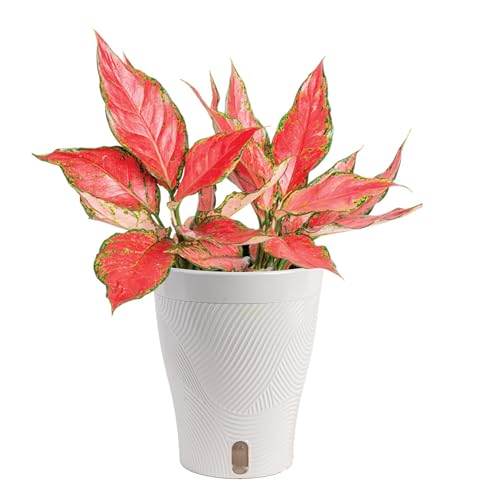
Costa Farms Chinese Evergreen

Click and Grow Sage Plant Pods

Brussel’s Hawaiian Umbrella Bonsai
Why These Options Stand Out
A patio, garden, or bright outdoor area gives this Chinese elm bonsai a more natural setting than an indoor shelf. Its winding trunk, fine branching, and oval leaves create detail at a small scale, making it a strong focal point without demanding a large footprint.
The included care guide gives you a practical starting point for shaping and maintaining the tree. Compared with the indoor bonsai later in this roundup, this is the more suitable option for an outdoor plant collection, particularly for someone ready to make placement and outdoor care part of the routine.
Practical Advantages
- The compact tree adds a sculptural accent to patios and garden displays.
- A winding trunk contrasts with the tree’s finer branches and delicate leaves.
- The care guide supports first-time owners learning basic shaping.
- Each tree is cultivated in Mississippi before shipment.
Points To Keep In Mind
- This is an outdoor plant, so your climate and available garden space belong in the decision.
- Natural variation in trunk shape and pot color means the delivered tree will not look identical to a listing image.
At A Glance
Made For
This suits beginners who have a suitable outdoor location and want to begin a bonsai collection with a traditional tree form.
A Better Fit Elsewhere
Costa Farms Chinese Evergreen fits an apartment or indoor shelf better when you need colorful foliage without an outdoor bonsai project.
This Calathea ornata brings patterned foliage to a compact 4-inch pot, which makes it useful for a crowded windowsill or a small plant grouping. The pinstriped leaves offer more visual detail than a plain green plant without adding the sculptural maintenance of bonsai.
You need bright, indirect light and soil kept evenly moist, neither soaked nor allowed to become dry. That requirement makes the plant less forgiving of a neglected corner than the Chinese evergreen later in the roundup, but the payoff is a distinctive tabletop display for an attentive indoor gardener.
Standout Benefits
- The 4-inch pot fits neatly into compact indoor displays.
- Striped foliage creates a stronger decorative accent than basic greenery.
- Its manageable size makes repotting and repositioning easier.
- Regular trimming lets you maintain the plant’s shape over time.
Small Caveats
- Even moisture is a steady commitment, particularly in warm rooms or dry indoor air.
- Direct sun can be too intense, so your window placement matters more than sheer quantity of light.
Quick Facts
Right Fit For
You gain a compact accent plant for a small home or office when you can provide bright filtered light and remember to water consistently.
Swap It Out When
Costa Farms Chinese Evergreen is the more practical choice for a busy indoor space where soil drying and wet roots pose greater concerns.
The exposed roots give this ginseng ficus a distinctive bonsai silhouette, while the clustered glossy leaves soften the thicker trunk and branches. It brings more visual structure to an indoor shelf than the Calathea ornata, yet it remains small enough for a dedicated display area.
A ceramic pot and accompanying tray give the tree a finished appearance and a useful place to catch drainage. Compared with the Chinese elm, this is the indoor-focused option with a stronger emphasis on exposed roots and compact branching, while the included care guide helps you shape the tree as it develops.
The Value In It
- Exposed roots create an interesting sculptural profile from the start.
- Glossy foliage gives the indoor tree a lush, polished appearance.
- The included tray supports practical drainage management.
- A ceramic pot makes the tree ready for a shelf, desk, or display table.
Trade Offs
- The ceramic pot and tray require enough shelf space to remain stable and easy to maintain.
- You will need to monitor the grafted branches and exposed roots as you shape the bonsai over time.
Built With In Mind
This tree fits a beginner who wants an indoor bonsai with clear visual character and enjoys trimming and shaping over time.
Where Another Pick Shines
Brussel’s Hawaiian Umbrella Bonsai is the easier visual match for a first bonsai because its dense canopy and basic-care profile feel more immediately approachable.
At about 14 inches tall, this Chinese evergreen fits neatly beside a sunny window without taking over a room. The 6-inch white planter provides a clean backdrop for the broad, colorful leaves, making the plant useful for a table, shelf, or small apartment arrangement.
Water only after the soil surface dries, since keeping the soil too wet can create root-rot problems. This approach differs from the Calathea ornata’s even-moisture needs and makes the evergreen a more practical fit for a household with irregular plant-care habits.
The Practical Payoff
- The 14-inch shipping height helps you plan its place before ordering.
- A 6-inch planter suits shelves, tables, and compact rooms.
- Broad variegated leaves add color and texture to your decor.
- Allowing the soil to dry reduces the risk of leaving the roots waterlogged.
Practical Considerations
- Place it near a sunny window while keeping harsh direct sunlight off the leaves.
- The mixed-material planter and plant height make it less compact than the 4-inch Calathea ornata.
The Main Details
The Right Fit
You get a practical decorative plant for an apartment, office, or small room when your schedule calls for a forgiving watering rhythm.
Another Choice May Suit
Hirt’s Calathea ornata 4" Plant suits a smaller shelf where patterned foliage matters more than mature plant height.
Fresh garden sage on a kitchen counter is the goal here, and the setup reduces the number of traditional gardening decisions. You insert a pod, fill the Smart Garden’s water tank, and plug in the unit rather than preparing separate soil and containers.
This makes the pods a practical choice for a monthly indoor herb routine, especially for a beginner or a cook who wants herbs near the food-prep area. The package contains three pods, but plastic cups and germination domes are not included, so your existing Smart Garden setup needs to support the pods directly.
The Case For It
- The workflow reduces setup compared with conventional container gardening.
- Three pods support repeated herb-growing sessions in a compatible setup.
- The seeds are identified as non-GMO.
- The Smart Garden manages watering as part of the connected setup.
Details To Watch
- A compatible Smart Garden unit is required for the pod workflow described.
- Plastic cups and germination domes are not part of this package, adding another compatibility check before you order.
Who Will Love This
You will appreciate this option for a countertop herb routine when you already use a compatible Smart Garden and prefer guided setup over traditional potting.
Look Elsewhere When
Brussel’s Chinese Elm Bonsai is the better fit for a hands-on outdoor hobby where shaping the tree itself is the main goal.
The glossy leaves cluster like tiny umbrellas, creating a dense canopy that gives this bonsai a finished appearance soon after it arrives. That fullness contrasts with the more exposed-root structure of the ginseng ficus, making it particularly appealing as a first indoor bonsai.
Basic care and a ceramic pot keep the setup approachable, while the included guide introduces shaping as part of the experience. The plant is cared for in Mississippi before shipment, and its indoor format makes it easier to pair with your monthly plant deliveries than the outdoor Chinese elm.
What It Does Well
- Small umbrella-shaped leaf clusters create a dense, balanced canopy.
- The tree suits beginners who want a manageable introduction to bonsai.
- Glossy foliage adds texture to a compact indoor display.
- The ceramic pot gives the tree an immediate decorative base.
Where It May Fall Short
- You need to reserve a stable display spot where the indoor tree will not be moved frequently.
- The dense canopy offers less exposed trunk and root structure than Brussel’s Ginseng Ficus Bonsai.
Key Facts
Best Suited To
This suits a first-time bonsai owner who wants dense foliage, an indoor format, and a straightforward introduction to shaping.
Reach For A Different Pick When
Brussel’s Ginseng Ficus Bonsai suits you better when exposed roots and a clearly layered trunk are the main features you want to see.
Building a Plant Habit That Lasts
Match the Plant to Its Permanent Location
Your delivery schedule works better when each plant has a clear home. The Chinese elm belongs outdoors, while the Calathea ornata, Chinese evergreen, and both indoor bonsai fit around windows, shelves, and tables. A recurring delivery adds to an existing collection rather than filling an unsuitable corner.
Check Light Before Adding Another Delivery
The Calathea ornata calls for bright, indirect light, and the Chinese evergreen prefers a sunny window without direct rays. Indoor bonsai also benefit from a stable placement. You can keep recurring additions focused by checking those conditions before the plant arrives, rather than waiting for signs of stress later.
Separate Display Plants from Growing Kits
A display plant provides a finished decorative accent, while a growing pod depends on compatible equipment and a watering setup. The Click and Grow Sage Plant Pods belong in the second category because the Smart Garden supplies the cultivation framework. Decide which role fits your routine before alternating live trees and growing kits.
Account for Care Rhythm
Even moisture suits the Calathea ornata, while the Chinese evergreen benefits from drying soil before another watering. Bonsai care adds shaping and pruning to the routine. The most sustainable monthly schedule is one your available time can support without turning every delivery into a rescue project.
Where Delivery Format Changes the Decision
Mistakes Worth Dodging
A common mistake is judging a plant only by its appearance. You also need to match light, watering, placement, and compatible equipment to your home. Another trap is treating a compact pot as a sign of low care, since small plants can dry out quickly during warm or humid conditions.
What The Higher Tier Buys
A higher-tier setup may add automated watering, a more integrated planter, or additional cultivation accessories. That convenience is worthwhile when you want a repeatable indoor herb routine and already own compatible equipment. Decorative bonsai offer a different value, providing a finished focal point and a hands-on shaping activity rather than automated growing.
Frequently Asked Questions
Which plant is most suitable for a first bonsai?
Brussel’s Hawaiian Umbrella Bonsai is the most approachable first bonsai because it has a dense canopy and a beginner-friendly care profile. Its indoor format also makes placement easier than an outdoor tree.
Which option works best in a small apartment?
Costa Farms Chinese Evergreen works well in a small apartment because it combines a modest 14-inch shipping height with a simple dry-between-watering routine. Hirt’s Calathea ornata 4" Plant takes up even less room, though it needs more consistent moisture.
Which choice is best for an outdoor garden?
Brussel’s Chinese Elm Bonsai is the dedicated outdoor option in this group. Its potted form and traditional bonsai structure suit a patio or garden display where you can provide an appropriate outdoor setting.
Do I need gardening experience for the sage pods?
You do not need extensive gardening experience because the pod workflow is designed to simplify setup. You still need a compatible Smart Garden, and the package does not include plastic cups or germination domes.
How should I choose plants for a monthly schedule?
Choose each plant according to its permanent location, available light, watering needs, and the time you can maintain it. Alternating a small indoor tree with a growing pod works well only when your space supports both display plants and cultivation equipment.
Final Verdict
Your best choice depends on the role you want the next plant to play. Choose the Chinese elm for outdoor cultivation, the Chinese evergreen for easy indoor color, the sage pods for a guided herb routine, and one of the bonsai trees for a hands-on decorative project. Start with the care requirements and location, then let the plant’s form determine the final choice.
