

Spider mites often appear first on houseplants, where fine webbing, stippled leaves, and weakened growth can trouble a busy home. The right product depends on the pest: spider mites need plant-focused control, while dust mites require a different kind of treatment, and fertilizers or fungicides solve separate problems. These six options cover home interiors, plant care, and general insect-repelling needs, with ARBER Organic Insecticide offering the most direct fit for spider mites.
The Shortlist At A Glance

Hygea Dust Mite Killer Spray 24oz

ARBER Plant Food Concentrate

ARBER Organic Insecticide

ARBER Organic Fungicide
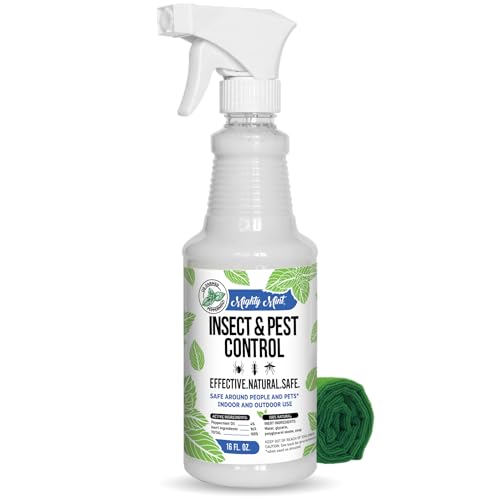
Mighty Mint Oil Repellent
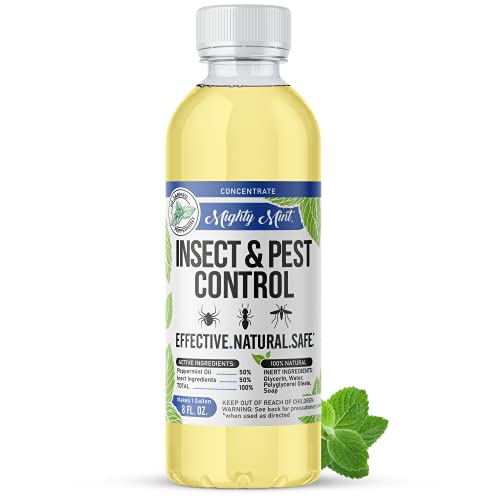
Mighty Mint Oil Concentrate
A Closer Look At Each Pick
Fine dust-mite activity around a bedroom mattress calls for a treatment aimed at the places where these microscopic pests gather. Hygea Dust Mite Killer Spray is designed for dust mites on indoor furnishings, not garden or houseplant spider mites, so you need a different approach when the infestation appears on foliage.
The 24-ounce container gives you a spray format for mattresses, box springs, carpets, upholstery, curtains, and stuffed animals. That reach is useful in a bedroom or family room where soft surfaces dominate, although coverage depends on applying the mist where you actually suspect activity.
The Value In It
- Targets dust mites where they commonly appear in sleeping areas.
- Works across several soft furnishings instead of one narrow surface.
- The large container suits a room-by-room household application.
Practical Considerations
- It is not formulated for spider mites living on plants.
- Check fabric and surface directions before spraying upholstery or bedding.
Quick Facts
Made For
You benefit most from this spray when dust mites are the concern and your treatment area includes mattresses, carpets, or upholstered furnishings.
Where Another Pick Suits Better
ARBER Organic Insecticide suits you better when spider mites are feeding on an indoor or outdoor plant.
Yellowing leaves and weak growth can leave a plant in need of feeding after pest pressure has passed. ARBER Plant Food Concentrate supports that recovery work through a liquid fertilizer for houseplants and garden plants, rather than acting as a mite-control product.
Its biofermentation process unlocks plant-available nutrients from botanical material, meaning the concentrate is designed for regular feeding. A rosemary aroma makes it easy to recognize on the shelf, while a weekly schedule suits a routine approach to indoor and outdoor plant care.
Strong Points
- Liquid format fits routine watering routines.
- Supports foliage, rooting, and flowering plants.
- Suitable after repotting or during periods of plant stress.
- Biofermentation supports nutrient availability.
Where It Is Less Suited
- It does not target spider mites or other insects.
- Concentrates require you to follow the label for application and dilution.
Right Fit For
This fertilizer fits you best when your main goal is feeding a houseplant or garden plant after addressing any active pest problem.
Consider Something Else When
Mighty Mint Oil Repellent may suit you better when you need general household insect repellency rather than plant nutrition.
Fine webbing across a plant canopy points toward spider mites, and ARBER Organic Insecticide directly includes them among its targeted pests. It also covers fungus gnats, aphids, whiteflies, and mealybugs, giving you one plant-focused option for several common indoor and outdoor infestations.
The 16-ounce liquid concentrate reaches both foliage and soil, which matters because plant pests can occupy more than the visible leaves. Its organic biological approach targets pest life cycles, and the broader pest coverage makes it more relevant here than the fungicide or fertilizer in this list.
What Makes Sense
- Directly includes spider mites among its target pests.
- Handles several common plant pests in one format.
- Reaches foliage and soil rather than leaves alone.
- Works with indoor and outdoor plants.
- Offers a plant-based biological approach.
Factors To Consider
- Its broad pest list still leaves you to identify the problem carefully.
- Application timing and dilution need to follow the label.
Feature Breakdown
Who It Suits Best
You get the strongest fit from this formula when spider mites or another listed plant pest appear on a houseplant, patio plant, or garden bed.
A Better Fit Elsewhere
Hygea Dust Mite Killer Spray suits you better when the target is dust mites in bedding and carpets rather than mites on plants.
Humid weather can leave plants dealing with powdery mildew, leaf spot, or root rot, problems that require attention to fungal disease rather than insect feeding. ARBER Organic Fungicide is built for that side of plant care and also addresses lawn fungi.
Its biological and plant-derived active ingredients form a protective barrier on leaves and roots, adding support during humid periods and active growth. The 16-ounce format suits plants in several areas, although a fungicide cannot take the place of the ARBER Organic Insecticide when spider mites are the visible concern.
Noteworthy Benefits
- Covers several common fungal diseases.
- Supports leaves, roots, and lawn areas.
- Useful during humid weather and peak growth.
- Uses organic biological and plant-derived actives.
Possible Compromises
- It addresses diseases, not spider mites or other insects.
- Plant type and application instructions determine where it can be used.
Core Details
Best Suited To
This fungicide suits you best when disease symptoms appear during humid conditions and your plants need foliage or root-focused support.
Another Choice May Suit
ARBER Organic Insecticide is the better choice for you when the leaves show spider mite damage rather than fungal symptoms.
A general insect problem around entryways, patios, or indoor living spaces calls for a repellent rather than a plant-specific insecticide. Mighty Mint Oil Repellent uses peppermint oil as its active approach, giving you a plant-based option with a noticeable aromatic profile.
The 16-ounce ready-spray format is straightforward for routine application, and the product description positions it for households with pets and children when used according to its directions. For spider mites on foliage, though, ARBER Organic Insecticide remains the more precise choice because it names the pest directly.
Everyday Perks
- Peppermint oil provides a plant-based repellent approach.
- The 16-ounce spray suits routine household application.
- Designed with pet and family household use in mind.
Points To Keep In Mind
- It is presented as a general repellent, not a spider-mite treatment.
- Peppermint scent may be noticeable in enclosed rooms.
Who Will Love This
This spray fits you best when you want a peppermint-based household repellent and plant-focused mite control is not the priority.
Look Elsewhere When
ARBER Organic Fungicide suits you better when powdery mildew or another fungal disease is affecting your plants.
Recurring pest-control needs in different rooms can make a concentrated format more practical than carrying a larger ready-to-use spray. Mighty Mint Oil Concentrate provides an 8-ounce peppermint-oil product that you prepare according to the label, giving you control over application quantity.
The product description also positions the formula for use around pets and children when its directions are followed. Its general repellent role remains the key limitation, since you need ARBER Organic Insecticide for foliage-feeding spider mites or Hygea Dust Mite Killer Spray for dust mites in bedding.
Advantages To Know
- The compact container is easy to store between treatments.
- Concentrate format gives you control over the prepared amount.
- Peppermint oil supplies the plant-based repellent approach.
- Designed with pet and family household use in mind.
Where It May Fall Short
- It does not name spider mites as a specific target.
- You need the label for proper mixing and target-surface guidance.
Technical Reference
Built With In Mind
This concentrate suits you best for recurring household repellent use where compact storage and controlled preparation matter.
Where A Sibling Pick Shines
Mighty Mint Oil Repellent is more convenient for you when you want a ready-spray format without preparing a concentrate.
Match The Product To The Actual Pest
A miticide is a product intended to control mites, but the label can still decide whether it suits your situation. Spider mites live on plants and feed on foliage, while dust mites occupy mattresses, carpets, and upholstered furnishings. You should match the named pest and application area before considering concentration, coverage, or scent.
Confirm The Pest First
Webbing, tiny moving dots, and mottled leaves are useful clues for spider mites on houseplants. Dust mites instead appear in soft indoor environments, so a surface spray designed for bedding and upholstery has no direct plant application. Accurate identification prevents you from spending effort on a product aimed at the wrong problem.
Check Where You Need To Apply It
A plant insecticide should be compatible with the plant and the area where you will spray. Household repellents, bed treatments, fungicides, and fertilizers each serve different roles, and a broader formula does not make it suitable for every surface. Read the label for target pests, plants, application sites, and preparation instructions.
Decide Between Spray And Concentrate
A ready-to-use spray prioritizes convenience and straightforward application. A concentrate gives you more control over the amount you prepare, but it also requires you to follow the mixing directions carefully. Your storage space, frequency of use, and comfort with label-directed preparation should guide that decision.
Consider The Rest Of Your Plant Care
Fertilizer can support plants after pest pressure has passed, while a fungicide addresses disease symptoms such as mildew and leaf spot. Neither substitutes for ARBER Organic Insecticide when spider mites are feeding on foliage. Treat the immediate pest issue first, then return to feeding and disease care according to the plant’s needs.
Practical Traps To Avoid
Common Shopping Slip Ups
The easiest mistake is treating dust mites and spider mites as the same problem, even though they live in different places and require different applications. Another trap is choosing fertilizer or fungicide for an insect sighting. You can avoid both errors by matching the named pest, affected area, and plant type before selecting a formula.
Where The Extra Money Goes
Premium plant treatments may offer broader pest coverage, a larger container, or a concentrate format that supports more frequent use. Those features matter when you have several plants, recurring infestations, or many rooms to cover. A smaller ready-to-use spray can make more sense for occasional general household repellent needs, depending on the directions and surfaces involved.
Frequently Asked Questions
Is ARBER Organic Insecticide Suitable For Spider Mites?
Yes, spider mites are specifically included among the pests targeted by ARBER Organic Insecticide. Apply it to compatible indoor or outdoor plants according to the label.
Is A Dust Mite Spray Useful For Spider Mites?
No, Hygea Dust Mite Killer Spray is designed for dust mites in indoor furnishings. Spider mites on plant foliage need a product that names them as a target.
Can ARBER Plant Food Treat Spider Mites?
No, ARBER Plant Food Concentrate supports plant feeding rather than insect control. Use it to support plant condition after addressing an active infestation.
Does Mighty Mint Oil Repellent Specifically Target Spider Mites?
No, Mighty Mint Oil Repellent is presented as a general peppermint-based household repellent. ARBER Organic Insecticide is the more direct fit for spider mite infestations on plants.
Should You Choose A Ready Spray Or Concentrate?
Choose a ready spray for simpler application and a concentrate for more control over prepared amounts. In either case, follow the label for mixing, target surfaces, and plant compatibility.
Final Verdict
ARBER Organic Insecticide is the clearest match for spider mites on indoor or outdoor plants because it names the pest and targets both foliage and soil. Dust mites in soft furnishings call for Hygea Dust Mite Killer Spray, while plant food and fungicide address separate care needs. Use the label and the nature of your infestation to make the final match.
